Archives
-
Join 343 other subscribers
KSWFoodWorld
Blog Stats
- 429,723 Views
Category Archives: microbial contamination
Research – Salmonella spp., Escherichia coli and Enterobacteriaceae Control at a Pig Abattoir: Are We Missing Lairage Time Effect, Pig Skin, and Internal Carcass Surface Contamination?
To provide meat safety and consumer protection, appropriate hygiene control measures at an abattoir are required. This study aimed to evaluate the influence of visual fecal contamination level (VFCL) and lairage time (LT) on pig skin (PS) and external (ECS) and internal (ICS) carcass surfaces. The presence of Enterobacteriaceae, Escherichia coli (E. coli) and Salmonella in PS, ECS, and ICS were evaluated. A total of 300 paired samples were collected from 100 pigs. Results underlined the importance of the skin (Enterobacteriaceae: 3.27 ± 0.68 log CFU/cm2; E. coli: 3.15 ± 0.63 log CFU/cm2; Salmonella: 21% of samples) as a direct or indirect source of carcass contamination. Although VFCL revealed no significant effect (p > 0.05), the increase of LT had a significant impact (p < 0.001) on Enterobacteriaceae and E. coli levels across all analysed surfaces, and Salmonella presence on ICS (p < 0.01), demanding attention to LT. Also, the ICS showed a higher level of these bacteria compared to ECS. These results highlight the need of food business operators to consider ICS as an alternative area to sample for Salmonella, as a criterion for process hygiene based on EC Regulation No. 2073/2005, and as a potential contamination source to be integrated in the hazard analysis critical control point (HACCP) plans.
Posted in Decontamination Microbial, E.coli, Enterobacteriaceae, Food Micro Blog, Food Microbiology, Food Microbiology Blog, Food Microbiology Research, Food Microbiology Testing, microbial contamination, Microbial growth, Microbiological Risk Assessment, Microbiology, Microbiology Investigations, Salmonella
Malta – Authorities probe reports of food poisoning following Kalkara wedding
The health authorities are investigating reports of people suffering from gastroenteritis following a wedding reception in Kalkara on Thursday, with at least one person hospitalised.
The Infectious Disease Prevention and Control Unit has asked attendees at the wedding reception at Villa Bighi to fill in an online form indicating whether they had fallen ill, what kind of symptoms they had, and when.
They were also provided with a list of hot, cold and sweet canapés including fish, dairy and meat items, as well as so-called street-food station items, and asked to indicate which they had consumed. They were asked the same things about drinks and whether they had any ice in them.
Attendees were also asked whether they had any complaints about the food served at the event because it may have tasted bad or was not warm enough, among other reasons.
Posted in Decontamination Microbial, Food Micro Blog, Food Microbiology, Food Microbiology Blog, Food Microbiology Research, Food Microbiology Testing, Food Poisoning, microbial contamination, Microbial growth, Microbiological Risk Assessment, Microbiology, Microbiology Investigations, Microbiology Risk, Poisoning
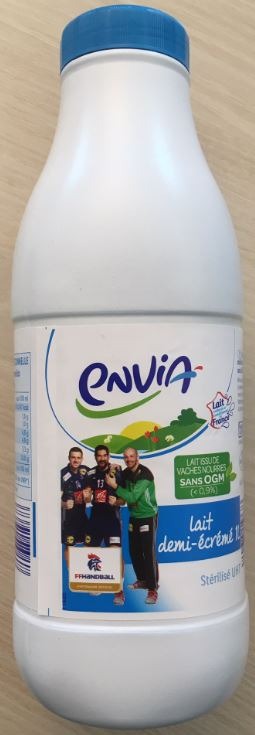
France – UHT sterilized non-GMO semi-skimmed milk in 1L bottle – Leaks possible micro contamination

Identification information of the recalled product
- Product category Feed
- Product subcategory Milk and dairy products
- Product brand name Envy
- Model names or references UHT sterilized non-GMO semi-skimmed milk in 1L bottle
- Identification of products
GTIN Batch Date 20681968 23134TF Date of minimum durability 10/10/2023 20681968 23156TF Date of minimum durability 01/11/2023 - Packaging plastic bottle
- Marketing start/end date From 05/19/2023 to 07/29/2023
- Storage temperature Product to be stored at room temperature
- Health mark FR 63 345 002 EC
- Geographic area of sale See the list of supermarkets attached
- Distributors lidl
- List of points of sale List_spm.pdf
Posted in bacterial contamination, cross contamination, food contamination, food handler, Food Hazard, Food Hygiene, Food Inspections, Food Micro Blog, Food Microbiology, Food Microbiology Blog, Food Microbiology Testing, Food Quality, food recall, Food Safety, Food Safety Alert, Food Safety Management, Food Safety Regulations, Food Testing, microbial contamination
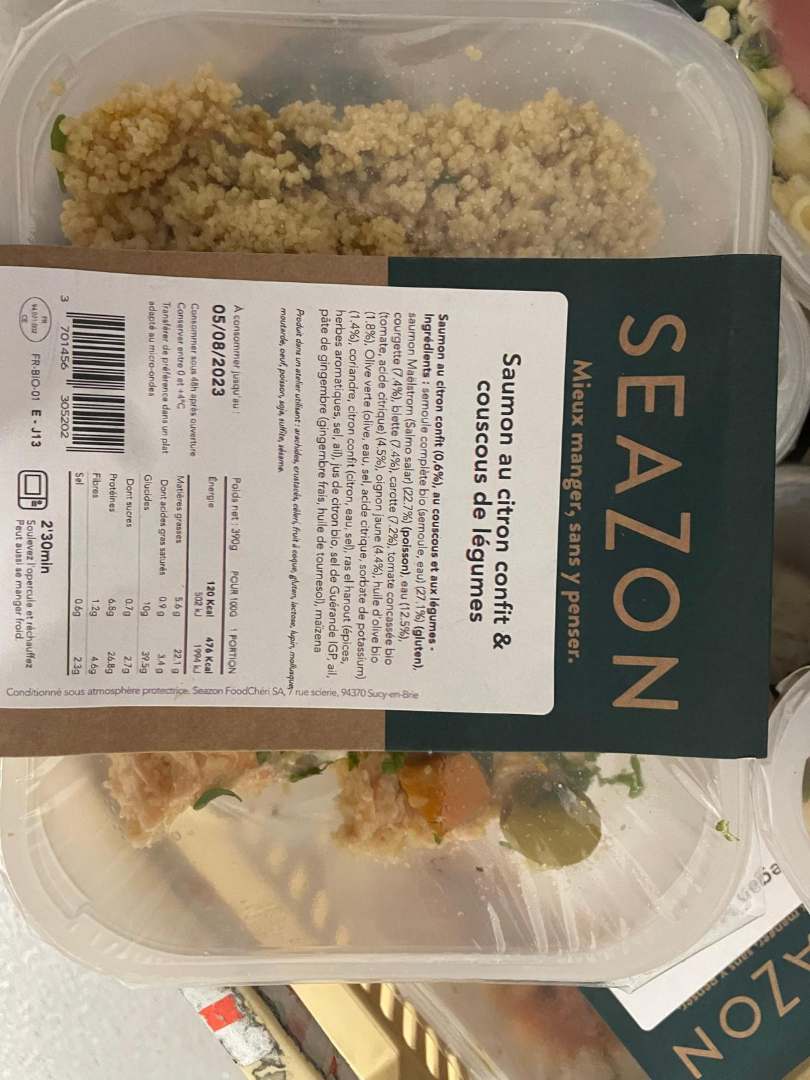
France -Salmon with candied lemon and vegetable couscous – Salmon thawing process not respected, leading to a risk of bacterial development

Identification information of the recalled product
- Product category Feed
- Product subcategory Prepared meals and snacks
- Product brand name Seazon
- Model names or references Salmon with candied lemon (0.6%) with couscous and vegetables
- Identification of products
GTIN Batch Date 3701456305202 05/08/2023 (E) Use-by date 05/08/2023 - Packaging Plastic tray 390g
- Marketing start/end date From 07/31/2023 to 07/31/2023
- Storage temperature Product to be stored in the refrigerator
- Health mark FR94.071.002CE
- Geographic area of sale Whole France
- Distributors Seazon
Posted in bacterial contamination, cross contamination, Decontamination Microbial, food contamination, food handler, Food Hazard, Food Hygiene, Food Inspections, Food Micro Blog, Food Microbiology, Food Microbiology Blog, Food Quality, food recall, Food Safety, Food Safety Alert, Food Safety Management, Food Safety Regulations, Food Testing, microbial contamination
USA – DPH warns residents about severe Vibrio infections caused by consumption of raw shellfish or exposure to salt or brackish water
The Connecticut Department of Public Health (DPH) is warning residents about the potential dangers of consuming raw shellfish and exposure to salt or brackish water along Long Island Sound, due to severe Vibrio vulnificus infections.
Since July 1, three cases of V. vulnificus infections have been reported to DPH. The three patients are between 60-80 years of age. All three patients were hospitalized and one died. One patient reported consuming raw oysters from an out-of-state establishment. Two patients reported exposure to salt or brackish water in Long Island Sound. Both patients had pre-existing open cuts or wounds or sustained new wounds during these activities which likely led to the infections.
“The identification of these severe cases, including one fatality, due to V. vulnificus is concerning,” said DPH Commissioner Manisha Juthani, MD. “People should consider the potential risk of consuming raw oysters and exposure to salt or brackish water and take appropriate precautions. Particularly during the hottest months of the summer, bacteria are more likely to overgrow and contaminate raw shellfish. Given our current heat wave, this may be a time to exercise particular caution in what you consume.”
Posted in Contaminated water, Food Micro Blog, Food Microbiology, Food Microbiology Blog, Food Microbiology Testing, microbial contamination, Microbial growth, Microbiological Risk Assessment, Microbiology, Microbiology Investigations, Microbiology Risk, Shellfish, Vibrio, Vibrio vulnificans, Vibrio vulnificus, Water, water microbiology, Water Safety
Ireland – Boil notice an ongoing risk for the immunocompromised in West Limerick -Cryptosporidium
LIMERICK residents who are at risk by being immunocompromised may be waiting months before they can shower in their own homes.
“Months” is how long Uisce Éireann says it may be until it can put a new treatment system in place to deal with cryptosporidium (a parasite found in human and animal faeces) found in the water supply at the Shannon Estuary Water Treatment Plant, which has seen a boil notice enforced in the area since May.
Affected households have been told that the water is safe to drink and to use to brush teeth if boiled, but medical experts warn that while infection can cause healthy people to become mildly ill, it can lead to a life-threatening illness for people with weak immune systems.
Posted in Boil Water Notice, Contaminated water, Cryptosporidiosis, Cryptosporidium, Food Micro Blog, Food Microbiology Blog, Food Microbiology Research, Food Microbiology Testing, microbial contamination, Microbial growth, Microbiological Risk Assessment, Microbiology, Microbiology Investigations, Microbiology Risk, Water, water microbiology, Water Safety
USA – Salmonella tainted Raw Milk sickens 5 children in Minnesota
The Minnesota Department of Health (MDH) is investigating a cluster of five illnesses caused by the bacteria Salmonella Typhimurium among children from the Twin Cities metro. The families of two children reported that they consumed unpasteurized milk. Information could not be obtained from the remaining families, but the bacteria from the cases were found to be identical through laboratory analysis. This indicates the infections came from the same source.
The cases include children ranging in age from 3 months to 10 years who became ill between the end of June and early July. One child was hospitalized.
Posted in Food Illness, Food Micro Blog, Food Microbiology, Food Microbiology Blog, Food Microbiology Research, Food Microbiology Testing, Foodborne Illness, Illness, microbial contamination, Microbial growth, Microbiological Risk Assessment, Microbiology, Microbiology Investigations, Microbiology Risk, Raw Milk, Salmonella
Canada reports nearly 200 non-travel related Cyclospora infections
The Public Health Agency of Canada (PHAC) reports investigating 185 non-travel related Cyclospora illnesses as of July 18, 2023.
170 cases, or 92 percent of the cases have been reported in Ontario with the other 15 cases reported from Quebec (9) and British Columbia (6).
Four people were hospitalized for their illnesses.
Research – Effect of Conventional Preservatives and Essential Oils on the Survival and Growth of Escherichia coli in Vegetable Sauces: A Comparative Study
Abstract
Essential oils have gained attention as natural alternatives to chemical preservatives in food preservation. However, more information is needed regarding consumer acceptance of essential oils in actual food products. This study aimed to compare the effects of conventional preservatives, heat treatment, and essential oils derived from thyme, oregano, and lemongrass on the survival and growth of pathogenic Escherichia coli in vegetable sauces. The results demonstrated a gradual decrease in pathogen numbers over time, even in untreated samples. On the fifth day of storage, heat treatment, sodium chloride, and acidification using citric acid (pH 3.2) exhibited reductions of 4.4 to 5.3 log CFU/g compared to the untreated control. Among the essential oils tested, lemongrass essential oil at a concentration of 512 mg/kg demonstrated the most remarkable effectiveness, resulting in a reduction of 1.9 log CFU/g compared to the control. Fifteen days after treatment, the control samples exhibited a contamination rate of 6.2 log CFU/g, while E. coli numbers in treated samples with heat, sodium chloride, citric acid (pH 3.2), and lemongrass essential oil (512 mg/kg) were below the detection limits. Additionally, sensory evaluation was conducted to assess the acceptability of the treated samples. The findings provide valuable insights into the potential utilisation of essential oils as natural preservatives in vegetable sauces and their impact on consumer acceptance.
Research – Sanitizing Hatching Eggs with Essential Oils: Avian and Microbiological Safety
Abstract
Increased meat and egg production leads to concomitant changes in poultry practices, including the indiscriminate use of formaldehyde to sanitize hatching eggs. Although this sanitizer aids in the increase in poultry production, its toxic potential for man and for avian embryos represents an obstacle to its long-term use. This review assesses whether essential oils fit into the context of hatching egg contamination, reviewing their antimicrobial efficiency, toxicity to poultry embryos and chicks, and their sanitizing effects on poultry production parameters. Studies have indicated that, because they are safer, most of the essential oils studied can be a potential substitute for formaldehyde for minimizing microbial exposure of hatching eggs and embryos. However, complementary studies on the microbiological profile of embryos and chicks hatched from eggs sanitized with essential oils need to be carried out and the economic feasibility of the candidate products should also be considered.