Category Archives: Hepatitis A

USA – FDA -Core Investigation Table Update

FDA

Date
Posted
Ref Pathogen
or
Cause of
Illness
Product(s)
Linked to
Illnesses

(if any)
Total
Case
Count

Status
3/8/2023 1144 Salmonella Hartford Not Yet
Identified
47 Active
3/1/2023 1143 Hepatitis A Virus Not Yet
Identified
5 Active
2/15/2023 1123 Listeria
monocytogenes
Not Yet
Identified
See
CDC
Investigation
Notice
Active
11/9/2022 1127 Listeria
monocytogenes
Enoki
Mushrooms
See
Outbreak
Advisory
Active

USA – FDA Core Investigation Table Update

FDA

What’s New

  • A new outbreak of Salmonella Hartford (ref # 1144) linked to a not yet identified product has been added to the table. FDA has initiated traceback.
  • For the outbreak of hepatitis A virus (ref #1143), the case count has been adjusted from nine to five cases, following CDC’s exclusion of suspect cases from the case count. FDA has initiated sample collection and analysis.
Date
Posted
Ref Pathogen
or
Cause of
Illness
Product(s)
Linked to
Illnesses

(if any)
Total
Case
Count

Status
3/8/2023 1144 Salmonella Hartford Not Yet
Identified
31 Active
3/1/2023 1143 Hepatitis A Virus Not Yet
Identified
5 Active
2/15/2023 1123 Listeria
monocytogenes
Not Yet
Identified
See
CDC
Investigation
Notice
Active
11/9/2022 1127 Listeria
monocytogenes
Enoki
Mushrooms
See
Outbreak
Advisory
Active

Food Safety News – USA- Publisher’s Platform: It’s time to deal with hepatitis A and food service workers

Food Safety News

The Advisory Committee on Immunization Practices (ACIP) provides advice and guidance to the Director of the CDC regarding use of vaccines and related agents for control of vaccine-preventable diseases in the civilian population of the United States. Recommendations made by the ACIP are reviewed by the CDC Director and, if adopted, are published as official CDC/HHS recommendations in the Morbidity and Mortality Weekly Report (MMWR).

Presently, approximately 5% of all hepatitis A outbreaks are linked to infected food-handlers.

Here is what the CDC continues to say about vaccinating food-handlers:

Why does CDC not recommend all food handlers be vaccinated if an infected food handler can spread disease during outbreaks?

Research- Development of an Extraction Method to Detect Hepatitis A Virus, Hepatitis E Virus, and Noroviruses in Fish Products

MDPI

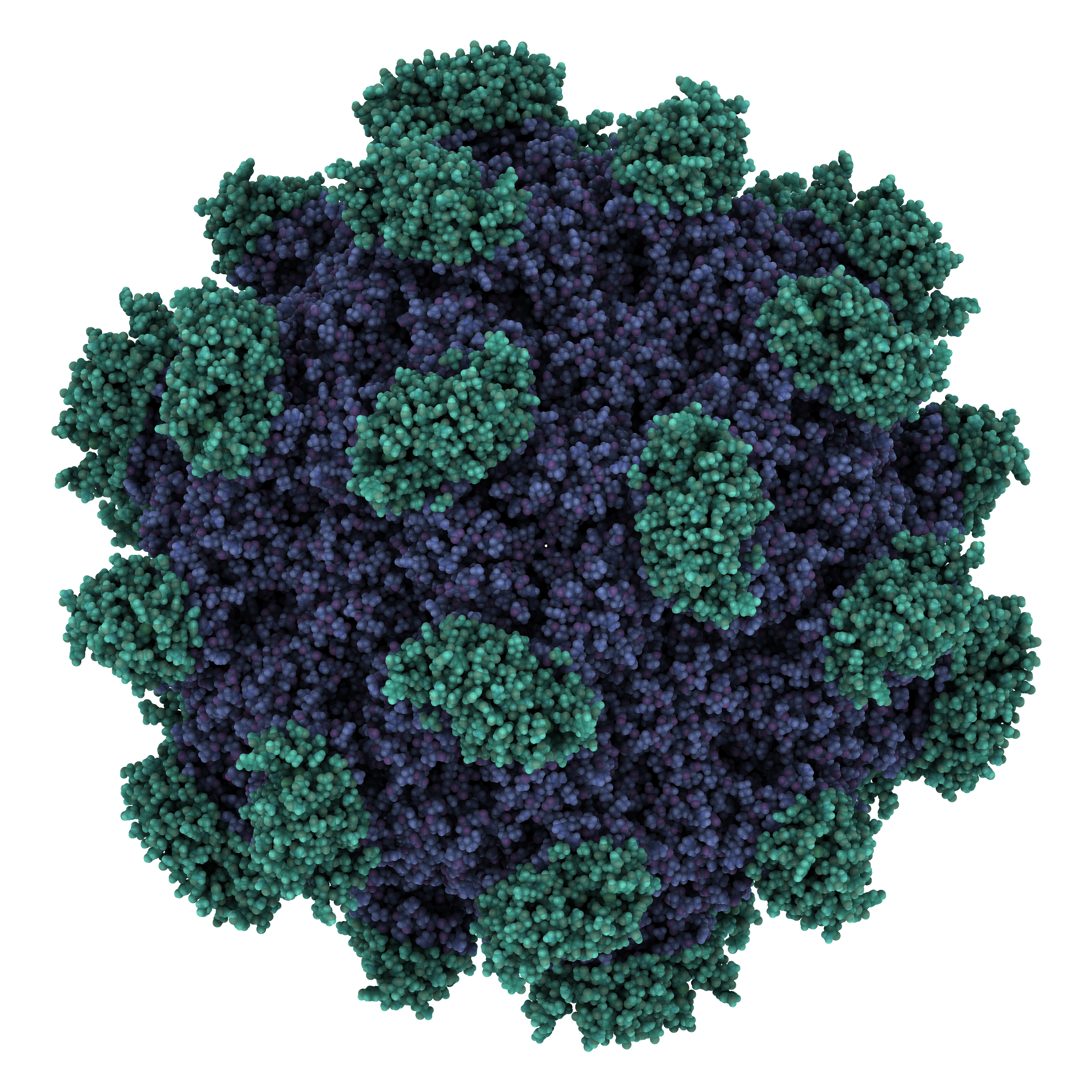
Hepatitis E virus capsid structure. HEV infection causes viral hepatitis. Atomic-level structure.

Abstract

Viruses are a leading cause of foodborne disease worldwide. Hepatitis viruses (hepatitis A (HAV) and hepatitis E (HEV)) and human norovirus are recognized as the main viruses of public health concern in food hygiene. ISO 15216 approved procedures are not validated for detection of HAV and human norovirus in foodstuffs, such as fishes, leading to an inability to ensure the safety of these products. This study aimed to provide a rapid and sensitive method for detecting these targets in fish products. An existing method that includes proteinase K treatment was selected for further validation using artificially contaminated fish products, according to the recent international standard ISO 16140-4. Recovery efficiencies in pure RNA extracts of viruses ranged from 0.2% to 66.2% for HAV, 4.0% to 100.0% for HEV, 2.2% to 100.0% for norovirus GI, and 0.2% to 12.5% for norovirus GII. LOD50 values were between 144 and 8.4 × 10⁴ genome copies/g for HAV and HEV, and 104 and 2.0 × 10³ copies/g for norovirus GI and norovirus GII, respectively. LOD95 values were between 3.2 × 10³ and 3.6 × 10⁵ genome copies/g for HAV and HEV, and between 8.8 × 10³ and 4.4 × 10⁴ genome copies/g for norovirus GI and norovirus GII, respectively. The method developed here was successfully validated in various fish products and can be applied for routine diagnostic needs.

USA – New Hepatitis A outbreak discovered; other outbreak investigations continue

Food Safety News

Federal officials have identified a new outbreak of hepatitis A infections suspected to be from a food source.

The Food and Drug Administration reports that it has begun product traceback efforts, but the agency has not named the product or products being traced.

As of March 1 there have been nine patients identified. The FDA has not reported where the patients live or their ages.

Hepatitis A can be transmitted when food handlers have contaminated hands. This contamination usually comes from microscopic amounts of feces. Thorough hand washing is one of the best ways to prevent transmission of the disease. Food surfaces can become contaminated as well as foods and beverages.

USA – FDA Core Outbreak Table – Update

FDA

What’s New

  • A new outbreak of hepatitis A virus infections (ref # 1143) linked to a not yet identified product has been added to the table. FDA has initiated traceback.
  • For the outbreak of Listeria monocytogenes (ref # 1123), FDA has initiated an onsite inspection, sample collection, and analysis. This investigation is ongoing and additional information will be provided as it become available.
  • The outbreak of Salmonella Typhimurium (ref # 1137) linked to alfalfa sprouts has ended and the FDA investigation is closed.

Research – Prevalence of Foodborne Viruses in Berries Harvested in Canada

MDPI

Abstract

It is known that the transmission of different foodborne viruses can occur either via discharge of contaminated water close to the production environment or via close contact with animal feces. Cranberries are intimately associated with water throughout their production cycle, and blueberries grow close to the ground which could lead to contact with wildlife. The aim of this study was to evaluate the prevalence of human norovirus (HuNoV GI and GII), hepatitis A virus (HAV) and hepatitis E virus (HEV) in two berries produced commercially in Canada. The detection of HuNoV and HAV on RTE cranberries and of HEV on wild blueberries was evaluated using the ISO method 15216-1:2017. Only 3 of 234 cranberry samples tested positive for HuNoV GI (3.6, 7.4, 5.3 genome copies/g, respectively) and all were negative for HuNoV GII and HAV. PMA pre-treatment and sequencing confirmed the absence of potential intact HuNoV GI particles on cranberries. None of the 150 blueberry samples tested positive for HEV. Overall, the prevalence of foodborne viruses in RTE cranberries and wild blueberries harvested in Canada is low, making these products relatively safe for consumers.

Research – How Does Hepatitis A Spread Through Food?

Food Poisoning News

In a developed country such as the United States, outbreaks of Hepatitis A (HAV) from contaminated food are not common but are still possible and have occurred in the past. Some outbreaks have been linked to thousands of cases. It can be difficult, however, to pinpoint the source of infection because of the late onset of symptoms especially when the victims are geographically scattered. A food product can become contaminated at any step during the process of harvesting, distribution, preparation, etc…  When the problem occurs at one of the early stages, say during production, this can lead to a wide-spread outbreak, such as recent outbreaks of HAV linked to imported pomegranates or HAV linked to imported strawberries.

However, most recorded HAV outbreaks in the United States have occurred at the point of sale when food is handled and served in a restaurant. While most food handlers with HAV do not transmit the virus because they practice proper personal hygiene, all an infected person has to do to spread the virus is touch food after failing to wash their hands. These “establishment” HAV outbreaks are usually in a single geographic location tied to a particular restaurant, like the relatively recent Burger King or Famous Anthony’s outbreaks.

USA – $14 million settlement reached in Famous Anthony’s Hepatitis A outbreak

Roanoke

A $14 million settlement has been reached in lawsuits filed by more than 40 people who claimed they or their loved ones were exposed to a deadly viral outbreak while dining at two Famous Anthony’s restaurants.

Details of the agreement — reached on behalf of four patrons who died and others who were sickened when an employee unknowingly spread hepatitis A — became public during a hearing late Thursday in Roanoke’s federal court

New Zealand – Check your freezer if you bought Pams frozen berries in the South Island

MPI

Anyone who bought Pams frozen Mixed Berries from 4 specific stores in the South Island is urged to check whether they are part of a batch that has been recalled due to a possible risk of hepatitis A associated with frozen berries sourced from Serbia.

New Zealand Food Safety is supporting Foodstuffs South Island in the recall of a specific batch of Pams brand Mixed Berries with a best before date of 14/08/2024. The product was only available for sale from these stores on Saturday, 14 January 2023.

“Foodstuffs South Island Hornby Distribution Centre, in error, released 478 bags of Pams Mixed Berries following the previous recall on 4 October 2022,” said New Zealand Food Safety (NZFS) deputy director-general Vincent Arbuckle.

Frozen berries recalled as a precaution while investigation into source of Hepatitis A continues

“Foodstuffs South Island has identified and removed most of those bags before consumers were able to buy them. However six bags have already been sold and another four are unaccounted for. So we are urging consumers who bought frozen berries from New World Ashburton, Three Parks New World in Wanaka, Pak‘nSave Hornby and Pak‘nSave Wainoni in Christchurch to check their freezers for the recalled product.

“Consumers, especially those with chronic liver damage, the elderly and pregnant people, should not eat frozen berries raw. Bringing them to the boil will make them safe to eat, or they can be returned to the place of purchase for a full refund.”

If you have consumed any of this product and are concerned for your health, contact your health professional, or call Healthline on 0800 611 116.

Today’s recall affects the following product released in error following the recall on 4 October 2022:

  • pams brand Mixed Berries (500g) with a Best Before of 14/08/2024

The product was potentially available in the following South Island stores:

  • ashburton New World
  • hornby Pak’nSave
  • 3 Parks New World, Wanaka
  • wainoni Pak’nSave, Christchurch

“In the current hepatitis A outbreak, case numbers have steadily declined, and the Ministry of Health reported on 12 January 2023 that there were 3 new cases, bringing the total cases to 35,” Mr Arbuckle said.

“New Zealand Food Safety is disappointed to be informed of this error given the hepatitis A outbreak was under control.  We will investigate this error and ensure Foodstuffs South Island put in place appropriate measures to prevent a reoccurrence.”

Up-to-date details of the recall are available on our food recall page.