The source of infection was not found for three of four Listeria outbreaks in England in 2018.
The one which was solved was an international outbreak that involved 12 cases in England from 2015 to 2018 and was traced to frozen sweetcorn and vegetables produced by Greenyard in Hungary.
The company found the cause of contamination, a persistent presence of Listeria monocytogenes in one of the freezing tunnels, and closed down this tunnel at the plant. In June 2019, the factory was sold to Roger & Roger, a producer of potato and corn snacks.
This multi-country incident included 54 clinical cases of listeriosis in Australia, Finland, Sweden, Denmark, Austria, and the UK with 10 deaths. The outbreak was detected in Finland using whole-genome sequencing (WGS).
Traceability information indicated that frozen corn was produced in Hungary and packed in Poland. It was found that people had eaten the frozen sweetcorn uncooked, although instructions on the packaging told consumers to cook it. Implicated frozen products were distributed to 116 countries.
The second incident involved four people with illness onset in 2017 and 2018. The third outbreak sickened three people and the final one had five reported cases all in 2018.
Eighty-two individuals in Texas got sick after suffering from cyclosporiasis, a parasitic infection that causes a range of symptoms.
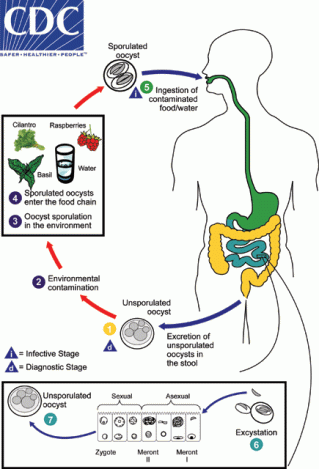
The Centers for Disease Control and Prevention (CDC) stated that cyclosporiasis is an illness caused by a microscopic parasite. Fox News reports that the symptoms of this infection include diarrhoea, frequent bowel movements, loss of appetite, bloating, weight loss, stomach cramps, fatigue, and nausea. These symptoms can take up to a week to appear following an infection.
The most common source of the parasite is water or food contaminated by feces. However, public health officials in Austin, Texas are still trying to find out where the intestinal illness came from, which affected Austin-Travis County.
Health officials stated that previously, the source of such an outbreak would either be fruits or vegetables. The most common food sources include basil, cilantro, onions, and raspberries.
In July, the CDC warned multiple states of a cyclospora outbreak from bagged salads. However, Texas was not included in the list.
Spokane Produce, Inc. of Spokane, WA is voluntarily recalling salsa products containing onions as a result of the expanded onion recall initiated by Thomson International, Inc., which resulted in a recall by Spokane Produce’s onion supplier. These recalls are due to concerns of the potential for contamination by Salmonella spp.
Salmonella is an organism which can cause serious and sometimes fatal infections in young children, frail or elderly people, and others with weakened immune systems. Healthy persons infected with Salmonella often experience fever, diarrhea (which may be bloody), nausea, vomiting and abdominal pain. In rare circumstances, infection with Salmonella can result in the organism getting into the bloodstream and producing more severe illnesses such as arterial infections (i.e., infected aneurysms), endocarditis and arthritis.
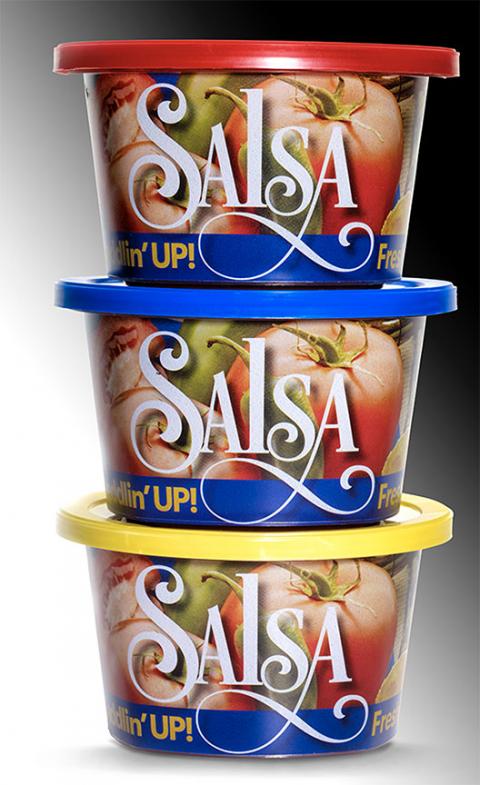
Product was distributed in ID, MT, OR, WA states and it reached consumers only through retail stores. The recalled products were distributed from 05/13/20 to 08/10/20. Retail products were packaged in 15oz. plastic tubs and institutional size one gallon plastic containers.
Spokane Produce’s products subject to the recall are listed in the table below.
ITEM NUMBER
PRODUCT NAME
SIZE
BEST BY DATE
83260
Saddlin’ Up Salsa Hot
15 oz
8/16/2020
83259
Saddlin’ Up Salsa Medium
15 oz
9/30/2020
83259
Saddlin’ Up Salsa Medium
15 oz
8/5/2020
83258
Saddlin’ Up Salsa Mild
15 oz
8/11/2020
84032
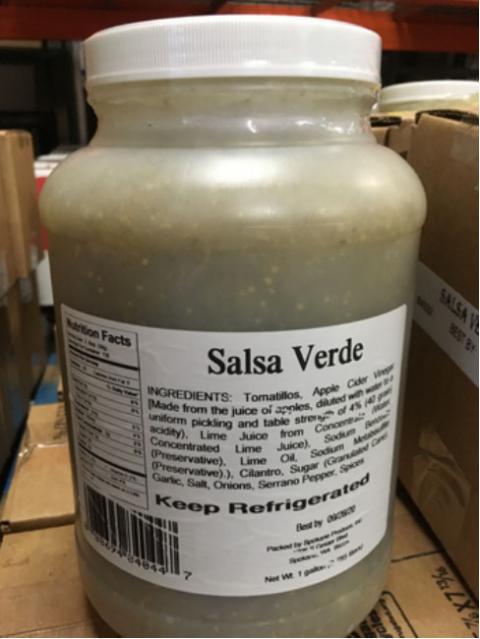
Salsa Verde
15 oz
8/26/2020
84044
Salsa Verde
Gallon
9/28/2020
84044
Salsa Verde
Gallon
8/11/2020
No other Spokane Produce’s products are impacted by this recall.
No illnesses have been reported in association with these salsa products to date.
Out of an abundance of caution, as a service to the general consuming public at large, product is being recalled in consultation with the Food and Drug Administration (FDA).
Consumers who purchased any of the products/best buy dates cited above are advised not to eat any product and should destroy or return the product to the place of purchase. Consumers with questions should call Spokane Produce, Inc., 10am-4pm (PST) at 509-710-8301.
The newest Salmonella Newport outbreak has sickened at least 396 people in 34 states and has hospitalized 59. The outbreak is potentially linked to red onions sold by Thomson International. Those onions were recalled last week. But which stores sold the onions recalled for possible Salmonella contamination? And are products made with those onions recalled?
According to recall notices posted on their web sites, ALDI, Food Lion, Giant Eagle/Market District, Kroger, Publix, Stop & Shop/Giant Food Stores, Smiths, Fry’s, Fred Meyer, and Walmart allegedly sold these onions under various store names and brand names, and some were used to make other products such as salads and stir fries.
After receiving notification from onion supplier, Onion 52, that the vendor had sourced onions affected by the recent salmonella-related Thomson International, Inc. onion recall for Giant Eagle, the company pulled all impacted product on Saturday, August 1.
Giant Eagle recalled red, yellow and white onions sold in produce departments across Pennsylvania, Ohio, West Virginia, Indiana and Maryland. The recall also includes select prepared foods items that included the affected onions as ingredients sold across the same five states. The recall announcement is regarding potential salmonella contamination of the onions.
Out of an abundance of caution, Giant Eagle promptly removed these products on Saturday, August 1, from its produce and prepared foods departments as soon as it became apparent that some of its onion product may have been affected by the ongoing salmonella outbreak investigation by the FDA and CDC. Three are no reported illnesses among Giant Eagle customers to date associated with this recall.
Salmonella, an organism which can cause serious and sometimes fatal infections in young children, frail or elderly people, and others with weakened immune systems, can cause salmonellosis. Salmonellosis is one of the most common bacterial foodborne illnesses, and some symptoms of salmonellosis are diarrhea, abdominal cramps and a fever anywhere between 12 to 72 hours after consumption. This illness can last between four to seven days.
Recalled Onions Sold in Giant Eagle Produce Departments
Giant Eagle has recalled all bulk and bagged red, yellow and white onions sold in its produce department since June 6, 2020.
Customers who have purchased the affected product and are still in possession of it should dispose of it. Customers may also bring in the qualifying receipt to their local Giant Eagle or Market District location to receive a refund on their purchase of the impacted product.
For questions, customers may contact Onions52 at (801) 773-0630 or by email at customerservice@onions52.com.
Recalled Prepared Foods Items with Onion as Ingredient
Giant Eagle’s onion recall also included select prepared foods items purchase since July 25, 2020 that include onion as an ingredient. Items listed in the link above.
Seven people were arrested in relation to the second mass food poisoning incident in Ain al-Basha.
The owner of the restaurant and six of his employees were charged with four offences — causing harm, handling food in unsuitable conditions that made it harmful to human health, handling food that is not safe for human consumption and practicing a craft that causes harm.
The seven individuals will be detained for one week at Al-Balqa Reform and Rehabilitation Center.
Sixty seven people have been affected by the incident so far.
Jordan Food and Drug Administration (JFDA) strengthened its nationwide monitoring efforts, which will be conducted by control and inspection teams around the clock.
After numerous complaints reported symptoms of food poisoning among citizens, the JFDA, in cooperation with both the Ministry of Health and the Ministry of Interior, tightened control procedures for all food establishments by increasing the number of field visits and extending working hours to run 24 hours a day.
The aim is to inspect all main meat suppliers that provide restaurants with the pulled chicken for shawarma, and other associated food establishments.
An unpleasant odour was reported by the JFDA after obtaining 59 uncooked chicken samples.
Test results showed that the chicken is not safe for human consumption due to the presence of dense bacterial growth caused by poor storage conditions at meat warehouses and a failure to follow JFDA guidelines for high-risk materials, which require storage temperatures not to exceed five degrees Celsius.
Legal measures were taken and all violators were transferred to the public prosecutor to pursue further legal action.
The JFDA stressed the need to adhere to all instructions issued by the administration and not to ease legal consequences on violators.
The foundation also called on citizens to raise awareness about food distribution and not to hesitate to report any violations or submit complaints.
Oregon health officials are advising the public not to eat onions from Thomson International, Inc., of Bakersfield, California, after 76 people in 13 Oregon counties fell ill with matching strains of Salmonella bacteria. Eighteen of the cases have been hospitalized, no deaths have been recorded.
Oregon is part of a multistate outbreak that has sickened more than 400 people in about 40 states as well as consumers in Canada.
U.S. and Canadian public health officials implicated consumption of red onions; and the federal Food and Drug Administration (FDA) traced the onions to Thomson International, Inc. Although red onions are the likely source, Thomson will be recalling all varieties of onions that could have been cross-contaminated.
The FDA, along with CDC and state and local partners, is investigating a multistate outbreak of Salmonella Newport infections. The Public Health Agency of Canada is also investigating an outbreak of Salmonella Newport illnesses that have a genetic fingerprint closely related to the U.S. outbreak.
Investigators in the U.S. and Canada have been collaborating to identify the source of this outbreak. On July 30, 2020, Canadian health officials announced that they had determined red onions from the U.S. to be the potential source of the Canadian outbreak. The Canadian investigation has also prompted a recall warning by the Canadian Food Inspection Agency.
Building on this information, and on epidemiologic information on the U.S. outbreak from CDC, the FDA’s traceback investigation was able to identify Thomson International, Inc. as a likely source of contaminated red onions in the U.S.
On August 1, 2020, Thomson International, Inc. recalled all varieties of onions that could have come in contact with potentially contaminated red onions, due to the risk of cross-contamination. Recalled products include red, yellow, white, and sweet yellow onions shipped from May 1, 2020 to present.
Product Recall
On August 1, 2020, Thomson International, Inc. recalled all varieties of onions that could have come in contact with potentially contaminated red onions, due to the risk of cross-contamination. Recalled products include red, yellow, white, and sweet yellow onions shipped from May 1, 2020 to present.
Onions were distributed to wholesalers, restaurants, and retail stores in all 50 states, the District of Columbia and Canada.
The onions were distributed in 5 lbs. carton. 10 lbs. carton. 25 lbs. carton. 40 lbs. carton, 50 lbs. carton. bulk, 2 lb. mesh sacks, and 3 lb. mesh sacks, 5 lb. mesh sacks, 10 lb. mesh sacks 25 lbs. mesh sacks, 50 lbs. mesh sacks under the brand names:
Total Illnesses: 396
Hospitalizations: 59
Deaths: 0
Illness Onset Date Range: July 12, 2020
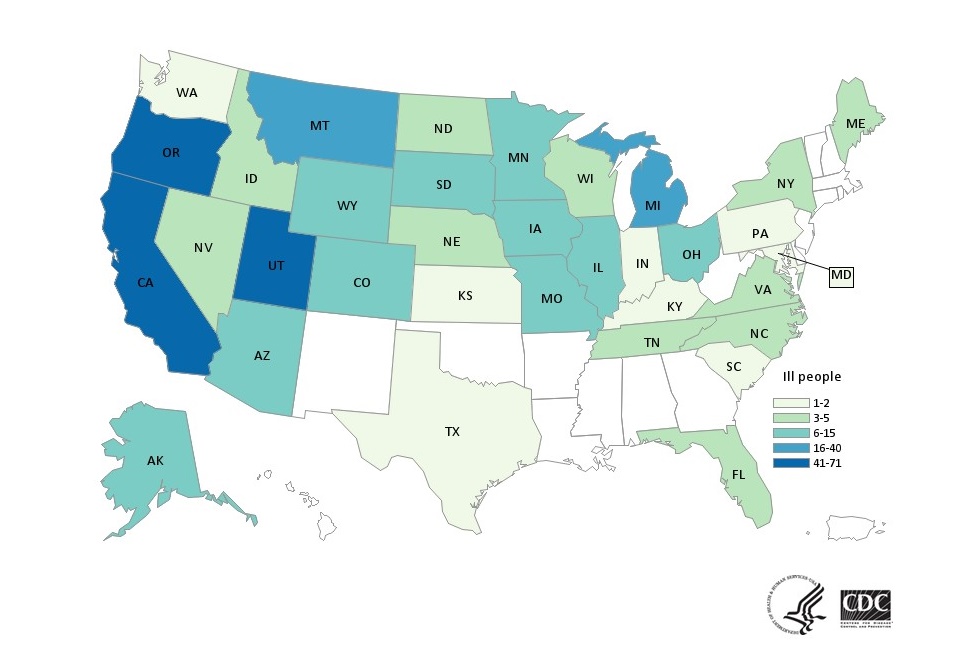
States with Cases: AK (6), AZ (14), CA (49), CO (10), FL (3), ID (5), IL (10), IN (2), IA (15), KS (1), KY (1), ME (4), MD (1), MI (23), MN (10), MO (6), MT (33), NE (5), NV (5), NY (4), NC (3), ND (5), OH (7), OR (71), PA (2), SC (1), SD (11), TN (5), TX (1), UT (61), VA (4), WA (2), WI (5), WY (11)
As part of its enforcement activities, the Food and Drug Administration sends warning letters to entities under its jurisdiction. Some letters are not posted for public view until weeks or months after they are sent. Business owners have 15 days to respond to FDA warning letters. Warning letters often are not issued until a company has been given months to years to correct problems.
Tailor Cut Produce Inc.
North Brunswick, NJ
Tailor Cut Produce Inc. has been under scrutiny since Dec. 6, when the FDA began investigating a Salmonella Javiana outbreak connected to Tailor Cut Produce. The company issued a recall Dec. 7 of its fruit luau, cut honeydew, cut cantaloupe and cut pineapple products. This warning letter shows the conditions at Tailor Cut Produce Inc.’s processing facility that could have led to the outbreak that sickened more than 150 people in 14 states.
In a July 8 warning letter the FDA described a Dec.10, 2019, through Feb. 7, 2020, inspection at Tailor Cut Produce Inc.’s ready-to-eat (RTE) fresh-cut produce processing facility. The inspection was initiated as part of an ongoing Salmonella Javiana multi-state outbreak investigation. FDA investigators found serious violations of the Current Good Manufacturing Practice, Hazard Analysis, and Risk-Based Preventive Controls for Human Food regulation.
FDA’s inspection resulted in the issuance of FDA Form 483.
Since July 30, there have been six additional illnesses reported in the ongoing Canadian investigation, including illnesses in Saskatchewan and Québec. There are now 120 confirmed cases in Canada. Investigators have determined that potentially contaminated red onions are coming from Thomson International Inc. of Bakersfield, California, United States of America (USA).
Although the investigation has determined that red onions are the likely source of the outbreak, Thomson International Inc. has recalled all varieties of onions that could have come in contact with potentially contaminated red onions, due to the risk of cross-contamination. Onion varieties includes red, white, yellow, and sweet yellow onions.
The Canadian Food Inspection Agency (CFIA) has issued food recall warnings for related products that came to Canada. Some of these products were possibly distributed nationally. Additional food recall warnings in Canada are possible. More information on recalled products is available on CFIA’s website.
Given this new information, and until more is known about the outbreak, do not eat, use, sell or serve any red, white, yellow, and sweet yellow onions from Thomson International Inc., Bakersfield, California, USA, or any products made with these onions. This advice applies to all individuals across Canada, as well as retailers, distributors, manufacturers and food service establishments such as hotels, restaurants, cafeterias, hospitals and nursing homes.
Onions grown in Canada are not affected by this advice.
In Canada, based on the investigation findings to date, exposure to red onions imported from the USA has been identified as a likely source of the outbreak. Many of the ill individuals under investigation reported having eaten red onions before getting sick.
Through a collaborative investigation between public health and food safety partners in Canada and the U.S., traceback information has identified that the contaminated red onions are coming from Thomson International Inc. of Bakersfield, California, USA.
The CFIA has issued food recall warnings for related products that came to Canada. Some of these products were possibly distributed nationally. Additional food recall warnings in Canada are possible. More information is needed to determine the cause of contamination in red onions imported from Thomson International Inc. The outbreak is ongoing, as recent illnesses continue to be reported to the PHAC.
Given this new information, and until more is known about the outbreak, do not eat, use, sell or serve any red, yellow, white, and sweet yellow onions grown by Thomson International Inc. of Bakersfield, California, USA, or any products made with these onions. This advice applies to all individuals across Canada, as well as retailers, distributors, manufacturers and food service establishments such as hotels, restaurants, cafeterias, hospitals and nursing homes.
Onions grown in Canada are not affected by this advice.
As the investigation is ongoing, it is possible that additional sources could be identified, and additional food recall warnings related to this outbreak may be issued. This public health notice will be updated as the investigation evolves.
Investigation summary
As of August 2, 2020, there have been 120 confirmed cases of Salmonella Newport illness linked to this outbreak in the following provinces: British Columbia (43), Alberta (56), Saskatchewan (4), Manitoba (13), Ontario (2), Quebec (1) and Prince Edward Island (1).
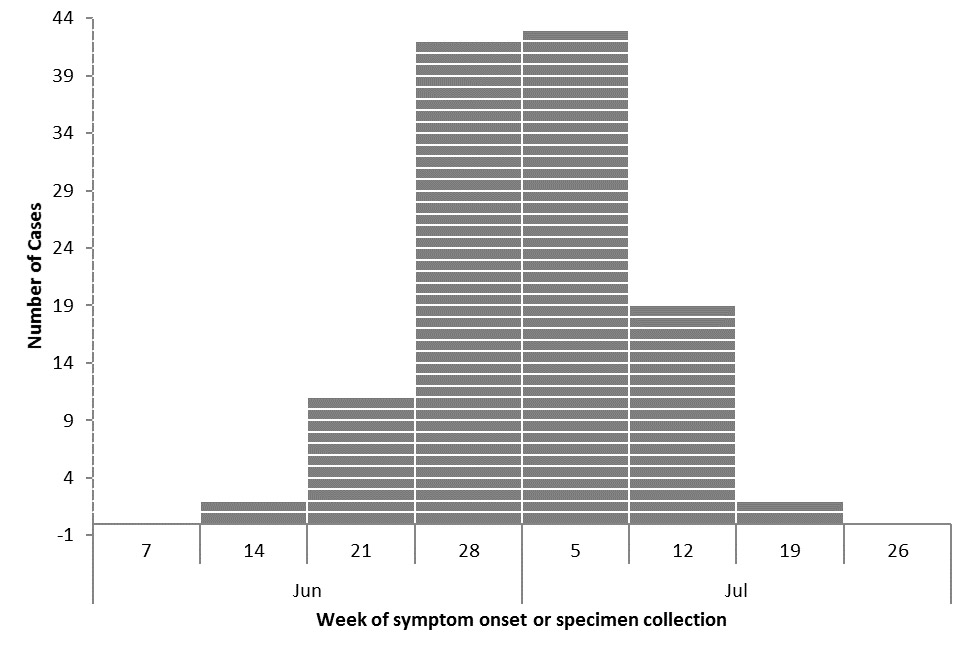
Individuals became sick between mid-June and mid-July 2020. Seventeen individuals have been hospitalized. No deaths have been reported. Individuals who became ill are between 3 and 100 years of age. The majority of cases (56%) are female.
Individuals who became ill reported eating red onions at home, in menu items ordered at restaurants and in residential care settings.
The Canadian Food Inspection Agency (CFIA) is conducting a food safety investigation and has issued related food recall warnings. Additional food recall warnings in Canada are possible. More information on recalled products is available on CFIA’s website.
The U.S. CDC is also investigating an outbreak of Salmonella Newport illnesses that have a similar genetic fingerprint to illnesses reported in this outbreak. Investigators in Canada and the U.S. continue to collaborate to exchange information and identify commonalities in the outbreak information that may identify additional sources of illness or help to identify the cause of contamination in the red onions.
It is possible that more recent illnesses may be reported in the outbreak because there is a period of time between when a person becomes ill and when the illness is reported to public health officials. For this outbreak, the illness reporting period is between two and four weeks.
Who is most at risk
Anyone can become sick with a Salmonella infection, but children aged 5 years and under, older adults, pregnant women or people with weakened immune systems are at higher risk for contracting serious illness.
Most people who become ill from a Salmonella infection will recover fully after a few days. It is possible for some people to be infected with the bacteria and to not get sick or show any symptoms, but to still be able to spread the infection to others.
What should you do to protect your health
Do not eat, use, sell or serve any red, white, yellow, and sweet yellow onions from Thomson International Inc., of Bakersfield, California, USA, or any products made with these onions. This advice applies to all individuals across Canada, as well as retailers, distributors, manufacturers and food service establishments such as hotels, restaurants, cafeterias, hospitals and nursing homes.
Advice to consumers
Individuals are asked to check their homes for red, white, yellow, and sweet varieties, including whole, sliced, or chopped onions, and any prepared foods that contain onions as an ingredient, such as premade salads, sandwiches, wraps, salsas or dips.
If you have onions at home:
Look for a label showing where the onion was grown. It may be printed on the package or on a sticker.
If the packaging or sticker shows that it is from Thomson International Inc., don’t eat it. Throw it away and wash your hands.
If it isn’t labeled, don’t eat it. Throw it away and wash your hands.
If you don’t know whether the onion found in a premade salad, sandwich, wrap, salsa or dip contains onions from Thomson International Inc., don’t eat it. Throw it away and wash your hands.
Wash and sanitize any surfaces that may have come in contact with onions or their packaging, such as countertops, fridge drawers, pantry shelves, knives, and cutting boards.
If you buy onions at grocery or convenience stores:
Make sure they are not selling onions from Thomson International Inc., or serving fresh foods prepared with them.
If you can’t confirm that the onion in stores is not from Thomson International Inc., don’t buy it.
If you order salad or any other food items containing onions at a restaurant or food establishment:
Ask the staff whether their onions come from Thomson International Inc. If they did, or they don’t know, don’t eat it.
Do not eat any recalled food products. Check to see if you have recalled food products at home. If you do, throw them out and wash your hands.
If you have been diagnosed with a Salmonella infection or any other gastrointestinal illness, do not cook food for other people.
Contact your local public health authority to report any food safety concerns at restaurants or grocery stores, or if you suspect food poisoning from a restaurant or other food establishments.
Advice to restaurants, retailers, suppliers and distributors
Check the label on bags or boxes of onions, or ask their suppliers about the source of their onions.
Do not ship or sell onions from Thomson International Inc. of Bakersfield, California, USA, or any products made with these onions.
Clean and sanitize all surfaces and storage bins that onions may have come in contact with, including cutting boards, countertops, slicers, utensils, and containers used to store or transport them.
Symptoms
Symptoms of a Salmonella infection, called salmonellosis, typically start 6 to 72 hours after exposure to Salmonella bacteria from an infected animal, person or contaminated product.
Symptoms include:
fever
chills
diarrhea
abdominal cramps
headache
nausea
vomiting
These symptoms usually last for 4 to 7 days. In healthy people, salmonellosis often clears up without treatment, but sometimes antibiotics may be required. In some cases, severe illness may occur and hospitalization may be required. People who are infected with Salmonella bacteria can be infectious from several days to several weeks. People who experience symptoms, or who have underlying medical conditions, should contact their health care provider if they suspect they have a Salmonella infection.
What is the Government of Canada doing
The Government of Canada is committed to protecting the health of Canadians from enteric disease outbreaks.
The Public Health Agency of Canada leads the human health investigation into an outbreak and is in regular contact with its federal, provincial and territorial partners to monitor the situation and to collaborate on steps to address an outbreak.
Health Canada provides food-related health risk assessments to determine whether the presence of a certain substance or microorganism poses a health risk to consumers.
The Canadian Food Inspection Agency conducts food safety investigations into the possible food source of an outbreak.
The Government of Canada will continue to update Canadians if new information related to this investigation becomes available.
Epidemiological information
Figure 1 is an epidemiological curve for this outbreak, which shows the numbers of new cases by week. Outbreak investigators use this information to show when illnesses begin, when they peak and when they trail off. It can take several weeks from the time a person becomes ill to when the illness is reported and testing confirms a link to the outbreak. Data are available for 119 cases.
Figure 1: Number of people infected with Salmonella NewportFigure 1 – Text Description