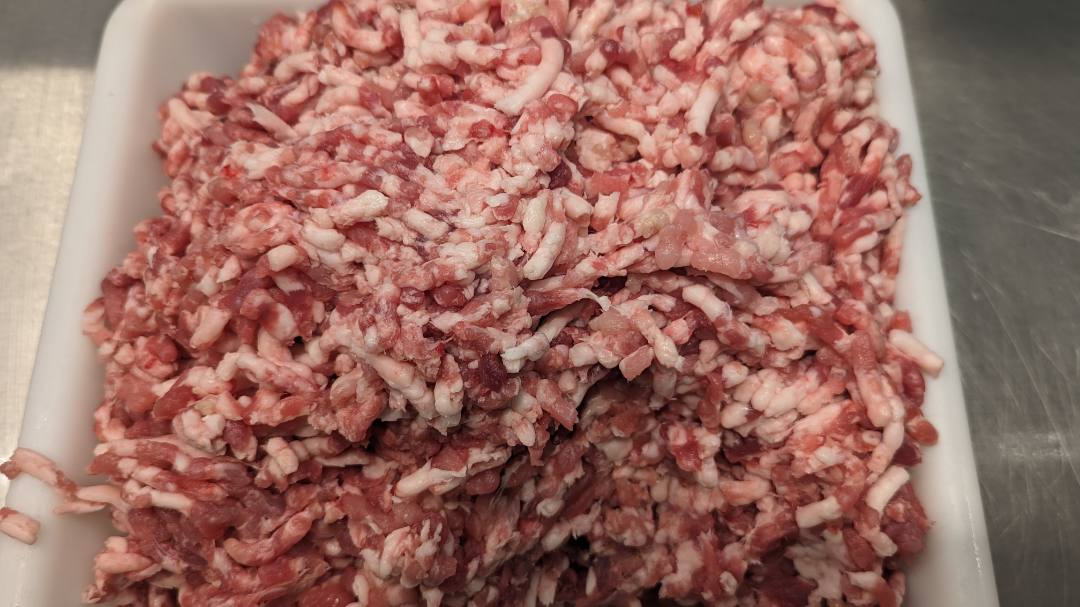
Category Archives: Food Technology

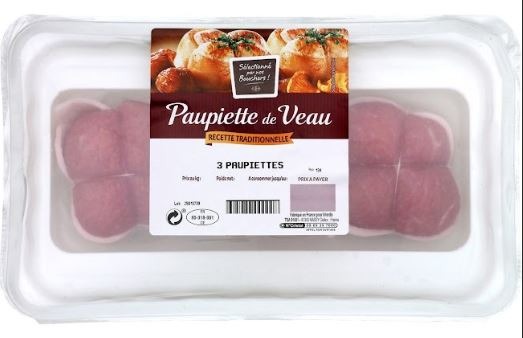
France – VEAL PAUPIETTE TRADITIONAL RECIPE – Salmonella

Gov France

Product category
Food
Product subcategory
Meats
Product brand name
CARREFOUR SELECTION OF OUR BUTCHER
Model names or references
PAUPIETTE TRADITIONAL VEAL RECIPE X6 PAUPIETTE TRADITIONAL VEAL RECIPE X3
Product identification
GTIN Batch Date
3384480018883 73613860 Use-by date 06/01/2024
3384480018883 73613860 Use-by date 05/01/2024
3384480018883 73613860 Use-by date 01/04/2024
3384480018883 73613860 Use-by date 03/01/2024
3384480018876 73613860 Use-by date 03/01/2024
3384480018876 73613860 Use-by date 01/04/2024
3384480018876 73613860 Use-by date 05/01/2024
Packaging
Tray x3 and x6
Start/end date of marketing
From 12/27/2023 to 01/03/2024
Storage temperature
Product to keep in the refrigerator
Health mark
FR 35.068.002 CE
Further information
Attention MARCHE SHARING: the products concerned bear the health stamp FR 35.068.002 CE
Geographical sales area
Whole France
Distributors
CROSSROADS
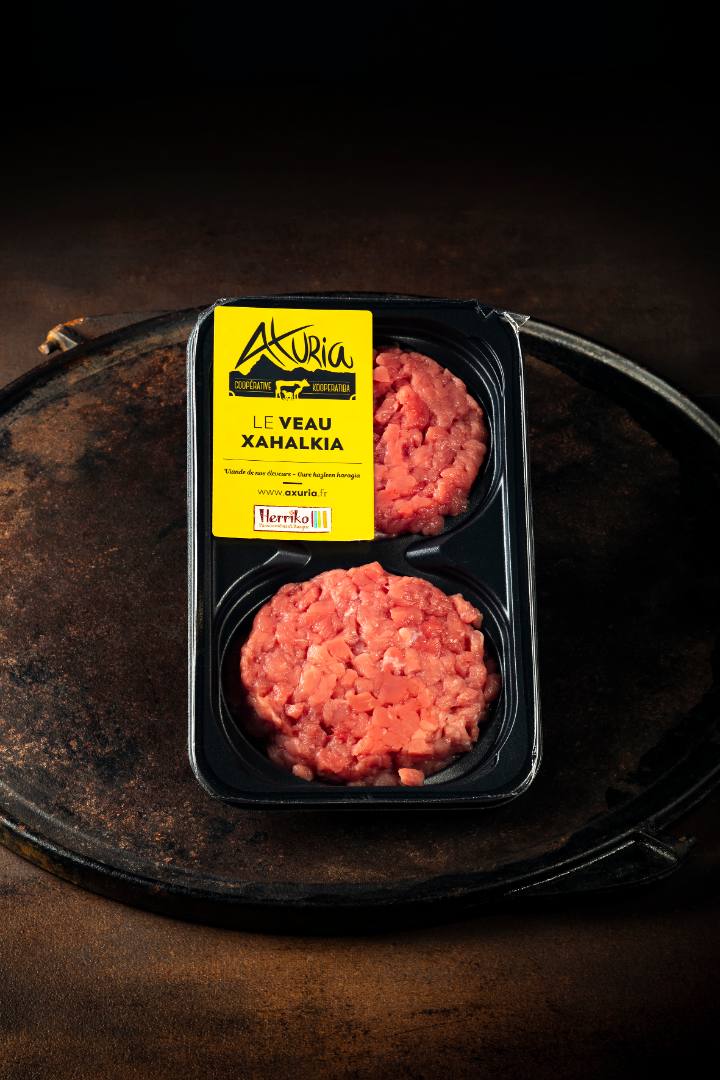
France – Minced veal – Salmonella

Gov France

Product category
Food
Product subcategory
Meats
Product brand name
AXURIA
Model names or references
Minced veal meat 150g x 8 in a protective atmosphere Minced veal meat DUO 240g in a protective atmosphere Minced veal meat large
Product identification
Batch Date
LOT 2023354B Use-by date 12/26/2023
LOT 2023354B Use-by date 12/27/2023
Packaging
TRAY UNDER PROTECTIVE ATMOSPHERE / VACUUM POCKET
Start/end date of marketing
From 12/20/2023 to 12/20/2023
Storage temperature
Product to keep in the refrigerator
Health mark
FR 64.188.001 CE
Geographical sales area
Regions: New Aquitaine
Distributors
No brand, individual and B2B customers

Research – ‘UK should break licensing impasse and maximise the potential of phages’

The Microbiologist

In a major new report the UK’s Science, Innovation & Technology Committee has called for steps to develop the potential of bacteria-killing viruses – called bacteriophages or phages for short – that can provide an alternative to antibiotics that are attracting growing resistance.

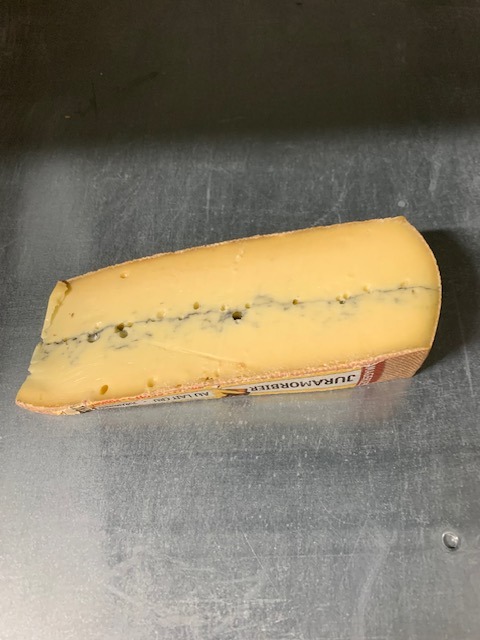
France – MORBIER JURAMORBIER RAW MILK – Listeria monocytogenes

Gov France

Product category
Food
Product subcategory
Milk and dairy products
Product brand name
Arnaud Cheese Shop
Model names or references
Morbier Juramorbier Raw Milk
Product identification
GTIN Batch Date
02053730 139295 Use-by date between 12/19/2023 and 12/31/2023
02053120 139295 Use-by date between 12/19/2023 and 12/31/2023
02553730 139295 Use-by date between 12/19/2023 and 12/31/2023
02553120 139295 Use-by date between 12/19/2023 and 12/31/2023
Packaging
Under film
Start/end date of marketing
From 09/12/2023 to 21/12/2023
Storage temperature
Product to keep in the refrigerator
Health mark
FR 39-434-001 CE
Further information
Products sold self-service and in the traditional aisle
Geographical sales area
LOGELBACH WINTZENHEIM
Distributors
E. LECLERC WINTZENHEIM

Research – Association between the Presence of Resistance Genes and Sanitiser Resistance of Listeria monocytogenes Isolates Recovered from Different Food-Processing Facilities

MDPI

Abstract

Sanitisers are widely used in cleaning food-processing facilities, but their continued use may cause an increased resistance of pathogenic bacteria. Several genes have been attributed to the increased sanitiser resistance ability of L. monocytogenes. This study determined the presence of sanitiser resistance genes in Irish-sourced L. monocytogenes isolates and explored the association with phenotypic sanitiser resistance. The presence of three genes associated with sanitiser resistance and a three-gene cassette (mdrLqacHemrEbcrABC) were determined in 150 L. monocytogenes isolates collected from Irish food-processing facilities. A total of 23 isolates contained bcrABC, 42 isolates contained qacH, one isolate contained emrE, and all isolates contained mdrL. Additionally, 47 isolates were selected and grouped according to the number and type of resistance genes, and the minimal inhibitory concentration (MIC) of these isolates for benzalkonium chloride (BAC) was determined experimentally using the broth microdilution method. The BAC resistance of the strain carrying the bcrABC gene cassette was significantly higher than that of strains lacking the gene cassette, and the BAC resistance of the strain carrying the qacH gene was significantly higher than that of strains lacking the qacH gene (p < 0.05). Isolates harbouring both the qacH and bcrABC genes did not show higher BAC resistance. With respect to environmental factors, there was no significant difference in MIC values for isolates recovered from different processing facilities. In summary, this investigation highlights the prevalence of specific sanitiser resistance genes in L. monocytogenes isolates from Irish food-processing settings. While certain genes correlated with increased resistance to benzalkonium chloride, the combination of multiple genes did not necessarily amplify this resistance.

Research – Machine learning is set to speed up the detection of contamination in food factories

Techcrunch

The factories that process our food and beverages (newsflash: no, it doesn’t come straight from a farm) have to be kept very clean, or we’d all get very ill, to be blunt. Ensuring that usually entails deploying petri-dish-based microbiological monitoring, hardware and waiting for tests to return from labs. A new startup has plans to use deep-learning algorithms to speed up this process.

Spore.Bio is a French startup that has developed a new pathogen-detection methodology. It works by shining an optical light on surfaces where clean food has been, and doing the same with unclean food. It then compares the two datasets to detect when a surface is not clean.

Off the back of this solution, it’s now raised €8 million in pre-seed funding led by London’s LocalGlobe VC. Also participating was EmergingTech Ventures, No Label Ventures, Famille C (Clarins Family Office), Better Angle, Plug & Play Ventures, Entrepreneur First, Kima Ventures, Raise Sherpas, Fair Equity, Sharpstone Capital and angels.

Research -High technology is the key to detecting foodborne outbreaks over space and time

Lex Blog

Most people think of foodborne illness outbreaks as spanning a few days or weeks. But, with current technology, disease detectives can find patients of a single outbreak spread across several years and multiple states.

That is the case with an ongoing outbreak of Listeria illnesses linked to fresh peaches that began in 2018. So far, 11 patients have been identified, most recently found in August this year. One of the patients died. Recent recalls of peaches, nectarines, and plums have been initiated while public health officials continue investigating the outbreak.

The links between people sickened in the outbreak this year and the initial patient in 2018 were made possible using whole genome sequencing (WGS). Whole genome sequencing has been likened to fingerprinting used in criminal investigations, but WGS allows the Centers for Disease Control and Prevention to look at millions of pieces of data.

“WGS examines more than 4.5 million ‘letters’ of the genetic code in disease-causing bacteria such as Salmonella. Bacteria closely related by WGS are more likely to have originated from the same source than more distantly related bacteria,” said John Besser, who retired in 2019 as Deputy Chief of the Enteric Diseases Laboratory Branch at the CDC. He continues to work on CDC-related projects through the Association of Public Health Laboratories.

“Ill persons in a WGS cluster will likely have shared exposure, such as a contaminated food product. By focusing on WGS clusters, investigators can detect outbreaks when they are small, even if cases are dispersed over multiple states or widely separated in time.”

Research – Lightning sparks scientists’ design of ultraviolet-C device for food sanitization

News Illinois

Scientists at the University of Illinois Urbana-Champaign have developed a portable, self-powered ultraviolet-C device called the Tribo-sanitizer that can inactivate two of the bacteria responsible for many foodborne illnesses and deaths.

Research – Validation of a Bacteriophage Hide Application to Reduce STEC in the Lairage Area of Commercial Beef Cattle Operations

MDPI

Abstract

Finalyse, a T4 bacteriophage, is a pre-harvest intervention that utilizes a combination of bacteriophages to reduce incoming Escherichia coli O157:H7 prevalence by destroying the bacteria on the hides of harvest-ready cattle entering commercial abattoirs. The objective of this study was to evaluate the efficacy of Finalyse, as a pre-harvest intervention, on the reduction in pathogens, specifically E. coli O157:H7, on the cattle hides and lairage environment to overall reduce incoming pathogen loads. Over 5 sampling events, a total of 300 composite hide samples were taken using 25 mL pre-hydrated Buffered Peptone Water (BPW) swabs, collected before and after the hide wash intervention, throughout the beginning, middle, and end of the production day (n = 10 swabs/sampling point/timepoint). A total of 171 boot swab samples were also simultaneously taken at the end of the production day by walking from the front to the back of the pen in a pre-determined ‘Z’ pattern to monitor the pen floor environment from 3 different locations in the lairage area. The prevalence of pathogens was analyzed using the BAX® System Real-Time PCR Assay. There were no significant reductions observed for Salmonella and/or any Shiga toxin-producing E. coli (STEC) on the hides after the bacteriophage application (p > 0.05). Escherichia coli O157:H7 and O111 hide prevalence was very low throughout the study; therefore, no further analysis was conducted. However, boot swab monitoring showed a significant reduction in E. coli O157:H7, O26, and O45 in the pen floor environment (p < 0.05). While using Finalyse as a pre-harvest intervention in the lairage areas of commercial beef processing facilities, this bacteriophage failed to reduce E. coli O157:H7 on the hides of beef cattle, as prevalence was low; however, some STECs were reduced in the lairage environment, where the bacteriophage was applied. Overall, an absolute conclusion was not formed on the effectiveness of Finalyse and its ability to reduce E. coli O157:H7 on the hides of beef cattle, as prevalence on the hides was low.

France – Ground beef sold in the traditional butcher section – Salmonella

Gov France

Product category
Food
Product subcategory
Meats
Product brand name
unbranded
Model names or references
Bulk ground beef ground on demand
Product identification
Batch
Bulk sale between 11/13/2023 and 11/24/2023
Packaging
Bulk – sold in the traditional butcher’s department
Start/end date of marketing
From 11/13/2023 to 11/24/2023
Storage temperature
Product to keep in the refrigerator
Geographical sales area
Whole France
Distributors
Tang Frères store located 48 avenue d’Ivry 75013 Paris