Food processing environment flooring can become contaminated with pathogens in many ways including foot and equipment traffic, incoming materials, and floor drain backups. Natural antimicrobial turmeric and commercially available powdered floor treatments may reduce the levels of pathogens on flooring thereby reducing the risk of cross contamination from the floor to food contact surfaces. These chemicals were evaluated to determine their effectiveness against cocktails of Salmonella , Escherichia coli , and Listeria monocytogenes dried onto the surfaces of carriers made from polyurethane-concrete commercial flooring material. Aqueous test solutions were prepared from the minimum treatment required per m 2 from the manufacturer’s instructions diluted in sterile water. Potential synergy between turmeric and a percarbonate based commercial floor treatment was explored with a mixture of turmeric and sodium percarbonate, each at approximately 37g/m 2 application rate. Each inoculated carrier was exposed to the treatment solutions or a sterile water control for 10 minutes at room temperature, neutralized with Hi-Cap neutralizing broth, the bacteria suspended, enumerated, and log 10 reductions calculated for each treatment and inoculum combination. Mean log 10 CFU/carrier reductions with standard deviations ranged between 4.29±0.34 for the sodium percarbonate (SPC) based treatment and 0.004±0.23 for turmeric for Salmonella , 4.81±0.16 for SPC based treatment and -0.16±0.62 for turmeric for E. coli , and 4.88±0.6 for SPC based treatment and -0.16±0.15 for turmeric for L. monocytogenes .
Today, the U.S. Food and Drug Administration is alerting the public that several categories of FDA-regulated products purchased from Jan. 1, 2021, through the present from Family Dollar stores in Alabama, Arkansas, Louisiana, Mississippi, Missouri and Tennessee may be unsafe for consumers to use. The impacted products originated from the company’s distribution facility in West Memphis, Arkansas, where an FDA inspection found insanitary conditions, including a rodent infestation, that could cause many of the products to become contaminated. The FDA is working with the company to initiate a voluntary recallExternal Link Disclaimer of the affected products.
“Families rely on stores like Family Dollar for products such as food and medicine. They deserve products that are safe,” said Associate Commissioner for Regulatory Affairs Judith McMeekin, Pharm.D. “No one should be subjected to products stored in the kind of unacceptable conditions that we found in this Family Dollar distribution facility. These conditions appear to be violations of federal law that could put families’ health at risk. We will continue to work to protect consumers.”
This alert covers FDA-regulated products purchased from Family Dollar stores in those six states from Jan. 1, 2021, through the present. Some examples of these products include human foods (including dietary supplements (vitamin, herbal and mineral supplements)), cosmetics (skincare products, baby oils, lipsticks, shampoos, baby wipes), animal foods (kibble, pet treats, wild bird seed), medical devices (feminine hygiene products, surgical masks, contact lens cleaning solutions, bandages, nasal care products) and over-the-counter (OTC) medications (pain medications, eye drops, dental products, antacids, other medications for both adults and children).
Consumers are advised not to use and to contact the company regarding impacted products. The agency is also advising that all drugs, medical devices, cosmetics and dietary supplements, regardless of packaging, be discarded. Food in non-permeable packaging (such as undamaged glass or all-metal cans) may be suitable for use if thoroughly cleaned and sanitized. Consumers should wash their hands immediately after handling any products from the affected Family Dollar stores.
Consumers who recently purchased affected products should contact a health care professional immediately if they have health concerns after using or handling impacted products. Rodent contamination may cause Salmonella and infectious diseases, which may pose the greatest risk to infants, children, pregnant women, the elderly and immunocompromised people.
Following a consumer complaint, the FDA began an investigation of the Family Dollar distribution facility in West Memphis, Arkansas, in January 2022. Family Dollar ceased distribution of products within days of the FDA inspection team’s arrival on-site and the inspection concluded on Feb. 11. Conditions observed during the inspection included live rodents, dead rodents in various states of decay, rodent feces and urine, evidence of gnawing, nesting and rodent odors throughout the facility, dead birds and bird droppings, and products stored in conditions that did not protect against contamination. More than 1,100 dead rodents were recovered from the facility following a fumigation at the facility in January 2022. Additionally, a review of the company’s internal records also indicated the collection of more than 2,300 rodents between Mar. 29 and Sep. 17, 2021, demonstrating a history of infestation.
Studies on trimethylamine (TMA) in egg yolk have focused on how it impacts the flavor of eggs, but there has been little focus on its other functions. We designed an in vitro antibacterial test of TMA according to TMA concentrations that covered the TMA contents typically found in egg yolk. The change in TMA content in yolk was analyzed at different storage temperatures and for different storage durations. The known antibacterial components of eggs, including the cuticle quality of the eggshell and the lysozyme activity and content in egg white, were also assessed. The total bacterial count (TBC) of different parts of eggs were detected. The results showed that the inhibitory effect of TMA on Escherichia coli (E. coli) growth increased with increasing TMA concentration, and the yolk TMA content significantly increased with storage duration (p < 0.05). The cuticle quality and lysozyme content and activity significantly decreased with storage time and increasing temperature, accompanied by a significant increase in the TBC on the eggshell surface and in the egg white (p < 0.05). This work reveals a new role for trace TMA in yolks because it reduces the risk of bacterial colonization, especially when the antibacterial function of eggs is gradually weakened during storage.
Strawberries are an important fruit in Belgium both in production and consumption, but little information is available about the presence of Salmonella and STEC in these berries, the risk factors in agricultural production and possible specific mitigation options. In 2012, a survey was undertaken of three soil and three soilless cultivation systems in Belgium. No Salmonella spp. was isolated. No STEC was detected in the strawberry samples (0 out of 72), but STEC was detected by qPCR in 11 out of 78 irrigation water and 2 out of 24 substrate samples.
Culture isolates were obtained for 2 out of 11 qPCR positive irrigation water samples and 2 out of 2 substrate samples. Multivariable logistic regression analysis revealed elevated generic E. coli numbers (odds ratio (OR) for 1 log increase being 4.6) as the most important risk factor for STEC, together with the berry picking season (elevated risk in summer).
Presence of generic E. coli in the irrigation water (≥ 1 cfu per 100 ml) was mainly influenced by the type of irrigation water (collected rainfall water stored in ponds was more often contaminated than ground water pumped from boreholes (OR = 5.8)) and the lack of prior treatment (untreated water versus water subjected to sand filtration prior to use (OR = 19.2)).
The follow-up study in 2013 at one of the producers indicated cattle as the most likely source of STEC contamination of the irrigation water.
Bacillus cereus spores have the ability to adhere to solid surfaces, including stainless steel, a material widely used in food industries. Adhesion of spores allows for recontamination during food processing, and the cleaning and disinfection are largely used by industries to control them. Hence, this study aims to assess the detachment capacity (or removing activity) of sodium hydroxide, nitric acid, phosphoric acid-based detergent, chlorine-based detergent; against two adhered Bacillus cereus spores (hydrophobic strain and hydrophilic strain) to stainless steel surfaces. Microorganism adhesion on the surfaces reached 5.5 log CFU/cm² the two strain studied. Two protocols composed of combinations of chemical compounds concentration, temperature, and contact time were tested. The inactivation kinetics shapes were convex and were modelled by the Weibull model. The effect of temperature and biocide concentration were quantified using a Bigelow like model. The temperature applied during of treatment of the cleaning in place is an important factor acting on the speed of inactivation or detachment of Bacillus cereus spores. However, this efficiency depends on the hydrophobic characteristics of Bacillus cereus spores. The concentration of detergent and acid also affects the inactivation rate. The inactivation rate, whereas the character of hydrophobic does not intervene for the chlorine alkaline treatments.
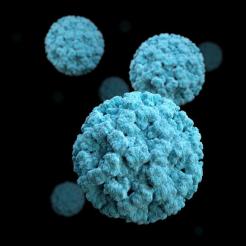
Human noroviruses (HuNoVs) are a major cause of gastroenteritis and are associated with high morbidity because of their ability to survive in the environment and small inoculum size required for infection. Norovirus is transmitted through water, food, high touch-surfaces, and human-to-human contact. Ultraviolet Subtype C (UVC) light-emitting diodes (LEDs) can disrupt the norovirus transmission chain for water, food, and surfaces. Here, we illuminate considerations to be adhered to when picking norovirus surrogates for disinfection studies and shine light on effective use of UVC for norovirus infection control in water and air and validation for such systems and explore the blind spot of radiation safety considerations when using UVC disinfection strategies. This perspective also discusses the promise of UVC for norovirus mitigation to save and ease life.
A study was conducted to evaluate a new organic produce wash composed of a combination of organic acids and hydrogen peroxide, in the form of a mixed peroxyacid solution, against foodborne pathogens. The mixed peroxyacid, composed of lactic acid, hydrogen peroxide and one or more fruit acids, was challenged against Salmonella enterica, E. coli O157:H7, or Listeria monocytogenes in suspension or on the surface of dip-inoculated cherry tomatoes. Cherry tomatoes were also treated with 8 ppm of free chlorine added in the form of sodium hypochlorite (NaOCL). When tested against planktonic cells in pure culture for 120 s, Salmonella, and E. coli O157:H7 were reduced by 7.5 and 7.1 log cycles with 0.40% of the peroxyacid solution, respectively, while L. monocytogenes decreased by 5.0 log by treatment with a 0.80% solution. When cherry tomatoes were dip-inoculated and treated with 8 ppm free chlorine, Salmonella and E. coli O157:H7 populations decreased by 2.5 and 2.6 log, respectively, which were not significantly different than reductions incurred by sterile water rinses. A 1.0% solution of peroxyacid solution, however, reduced the same microorganisms by 3.8 and 3.4 log per tomato, respectively, which was significantly greater ( P < 0.05) than reductions achieved by the 2 min sterile water rinse. When dip-inoculated with L. monocytogenes, and treated, populations were reduced by 3.5 log per tomato with 1.0% peroxyacid solution which was greater ( P < 0.05) than reductions achieved by 8 ppm free Cl (2.6 log) or sterile water (1.7 log). Results demonstrate that this peroxyacid combination antimicrobial wash may be an effective organic produce wash for preventing cross-contamination during the washing of cherry tomatoes, as well as being capable of inactivating up to 3.8, 3.4, and 3.5 log per tomato of S. enterica, E. coli O157:H7 and L. monocytogenes , respectively.
Oregano essential oil (OEO) is an effective natural antibacterial agent, but its antibacterial activity against Vibrio vulnificus has not been widely studied. The aim of this study was to investigate the inhibitory effect and germicidal activity of OEO on V. vulnificus and its possible inhibition mechanism. The minimum inhibitory concentrations (MICs) and minimum bactericidal concentrations (MBCs) of OEO against four V. vulnificus strains (ATCC 27562 and three isolates from seafoods) were from 0.06 to 0.15 μL/mL. Compared with untreated bacteria, OEO reduced the concentration of intracellular adenosine triphosphate (ATP), hyperpolarized the cell membrane, increased the level of reactive oxygen species (ROS), and increased the concentration of intracellular malondialdehyde (MDA), but there was no obvious DNA damage at the OEO test concentration. It was indicated that OEO inactivated V. vulnificus by generating ROS which caused lipid peroxidation of cell membranes, thereby reducing the permeability and integrity of cell membranes and causing morphological changes to cells, but there was no obvious damage to DNA. In addition, OEO could effectively kill V. vulnificus in oysters at 25 °C, and the number of bacteria decreased by 48.2% after 0.09% OEO treatment for 10 h. The good inhibitory effect and bactericidal activity of OEO showed in this study, and the economy and security of OEO make it possible to apply OEO to control V. vulnificus contamination in oysters and other seafoods. View Full-Text
Phenolic compounds (PC) affect many metabolic processes of microbes; however, there is no information about their effectiveness when these act in combination with low temperatures for the control of Escherichia coli pathotypes. In this study, four PC, (tannic acid [TA], gallic acid [GA], methyl gallate [MG], and epigallocatechin gallate [EG]) in combination with cold shock (CS, 10°C) were evaluated for their effect on growth, swarming motility, biofilm formation, and expression of selected virulence-related genes of E. coli pathotypes [enteropathogenic (EPEC), enterohemorrhagic (EHEC), and enterotoxigenic (ETEC)]. Sub-inhibitory concentrations of the PC were used alone (37°C) or in combination with CS. For CS assays, E. coli strains were grown at 37°C until mid-log phase and then subjected to 10°C for 4 hr. Membrane damage was determined by flow cytometry; swarming motility was measured on soft-LB agar, biofilm formation was analyzed by crystal violet staining, and gene expression of CS, biofilm, and swarming motility related-genes was determined by qPCR. Sub-inhibitory concentrations of the PC did not affect the viability of the strains. The combination of CS + TA provoked the highest (p ≤ .05) mortality in all pathotypes. CS + GA inhibited (100%) the motility of EHEC and ETEC. PC and CS + PC reduced (p ≤ .05) biofilm formation. The combination of PC and CS affected virulence factors and their gene expression of pathogenic E. coli presenting a novel alternative for its control in foods.
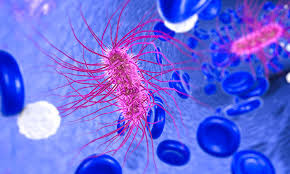
A team of undergraduates at the University of California-Santa Cruz has developed a system called Progenie that’s designed to target and eliminate a toxic gene found in Shiga toxin-producing E. coli.
The team’s method provides an alternative to antibiotics commonly used in agriculture. This new method is designed in part to stop the rise of drug-resistant bacteria.
The team’s project won a gold medal at the International Genetically Engineered Machine (iGEM) Jamboree, an annual competition that brings together student teams from around the world to present synthetic biology projects that aim to address pressing global issues.
At the jamboree, teams are judged on their virtual project posters, wiki pages, and video presentations. Teams are awarded gold medals if they demonstrate excellence across multiple categories.







 FoodWorld