Archives
-
Join 346 other subscribers
KSWFoodWorld
Blog Stats
- 449,806 Views
Category Archives: Food Spoilage
Research – Microbial Spoilage of Traditional Goose Sausages Produced in a Northern Region of Italy
Recently, during the ripening of goose sausage, a defect consisting of ammonia and vinegar smell was noticed. The producer of the craft facility, located in Lombardia, a Northern region of Italy, asked us to identify the cause of that defect. Therefore, this study aimed to identify the potential responsible agents for the spoilage of this lot of goose sausages. Spoilage was first detected by sensory analysis using the “needle probing” technique; however, the spoiled sausages were not marketable due to the high ammonia and vinegar smell. The added starter culture did not limit or inhibit the spoilage microorganisms, which were represented by Levilactobacillus brevis, the predominant species, and by Enterococcus faecalis and E. faecium. These microorganisms grew during ripening and produced a large amount of biogenic amines, which could represent a risk for consumers. Furthermore, Lev. brevis, being a heterofermentative lactic acid bacteria (LAB), also produced ethanol, acetic acid, and a variation in the sausage colour. The production of biogenic amines was confirmed in vitro. Furthermore, as observed in a previous study, the second cause of spoilage can be attributed to moulds which grew during ripening; both the isolated strains, Penicillium nalgiovense, added as a starter culture, and P. lanosocoeruleum, present as an environmental contaminant, grew between the meat and casing, producing a large amount of total volatile nitrogen, responsible for the ammonia smell perceived in the ripening area and in the sausages. This is the first description of Levilactobacillus brevis predominance in spoiled goose sausage.
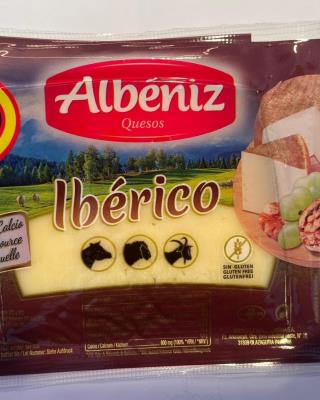
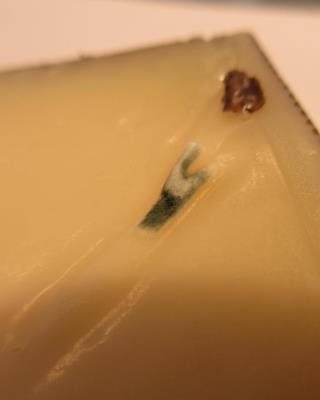
Czech Republic – Albéniz Quesos Ibérico – Visible Mould


Invalid parameter:
fungi visible to the eye
There was greenish mold on the surface of the food under the intact packaging. Food is not considered safe if it shows signs of spoilage.
Unsuitable storage temperatures for this food were not detected during the inspection. The food did not have an expiration date.
| Batch: | 2423055 |
| Expiration date: | Use by: 24/02/2024 |
| Packaging: | PP packaging |
| Quantity of the product in the package: | 0.15 kg |
| Date of sample collection: | 6/26/2023 |
| Reference number: | 23-000500-SZPI-CZ |
The sample was detected by the official control of the State Agricultural and Food Inspection.
Posted in food contamination, food handler, Food Hazard, Food Hygiene, Food Inspections, Food Micro Blog, Food Microbiology, Food Microbiology Blog, Food Microbiology Testing, Food Poisoning, Food Quality, food recall, Food Safety, Food Safety Alert, Food Safety Management, Food Safety Regulations, Food Spoilage, Food Temperature Abuse, Food Testing, Food Toxin, Mould Toxin, Mould/Mold, Moulds, Potravinynapranyri, Visible Mould/Mold
RASFF Alert – Fungi in Turkish Bread
Fungi – Turkish bread in Germany and the Netherlands
RASFF Alerts – Mold/Mould-
Abnormal presence of mouldy yeasts in ewe’s milk yoghurts from France in Denmark and Belgium
Almonds from USA with parasites and molds Aspergillus niger in Italy
Mold in pepper sauce from Sweden in Denmark
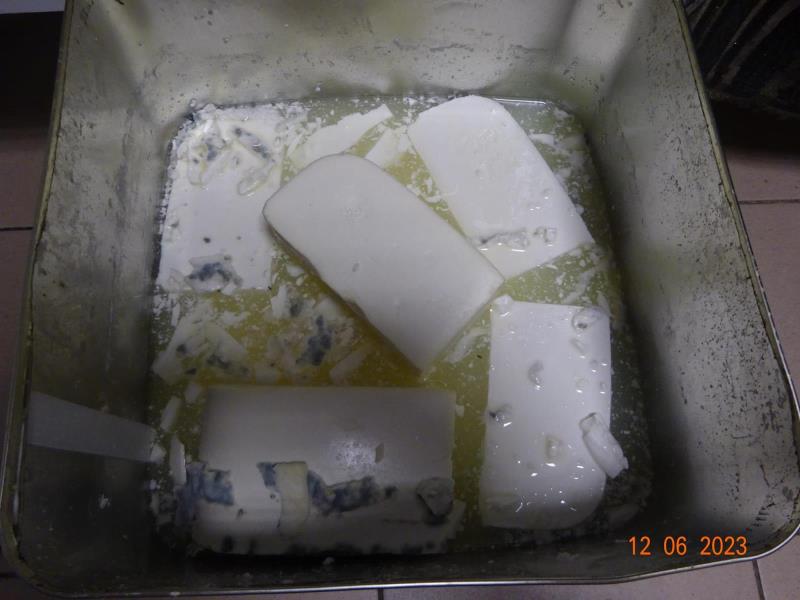
Czech Republic – Raw material for food production- cheese

Place of inspection:
ID: 18046789
Food group: Milk and milk products / Dairy products – alternatives
Raw material for food production
Category: Dangerous foods
Invalid parameter:
fungi visible to the eye
It was a raw material for a food product that was stored under unfavorable temperature conditions.
There were colonies of mold on the surface of the food. Food is not considered safe if it shows signs of spoilage.
| Best before date: | 15 02 2024 |
| Packaging: | tin box + color label (open package) |
| Date of sample collection: | 12/06/2023 |
| Reference number: | 23-000469-SZPI-CZ |
The sample was detected by the official control of the State Agricultural and Food Inspection.
Posted in food contamination, food handler, Food Hazard, Food Hygiene, Food Micro Blog, Food Microbiology, Food Microbiology Blog, Food Microbiology Testing, Food Quality, food recall, Food Safety, Food Safety Alert, Food Safety Management, Food Safety Regulations, Food Spoilage, mold, Mold Toxin, Mould/Mold, Visible Mould/Mold
Denmark – Mold in organic acidified oat product
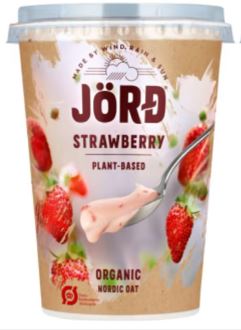
JÖRD International A/S is recalling JÖRD organic acidified oat product with strawberries, as there is a risk of mold in the product. Mold makes the oat product unsuitable as food.
If you have the product, you should discard it or return it to the store where it was purchased.
JÖRD organic acidified oat product with strawberries
Net content: 400g
Production date: June 22, 2023
Best before date: 3 August 2023
Batch no: ES23254001
Posted in food contamination, food handler, Food Hazard, Food Hygiene, Food Micro Blog, Food Microbiology, Food Microbiology Blog, Food Microbiology Research, Food Microbiology Testing, Food Quality, food recall, Food Safety, Food Safety Alert, Food Safety Management, Food Safety Regulations, Food Spoilage, mold, Mould/Mold
Denmark – Mold/Mould in pepper sauce

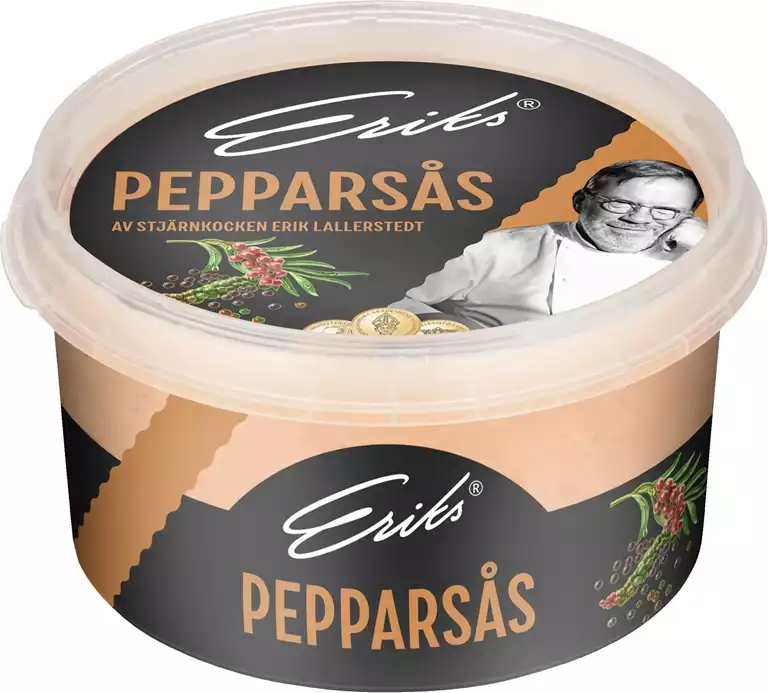
Deli Drengene ApS is recalling pepper sauce as mold has been found on the inside of the lid. Mold in the product makes the product unsuitable as food.
If you have the product, you should discard it or return it to the store where it was purchased
Which food is recalled
Erik’s pepper sauce
Net weight: 230 ml.
Best before: 22-09-2023
EAN barcode: 7350042720040
Where is the product sold
The product is sold at : Supermarkets throughout the country, Woltmarked in Aalborg, Odense and Copenhagen, at Mad & Vin (Magasin København) and at Slagter Theilgaard.
In addition, the product is sold at the following webshops : Kødboxen.dk, Kødsnedkeren.dk (online and in store) and at Steakout.dk
Why is the product being recalled?
The company has established that there is a risk of mold forming in the product. The presence of mold makes the product unsuitable as food.
What should you do as a consumer?
If you have the product, you should discard it or return it to the store where it was purchased.
Who recalls the product
Deli Drengene ApS
Mileparken 10D
2740 Skovlunde
Posted in food contamination, food handler, Food Hazard, Food Hygiene, Food Inspections, Food Micro Blog, Food Microbiology, Food Microbiology Blog, Food Microbiology Testing, Food Quality, food recall, Food Safety, Food Safety Alert, Food Safety Management, Food Safety Regulations, Food Spoilage, Food Testing, Mould/Mold, Moulds, Visible Mould/Mold
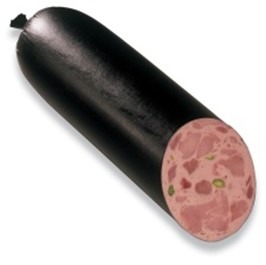
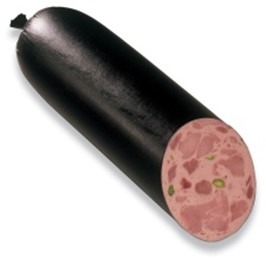
France – Various Ham Sausage Products – Mold/Mould
Posted in food contamination, food handler, Food Hazard, Food Hygiene, Food Inspections, Food Micro Blog, Food Microbiology, Food Microbiology Blog, Food Microbiology Testing, Food Quality, food recall, Food Safety, Food Safety Alert, Food Safety Management, Food Safety Regulations, Food Spoilage, Food Temperature Abuse, Food Testing, Mould/Mold, Moulds, Visible Mould/Mold
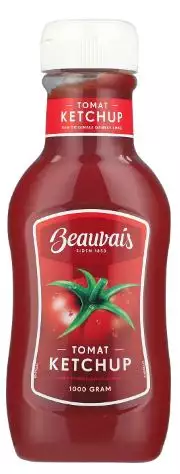
Netherlands – Lactic acid bacteria in ketchup

Orkla Food Denmark is recalling Beauvais Tomato Ketchup, 1000g, as there is a risk of lactic acid bacteria in the product. The lactic acid bacteria can affect the consistency and taste of the ketchup, making it unsuitable as food.
If you have the product, you should discard it or return it to the store where it was purchased.
Which food is recalled
Beauvais Tomato Ketchup
Net content: 1000g
Best-before dates: 29.06.2025, 02.07.2025 and 01.07.2025
Lot numbers: 154603, 156306 and 154602
Where is the product sold
The product is sold in grocery stores throughout the country
Why is the product being recalled?
Due to a manufacturing error, there is a risk of lactic acid bacteria in the product.
The lactic acid bacteria make the product unsuitable as food, as the bacteria can affect the consistency and give the tomato ketchup a sour taste.
What should you do as a consumer?
The Danish Veterinary and Food Administration advises consumers to return the product to the store where it was purchased or to discard it.
Who recalls the product
Orkla Food Danmark A/S
Deltapark 45
2665 Vallensbæk
Posted in food contamination, food handler, Food Hygiene, Food Inspections, Food Micro Blog, Food Microbiology, Food Microbiology Blog, Food Microbiology Testing, Food Quality, food recall, Food Safety, Food Safety Alert, Food Safety Management, Food Safety Regulations, Food Spoilage, Food Testing, lactic acid bacteria, Lactobacillus
RASFF Alert – Mold/Mould – Air Dried Sausage
Mold growth on air-dried ready-to-eat sausage from Spain in Denmark
Posted in food contamination, food handler, Food Hazard, Food Hygiene, Food Inspections, Food Micro Blog, Food Microbiology, Food Microbiology Blog, Food Microbiology Testing, Food Quality, food recall, Food Safety, Food Safety Alert, Food Safety Management, Food Safety Regulations, Food Spoilage, Food Temperature Abuse, Food Testing, mold, Mold Toxin, Mould/Mold, RASFF, Visible Mould/Mold