Category Archives: food safety training

Research – Global commodity chains: The numerous stations to greater feed and food safety

BFR

How can the origin of foodborne disease outbreaks be identified and traced? How is information on the history of food and feed collected, processed and used for risk assessment? And which role does artificial intelligence play for food safety in global commodity chains? These are some of the questions that will be addressed during the international conference “Global commodity chains from a risk assessment perspective” from 27 to 29 May 2024. The German Federal Institute for Risk Assessment (BfR), which has been working on the topic of global commodity chains for a long time, is the organiser of this event and is offering a platform for (inter)national experts to learn from each other. “Analysing global commodity chains and their dynamics is of central importance for consumer health protection. Thanks to regular exchanges with national and international stakeholders, the BfR is gathering more and more knowledge about global commodity chains and their risks for feed and food safety”, says BfR president Professor Dr Dr Dr h.c. Andreas Hensel. The event will focus on innovative techniques and digital solutions for integrating data and knowledge about hazards, exposures and technologies in global commodity chains.

Programme and registration: https://www.bfr-akademie.de/english/gwk2024.html

Over the three days of the conference, international experts from the fields of feed and food chains, digitalisation and consumer health protection will come together to exchange views on current developments. The aim is to develop visions for improved risk assessment along the feed and food chain. The importance of the topic of commodity chains will be considered from different perspectives.

Nine different sessions will focus on topics such as traceability, fraud, food safety, early warning, technologies, analytical methods and classification systems along the global supply chain. Participants from all over the world will give presentations and share their knowledge.

The conference will be opened by guest perspectives of representatives of authorities from France (Agence nationale de sécurité sanitaire de l’alimentation, de l’environnement et du travail, ANSES) and South Korea (National Institute of Food and Drug Safety Evaluation, NIFDS). The exchange between the BfR and the two partner institutions takes place every two years on specific key topics of risk assessment, this year as part of the commodity chain conference.

RASFF Alert- Vibrio vulnificus – Frozen Prawns

RASFF

Vibrio vulnificus in frozen prawns  from Ecuador in France

Serve Summer Safe with Food Safety Tips from USDA

FSIS USDA

Memorial Day weekend is the official kickoff for summer, and as the weather heats up, so do the number of meals that will be served outside. Whether you’re eating with friends at the pool or family in a backyard cookout, food should be served safe to avoid foodborne illness. As you start to plan your outdoor activities and meals, the U.S. Department of Agriculture’s (USDA) Food Safety and Inspection Service is offering food safety tips to keep you safe from foodborne illness.

“The bacteria that cause foodborne illness love the summertime as much as we do because they thrive and multiply quickly in warmer temperatures. This causes illnesses to spike during the summer,” said Under Secretary for Food Safety Dr. Emilio Esteban. “As we all spend more time outside, it is important to remember these food safety steps to keep your friends and family safe.”

Italy – BEAUTY MIX bucket KG.1 – Aflatoxin

Salute

Brand : FORLIVESE

Name : BEAUTY MIX bucket KG.1

Reason for reporting : Recall due to chemical risk

Publication date : 23 May 2024

Documentation

Documentation

Hong Kong – Beef Burger Food Safety

CFS

This set of guidelines is intended for food businesses
that prepare and sell beef burgers, including those
take-away shops or restaurants receiving orders
through mobile apps. It aims to help food premises
implement appropriate food safety measures in the
course of food preparation to produce and sell safe
beef burgers.

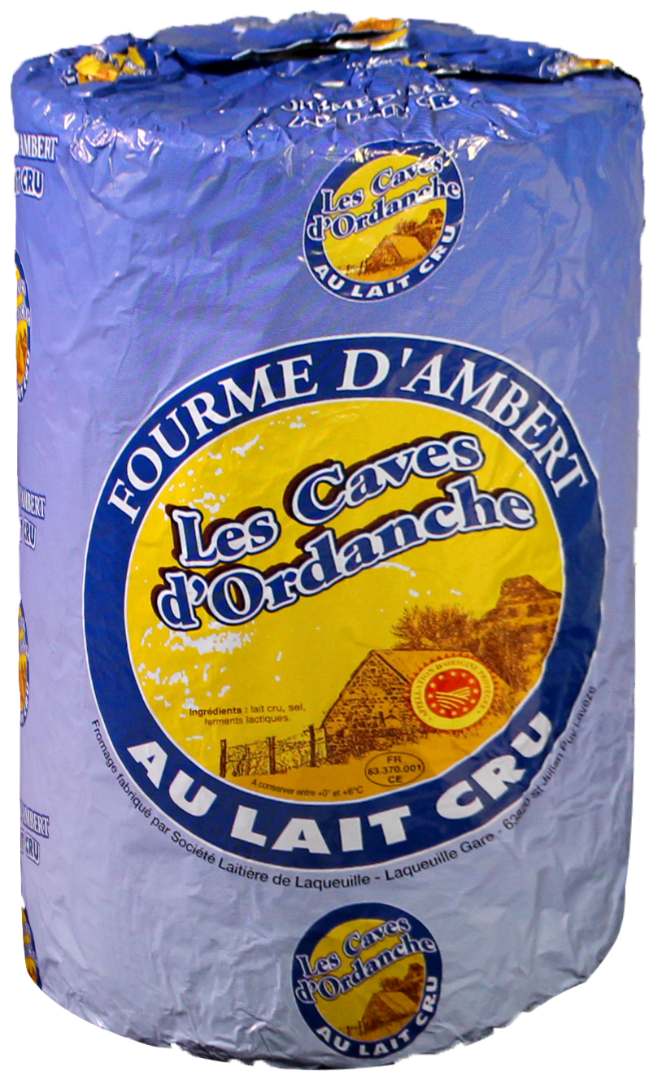
France – Fourme d’Ambert with raw milk – Staphylococcus aureus

Gov France

Product category
Food
Product subcategory
Milk and dairy products
Product brand name
The Cellars of Ordanche
Model names or references
Fourme d’Ambert with raw milk “Les Caves d’Ordanche”
Product identification
GTIN Batch Date
3277593329024 07802324 Minimum durability date 05/22/2024
Products List
Article_FA_LC.pdfAttachment
Packaging
Cut cheeses wrapped in aluminum foil packaged in boxes of 2 units
Start/end date of marketing
From 03/18/2024 to 05/22/2024
Storage temperature
Product to keep in the refrigerator
Health mark
FR 63.370.001 CE
Geographical sales area
Whole France
Distributors
Wholesalers Shop factory direct sales

Danish campaign results show Norovirus uncertainty

Food Safety News

According to the Danish food agency, there is still uncertainty among chefs and kitchen workers about the management of norovirus.

A Danish Veterinary and Food Administration (Fødevarestyrelsen) control and guidance campaign targeted restaurants, kitchens, and shops that supply ready-to-eat (RTE) food. Work involved 829 visits from June to November 2023.

The agency asked kitchen managers what steps they should take to prevent outbreaks. Some said they were unsure how far they could go concerning an employee’s illness and health.

Hong Kong – Salads – Food Safety Booklet

CFS

Salads are mixtures of minimally processed ready-to-eat vegetables
with or without dressings. Common ingredients include fruits, poultry,
meat, seafood, eggs, pasta, herbs, nuts or cooked vegetables. Salads
are usually served cold, and are considered high-risk foods as some of
the ingredients are raw or undercooked. Pathogenic bacteria like
Listeria monocytogenes and Salmonella spp. may also be present in
some common ingredients such as eggs, salad dressings and fresh
vegetables. Moreover, their preparation requires a lot of handling,
which increases the risk of contamination with bacteria such as
Staphylococcus aureus from human skin and other microorganisms
with antimicrobial resistance (i.e. “superbugs”) if personal and
environmental hygiene is not maintained. To ensure the safety of
salads, food handlers should be alert to possible food safety problems
and take appropriate measures in the production process.
This set of guidelines is intended for food business operators (FBOs)
who prepare and sell salads at premises. It aims to help the food trade
to implement food safety measures in their operations in order to
produce and supply safe and wholesome salads.
While this is not a legal document and its use is voluntary, it reviews
some essential parameters related to Good Hygiene Practices (GHPs)
and recommends best practices that any FBO should consider in
providing safe foods to consumers.
Introduction and scope

Research – Food safety knowledge and practices among raw meat handlers and the microbial content of raw meat sold at Kumasi Abattoir Butchery Shops in Kumasi, Ghana

BMC

Abstract

Background

Foodborne diseases affect nearly 600 million people each year, that is, one in every ten people, and their outbreaks are most common in low- and middle-income countries, particularly in Africa. This study investigated the food safety practices among raw meat handlers and the microbial quality of the meat from the butchery shops in Kumasi Abattoir, Ghana.

Methods

This study employed a descriptive cross-sectional study and collected quantitative data on factors associated with food safety and hygienic practices among raw meat handlers and the microbial quality of the raw meat using a structured questionnaire and standard laboratory methods, respectively. The study used all 50 beef vending shops in the butchery for questionnaire aspect and fresh beef samples were obtained from 10 vendors in the butchery shop. Appropriate methods were followed to analyse questionnaire data and meat samples.

Results

Most of the butchers (72%) were between the ages of 31 and 45, and they were predominantly Muslims (68%). Most of the respondents (48%) had basic education. All the respondents had food safety certificates from the local authority but needed adequate knowledge of meat safety. Most respondents (90%) handled meat and money with the same bare hands, thus contaminating the meat. The study showed that the maximum Total Viable Count (TVC), Total Staphylococcus Count (TSC), and Total Escherichia coli Count (TEC) were 5.60, 4.39 and 5.13 cfu/g, respectively. The study also revealed that all the meat samples were Salmonella species-free.

Conclusions

Microorganisms in raw beef indicate a public health hazard. It gives a signal of a possible occurrence of food-borne intoxication and infection if not controlled. Environmental health officers in the Greater Kumasi area should organize food safety training and educate raw meat handlers on the importance of food safety and its consequences.

Hong Kong – Oyster Food Safety Booklet

CFS