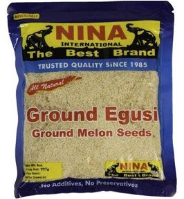
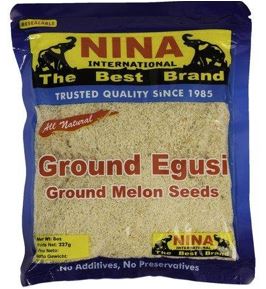
NINA International Egusi Ground – Ground Melon Seeds ground melon seeds
Letter from the company AsiaExpressFood
Sahara Pioneer Ltd. 14 Labor Street Accra Ghana
salmonella, aflatoxins
NINA International Egusi Ground – Ground Melon Seeds ground melon seeds
Letter from the company AsiaExpressFood
Sahara Pioneer Ltd. 14 Labor Street Accra Ghana
salmonella, aflatoxins
Posted in Aflatoxin, Aspergillus Toxin, food contamination, food handler, Food Hazard, Food Hygiene, Food Inspections, Food Micro Blog, Food Microbiology, Food Microbiology Blog, Food Microbiology Testing, Food Pathogen, Food Poisoning, food recall, Food Safety, Food Safety Alert, Food Safety Management, Food Safety Regulations, Food Testing, Food Toxin, Mold Toxin, Mould Toxin, Mycotoxin, Salmonella
Fresh Ideation Food Group LLC of Baltimore, MD is recalling products sold from January 24, 2023 through January 30, 2023 because the products have the potential to be contaminated with Listeria monocytogenes an organism which can cause serious and sometimes fatal infections in young children, frail or elderly people, and others with weakened immune systems. Although healthy individuals may suffer only short-term symptoms such as high fever, severe headache, stiffness, nausea, abdominal pain and diarrhea, Listeria infection can cause miscarriages and stillbirths among pregnant women.
Products have been distributed in Connecticut, District of Columbia, Maryland, Massachusetts, New Jersey, New York, North Carolina, Pennsylvania, South Carolina, and Virginia. Recalled Products were sold in retail locations, vending machines, and during travel with transportation providers.
The products include sandwiches, salads, snacks, yogurt, wraps and related products. A listing of the relevant product information is provided at the bottom of this press release.
All recalled products have a Fresh Creative Cuisine label and/or identifier on the bottom of the label with the Fresh Creative Cuisine name and a fresh through or sell through date ranging from January 31, 2023 through February 6, 2023.
The recall was initiated after the company’s environmental samples tested positive for Listeria monocytogenes.
No illnesses have been reported to date.
Consumers who have purchased the products are urged to contact the company, Fresh Ideation Food Group LLC, at 855-969-3338, Monday through Friday, 8am to 4pm EST.
Posted in FDA, food contamination, food handler, Food Hazard, Food Hygiene, Food Inspections, Food Micro Blog, Food Microbiology, Food Microbiology Blog, Food Microbiology Testing, Food Pathogen, food recall, Food Safety, Food Safety Alert, Food Safety Management, Food Safety Regulations, Food Testing, Listeria, Listeria monocytogenes
| Summary | |
|---|---|
| Category 1: | For Action |
| Alert Notification: | 2023.02 (Update 1) |
| Product: | Please see table below. |
| Batch Code: | Please see table below. |
| Country Of Origin: | Ireland |
Further to Food Alert 2023.02 Western Brand is undertaking a precautionary recall of further batches of various raw chicken products due to the possible presence of Salmonella. Please see table below for details of the implicated batches. Point-of-sale recall notices will be displayed in stores supplied with the implicated batches.
People infected with Salmonella typically develop symptoms between 12 and 36 hours after infection, but this can range between 6 and 72 hours. The most common symptom is diarrhoea, which can sometimes be bloody. Other symptoms may include fever, headache and abdominal cramps. The illness usually lasts 4 to 7 days. Diarrhoea can occasionally be severe enough to require hospital admission. The elderly, infants, and those with impaired immune systems are more likely to have a severe illness.
Retailers are requested to remove the implicated batches from sale and to display a point-of-sale recall notice in stores where the affected batches were sold.
Consumers are advised not to eat the implicated batches. If the chicken has already been consumed, cooking should remove the risk. Raw chicken should always be handled hygienically when defrosting and preparing it, and also cooked thoroughly before eating it.
Posted in food contamination, food handler, Food Hazard, Food Hazrd, Food Hygiene, Food Inspections, Food Micro Blog, Food Microbiology, Food Microbiology Blog, Food Microbiology Testing, Food Pathogen, food recall, Food Safety, Food Safety Alert, Food Safety Management, Food Safety Regulations, Food Testing, FSAI, Salmonella, Salmonella in Chicken

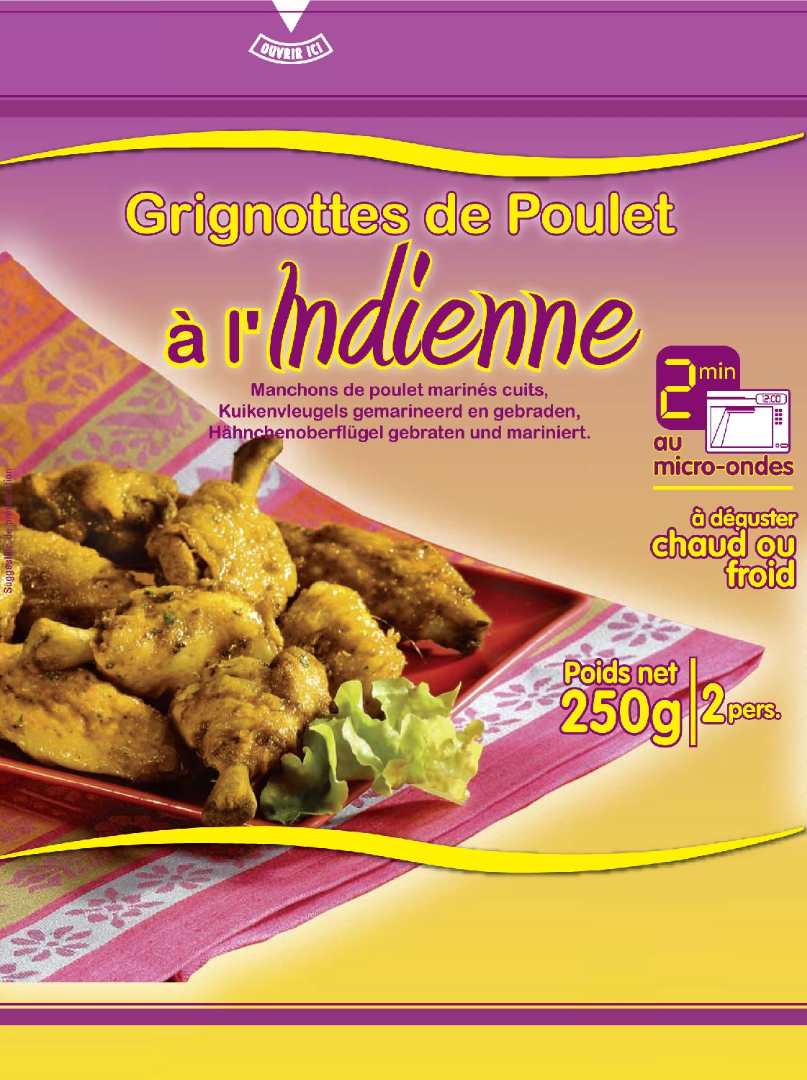
| GTIN | Lot | Date |
|---|---|---|
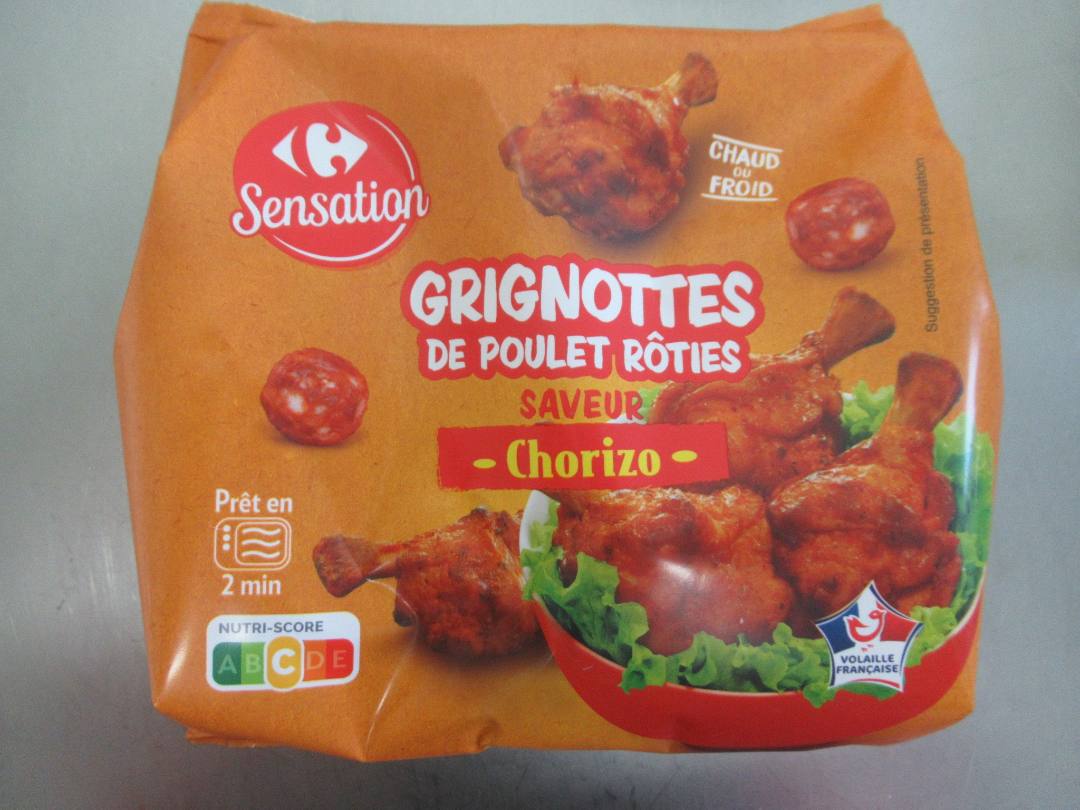
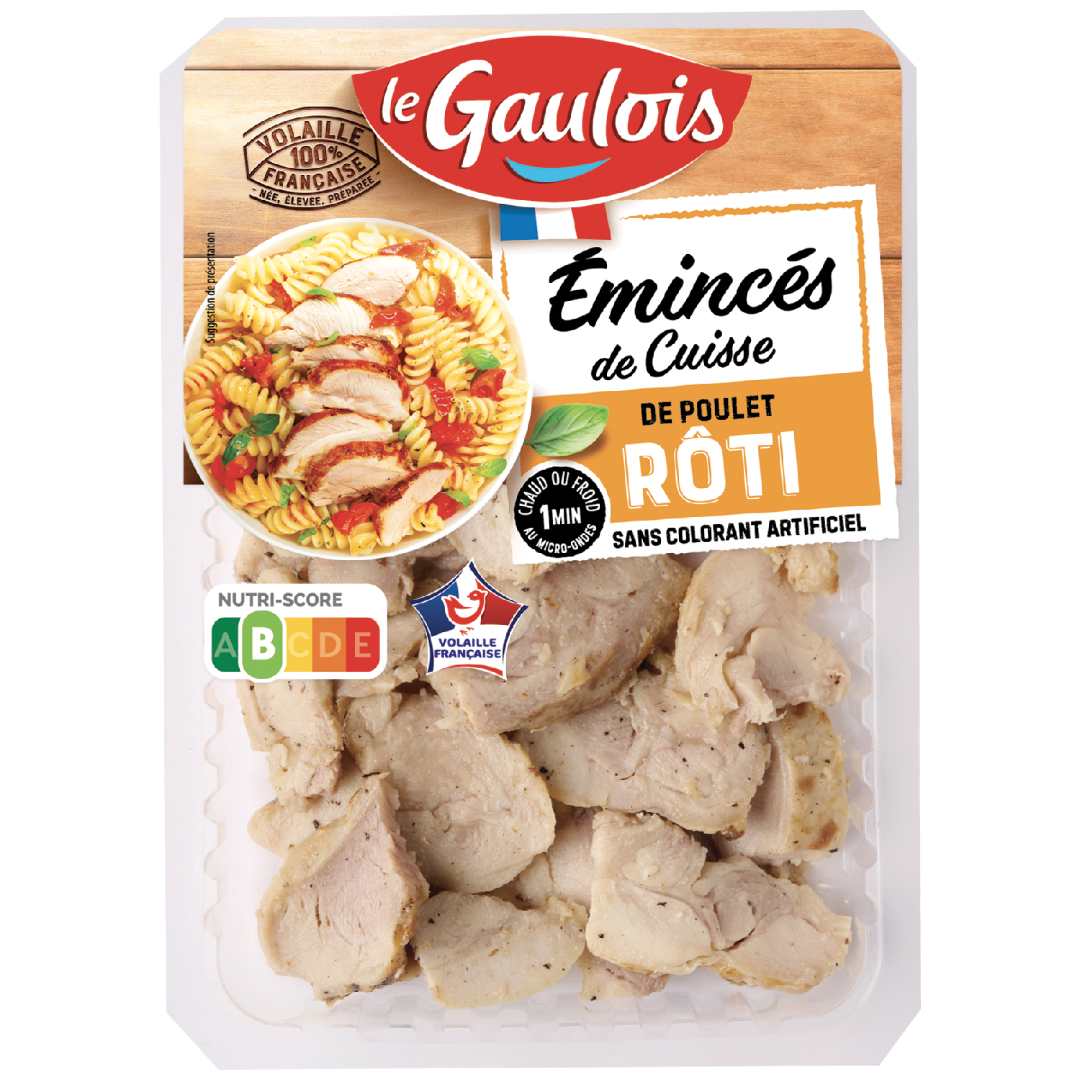
| 3266980239886 | lot 27 | Use-by date 02/18/2023 |
Posted in food contamination, food handler, Food Hazard, Food Hygiene, Food Inspections, Food Micro Blog, Food Microbiology, Food Microbiology Blog, Food Microbiology Testing, Food Pathogen, food recall, Food Safety, Food Safety Alert, Food Safety Management, Food Safety Regulations, Food Testing, Listeria, Listeria monocytogenes

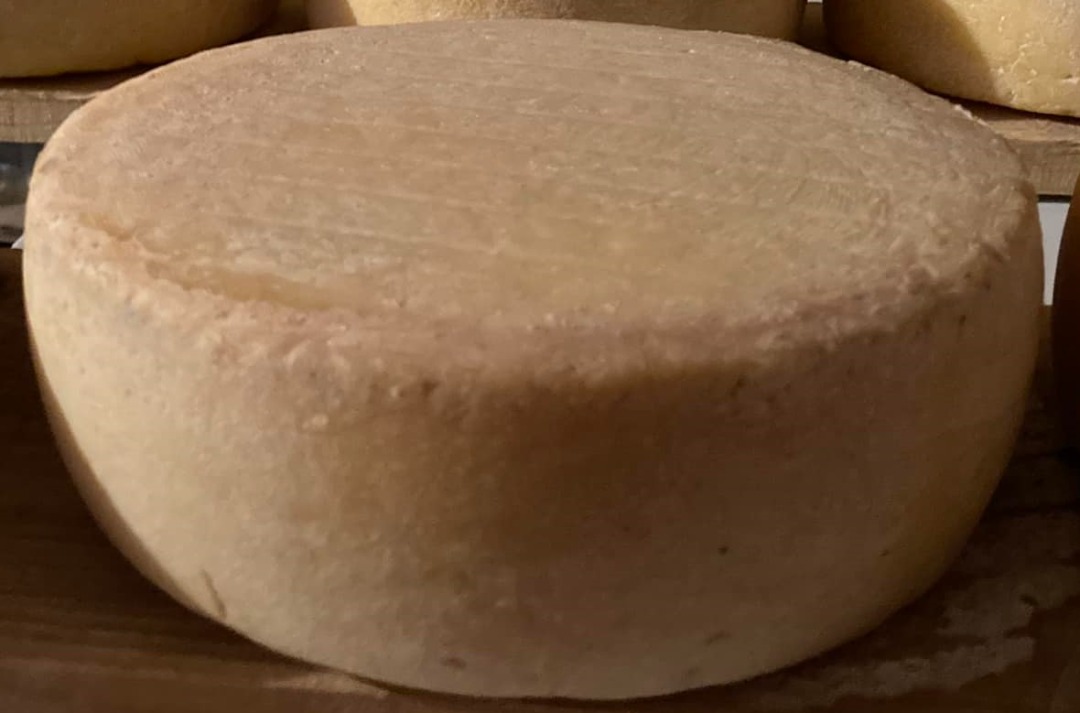
| Batch | ||
|---|---|---|
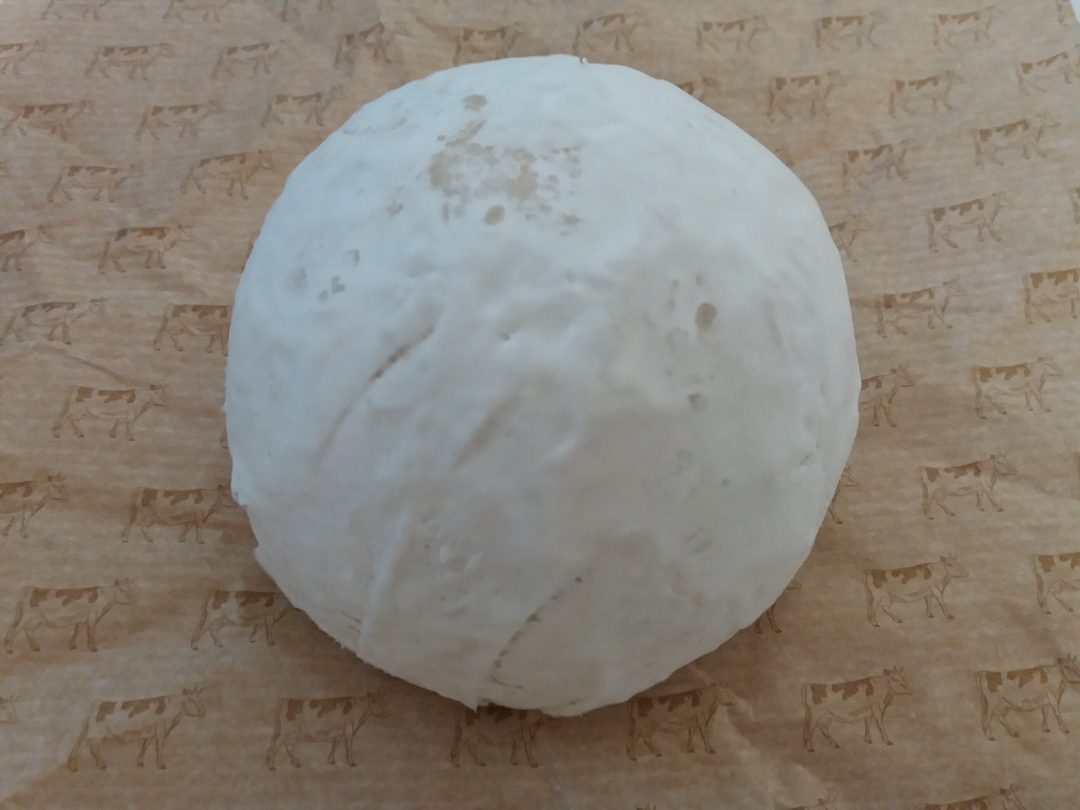
| Tomme from 22-12-2022 to 24-01-2023 | ||
Posted in food contamination, food handler, Food Hazard, Food Hygiene, Food Inspections, Food Micro Blog, Food Microbiology, Food Microbiology Blog, Food Microbiology Testing, Food Pathogen, food recall, Food Safety, Food Safety Alert, Food Safety Management, Food Safety Regulations, Food Testing, Listeria, Listeria monocytogenes

| GTIN | Batch | Date |
|---|---|---|
| 3560071465520 | BATCH 026 | Use-by date 02/17/2023 |
| 3560071465520 | BATCH 027 | Use-by date 02/18/2023 |
Posted in food contamination, food handler, Food Hazard, Food Hygiene, Food Inspections, Food Micro Blog, Food Microbiology, Food Microbiology Blog, Food Microbiology Testing, Food Pathogen, food recall, Food Safety, Food Safety Alert, Food Safety Management, Food Safety Regulations, Food Testing, Listeria, Listeria monocytogenes

| GTIN | Batch | Date |
|---|---|---|
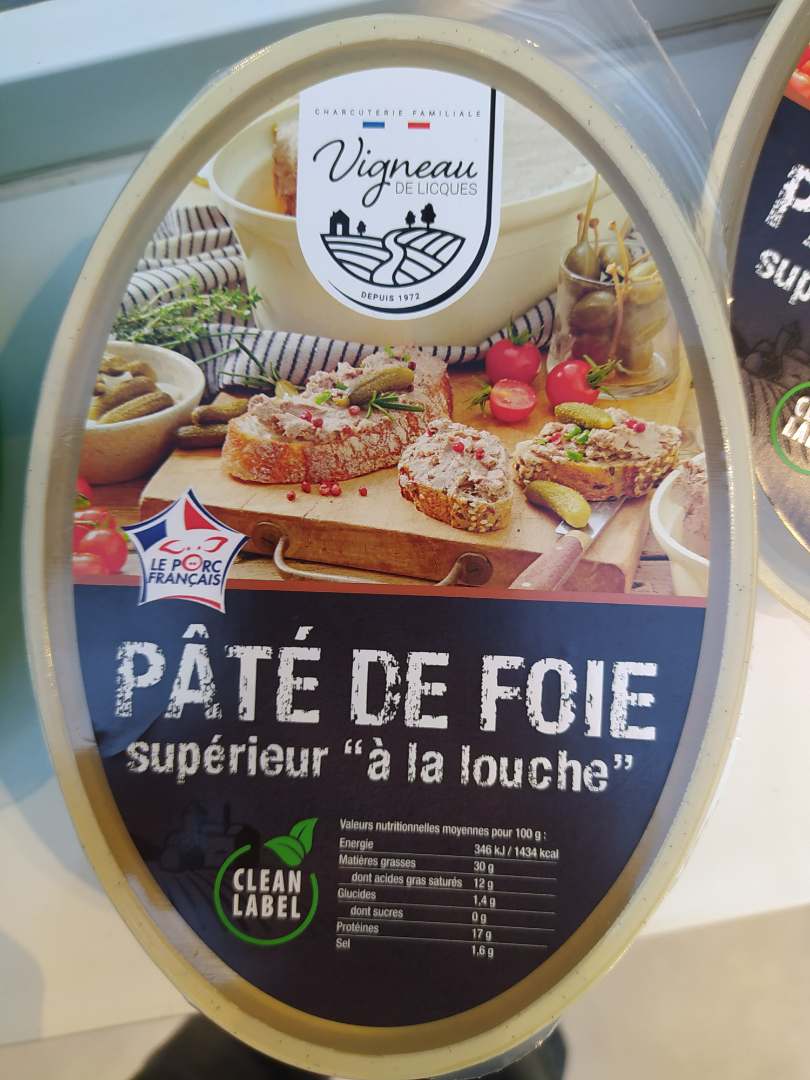
| 3266980134556 | lot 24 | Use-by date 02/15/2023 |
Posted in food contamination, food handler, Food Hazard, Food Hygiene, Food Inspections, Food Micro Blog, Food Microbiology, Food Microbiology Blog, Food Microbiology Testing, Food Pathogen, food recall, Food Safety, Food Safety Alert, Food Safety Management, Food Safety Regulations, Food Testing, Listeria, Listeria monocytogenes

| Batch | ||
|---|---|---|
| 1017 | ||
| 2017 | ||
| 3017 | ||
Posted in Bird Food, food contamination, food handler, Food Hazard, Food Hygiene, Food Inspections, Food Micro Blog, Food Microbiology, Food Microbiology Blog, Food Microbiology Testing, Food Pathogen, food recall, Food Safety, Food Safety Alert, Food Safety Management, Food Safety Regulations, Food Toxin, Listeria, Listeria monocytogenes

| Batch | ||
|---|---|---|
| 010 | ||
Posted in food contamination, food handler, Food Hazard, Food Hygiene, Food Inspections, Food Micro Blog, Food Microbiology, Food Microbiology Blog, Food Microbiology Testing, Food Pathogen, food recall, Food Safety, Food Safety Alert, Food Safety Management, Food Safety Regulations, Food Testing, Listeria, Listeria monocytogenes
5 things to know about Listeria |
| Listeria is a bacterium found everywhere in our natural environment: in the air, soil, water… and sometimes in food. There are several types of Listeria, but only Listeria monocytogenes is primarily transmitted to humans through food . In some cases, this can lead to a foodborne infection: listeriosis.
Is the bacterium dangerous, how many people fall ill each year and what about the FASFC checks? These 5 questions and answers about Listeria monocytogenes will allow you to learn more about this type of Listeria bacteria and give you advice on how to avoid infections at home. 1. Listeria is mainly present in chilled ready-to-eat products Listeria can be present in both animal products and plant products. The products at risk are mainly chilled products consumed without being heated, such as cheeses made from raw milk, cold cuts, raw vegetables and smoked fish. Indeed, the bacterium can still survive and grow in cold and humid climates. 2. More than 2,000 cases of listeriosis in Europe each year In the European Union, the bacterium Listeria monocytogenes is responsible for more than 2,000 cases of listeriosis each year. Listeriosis is one of the most serious foodborne infections. The latest report from EFSA (the European Food Safety Authority) indicates that listeriosis is the fifth most frequently reported zoonosis (disease transmitted from animals to humans) in humans in the world. EU. In healthy people with normal defenses, the disease can develop without symptoms or mild flu-like symptoms (fever, muscle pain, headache, gastrointestinal problems). But there are also high-risk groups for whom listeria can cause a serious infection. 3. Not all people who eat food contaminated with listeria get sick The group of risk profiles is called YOPI. This English term stands for Young (babies and young children up to 5 years old), Old (those over 65), Pregnant (pregnant women) and immunocompromised (these are people whose immunity is reduced, as is the case for people with chronic illnesses). For these people, it is recommended to avoid certain foods because they are more likely to be contaminated with listeria. For example, it is recommended not to eat raw meat or fish, to replace mayonnaise-based spreads such as chicken curry with homemade salads, and not to thaw frozen foods in the refrigerator but to reheat them immediately in the microwave. The nutritional recommendations for vulnerable people can be found in the table via this link (source: FPS Public Health, Environment and Food chain safety) . 4. The FASFC examines some 8,000 samples every year to detect the presence of Listeria monocytogenes In 2021, the FASFC took some 8,000 samples which were analyzed for Listeria monocytogenes. This means an average of 20 samples per day for 365 days! The results are reassuring, since 9 out of 10 samples passed the listeria test Moreover, these are only samples taken by the FASFC itself. Did you know that food companies must also test their products for pathogenic bacteria, such as listeria monocytogenes? If a sample is non-compliant, all necessary measures are taken by the company and/or the FASFC to protect the health of the consumer. This may result in the withdrawal of products from the market or a recall from consumers. To stay informed of any product recalls, you can subscribe to our newsletter , or keep an eye on our website and social media . 5. Follow these 3 golden rules to avoid Listeria contamination Despite all these precautions, contaminated products can end up in your home. Fortunately, there are simple things you can do to get rid of this bacteria: – Turn on the tap : rinse vegetables and herbs well, wash your hands while cooking, soak your used cooking utensils in soapy water… It seems obvious but making sure everything stays clean in the kitchen , you can significantly reduce the risk of contamination! – Store at 4°C : the temperature of your refrigerator must be set between 0 and 4°C. After shopping or lunch, it is better to put chilled products in the refrigerator as soon as possible. On very hot days, use a cooler bag with possibly ice packs to do your shopping. – Read the label : refrigerated products have an expiry date – use by, which means that these foods should not be consumed after this date. The label also tells you how long you can keep the product after opening the package. |