salute
Brand : Coppiello giovanni srl
Name : Equine fraying
Reason for reporting : Remind for microbiological risk
Date of publication : 22 March 2023


salute
Brand : Coppiello giovanni srl
Name : Equine fraying
Reason for reporting : Remind for microbiological risk
Date of publication : 22 March 2023
Posted in food contamination, food handler, Food Hazard, Food Hygiene, Food Inspections, Food Micro Blog, Food Microbiology, Food Microbiology Blog, Food Microbiology Testing, Food Pathogen, Food Quality, food recall, Food Safety, Food Safety Alert, Food Safety Management, Food Safety Regulations, Food Testing, Listeria monocytogenes
Date published: 17 March 2023
Updated: 22 March 2023
CERES ORGANICS AUSTRALIA PTY LTD is conducting a recall of Ceres Organics Organic Hulled Tahini 300g and Ceres Organics Organic Unhulled Tahini 300g. The product has been available for sale at Woolworths in NSW; independent food retailers including IGA in NSW, VIC, QLD and WA; independent food retailers in ACT and SA; and online nationally.

Consumers should not eat this product. Any consumers concerned about their health should seek medical advice and should return the products to the place of purchase for a full refund.
For further information please contact:
Related links:
Posted in food contamination, food handler, Food Hazard, Food Hygiene, Food Inspections, Food Micro Blog, Food Microbiology, Food Microbiology Blog, Food Microbiology Testing, Food Pathogen, Food Quality, food recall, Food Safety, Food Safety Alert, Food Safety Management, Food Safety Regulations, food safety training, Food Testing, FSANZ, Salmonella
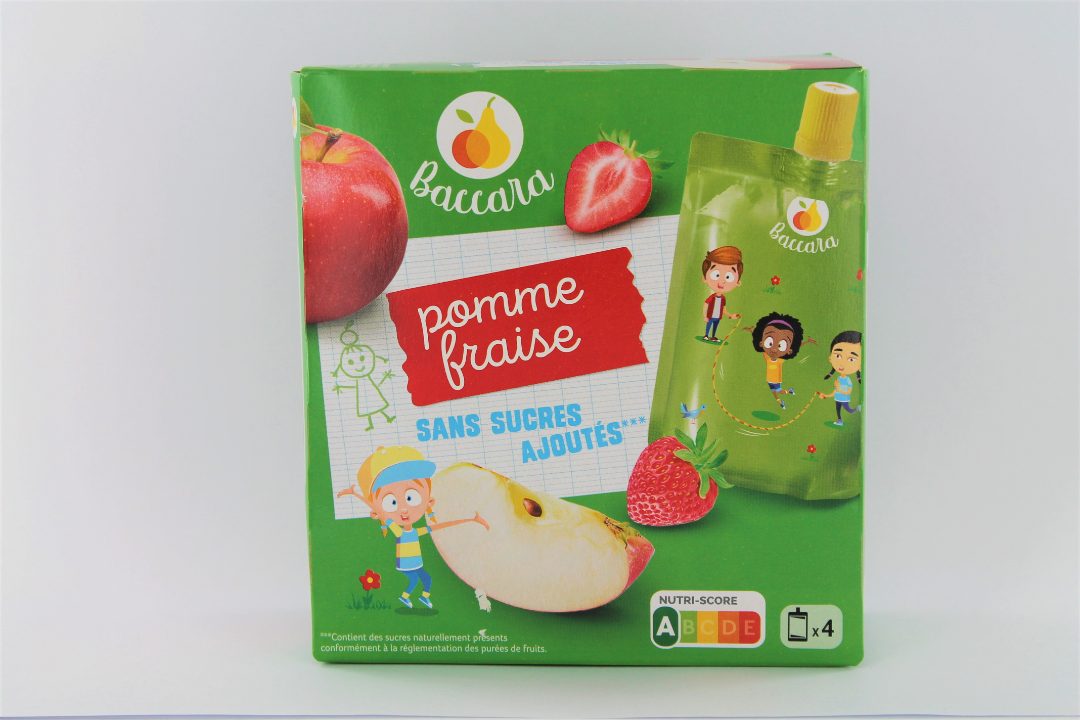
| GTIN | Batch | Date |
|---|---|---|
| 26080567 | 27/12/2023 | Date of minimum durability 27/12/2023 |
Posted in food contamination, food handler, Food Hazard, Food Hygiene, Food Inspections, Food Micro Blog, Food Microbiology, Food Microbiology Blog, Food Microbiology Testing, Food Poisoning, Food Quality, food recall, Food Safety, Food Safety Alert, Food Safety Management, Food Safety Regulations, Food Testing, Food Toxin, Mold Toxin, Mycotoxin, Patulin
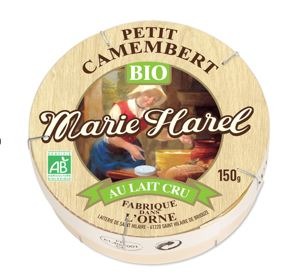
| GTIN | Batch | Date |
|---|---|---|
| 3267031601003 | 018551 | Date of minimum durability 19/03/2023 |
Posted in food contamination, food handler, Food Hazard, Food Hygiene, Food Inspections, Food Micro Blog, Food Microbiology, Food Microbiology Blog, Food Microbiology Testing, Food Pathogen, Food Poisoning, Food Quality, food recall, Food Safety, Food Safety Alert, Food Safety Management, Food Safety Regulations, Food Testing, Food Toxin, STEC, STEC E.coli
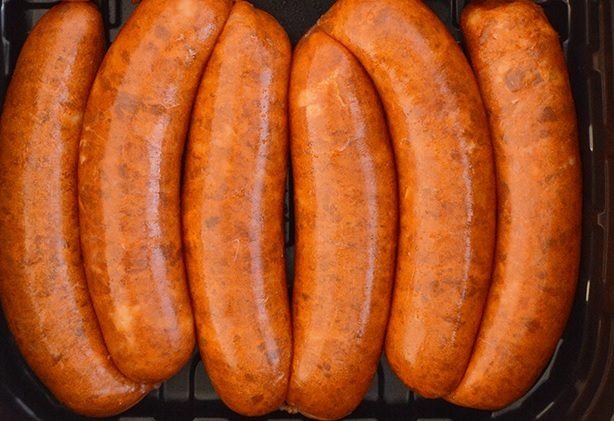
| Batch | Date | |
|---|---|---|
| 9773000072 | Use-by date 03/27/2023 | |
Posted in food contamination, food handler, Food Hazard, Food Hygiene, Food Inspections, Food Micro Blog, Food Microbiology, Food Microbiology Blog, Food Microbiology Testing, Food Pathogen, Food Quality, food recall, Food Safety, Food Safety Alert, Food Safety Management, Food Safety Regulations, Food Testing, Salmonella, Salmonella in Chicken
This fact sheet is intended to help Queso Fresco-type soft cheese manufacturing groups further their understanding of possible food safety risks that can occur in production and the resources available to help them consistently produce safe food.
What are soft Queso Fresco-type cheeses?
Soft Queso Fresco-type (QFT) cheeses are fresh, unripe cheeses that do not go through a significant aging process. These types of cheeses are white/off-white in color and very moist. They also have a low salt and acid content, which gives them a shorter shelf life compared to that of other aged cheeses. This also means soft QFT cheeses must always be refrigerated. Depending on the country of origin, some of the more popular fresh, soft QFT cheeses are labeled as either Latin-style or Mexican-style cheeses. Well-known examples of QFT cheeses include Oaxaca, Asadero, Queso Blanco, Queso Fresco, Requeson, and Panela, amongst others [1],[2].
What are some concerns with soft Queso Fresco-type cheeses?
The pathogen of primary concern among soft QFT cheeses is Listeria monocytogenes (L. monocytogenes), a type of disease-causing bacteria that specifically causes the infection listeriosis. Outbreaks of listeriosis have been linked with soft QFT cheeses made from raw milk or those that contain ingredients that were contaminated somewhere during the cheese-making process. Historical outbreaks of listeriosis have been associated with QFT made from unpasteurized milk, but recent outbreaks have been caused by cheeses made from pasteurized milk that was contaminated during the cheese-making process. The soft QFT cheeses linked to past outbreaks were often manufactured by smaller-scale producers. These outbreaks have often affected a higher proportion of pregnant Hispanic women and their newborns. Listeriosis infections in pregnant women can result in serious illness, miscarriage, or even stillbirth. Older adults, newborns, and people with weakened immune systems are also at higher risk for developing serious symptoms associated with listeriosis. In addition to the risk of listeriosis linked to soft QFT cheese, the Centers for Disease Control and Prevention has reported multiple outbreaks linked to other pathogenic bacteria in these products, including Salmonella, Campylobacter jejuni, and Brucella [3],[4].
Posted in Decontamination Microbial, Food Micro Blog, Food Microbiology, Food Microbiology Blog, Food Microbiology Research, Food Microbiology Testing, Food Safety, Food Safety Management, Food Safety Regulations, food safety training, Listeria, Listeria in Cheese, Listeria monocytogenes, microbial contamination, Microbial growth, Microbiological Risk Assessment, Microbiology, Microbiology Investigations, Microbiology Risk
Hawaii House Bill 521 reads like another attempt to weaken the regulation of raw milk until you notice that the year 3000 is currently listed as the effective date. That might be a long wait for those who want to legalize raw milk and raw milk products in the Aloha State including the bill’s powerful author.
Nevertheless, HB521 is getting serious consideration from Hawaii’s legislative committee. The bill has already been heard by the House Finance Committee and the Committee on Consumer Protection and Commerce. Those two committees agree that the purpose of HB 521 is to:
1) Authorize and decriminalize the sale of raw milk and raw milk products directly to consumers for human consumption, subject to certain conditions; and
(2) Authorize the sale of raw goat milk for pet consumption, subject to certain conditions.
Posted in Decontamination Microbial, Food Micro Blog, Food Microbiology, Food Microbiology Blog, Food Microbiology Research, Food Microbiology Testing, Food Safety, Food Safety Management, food safety training, microbial contamination, Microbial growth, Microbiological Risk Assessment, Microbiology, Microbiology Investigations, Microbiology Risk, Raw Milk, Raw Milk Cream
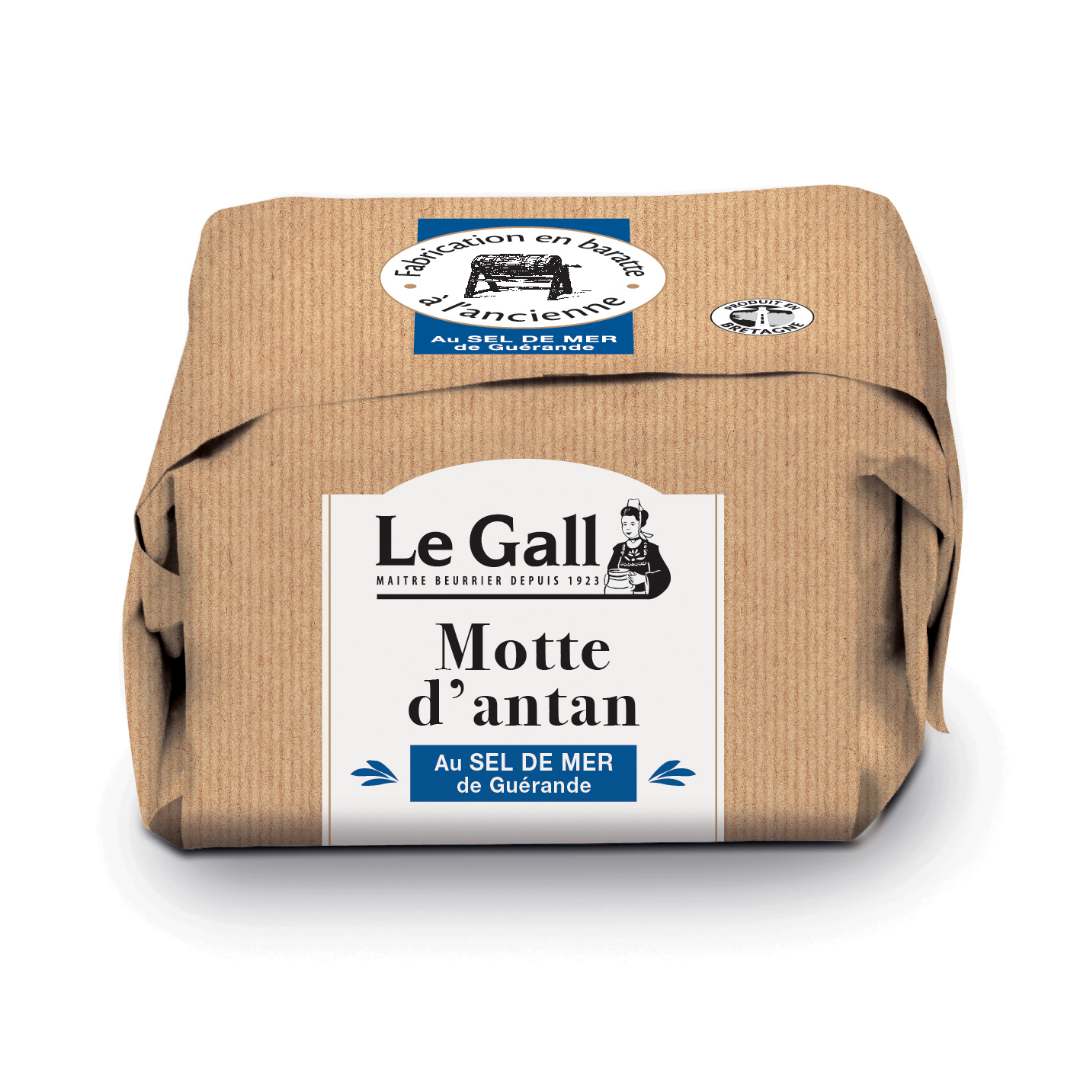
| GTIN | Batch | Date |
|---|---|---|
| 3252920011797 | 037 | Date of minimum durability 04/27/2023 |
Posted in food contamination, food handler, Food Hazard, Food Hygiene, Food Inspections, Food Micro Blog, Food Microbiology, Food Microbiology Blog, Food Microbiology Testing, Food Pathogen, Food Quality, food recall, Food Safety, Food Safety Alert, Food Safety Management, Food Safety Regulations, Food Testing, Listeria, Listeria monocytogenes
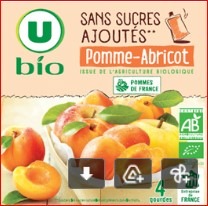
| GTIN | Lot | Date |
|---|---|---|
| 3256226396817 | L9450 | Date of minimum durability 31/10/2023 |
| 3256226396848 | L9423 | Date of minimum durability 31/10/2023 |
| 3256226396831 | L9282 | Date of minimum durability 31/10/2023 |
| 3256226396862 | L9283 | Date of minimum durability 31/10/2023 |
Posted in food contamination, food handler, Food Hazard, Food Hygiene, Food Inspections, Food Micro Blog, Food Microbiology, Food Microbiology Blog, Food Microbiology Testing, Food Poisoning, Food Quality, food recall, Food Safety, Food Safety Alert, Food Safety Management, Food Safety Regulations, Food Testing, Food Toxin, Mold Toxin, Mould Toxin, Mycotoxin, Patulin
The Old Cheese Room is extending its recall of Baronet, Baby Baronet and Mini Baronet Soft Cheeses because Listeria monocytogenes has been found in some batches of these products. This PRIN is an update to include further dates and batch codes and replaces earlier PRINs.
| Baronet Soft Cheese | |
|---|---|
| Pack size | 1kg |
| Best before | 21 March 2023 11 April 2023 12 April 2023 18 April 2023 |
| Baby Baronet Soft Cheese | |
|---|---|
| Pack size | 200g |
| Best before | 22 March 2023 04 April 2023 10 April 2023 16 April 2023 |
| Mini Baronet Soft Cheese | |
|---|---|
| Pack size | 270g |
| Best before | 22 March 2023 10 April 2023 18 April 2023 |
The presence of Listeria monocytogenes in some batches of the products listed above.
Symptoms caused by this organism can be similar to flu and include high temperature, muscle ache or pain, chills, feeling or being sick and diarrhoea. However, in rare cases, the infection can be more severe, causing serious complications, such as meningitis.
Some people are more vulnerable to listeria infections, including those over 65 years of age, pregnant women and their unborn babies, babies less than one month old and people with weakened immune systems.
Posted in food contamination, food handler, Food Hazard, Food Hygiene, Food Inspections, Food Micro Blog, Food Microbiology, Food Microbiology Blog, Food Microbiology Testing, Food Pathogen, Food Quality, food recall, Food Safety, Food Safety Alert, Food Safety Management, Food Testing, fsa, Listeria, Listeria in Cheese, Listeria monocytogenes

 FoodWorld