
aflatoxins (B1 = 3 µg/kg – ppb) in white rice from Pakistan in Spain
aflatoxins (B1 = 24; Tot. = 27 µg/kg – ppb) in pistachios from Turkey in Belgium

aflatoxins (B1 = 3 µg/kg – ppb) in white rice from Pakistan in Spain
aflatoxins (B1 = 24; Tot. = 27 µg/kg – ppb) in pistachios from Turkey in Belgium
Posted in Aflatoxin, food contamination, Food Hazard, Food Hygiene, Food Inspections, Food Micro Blog, Food Microbiology, Food Microbiology Blog, Food Microbiology Testing, Food Poisoning, food recall, Food Safety, Food Safety Alert, Food Testing, Food Toxin, Mold Toxin, Mould Toxin, Mycotoxin, RASFF, Uncategorized
For sustainable assurance of food safety and the prevention of fraud, the FSVO identifies newly emerging risks to the health of Switzerland’s population. Early detection of this kind allows appropriate action to be taken in real time.
Monitoring developments in the field of food safety is an essential task of early detection. This is why the FSVO summarises and evaluates the main information in Seismo Info. The publication is sent out by newsletter.
The aim of early detection for food safety is to identify and assess potential risks of food to the health of consumers.
The FSVO distinguishes between different types of risk:
The detection of newly emerging risks requires vigilant monitoring of societal and ecological changes, technological developments, economic trends and political conditions.
To perform these tasks, the FSVO manages an early detection system for food safety. This system considers information from a variety of sources, as well as the opinion of experts from the federal government, the cantons, industry and universities. The FSVO is also part of an international network that regularly shares information on new risks, assesses these risks and discusses the action to be taken.
The information gathered is compiled in the ADURA database, which can be accessed by federal and cantonal experts and to some extent also by the public.
The FSVO summarises and evaluates the main information every month in Seismo Info. The publication is communicated via the «Food safety and nutrition» newsletter (Subscription in French, German or Italian).
«Briefing letters» are short summaries of issues. They are characterised by in-depth research on a specific topic. Their purpose is to draw attention to hazards or risks that could endanger food safety in the medium to long term.
Anyone can contribute to early detection by submitting information to seismo@blv.admin.ch. Specialists check the information and incorporate it into the ADURA database or Seismo Info as appropriate.
Posted in Food Chemistry, food contamination, Food Hazard, Food Hygiene, Food Illness, Food Inspections, Food Micro Blog, Food Microbiology, Food Microbiology Blog, Food Microbiology Research, Food Microbiology Testing, food recall, Food Safety, Food Safety Alert, Food Testing, microbial contamination, Microbiology, Research
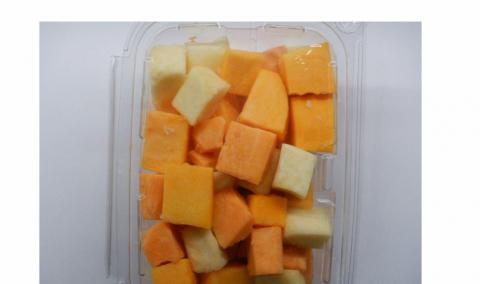
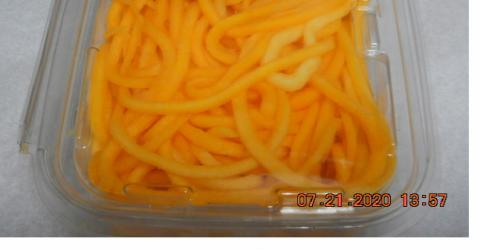
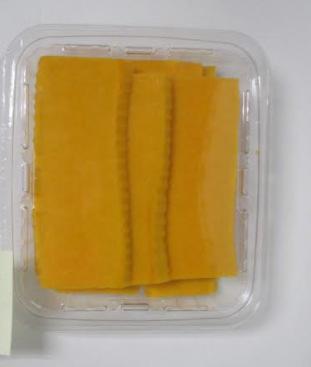
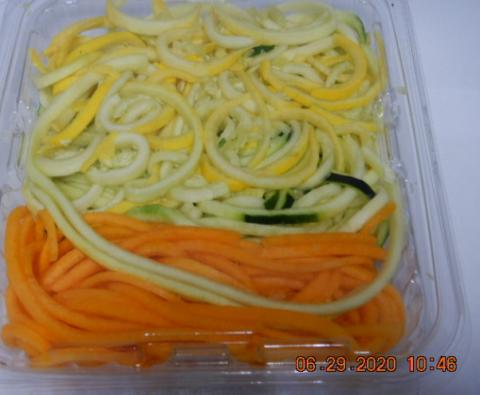
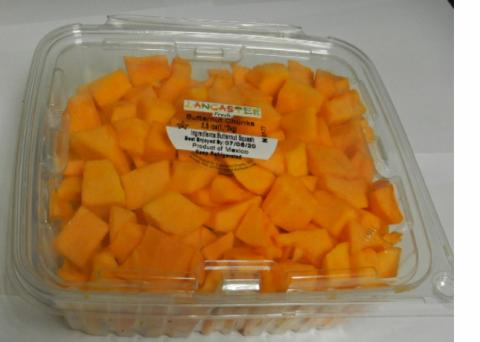
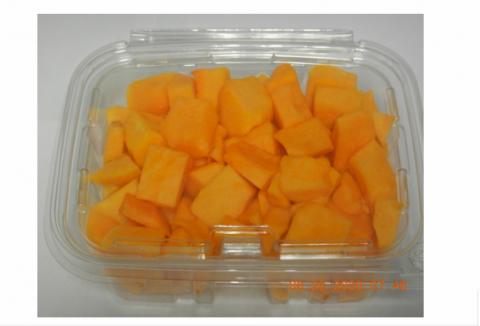
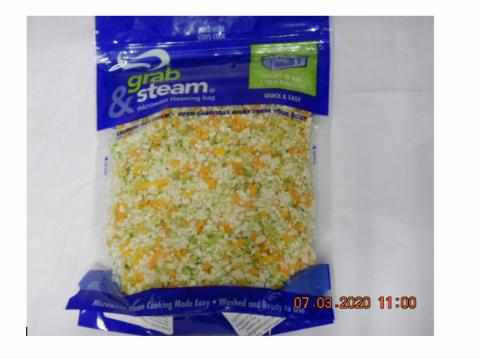
Lancaster Foods LLC has initiated a voluntary product recall of its processed butternut squash items because they have the potential to be contaminated with Listeria Monocytogenes, an organism which can cause serious and sometimes fatal infections in young children, frail or elderly people, and others with weakened immune systems. Although healthy individuals may suffer only short-term symptoms such as high fever, severe headache, stiffness, nausea, abdominal pain and diarrhea, Listeria infection can cause miscarriages and stillbirths among pregnant women.
No illnesses have been reported to date in connection with this problem.
The recalled items were distributed in NC, VA, DC, MD, PN, NY, NJ, CT, RI, MA, NH, and VT mainly through retail stores.
The products noted:
Out of an abundance of caution, Lancaster Foods has temporarily halted production of these items as the FDA and the company investigate the source of the issue. Consumers who have purchased units noted above are urged to return them to the place of purchase for a full refund.
Consumers with questions may contact the company at 1-410-799-0010, extension 1530. The hours are from 0800 to 1700 in the Eastern time zone on the days of Monday through Sunday. Voicemails received after hours will be returned the next day.
Posted in FDA, food contamination, Food Hazard, Food Hygiene, Food Inspections, Food Micro Blog, Food Microbiology, Food Microbiology Blog, Food Microbiology Testing, Food Pathogen, food recall, Food Safety, Food Safety Alert, Food Testing, Listeria, Listeria monocytogenes, microbial contamination, Microbiology
A New Zealand Food Safety and Nelson Marlborough Public Health Service investigation has confirmed the source of listeria contamination last month that resulted in illness for 4 people and led to recalls of ham products from a number of South Island supermarkets, and 3 stores in the greater Wellington region.
The contamination originated at meat supplier Pestell’s Rai Bacon Company Ltd, where it was discovered in products and in the processing environment. This was confirmed through the results of DNA testing, received this week.
As a result of the recall in December, Pestell’s have stopped producing and selling ready-to-eat ham products.
Investigations into the source of listeria involved followup with the suppliers of the cooked ready-to-eat meats to the supermarket, including Pestell’s.
In October, routine testing by Pak’n Save Blenheim detected listeria in some packaged meat products and the affected products were recalled. It was identified after genome testing that the listeria found as a result of the testing, had the same sequencing as the listeria found in Pestell’s products.
New Zealand Food Safety’s food compliance services national manager, Melinda Sando, says, “We knew where the supermarket was getting its stock from. We went to Pestell’s and took samples for testing from their processing environment and their products. Listeria was detected in product and environment samples.
“These samples were then sent to ESR, and they did genome sequencing. The sequencing of those isolates (cells) showed they were identical, which means they are from a specific source.
“Nobody wants to put their customers at risk. We worked quickly to minimise the risk to the public and resolve the issues.
“There was good cooperation from the supplier and retailers,” Ms Sando says.
Nelson Marlborough Public Health Service medical officer of health, Dr Andrew Lindsay, says: “Listeriosis infection can be serious among vulnerable groups such as pregnant women and their unborn babies, newborn babies, people with weakened immune systems and elderly people.
“We will continue to work closely with New Zealand Food Safety should any more cases emerge. To date, no further cases associated with the recalled products have been identified. However, as listeria can survive freezing, consumers are reminded to check food in their fridges and freezers and if they have any of the recalled product follow the advice from New Zealand Food Safety.”
For information about the recalled product, including dates, and batches, refer to:
Posted in food contamination, food handler, Food Hazard, Food Hygiene, Food Illness, Food Inspections, Food Micro Blog, Food Microbiology, Food Microbiology Blog, Food Microbiology Testing, Food Pathogen, food recall, Food Safety, Food Safety Alert, Food Testing, Listeria, Listeria monocytogenes, microbial contamination, Microbiology

O’Brien’s Full Boneless Leg Ham
Use by: 24 March 2021, 1 April 2021 and
6 April 2021
O’Brien’s Champagne Leg Ham
O’Brien’s Half Leg Ham
O’Brien’s Full Leg Ham
Use by: 1 April 2021 and 6 April 2021
O’Brien’s Half Boneless Leg Ham
O’Brien’s Third Leg Ham
Use by: 6 April 2021
Leg Ham in plastic vacuum packing bag
The recall is due to microbial (Listeria monocytogenes) contamination.
Listeria may cause illness in pregnant women and their unborn babies, the elderly and people with low immune systems.
Any consumers concerned about their health should seek medical advice and should return the products to the place of purchase for a full refund.
For further information, consumers can contact O’Brien’s Wholesale Meats on 08 8280 3911 or https://www.obriensmeat.com.au
Independent food retailers including IGA and butcher shops in SA, NT, NSW and Vic, and Foodlands in SA
Food Standards Australia New Zealand is the coordinating agency for this recall.
Posted in food contamination, Food Hazard, Food Hygiene, Food Inspections, Food Micro Blog, Food Microbiology, Food Microbiology Blog, Food Microbiology Testing, Food Pathogen, food recall, Food Safety, Food Safety Alert, Food Testing, Listeria, Listeria monocytogenes, microbial contamination, Microbiology
Recall Wholefoods
Product: Seed of Paradise brand Pit & Pit.
Problem: possible presence of Salmonella.
In agreement with the AFSCA, Wholefoods is withdrawing the product “Seeds of Paradise” from sale and is recalling it to consumers because of the possible presence of Salmonella.
Wholefoods asks its customers not to consume this product and to return it. A free return label can be requested by sending an email with the photo of the label to help@pit-pit.com . Upon receipt of the return, the product will be refunded to you.
Product description
– Product name: Seeds of paradise
– Brand: Pit & Pit
– Type of packaging: Transparent
jar with black lid – Lot: LTR98NFYX
– Expiry date (DDM): 05/01/2023
– Weight: 75g

The product was sold online via the website www.pit-pit.com .
For any further information , please contact: help@pit-pit.com
Posted in food contamination, Food Hazard, Food Hygiene, Food Inspections, Food Micro Blog, Food Microbiology, Food Microbiology Blog, Food Microbiology Testing, Food Pathogen, Food Poisoning, food recall, Food Safety, Food Safety Alert, Food Testing, microbial contamination, Microbiology, Salmonella
Product: chipolata poultry brand Kok O’Rell.
Problem: possible presence of Salmonella.
In agreement with the AFSCA, EUROKIP is withdrawing from sale the product CHIPOLATAS DE POULTRY of the KOK O’RELL brand and is recalling it to consumers because of the possible presence of Salmonella.
EUROKIP asks its customers not to consume this product and to bring it back to the point of sale where it was purchased. It will be refunded even without a receipt.
The product is, at the same time, withdrawn from sale.
Product description
– Product name: POULTRY CHIPOLATA
– Brand: Kok O’Rell
– Use by date (DLC) (“To be consumed until”): 21/01/2021
– Batch number: 139950
– Period of sale: from 15/01/2021 to 18/01/2021
– Type of packaging: transparent / black plastic tray -: 0.250kg – 0.500kg
 |
 |
The product was sold through the following outlets:
TINE HEIRWEGH – Koningin Fabiolapark 3, 9100 ST-NIKLAAS.
NIETVELT JAN BV – Dennestraat 10, 2440 GEEL.
BV UNIC HERENT – Broekveldstraat 34, 3020 HERENT.
AGENTUREN DE CLERCQ BV – Beekstraat 21, 3051 OUD-HEVERLEE.
PROOST SUPERMARKT – Lange Leemstraat 145, 2018 ANTWERPEN 1.
BV MATOCO – Diestsesteenweg 359, 3202 RILAAR (AARSCHOT).
PAUWELS-ASSELMAN BV – Dorpstraat 14, 2811 LEEST.
For any further information , contact:
Madame Tina Vanschoubroek
03/771 14 35 or tina@eurokip.be
Posted in afsca, food contamination, Food Hazard, Food Hygiene, Food Inspections, Food Micro Blog, Food Microbiology, Food Microbiology Blog, Food Microbiology Testing, Food Pathogen, food recall, Food Safety, Food Safety Alert, Food Temperature Abuse, Food Testing, microbial contamination, Microbiology, Salmonella
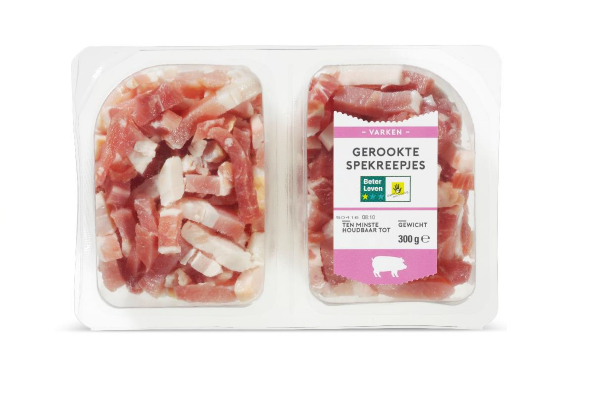
Lidl Netherlands is carrying out a recall for the product smoked bacon strips with an expiration date 03-03-2021 and 04-03-2021 and barcode 4056489052647.
Salmonella was found during a quality check at the producer. Consuming the smoked bacon strips can potentially pose a health hazard, especially to young children, the elderly, people with a weakened immune system and pregnant women. Consult your doctor or general practitioner if you have any questions about health problems.
Customers are requested not to eat the smoked bacon strips and to return them to a Lidl store, where they will be reimbursed for the purchase price upon return of the product.
See also Lidl website
Brand : Lovison spa
Name : Knife-tip salami
Reason for reporting : Recall due to microbiological risk
Publication date : 18 January 2021

Taipei, Jan. 15 (CNA) A total of 106 students and staff from a New Taipei elementary school were taken to hospitals in Chiayi City late Thursday after developing symptoms of food poisoning on the second day of their graduation trip, authorities said on Friday.
As of press time, 74 people — six adults and 68 students — who were sent to St. Martin de Porres Hospital suffering from vomiting and diarrhoea, had been discharged.
One student who was among 32 people — five adults and 27 students — taken to Chiayi Christian Hospital, remained hospitalized for further observation, Chiayi City Public Health Bureau Director Liao Yu-wei (廖育瑋) said.
Specimens taken from the patients are being analyzed by local health officials and the results will be available within a week, Liao added.


