Category Archives: Food Poisoning

RASFF Alerts – Aflatoxin – Basmati Rice – Groundnut Kernels -Groundnuts – Chilli Powder – Shelled Almonds

RASFF-Logo

RASFF – aflatoxins (B1 = 6.0; Tot. = 6.0 µg/kg – ppb) in basmati rice from Pakistan in Greece

RASFF – aflatoxins (B1 = 6.3; Tot. = 6.3 µg/kg – ppb) in basmati rice from Pakistan in Greece

RASFF – aflatoxins (B1 = 6.7; Tot. = 7.2 µg/kg – ppb) in groundnut kernels from the United States in the UK

RASFF – aflatoxins (B1 = 3 µg/kg – ppb) in groundnuts from Brazil in Poland

RASFF – aflatoxins (B1 = 5.6; Tot. = 5.6 µg/kg – ppb) in basmati rice from Pakistan in Greece

RASFF – aflatoxins (B1 = 32.6; Tot. = 35.9 µg/kg – ppb) in shelled almonds from the United States in Greece

RASFF – aflatoxins (B1 = 9 µg/kg – ppb) in chilli powder from India in the UK
RASFF Alert – Histamine – Frozen Tuna

RASFF-Logo

RASFF – spoilage (suspicion of high levels of histamine) of frozen tuna from France in France

New Zealand – PMN Kacang Wangi brand Peanut Cracker – Aflatoxin

MPI

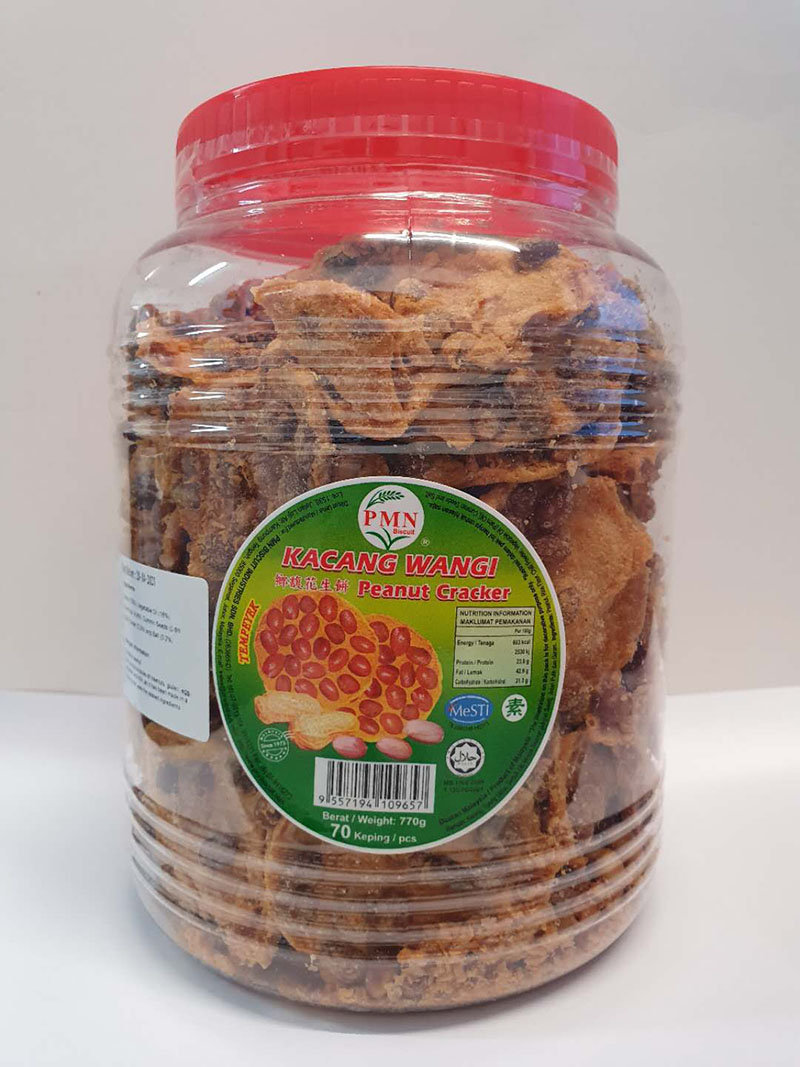
Natural Field Enterprises Ltd is recalling a specific batch of PMN Kacang Wangi brand Peanut Cracker as testing has identified toxins above acceptable levels.

Product type Crackers
Name of product (size) PMN Kacang Wangi brand Peanut Cracker (770g jar)
Date marking Best before 28.04.2021
Package size and description The product is sold in a 770g plastic jar.
Distribution The product is imported from Malaysia.

The product is sold at these retailers in Auckland:

  • Epacs Supermart, 12 Nandina Avenue, East Tamaki
  • Fresh and Save, 245 Manukau Road, Pukekohe.

The product has not been re-exported.

Notes This recall does not affect any other PMN Kacang Wangi brand products or any other products imported by Natural Field Enterprises Ltd.

Consumer advice

The recall is about specific toxins called aflatoxins. Aflatoxins are naturally occurring in many food products. They are produced by a group of moulds that grow on foods produced in hot and tropical climates. Levels of aflatoxin in the New Zealand diet are usually very low and don’t represent a health risk, however consumption of food products with increased levels of aflatoxin over a continuous period of time can be harmful.

Affected product should not be consumed. If you have consumed any of this product and have any concerns about your health, seek medical advice.

Customers should return the product to their retailer for a full refund.

Who to contact

If you have questions, contact Natural Field Enterprises Ltd:

  • Phone: (09) 272 9048
  • Address: 12 Nandina Avenue, East Tamaki, Auckland.

Syria – Dozens hit by food poisoning in Idlib

MEM

More than 50 Syrian families at the Al-Rayyan camp in the country’s northern city of Idlib have been poisoned by packaged meals distributed by an aid organisation working in the area.

Local media quoted the camp director, Abdo Al-Ali, as saying that the victims had included “women and children”, adding that they were receiving medical treatment at the hospitals in the area.

In May, dozens of Syrian families were reported to have been poisoned after eating breakfast distributed by an organisation in a refugee camp located in Idlib’s countryside of Deir Hassan. Others were also poisoned in June after eating takeaway meals from a restaurant in the city.

Idlib is the last opposition stronghold in Syria where millions now live after fleeing from their homes in the war-torn country.

New Zealand – Soyummy brand Dr. Fermented Bean Paste – Bacillus Cereus

MPI

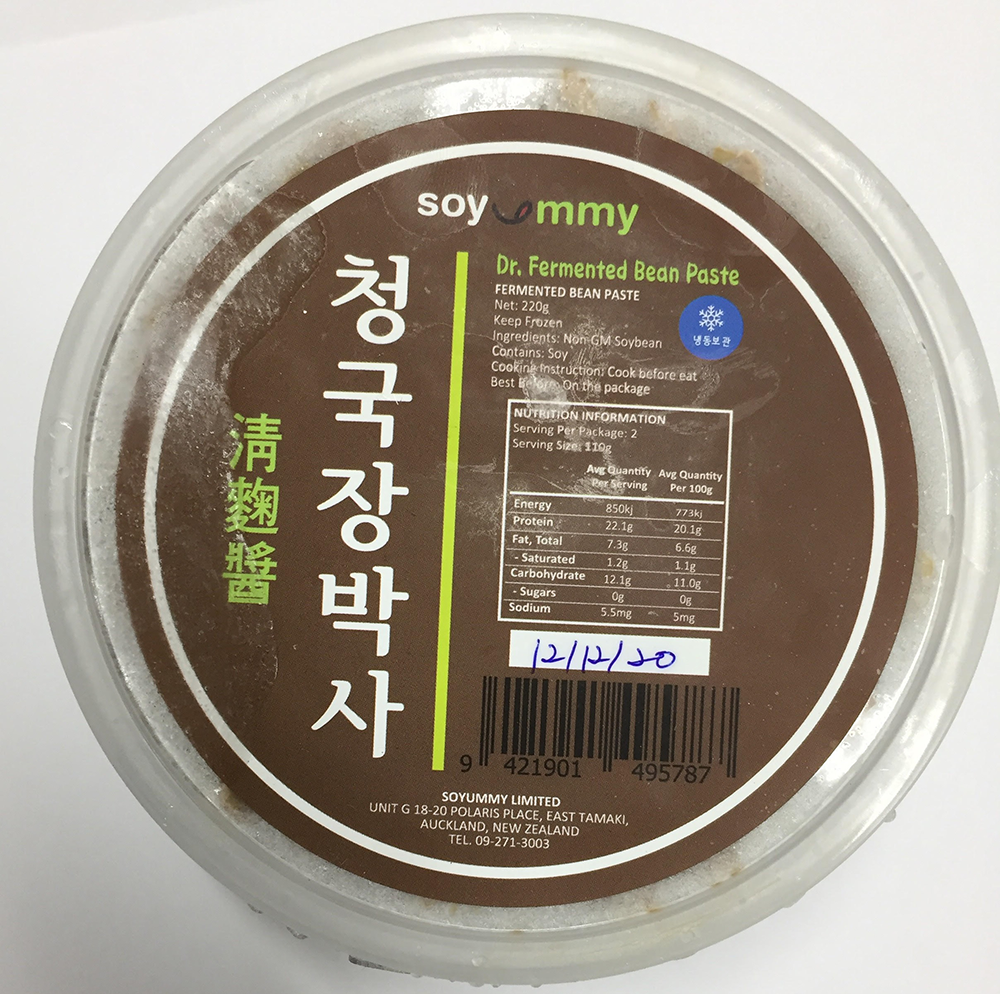
Soyummy Ltd is recalling specific batches of its Soyummy brand Dr. Fermented Bean Paste as the product contains elevated levels of Bacillus cereus bacteria.

Frozen plastic tub of Soyummy brand Dr. Fermented Bean Paste.
Soyummy brand Dr. Fermented Bean Paste (220g tub).


Product identification
Product type Soybean paste
Name of product (size) Soyummy brand Dr. Fermented Bean Paste (220g tub)
Date marking Best before: 30/09/20 and 13/12/20
Package size and description The product is sold frozen in a 220g plastic tub.
Distribution The affected product is sold in ethnic grocery stores throughout Auckland.
Notes This recall does not affect any other Soyummy brand products.

Consumer advice

Customers are asked to check the best before date on the lid of the product.

Affected product should not be consumed. There have been no reports of associated illness, however if you have consumed any of this product and have any concerns about your health, seek medical advice.

Customers should return the product to their retailer for a full refund.

Who to contact

If you have questions, contact Soyummy Limited:

  • Phone: 021 0261 4140
  • Address: Unit G, 18 Polaris Place, East Tamaki, Auckland.

Research – Survival and Histamine Production by Histamine-Forming Bacteria Exposed to Low Doses of Gamma Irradiation

JFP

ABSTRACT

Histamine poisoning occurs when fish containing high amount of histamine are consumed. Because histamine is thermally stable, control of histamine-forming bacteria in seafood is an appropriate strategy for preventing the formation of histamine. One prevention method is the use of gamma irradiation on the histamine formers. To understand the effect of gamma irradiation on the histamine-forming bacteria, laboratory isolates of the prolific histamine formers Morganella morganii, Klebsiella variicola, and Proteus vulgaris were exposed to various doses of gamma radiation in nutrient broth and tuna muscle spiked with histamine formers. None of the test bacteria survived in tuna muscle irradiated at 2.0 kGy. K. variicola was highly sensitive to gamma irradiation and was eliminated at a dose of 1.5 kGy. Histamine production also was reduced significantly as the radiation dose increased. These results suggest that gamma irradiation can effectively eliminate histamine-forming bacteria and reduce the threat of histamine poisoning from seafood.

HIGHLIGHTS
  • Histamine-forming bacteria are highly susceptible to low levels of gamma irradiation.
  • Prolific histamine formers in tuna meat were eliminated by irradiation at 2.0 kGy.
  • Irradiation at 1.5 kGy reduced the level of histamine formers in tuna meat by 4 to 5 log CFU.
  • Histamine formation in tuna meat can be controlled by low levels of gamma irradiation.

France – Leader Price brand 350g pistachios – Mycotoxin

Oulah

wow, product recall, product recall, consumption, consumer, danger, health, product safety

ENCOUNTERED PROBLEM

Possible presence of a mycotoxin

PROPOSED SOLUTION

Do not consume and return to the point of sale for reimbursement.

FURTHER INFORMATION

▸ Barcode
3263853011112

▸ DLC
07/26/2020

▸ Lot
14: 49

▸ Contact customer service
For any further information, you can contact the customer service by dialing the Toll Free Number: 0 800 35 00 00 (service and call free) from Monday to Friday from 8:30 am to 6:00 pm

▸ Source
https: //www.leaderprice.fr/


New Zealand – Shellfish biotoxin alert

MPI

North Island warnings

Hawke Bay

Reason for alert Paralytic shellfish poisoning (PSP)

Date warning issued 2 July 2020

Media release

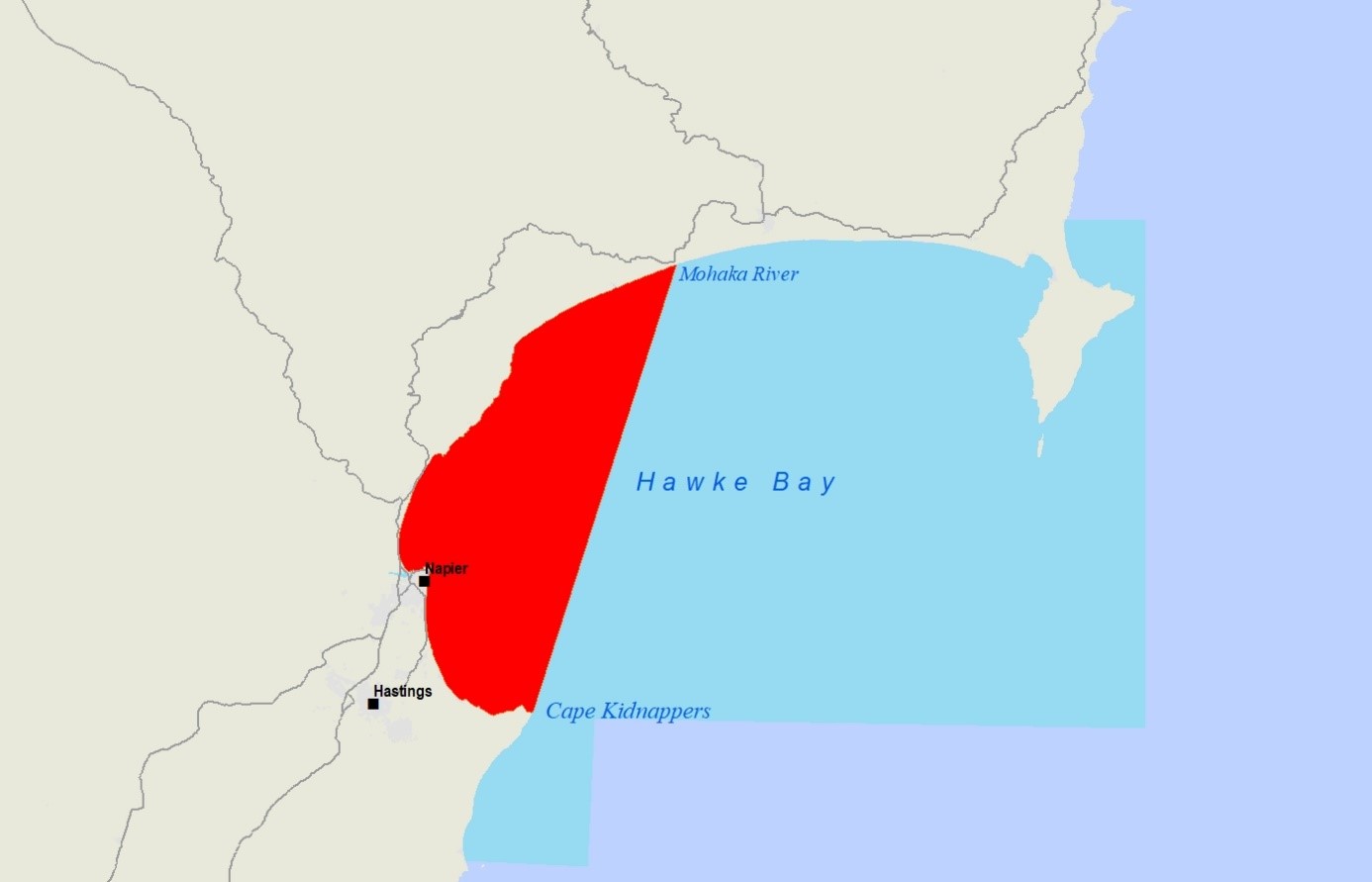
Affected area From Cape Kidnappers to the Mohaka River mouth, Hawke Bay
Shellfish affected Mussels, oysters, tuatua, pipi, toheroa, cockles, scallops, catseyes, kina (sea urchin) and all other bivalve shellfish.

Note, cooking shellfish does not remove the toxin.

Pāua, crab and crayfish may still be eaten if the gut has been completely removed prior to cooking, as toxins accumulate in the gut. If the gut is not removed its contents could contaminate the meat during the cooking process.

Symptoms Symptoms typically appear between 10 minutes and 3 hours after ingestion and may include:

  • numbness and a tingling (prickly feeling) around the mouth, face, and extremities (hands and feet)
  • difficulty swallowing or breathing
  • dizziness
  • headache
  • nausea
  • vomiting
  • diarrhoea
  • paralysis and respiratory failure and in severe cases, death.
Other information Paralytic shellfish toxins have been detected in shellfish at levels over the safe limit of 0.8mg/kg set by MPI. Ongoing testing will continue and any changes will be communicated accordingly.

Map of the affected area

Map showing the affected area
Map from Cape Kidnappers to the Mohaka River mouth, Hawke Bay.


Japan -Food poisoning hits some 3,500 in Japan’s Yashio city schools

Reuters

TOKYO (Reuters) – Almost 3,500 teachers and students at more than a dozen public schools in Japan’s Yashio city have become sick with diarrhoea and stomach pains in a mass food poisoning outbreak.

Saitama prefecture said on Thursday that 3,453 people in 15 elementary and middle schools in Yashio, a city of 92,000 just north of Tokyo, had been affected after eating a lunch supplied by the TQC cooperative on June 26.


RASFF Alerts – Aflatoxin – Ochratoxin A -Soya Chunks – Dried Figs – Groundnuts

RASFF-Logo

RASFF – aflatoxins (B1 = 6.9 µg/kg – ppb) and ochratoxin A (60 µg/kg – ppb) in soya chunks from India, via the United Kingdom in Switzerland

RASFF – aflatoxins (Tot. = 13 µg/kg – ppb) in diced dried figs from Turkey in France

RASFF – aflatoxins (B1 = 6.8; Tot. = 8.2 / B1 = 7.4; Tot. = 8.4 µg/kg – ppb) in groundnuts from Egypt in the Netherlands