Category Archives: Food Pathogen

New Zealand – South Island Fresh Foods Ltd – Update Listeria monocyotgenes – Recall

MPI

Updated on 11 February 2021: This recall has been amended to update the distribution list of stores where the affected products were sold. (Link above for all the stores)

Updated on 4 February 2021: This recall has been updated to remove all Night ‘n Day stores from the distribution list.

29 January 2021: South Island Fresh Foods Ltd is recalling specific varieties and batches of Bells, Bush Road, Country Foods and Pams brands ready-to-eat salads due to the possible presence of Listeria monocytogenes.
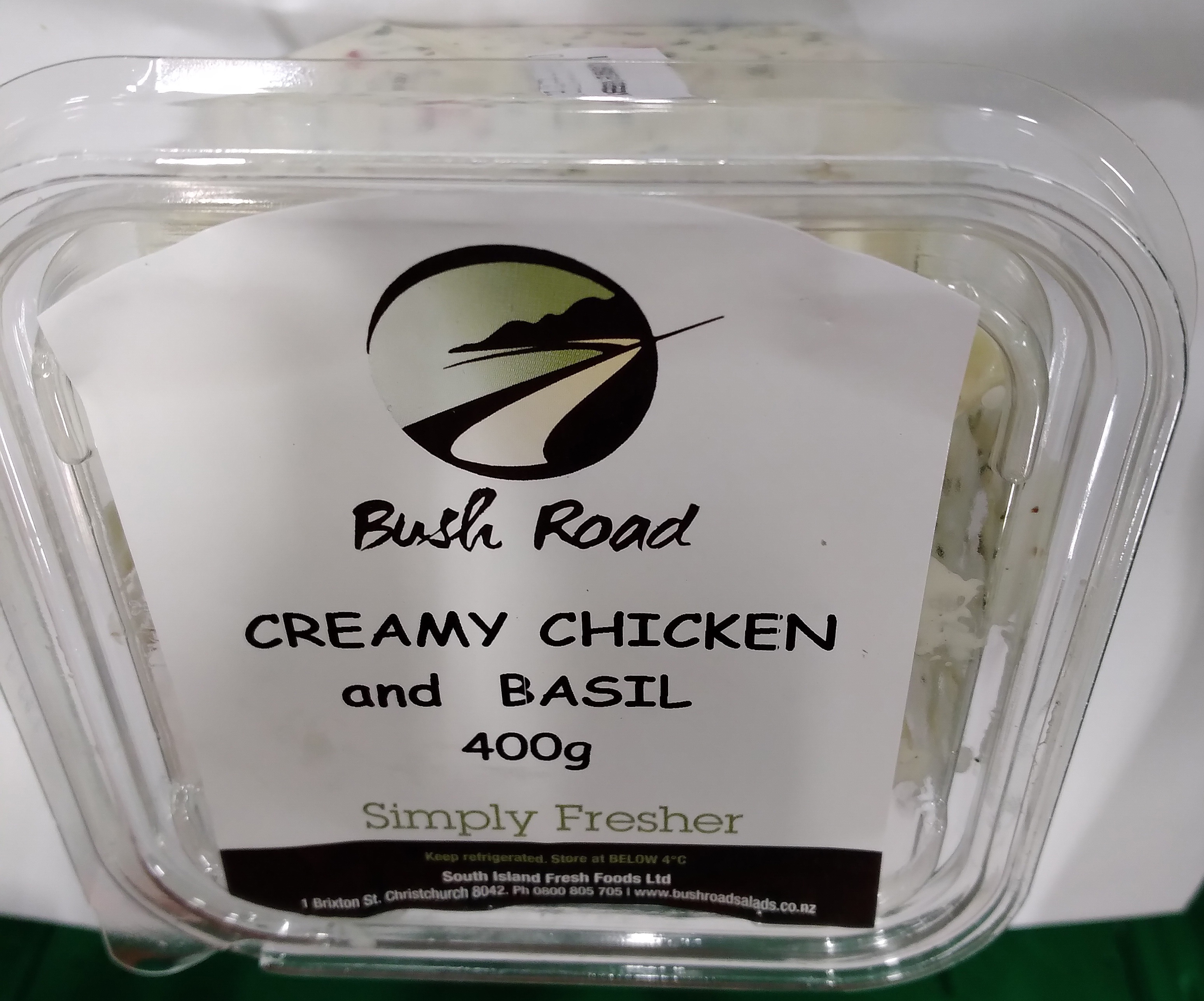
Bush Road Creamy Chicken and Basil 400g.

Bush Road Egg Supreme 200g.

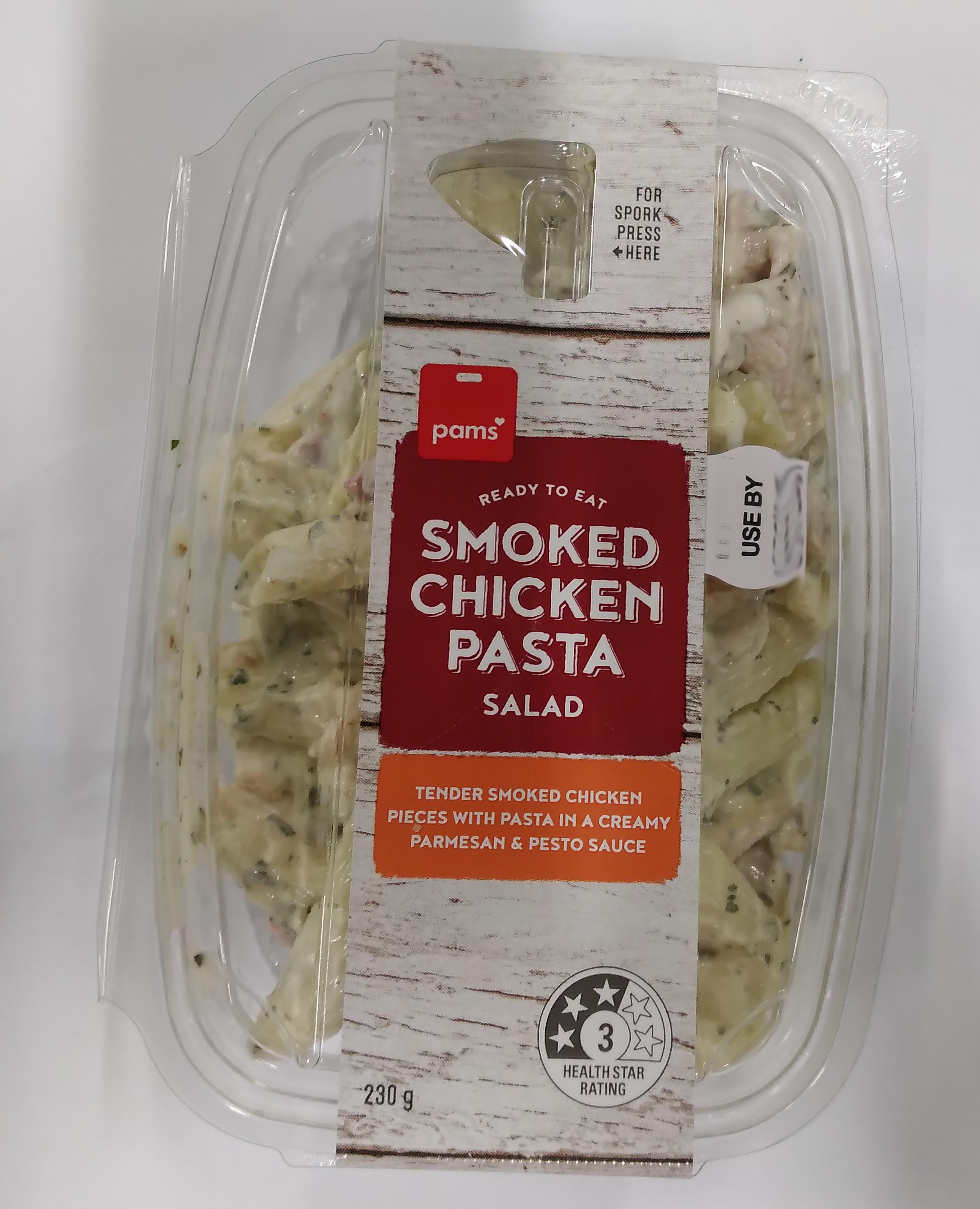
Pams Smoked Chicken Pasta Salad 230g.

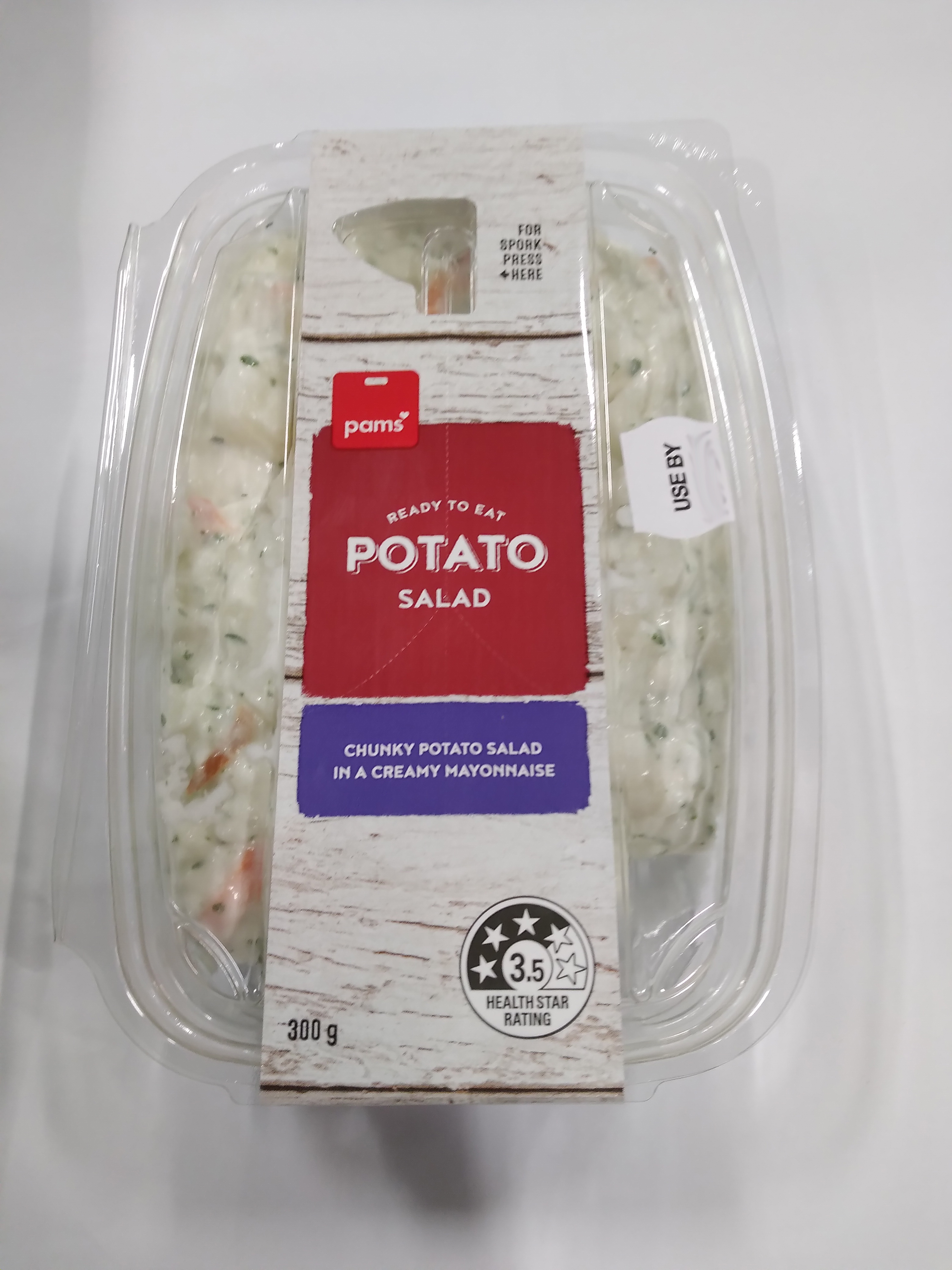
Pams Potato Salad 300g.

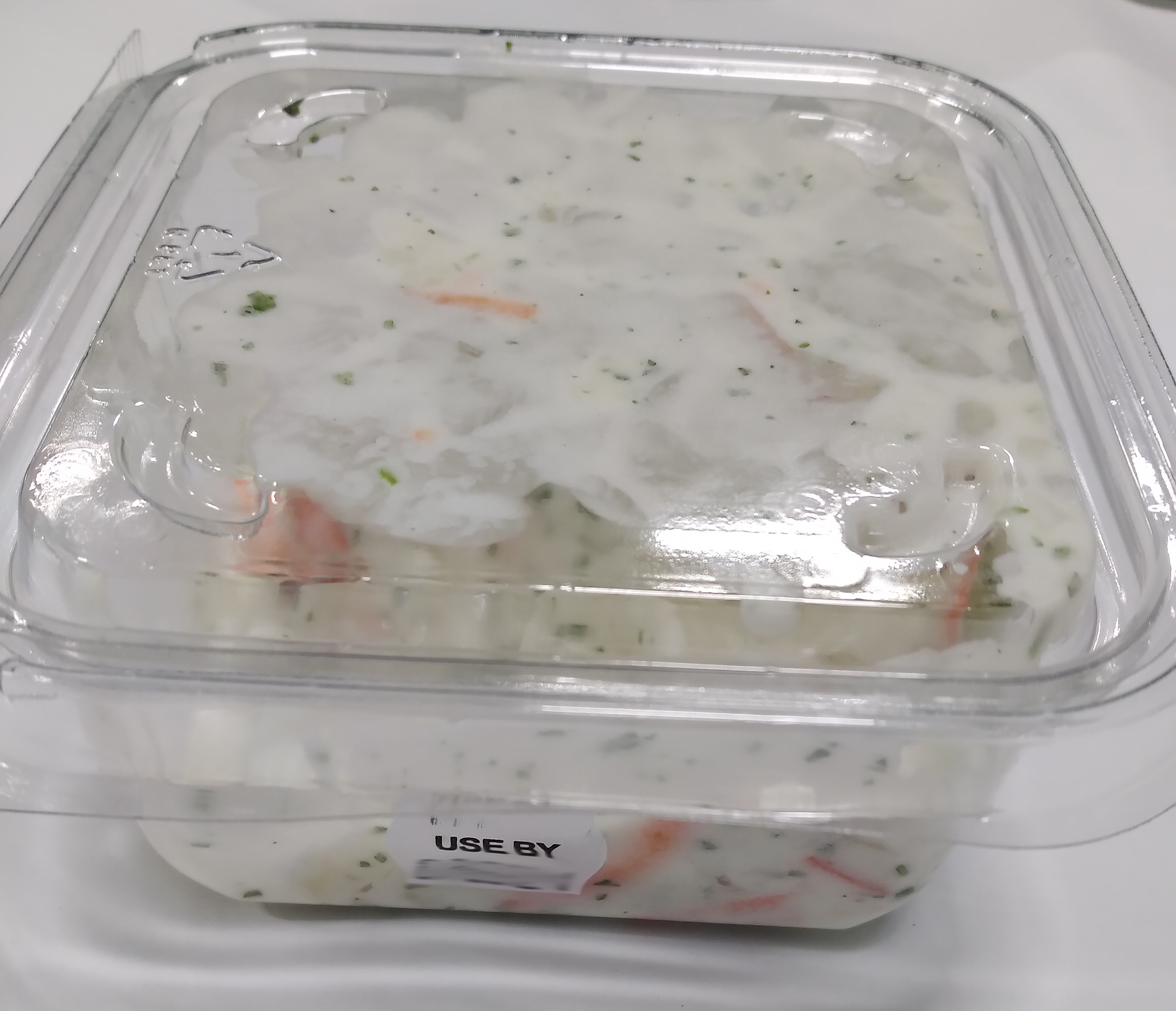
Unbranded Potato Salad 200g.

Product identification
Product type Ready-to-eat salads
Name of product (size) Sold pre-packed:

Bush Road brand Creamy Chicken Salad with Basil 400g with a use by date of 27JAN21 – 06FEB21

Bush Road brand Egg Supreme (200g) with a use by date of 31JAN21 – 07FEB21

Bush Road brand Potato Salad (250g) with a use by date of 31JAN21 – 07FEB21

Bush Road brand Potato Salad (400g) with a use by date of 31JAN21 – 10FEB21

Pams brand Potato Salad (300g) with a use by date of 31JAN21 – 10FEB21

Pams brand Smoked Chicken Pasta Salad (230g) with a use by date of 27JAN21 – 05FEB21

Unbranded Potato Salad (400g) and (600g) with a use by date of 31JAN21 – 07FEB21

Unbranded Potato Salad (200g) with a use by date of 08FEB21 – 09FEB21

Sold in-stores from deli counter:

Bells brand Potato Salad sold between 18 – 29 January 2021

Bush Road Creamy Chicken Salad with Basil sold between 18 – 29 January 2021

Bush Road brand Egg Supreme sold between 18 – 29 January 2021

Country Foods brand Egg and Celery sold between 18 – 29 January 2021

Country Foods brand Broccolini and Bacon sold between 18 – 29 January 2021

Use by Various weights with specific use by dates between 27JAN21 – 10FEB 21 (for pre-packed salads)

Various weights sold in-stores from the deli counter between 18 – 29 January 2021

Package size and description The product is sold in the deli section of the supermarket and in various weights in plastic packaging.

USA Research – Sources and prevalence of Cyclospora cayetanensis in Southeastern US water sources and growing environments

Centre For Produce Safety

Summary

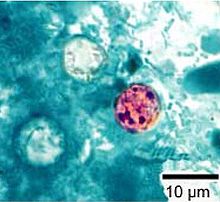
220px-Cyclospora_cayetanensis_stained

In 2018, a domestic-produce associated cyclosporiasis outbreak and the first Cyclospora detection on domestic produce demonstrated the need for a better understanding of Cyclospora prevalence in US produce growing environments. The Southeastern Coastal Plain growing region has several risk factors that warrant the evaluation of Cyclospora prevalence, including a farm worker population from Cyclospora-endemic areas, use of surface water for irrigation, and heavy rainfall that could transport Cyclospora into surface waters. The proposed study will assess Cyclospora prevalence in this region through two Georgia industry partners representing growing practices across the southeastern US. Human sewage samples from municipal wastewater influents and on-farm portable toilets will be tested to assess Cyclospora shedding in the region and on-farm, respectively. Cyclospora prevalence in the agricultural environment will be assessed in irrigation water and on produce (via a proxy measurement). Using newly developed tools, Cyclospora contamination found will be traced through the produce growing process by genetic typing to match detections between samples and by assessing parasite’s maturation state to approximate time since shedding. This study will add to the understanding of Cyclospora contamination in US produce growing environments and provide information about contamination routes to produce within the Southeastern US.

Technical Abstract

The increased frequency of produce-associated cyclosporiasis outbreaks highlights Cyclospora cayetanensis as an important emerging foodborne pathogen. Most produce associated cyclosporiasis outbreaks have implicated produce grown in areas where the disease is endemic. However, the 2018 detection of C. cayetanensis on US-grown produce and a cyclosporiasis outbreak associated with US-grown produce highlights the need for a better understanding of C. cayetanensis prevalence in US
agricultural environments and of the risks of oocyst contamination to domestically grown produce. The aims of the current study are to assess C. cayetanensis prevalence in irrigation water, harvested produce (via spent packing house water as a proxy), on-farm portable toilets, and municipal wastewater influents in the Southeastern Coastal Plain growing region in Georgia. Georgia vegetable growers produce a wide variety of ready-to-eat produce and utilize well water- and surface water-fed irrigation water holding ponds for produce irrigation, similar to other large agricultural regions in the US. Georgia growing regions are also subject to heavy rainfalls, which we have shown contributes to human fecal contamination of irrigation ponds in the region. Additionally, a majority of the farm workers harvesting
produce are from Cyclospora-endemic regions, representing a potential shedding source C. cayetanensis oocysts.

C. cayetanensis prevalence in the agricultural environment will be assessed by analyzing large-volume (50 L) irrigation water samples on eight farms monthly during non-harvesting periods and twice a month during harvest. At most, one additional irrigation water sample will be collected per month following heavy rainfall. The prevalence of C. cayetanensis from harvested produce will be assessed by analyzing large-volume (up to 50 L) of spent rinse and wash water from packing houses as a proxy measurement. Generic Escherichia coli and the human-specific Bacteroides HF183 fecal marker will be assessed to evaluate the overall and human-specific fecal contamination, respectively, in the water samples. Human sewage samples from municipal wastewater influents and on-farm portable toilets will be analyzed to assess the prevalence of C. cayetanensis shedding in the region generally and on the farm environment, respectively. C. cayetanensis detections will be subsequently analyzed to determine the genotype and sporulation state of detected oocysts, in order to estimate oocyst maturation level and compare the genetic relatedness of oocysts detected in various sample matrices. The typing information will allow for C. cayetanensis contamination to be traced through the growing process. The maturation data will allow for an estimate of the time spent in the environment after shedding from the human host and of potential health risks associated with consumption of contaminated produce, as maturation state determines infectivity of the parasite.

Data from this project will aid in the understanding of the domestic prevalence of C. cayetanensis in agricultural environments and provide the information needed to begin answering questions related to domestic C. cayetanensis produce contamination risks and identify best practices for risk reduction. Additionally, the evaluation of the human-specific fecal marker can provide insight into how Georgia vegetable growing practices are potentially preventing environmental and produce contamination.

Canada – Updated Food Recall Warning – One Ocean brand Sliced Smoked Wild Sockeye Salmon recalled due to Listeria monocytogenes

CFIA

Recall details

Ottawa, February 10, 2021 – The food recall warning issued on January 27, 2021 has been updated to include additional product information. This additional information was identified during the Canadian Food Inspection Agency’s (CFIA) food safety investigation.

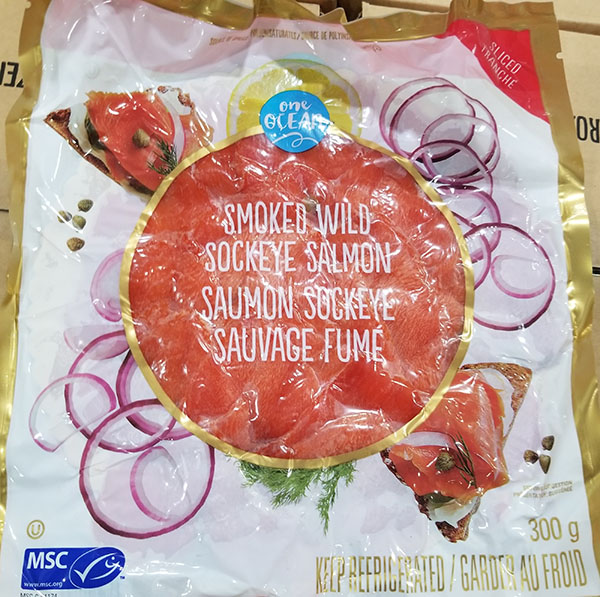
Orca Specialty Foods Ltd. is recalling One Ocean brand Sliced Smoked Wild Sockeye Salmon from the marketplace due to possible Listeria monocytogenes contamination. Consumers should not consume the recalled product described below.

Recalled product

Brand Product Size UPC Code
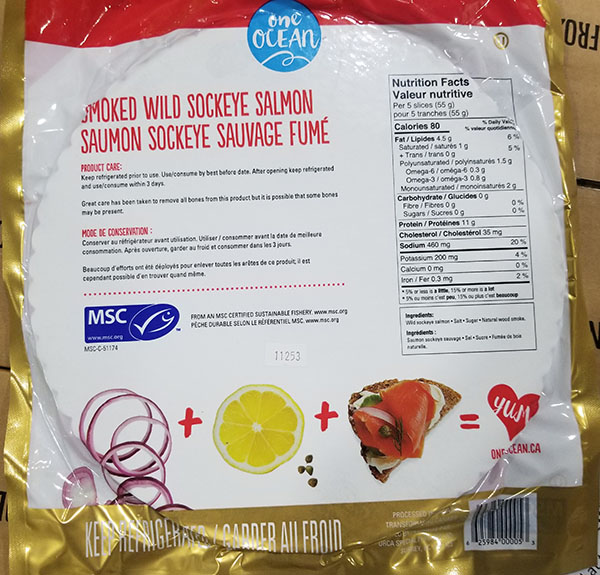
One Ocean Sliced Smoked Wild Sockeye Salmon 300 g 6 25984 00005 3 11253

What you should do

If you think you became sick from consuming a recalled product, call your doctor.

Check to see if you have the recalled product in your home. Recalled products should be thrown out or returned to the store where they were purchased.

Food contaminated with Listeria monocytogenes may not look or smell spoiled but can still make you sick. Symptoms can include vomiting, nausea, persistent fever, muscle aches, severe headache and neck stiffness. Pregnant women, the elderly and people with weakened immune systems are particularly at risk. Although infected pregnant women may experience only mild, flu-like symptoms, the infection can lead to premature delivery, infection of the newborn or even stillbirth. In severe cases of illness, people may die.

Background

This recall was triggered by CFIA test results. The CFIA is conducting a food safety investigation, which may lead to the recall of other products. If other high-risk products are recalled, the CFIA will notify the public through updated Food Recall Warnings.

The CFIA is verifying that industry is removing the recalled product from the marketplace.

Illnesses

There have been no reported illnesses associated with the consumption of this product.

Product photos

Printer ready version of photos

  • One Ocean - Sliced Smoked Wild Sockeye Salmon
  • One Ocean - Sliced Smoked Wild Sockeye Salmon - back

Public enquiries and media

Company information
Orca Specialty Foods Ltd.: 604-574-6722 ext. 223
Public enquiries
Toll-free: 1-800-442-2342 (Canada and U.S.)
Telephone: 1-613-773-2342 (local or international)
Email: cfia.enquiries-demandederenseignements.acia@canada.ca
Media relations
Telephone: 613-773-6600
Email: cfia.media.acia@canada.ca

USA – Shenandoah Growers, Inc Issues a Limited, Voluntary Recall of Specific Imported Organic Basil Because of Potential Health Risk – Cyclosporiasis

FDA

Company Announcement

Shenandoah Growers, Inc (Harrisonburg, VA) out of an abundance of caution, has issued a limited, voluntary recall of approximately 3240 units of branded fresh cut, packaged organic basil clamshells packed at its Indianapolis, Indiana location due to a possible health risk from Cyclospora.

Cyclosporiasis is an intestinal infection caused by the Cyclospora parasite. A person may become infected after ingesting contaminated food or water. Common symptoms include severe abdominal pain, watery diarrhea, nausea and vomiting, body aches and fatigue. The infection is treated with antibiotics and most people respond quickly to treatment.

Only the following specific lot codes are affected:

PV40515 1034     PV40515 3034     PV40515 4034     PV40515 3035

The affected product has a country of origin of Colombia and was harvested entirely from Puerto Vallarta Herbs SAS (Farm) and imported by Vallarta Organics LLC dba Organic Destiny (Importer).

Affected lot codes shipped:

Lot Code: Pack Date: Brand: Size: Location UPC:
PV40515 1034 2/3/2021 Shenandoah Growers by That’s Tasty 0.75 oz Indianapolis Fruit 7-68573-00101-4
PV40515 1034 2/3/2021 Shenandoah Growers by That’s Tasty 2.0 oz Indianapolis Fruit 7-68573-02143-2
PV40515 1034 2/3/2021 Shenandoah Growers by That’s Tasty 4.0 oz Indianapolis Fruit 7-68573-00141-0
PV40515 3034 2/3/2021 That’s Tasty (Pasta Blend) 0.5 oz Vine Line Produce 7-68573-52008-9
PV40515 3034 2/3/2021 That’s Tasty 0.5 oz Vine Line Produce 7-68573-50502-4
PV40515 3034 2/3/2021 Shenandoah Growers by That’s Tasty 4 oz Vine Line Produce Bulk N/A
PV40515 3034 2/3/2021 Shenandoah Growers by That’s Tasty 1 lb. Vine Line Produce Bulk N/A
PV40515 4034 2/3/2021 Simple Truth 3.0 oz Kroger 0-11110-00876-3
PV40515 1034 2/3/2021 That’s Tasty 0.25 oz J&J Distributing 7-68573-02515-7
PV40515 1034 2/3/2021 Shenandoah Growers by That’s Tasty 0.75 oz J&J Distributing 7-68573-00101-4
PV40515 3035 2/4/2021 That’s Tasty 3.0 oz Schnucks 7-68573-53001-9

Recalled products were distributed to select retail stores between 2/3/2021 to 2/4/2021 in the following states: Illinois, Indiana, Iowa, Michigan, Minnesota, Mississippi, Missouri, Ohio, Tennessee, and Wisconsin.

This recall notification is being issued due to a single instance in which a sample of bulk product was pulled at the port of entry in Miami and tested by the FDA as part of routine surveillance and indicated the potential presence of Cyclospora.

Affected Shenandoah Growers customers have been notified of the recall and instructed to immediately remove and discard recalled products from all store shelves, distribution and other inventories to ensure they are no longer available for sale or consumption.

The Shenandoah Growers recall includes only those clamshells of certified organic basil clearly marked with the affected lot codes listed above. The lot code can be found printed on each clamshell.

No other Shenandoah Growers products are subject to recall, and the company has no knowledge of any illness reported or related to this product to date.

Consumers who may have a recalled basil product should discard it immediately and not eat it. Consumers with questions, or to obtain refunds, may contact the Shenandoah Growers Consumer Response Center at 844-896-6939 Monday through Friday, 8 am to 5 pm EST.

Shenandoah Growers takes food safety matters very seriously, and stringently follows all mandated regulations and implements preventive measures designed to minimize potential risks. Shenandoah Growers is working in close coordination with regulatory officials, including the FDA, on this matter.

Company Contact Information

Shenandoah Growers Consumer Response Center
844-896-6939


Company Contact Information

Consumers:
Shenandoah Growers Consumer Response Center
 844-896-6939

Research – Food Safety for Expectant Mothers to Prevent Listeria

Food Poisoning News

Centers for Disease Control and Prevention (CDC) has shared that pregnant women are approximately 10 times more likely to become infected with listeriosis than other healthy individuals. It is also estimated that 1 out of 6 of all Listeria cases occur in expectant mothers.

Listeria monocytogenes is a dangerous bacterium most often found in pre-prepared refrigerated foods such as dairy, poultry, seafood, meat, and unpasteurized milk or unpasteurized milk products. The symptoms experienced by adults from Listeriosis often include diarrhea or an upset stomach, chills, fever, stiff neck, confusion, and dizziness, and can take a couple days or even weeks to appear. Listeria can also be fatal at times for the mother. Most commonly however, infected pregnant women do not experience symptoms and unknowingly give it to their child. Listeriosis can lead to premature birth, delivery or a low-weight infant, or even death. Babies whom become infected with Listeriosis later are known to develop many serious conditions such as impairments of the brain, heart or kidney, paralysis, seizures, intellectual disability, and blindness. Listeria Monocytogenes can also cause meningitis and blood infections in newborns.

Italy – Foods of Scotland srl – Smoked Salmon – Listeria monocytogenes

SAP

Brand : Foods of Scotland srl

Name : Smoked Salmon

Reason for reporting : Recall due to microbiological risk

Publication date : 8 February 2021

Documentation

Documentation

Sweden – Sweden reports increase in Yersinia cases

Outbreak News Today

Yersinia p

The Swedish Public Health Agency, or Folkhälsomyndigheten reports an increase in cases of Yersinia infections since the second week of January, according to a February 3 release.

They say more than twice as many people have contracted Yersinia infection as during the same period in the immediately preceding years.

An increased number of patients has mainly been observed in the regions of Stockholm, Västra Götaland and Halland, which together account for 33 of the total of 48 disease cases reported since 11 January.

Research – From Cheese-Making to Consumption: Exploring the Microbial Safety of Cheeses through Predictive Microbiology Models

MDPI

Cheeses are traditional products widely consumed throughout the world that have been frequently implicated in foodborne outbreaks. Predictive microbiology models are relevant tools to estimate microbial behavior in these products. The objective of this study was to conduct a review on the available modeling approaches developed in cheeses, and to identify the main microbial targets of concern and the factors affecting microbial behavior in these products. Listeria monocytogenes has been identified as the main hazard evaluated in modelling studies. The pH, aw, lactic acid concentration and temperature have been the main factors contemplated as independent variables in models. Other aspects such as the use of raw or pasteurized milk, starter cultures, and factors inherent to the contaminating pathogen have also been evaluated. In general, depending on the production process, storage conditions, and physicochemical characteristics, microorganisms can grow or die-off in cheeses. The classical two-step modeling has been the most common approach performed to develop predictive models. Other modeling approaches, including microbial interaction, growth boundary, response surface methodology, and neural networks, have also been performed. Validated models have been integrated into user-friendly software tools to be used to obtain estimates of microbial behavior in a quick and easy manner. Future studies should investigate the fate of other target bacterial pathogens, such as spore-forming bacteria, and the dynamic character of the production process of cheeses, among other aspects. The information compiled in this study helps to deepen the knowledge on the predictive microbiology field in the context of cheese production and storage. View Full-Text

India – 40 fall sick due to food poisoning in Metpally

Telangana Today

Jagityal: At least 40 persons took ill after having dinner at a function in Peddapur of Metpally mandal late on Friday night.

Pilli Chinna Mallaiah threw a small party to celebrate construction of his house. The guest were served mutton curry and makka gudalu (maize). At least 40 of the 60 villagers who participated in the function developed symptoms of food poisoning like diarrhea and vomitings later in the night.

Korea – Food poisoning cases fall to record low

Korea Herald

The number of food poisoning cases last year was the lowest ever recorded as the COVID-19 pandemic forced cafeterias to close and increased an emphasis on personal hygiene, data showed Sunday.

According to the Ministry of Food and Drug Safety, the number of reported food poisoning cases reached 178, down 52 percent from five-year average of 343 cases since 2015.

The number of food poisoning patients reached 53 per million, down 40 percent from an average of 133 patients per million from 2015 to 2019. The ministry said both figures for 2020 are the lowest rates ever recorded since data was compiled in 2002.

The ongoing virus pandemic has played a big role in curbing infections, the ministry said, as the number of mass food poisoning outbreaks significantly dropped with closure of mass dining facilities in schools and offices.