Category Archives: Food Microbiology Research

USA – The Quest for Safer Chicken

Consumer Reports

Why are potentially deadly bacteria legally allowed in our poultry? And how can you and your family stay safe?

Amanda Craten used to love cooking, especially big Sicilian dinners prepared for her extended family, relishing the family bonding as much as the food. But that changed in 2013 after Craten’s son and mother-in-law became seriously ill with Salmonella Heidelberg, a virulent, antibiotic-resistant strain of bacteria that was traced to chicken from Foster Farms, a leading poultry processor.

That contaminated chicken was part of a salmonella outbreak that spanned 16 months and sickened 634 people across the country, more than a third of whom had to be hospitalized. And for Craten’s family, in Arizona, the consequences were devastating.

Hong Kong – CFS reminds public to pay more attention to food safety risks in summer

CFS

The Centre for Food Safety (CFS) of the Food and Environmental Hygiene Department (FEHD) today (July 20) released the findings of its Summer Food Surveillance Programme 2021. The results of over 2 000 food samples tested were satisfactory except for three samples that had been announced earlier. The overall satisfactory rate was 99.85 per cent. A CFS spokesman reminded members of the public to remain vigilant and pay more attention to food safety and environmental hygiene as the hot and humid climate of summer in Hong Kong facilitates the multiplication of bacteria.

The spokesman said, “The CFS collected 2,002 samples from market stalls, restaurants, food factories, fresh provision shops, online vendors, hawkers and premises in connection with intelligence, etc for tests.”

The samples comprised 180 samples of dairy products and frozen confections, 138 samples of cut fruit and salads, 97 samples of desserts and drinks, 54 samples of sandwiches, 251 samples of cooked meat products and 551 samples of other ready to eat foods. The CFS was notified of multiple food poisoning cases which involved consumption of raw oysters this summer and therefore enhanced the testing of aquatic products. A total of 731 samples of aquatic products such as sushi and sashimi, fish, crustaceans (such as shrimp and scampi), molluscs and other edible aquatic animals (such as oysters and venus clams) were collected for tests.

The spokesman said that 1,800 food samples were collected for microbiological tests, 132 samples for tests of metallic contaminants and 70 samples for tests of veterinary drug residues. Samples tested for microbiological tests and metallic contaminants were all satisfactory. As for the tests of veterinary drug residues, except for three samples (one for venus clam, one for clam and one for common oriental clam) in which chloramphenicol were found, the remaining samples were all satisfactory. The overall satisfactory rate was 99.85 per cent.

The CFS has announced the test results of the unsatisfactory samples and conducted follow-up actions, including instructing the concerned vendors to stop sales and remove the products from the shelves, tracing the source and informing the authority of the origin.

The spokesman pointed out that although unsatisfactory samples for microbiological tests were not found in the Summer Food Surveillance Programme 2021, bacteria grow faster in warmer environments in summer, and that the hot weather increases the risk of food poisoning caused by bacteria.

The spokesman reminded members of the public in particular that raw or undercooked foods are high-risk foods as there is not any, or inadequate, heat treatment to eliminate the microorganisms present that can pose risks to human health. Raw or undercooked foods are also associated with the risk of contracting antimicrobial resistance (AMR) microorganisms. Although these AMR microorganisms may not cause illnesses, they may transfer their antibiotic resistance genes to other bacteria inside the human body, therefore affecting the effectiveness of the future use of antibiotics when needed. Susceptible populations such as pregnant women, young children, the elderly and people with weakened immunity (i.e. people with chronic diseases or those on antibiotics treatment, antacid and long-term steroids or drugs given to prevent transplant rejection, etc) are of higher risk of being infected or having complications if they consume raw or undercooked foods due to their health status. They should therefore avoid eating raw and undercooked foods.

Members of the public should pay attention to food safety, especially in summer, and observe the following Five Keys to Food Safety in order to reduce the risk of foodborne diseases:

  • choose (choose safe raw materials);
  • clean (keep hands and utensils clean);
  • separate (separate raw and cooked food);
  • cook (cook thoroughly); and
  • safe temperature (keep food at a safe temperature).

Members of the public are also reminded to dine out in licensed and hygienic restaurants. Food premises selling sushi and sashimi or other high risk food require a special permit. The public should patronise only those with relevant licences or permits issued by the FEHD.

Ends/Tuesday, July 20, 2021

USA – FOOD SAFETY AND FARMER’S MARKETS

Click to access Food%20Safety%20and%20the%20Farmers%20Market.pdf

UK project gets funding to monitor foodborne pathogens and AMR

Food Safety News

A project in the United Kingdom has received funding for the surveillance of foodborne pathogens and antimicrobial resistance.

Pathogen Surveillance in Agriculture, Food and the Environment (PATH-SAFE) involves the Food Standards Agency (FSA); Food Standards Scotland (FSS); Department of Environment, Food and Rural Affairs (Defra); Department of Health and Social Care (DHSC); Public Health England (PHE); and the Environment Agency.

The aim is to establish the infrastructure and sampling frameworks needed to monitor the source and spread of foodborne pathogens and antimicrobial resistance (AMR) genes between the environment, animals, food and people.

Research – Formation of multi-species biofilms and their resistance to disinfectants in food processing environments: A review

Journal of Food Protection

In food processing environments, various microorganisms can adhere and aggregate on the surface of equipment, resulting in the formation of multi-species biofilms. Complex interactions among microorganisms may affect the formation of multi-species biofilms and their resistance to disinfectants, which are food safety and quality concerns. This paper reviews the various interactions among microorganisms in multi-species biofilms, including competitive, cooperative and neutral interactions. Then, the preliminary mechanisms underlying the formation of multi-species biofilms are discussed in relation to factors, such as quorum sensing (QS) signal molecules, extracellular polymeric substances (EPS) and biofilm-regulated genes. Finally, the resistance mechanisms of common contaminating microorganisms to disinfectants in food processing environments are also summarized. This review is expected to facilitate a better understanding of inter-species interactions, and provide some implications for the control of multi-species biofilms in food processing.

Research – Characterisation of multidrug resistant Escherichia coli isolated from two commercial lettuce and spinach supply chains

Journal of Food Protection

ABSTRACT Leafy green vegetables have increasingly been reported as a reservoir of multidrug-resistant pathogenic Enterobacteriaceae; with Shiga toxin- producing Escherichia coli frequently implicated in disease outbreaks worldwide.  This study aimed to determine the presence and characteristics of antibiotic resistance, diarrheagenic virulence genes and phylogenetic groupings of E. coli isolates (n=51) from commercially produced lettuce and spinach from the farm, through processing and at the point of sale.  Multidrug resistance was observed in 33 of the 51 E. coli isolates (64.7%); with 35.7% (n=10/28) being generic and 100% (n=23/23) Extended Spectrum β-lactamase/AmpC- producing.  Resistance of E. coli isolates was observed against neomycin (100%; n=51/51), ampicillin (70.6%; n=36/51), amoxycilin (68.6%; n=35/51), tetracycline (45%; n=23/51), trimethoprim/ sulfamethoxazole (43%; n=22/51), chloramphenicol (25.5%; n=13/51), augmentin (11.8%; n=6/51) and gentamicin (7.8%; n=4/51); with 100% (n=51/51) susceptibility to imipenem. Virulence gene eae was detected in two E. coli isolates from irrigation water sources only, while none of the other virulence genes tested for were detected.   Most of the E. coli strains belonged to phylogenetic group B2 (25.5%; n=13), B1 (19.6%; n=10) and A (17.6%; n=9); with D (5.9%; n=3) less distributed. Although diarrheagenic E. coli were not detected, antibiotic resistance in E. coli prevalent in the supply chain was evident. Additionally, a clear link between E. coli isolates from irrigation water sources and leafy green vegetables through DNA fingerprinting was established which indicates the potential transfer of E. coli from irrigation water to minimally processed leafy green vegetables.

Research – Multidrug resistant and ESBL producing Salmonella enterica serotype Heidelberg is widespread in a poultry processing facility from Southern Brazil

Journal of Food Protection

This study aimed to characterize the Salmonella spp. distribution in a poultry processing facility, and to identify their antibiotic resistance profiles. S. enterica was detected in 146 samples (66.7%), and 125 isolates were identified as S. Heidelberg (n = 123), S. Abony (n = 1) and S. O:4,5 (n = 1). S. Heidelberg isolates were subjected to XbaI macrorestriction and PFGE, resulting in 66 pulsotypes grouped in 4 major clusters and demonstrating the cross contamination and persistence of this serotype in the processing facility. Also, S. enterica selected isolates were subjected to antibiotic resistance characterization, with most being categorized as multidrug resistant (n = 122, 97.6%). The resistance to third generation cephalosporins was particularly high: ceftazidime (n = 84, 67.2%) and cefotaxime and ceftriaxone (n = 91, 72.8%). Production of extended-spectrum beta-lactamases (ESBL) was identified in 24 isolates (19.2%) and ESBL-producing isolates were resistant to at least eight different antibiotics. The study highlighted the occurrence and the distribution of S. Heidelberg in the poultry chain, allowing proper understanding of the ecology of this pathogen in the studied facility. Also, the presence of multidrug resistant S. enterica at high frequencies is a concern due to the potential consequences for public health.

Research – Modelling the Effect of Salt Concentration on the Fate of Listeria monocytogenes Isolated from Costa Rican Fresh Cheeses

MDPI

“Turrialba cheese” is a Costa Rican fresh cheese highly appreciated due to its sensory characteristics and artisanal production. As a ready-to-eat dairy product, its formulation could support Listeria monocytogenes growth. L. monocytogenes was isolated from 14.06% of the samples and the pathogen was able to grow under all tested conditions. Due to the increasing demand for low-salt products, the objective of this study was to determine the effect of salt concentration on the growth of pathogen isolates obtained from local cheese. Products from retail outlets in Costa Rica were analyzed for L. monocytogenes. These isolates were used to determine growth at 4 °C for different salt concentration (0.5–5.2%). Kinetic curves were built and primary and secondary models developed. Finally, a validation study was performed using literature data. The R2 and Standard Error of fit of primary models were ranked from 0.964–0.993, and 0.197–0.443, respectively. An inverse relationship was observed between growth rate and salt concentration. A secondary model was obtained, with R2 = 0.962. The model was validated, and all values were Bf > 1, thus providing fail-safe estimations. These data were added to the free and easy-to-use predictive microbiology software “microHibro” which is used by food producers and regulators to assist in decision-making. View Full-Text

Research – Combined Hurdle Technologies Using UVC Waterproof LED for Inactivating Foodborne Pathogens on Fresh-Cut Fruits

MDPI

This study investigated the combined bactericidal efficacy of slightly acidic electrolyzed water (SAEW), fumaric acid (FA), and ultravioletC waterproof light-emitting diodes (UVC W-LED) for the control of Staphylococcus aureus and Listeria monocytogenes in fresh-cut fruits. Cherry tomato, grape, apple, and pineapple were inoculated with S. aureus and L. monocytogenes and then washed with 30 ppm SAEW containing 0.5% FA in a container equipped with two UVC W-LEDs. Behaviors of S. aureus and L. monocytogenes and quality properties of fresh-cut fruits were monitored after storage at 10 °C and 15 °C for 7 days. The most effective reductions of S. aureus (1.65 log CFU/g) and L. monocytogenes (2.63 log CFU/g) were observed in the group with the combined treatment of SAEW + FA and UVC W-LED. At 10 °C and 15 °C, populations of both pathogens in the combined treatment group were lower than those in a control. Combined treatment showed no negative effect on moisture retention in the fruit. Moreover, visual changes were less significant than in the control. These results demonstrate that the combined treatment can improve the microbial safety and the quality of fruits. If it is properly used in the sanitizing step of the fresh produce industry, a positive effect can be expected.

USA – Oysters and Vibriosis

CDC

What You Need to Know

  • Eating raw oysters and other undercooked seafood can put you at risk for infections, such as vibriosis.
  • Vibriosis is caused by some kinds of Vibrio bacteria.
  • Most Vibrio infections happen during warmer months, but they can happen anytime.
  • An oyster that contains Vibrio doesn’t look, smell, or taste different from any other oyster.
  • A way to kill Vibrio in oysters is to cook them properly.
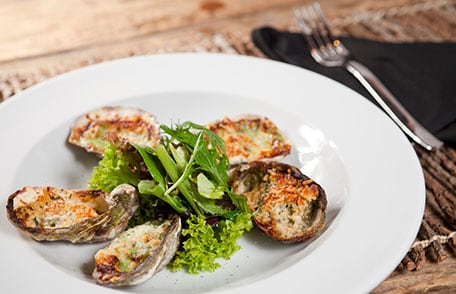
Plate of baked oysters

Many people enjoy eating raw oysters, and raw oyster bars are growing in popularity. But eating raw or undercooked oysters and other shellfish can put you at risk for foodborne illness.

Learn about vibriosis, an illness caused by infection with certain kinds of Vibrio bacteria, and steps you can take to protect your health when it comes to oysters and other shellfish.

Vibrio bacteria naturally inhabit coastal waters where oysters live. Because oysters feed by filtering water, Vibrio and other harmful bacteria and viruses can concentrate in their tissues. When someone eats raw or undercooked oysters, germs that might be in the oyster can cause illness.

CDC estimates that about 80,000 people get vibriosis—and 100 people die from it—in the United States every year. Most of these illnesses happen from May through October when water temperatures are warmer. However, you can get sick from eating raw or undercooked oysters during any month of the year, and raw oysters from typically colder waters also can cause vibriosis.

An oyster that contains harmful bacteria doesn’t look, smell, or even taste different from any other oyster. You can kill Vibrio in oysters and certain other shellfish, such as mussels and clams, by cooking them properly.

What are the symptoms of vibriosis?

Most Vibrio infections from oysters, such as Vibrio parahaemolyticus infection, result in mild illness, including diarrhea and vomiting. However, people with a Vibrio vulnificus infection can get very sick. As many as 1 in 5 people with a Vibrio vulnificus infection die. This is because Vibrio vulnificus infection can lead to bloodstream infections, severe blistering skin lesions, and limb amputations.

If you develop symptoms of vibriosis, tell your medical provider if you recently ate or touched raw oysters or other raw shellfish or came into contact with salt water or brackish water. Brackish water is a mixture of salt water and fresh water. It is often found where rivers meet the sea.

Who is more likely to get vibriosis?

Anyone can get vibriosis, but you may be more likely to get an infection or severe illness if you:

  • Have liver disease, cancer, diabetes, HIV, or the blood disorder thalassemia
  • Receive immune-suppressing therapy for the treatment of disease
  • Take medicine to lower stomach acid levels
  • Have had recent stomach surgery
  • Are 65 years or older

How do people get vibriosis?

Most people become infected by eating raw or undercooked shellfish, particularly oysters. Other people become infected by:

  • Getting brackish or salt water in a wound, such as when they’re swimming, wading, or fishing.
  • Cutting themselves on an item, such as a rock or pier, that has come into contact with brackish or salt water.
  • Getting raw seafood juices or drippings in a wound.

How can I stay safe?

Follow these tips to reduce your chances of getting an infection when eating or touching shellfish and other seafood:

  • Don’t eat raw or undercooked oysters or other shellfish. Fully cook them before eating, and only order fully cooked oysters at restaurants. Hot sauce and lemon juice don’t kill Vibrio bacteria and neither does alcohol.
    • Some oysters are treated for safety after they are harvested. This treatment can reduce levels of vibriosis in the oyster, but it does not remove all harmful germs. People who are more likely to get vibriosis should not eat any raw or undercooked oysters.
  • Separate cooked seafood from raw seafood and its juices to avoid cross contaminationexternal icon.
  • Wash your hands with soap and water after handling raw seafood.
  • Stay out of salt water or brackish water if you have a wound (including from a recent surgery, piercing, or tattoo).
    • Cover any wounds if they could touch raw seafood or raw seafood juices, or if you might come into contact with brackish or salt water.
  • Wash open wounds and cuts thoroughly with soap and water if they contacted salt water or brackish water or raw seafood or raw seafood juices or drippings.

What are tips for cooking shellfish?

Before cooking, discard any shellfish with open shells.

For shellfish in the shell, either:

  • Boil until the shells open and continue boiling another 3-5 minutes, or
  • Add to a steamer when water is already steaming and cook for another 4–9 minutes.

Only eat shellfish that open during cooking. Throw out any shellfish that do not open fully after cooking.

For shucked oysters, either:

  • Boil for at least 3 minutes,
  • Fry in oil for at least 3 minutes at 375°F,
  • Broil 3 inches from heat for 3 minutes, or
  • Bake at 450°F for 10 minutes.