Category Archives: Food Microbiology Research

Research – Safeguarding produce from E. coli contamination

Phys Org

Leafy greens such as spinach and lettuce are among the most nutrient-packed foods we can eat—and some of the most prone to make us miserable, or worse. The pathogenic bacterium Escherichia coli O157:H7 causes millions of illnesses globally each year, health authorities say, including thousands of severe infections that can lead to kidney failure and even death.

The infections are often contracted from contaminated produce irrigated with water that contains animal waste runoff or grown in open fields where intruding wildlife leave feces.

To help address this challenge, a University of Maryland food safety expert is conducting microbial research to determine  for commercial growers who find evidence of wildlife faeces, or scat, in their fields.

Shirley Micallef, a professor in the Department of Plant Science and Landscape Architecture, recently concluded a series of field trials on Maryland’s Eastern Shore that examined how E. coli moves from scat to a lettuce crop following a rain event.

The results from the research, which involved other faculty and students in the College of Agriculture and Natural Resources, were recently published in the journal Frontiers in Plant Science.

Research – Climate change increases foodborne illness risk from raw produce

Science Daily

Climate change will increase the risk of the foodborne illness from Salmonella enterica, according to a new study. The research was published today in Applied and Environmental Microbiology, a journal of the American Society for Microbiology.

S. enterica causes disease in 1.2 million people in the United States every year.

In recent years, the most common route of infection has been the consumption of contaminated fresh produce.

Salmonella survives on multiple agricultural crops and persists in the soil for extended periods of time.

On plants, researchers have found that Salmonella exploits changes to the plant environment imparted by other organisms.

Plants infected with bacterial phytopathogens (organisms that cause disease in plants) result in increased persistence for this human enteric pathogen.

“It’s not surprising that a host is altered by disease. What’s interesting is how these changes affect other members of the bacteria community, in addition to the pathogen causing the disease. Furthermore, the impact of increased humidity on healthy plants also supported Salmonella‘s survival on plants, which would make climate change a food safety issue,” said corresponding study author Jeri Barak, Ph.D., a professor in the Department of Plant Pathology, University of Wisconsin-Madison.

“Controlling plant disease such as bacterial leaf spot of lettuce is also important for food safety. Climate change will increase the risk of foodborne illness from consumption of raw produce.”

Bacterial leaf spot caused by Xanthomonas hortorum pv. Vitians is a common threat to leafy green production.

In the new study, the researchers set out to investigate whether the fate of Salmonella is impacted by humidity or by timing of arrival during disease progress of bacterial leaf spot.

The researchers conducted experiments with lettuce with bacterial leaf spot and Salmonella. The experiments varied the days when plants were infected with X. Vitians and when S. enterica arrived in a water droplet on the leaf to mimic arrival via irrigation or splash dispersal from the ground.

The researchers also varied high and low humidity periods and how many days they waited after Salmonella was introduced to measure the internal Salmonella population.

These are Salmonella cells that have moved from the leaf surface to the leaf interior, where the bacteria is safe from solar UV exposure or post-harvest sanitization treatments.

The researchers found that bacterial leaf spot of lettuce caused by X. vitians can promote Salmonella survival and internalization within romaine lettuce. Salmonella‘s success is dependent on the timing of arrival during infection with bacterial leaf spot. If it arrives too early in bacterial leaf spot infection, the plant defense raised against the plant pathogen limits Salmonella growth and survival. Too late, and the host environment has succumbed to the plant disease which also curtails Salmonella growth and survival. High humidity exposure and the water-soaking symptom caused by X. vitians also enhance the ability of Salmonella to rapidly grow in lettuce, and climate change is predicted to increase humid periods.

Research – Dry Sanitation in Food Processing: Enhancing Safety for Low-Moisture Foods

Food Safety.com

Dry sanitation is a pivotal practice in the food processing industry, particularly for facilities that produce low-moisture or low-water-activity foods. This method involves cleaning and sanitizing food processing equipment and facilities without the use of water, relying instead on dry methods such as vacuuming, brushing, and the use of chemical sanitizers.

Low-moisture and low-water-activity foods like flour, nuts, cereals, powdered milk, and spices are more prone to microbial growth when wet. Introducing water during cleaning can create an environment that is conducive to microbial proliferation, posing a significant contamination risk. Dry environments are less likely to support the growth of pathogens such as Salmonella and Escherichia coli, which can thrive in moist conditions. Dry sanitation helps maintain these environments, thereby enhancing the overall safety protocols for processing low-moisture foods.

Research – Inhibitory Effects of Lactobionic Acid on Biofilm Formation and Virulence of Staphylococcus aureus

MDPI

Abstract

Staphylococcus aureus biofilm is a common bio-contaminant source that leads to food cross-contamination and foodborne disease outbreaks. Hence, there is a need for searching novel antibiofilm agents with potential anti-virulence properties to control S. aureus contamination and infections in food systems. In this study, the antibiofilm effects of lactobionic acid (LBA) against S. aureus and its influence on virulence were explored. The minimum inhibition concentration of LBA on S. aureus was 8 mg/mL. Viable count and crystal violet assays revealed that LBA inhibited and inactivated S. aureus biofilms. Microscopic observations further confirmed the antibiofilm activity of LBA on S. aureus that disrupted the biofilm architecture and inactivated the viable cells in biofilms. Moreover, LBA decreased the release of extracellular DNA (eDNA) and extracellular polysaccharide (EPS) in S. aureus biofilms. LBA suppressed biofilm formation by intervening metabolic activity and reduced virulence secretion by repressing the hemolytic activity of S. aureus. Furthermore, LBA altered the expressions of biofilm- and virulence-related genes in S. aureus, further confirming that LBA suppressed biofilm formation and reduced the virulence secretion of S. aureus. The results suggest that LBA might be useful in preventing and controlling biofilm formation and the virulence of S. aureus to ensure food safety.

Australia – Yersinia outbreak linked to milkshakes in Australia.

Food Safety News

Scientists have found a contaminated ingredient used in milkshakes was likely to blame for a Yersinia outbreak in an Australian state.

In January 2023, an outbreak of Yersinia enterocolitica in residential aged care facilities was identified by the Gold Coast Public Health Unit and confirmed using whole genome sequencing.

There were 55 cases, including six staff. Sick residents ranged in age from 54 to 101 with a median of 87 years old. 41 females and 14 males were affected. Date of onset was known for 46 cases and ranged from Jan. 16 to Feb. 17, 2023, with a peak in late January. No cases went to the emergency department. One person, who was ill prior to Yersinia infection, died.

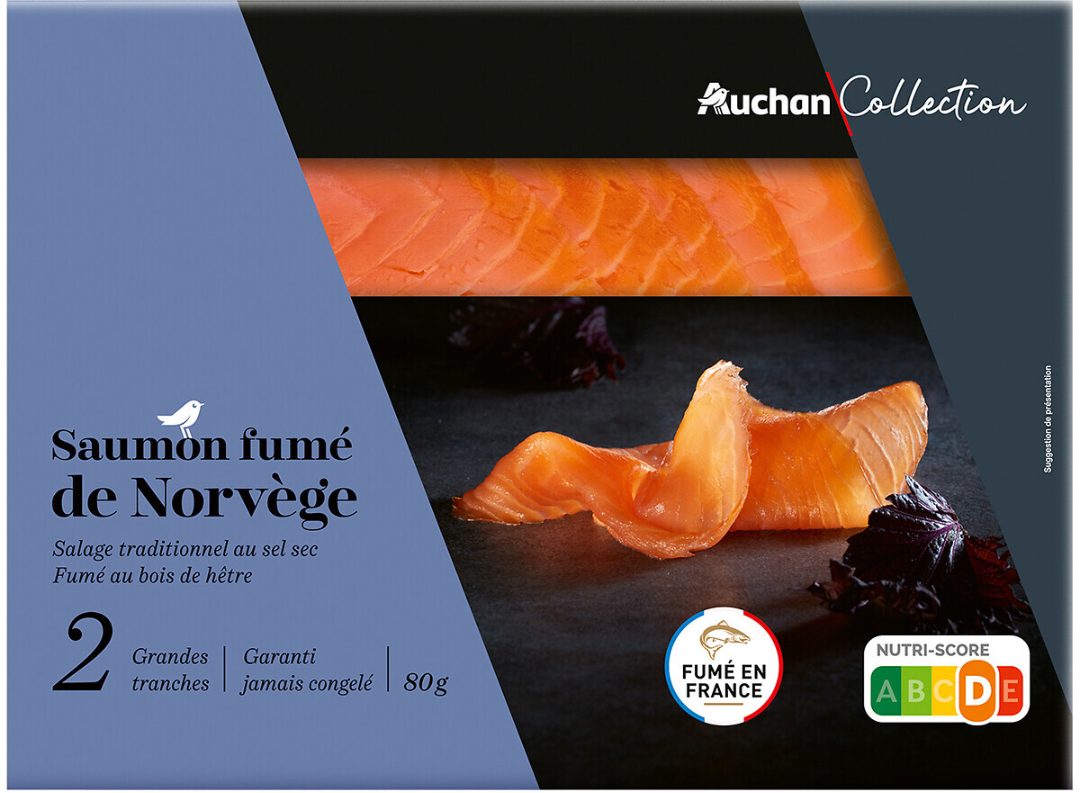
France – AUCHAN COLLECTION SMOKED SALMON NORWAY 2 SLICES 80G – Listeria monocytogenes

Gov France

Product Category
Food
Product subcategory
Fishery and aquaculture products
Product brand name
AUCHAN
Model names or references
AUCHAN COLLECTION SMOKED SALMON NORWAY 2 SLICES 80G
Product identification
GTIN Batch Date
3596710465842 38738X221 Expiry date 01/09/2024
List of products
poster_salmon_Auchan.pdfAttachment
Start/End of marketing date
From 08/09/2024 to 09/01/2024
Storage temperature
Product to be kept in the refrigerator
Health mark
FR 29.027.500 CE
Geographic area of ​​sale
Whole France
Distributors
Auchan stores and any other brand selling Auchan brand products

Research – New Zealand Food Safety on track to meet Campylobacteriosis-reduction target

MPI

New Zealand Food Safety is approaching its target to reduce rates of campylobacteriosis, the country’s most common foodborne illness, a new report published today has found.

Annual report concerning Foodborne Diseases in New Zealand 2023 [PDF, 5 MB]

The report, prepared for New Zealand Food Safety by the Institute for Environmental and Scientific Research (ESR), found that the rate of New Zealand-acquired foodborne illness caused by the bacteria Campylobacter has fallen from 88 to 77 cases per 100,000 population over the past 4 years.

“New Zealand Food Safety has made reducing campylobacteriosis rates a key priority, and we’ve made great strides in recent years,” says New Zealand Food Safety deputy director-general Vincent Arbuckle.

“Rates of infection more than halved between 2006 and 2020. In 2020 we set a target to reduce the rate by a further 20%, taking it to 70 cases per 100,000 by the end of 2024.

“These latest results show this goal is in sight, which is a testament to the combined and sustained work of government and industry over time.

“The Campylobacter Action Plan, put in place to help tackle the issue, mainly focuses on steps to reduce the levels of Campylobacter through the poultry food chain. We have worked with government, industry and NGOs right across the poultry food chain through the Campylobacter governance group with representatives from Ministry of Health, Poultry Industry Association of New Zealand, Foodstuffs North Island, Foodstuffs South Island, Woolworths NZ, and Consumer NZ.”

Campylobacter Action Plan

The poultry industry has continued to improve processing practices over time, resulting in a sustained reduction in the proportion of birds that have detectable levels of Campylobacter at the end of primary processing.

While changes in the food supply chain have achieved good results, consumer awareness remains an important part of the effort, Mr Arbuckle says.

“We know that about half of all foodborne illness is caused at home. These illnesses can be prevented with good food preparation techniques as well as proper cooking and storage.

“To support prevention of Campylobacter at home we run public education campaigns which focus on giving people information they can use to keep themselves safe.

“While it is rewarding to see campylobacteriosis rates falling, there is more work to do. The symptoms of campylobacteriosis can be unpleasant for healthy adults and the consequences for the very young and people over 65 can be serious.”

The report also provides data on other foodborne illnesses in New Zealand, including listeriosis, which remains steady with 37 cases notified this year, Mr Arbuckle said.

Listeria is common in the environment and while case of illness are low, listeriosis can have tragic consequences, including death. Of the notified cases, 26 people were in the 60-plus age group, and 7 people died with listeriosis this year.

“There are a range of practical measures people can take at home to reduce their risk from Listeria. More information is available on our website.

Listeria infection: symptoms and advice

New Zealand Food Safety ran a Listeria education campaign in June targeting pregnant people and those aged over 60.

By the numbers:

  • 76.8 campylobacteriosis cases per 100,000 population, with 4,010 cases domestically acquired
  • 989 hospitalised with campylobacteriosis, with 325 in the over-70 age group – the highest number of hospitalisations across all age groups
  • 37 cases of listeriosiswith 7 deaths. 26 of these cases occurred in people aged over 60.

Media release: Simple steps to avoid life-threatening listeriosis

Campylobacter infection: symptoms and advice

For further information and general enquiries, call MPI on 0800 00 83 33 or email info@mpi.govt.nz

For media enquiries, contact the media team on 029 894 0328.

Research – Monophasic variant of Salmonella Typhimurium 4,[5],12:i:- outbreak: an investigation by the Competent Authority – Italy in Roasted Pork

Italian Journal of Food Safety

Foodborne diseases represent a significant public health issue, regarding both collective health and the economy, with implications for healthcare costs and agribusiness. This paper shows the description and results of the investigation of a Salmonella enterica subsp. enterica foodborne outbreak that occurred in the Marche Region (Italy) in 2022, linked to the consumption of a roasted pork product (porchetta).

As part of the outbreak investigations discussed in this article, molecular analysis to evaluate the genomic correlation between clinical, food, and environmental origin strains was carried out. All Salmonella strains of different origins were serotyped as monophasic variants of Salmonella Typhimurium with an antibiotic-resistance pattern and an allelic profile such as to define the “cluster strain” allowing the correlation between clinical and food/environmental strains, definitively confirmed by whole genome sequencing analysis.

Following the laboratory evidence, corrective measures at the porchetta processing plant and at the retail stores involved were carried out by the Local Animal Based Food Hygiene Service. The results of this study show that effective intervention is only possible if efficient data exchange, standardized procedures, and staff training are guaranteed. The latter aspect also concerns the food business operator, who must take appropriate measures to minimize the risk.

Research – Salmonella Inactivation Model by UV-C Light Treatment in Chicken Breast

MDPI

Abstract

This study aims to evaluate the effectiveness of inactivating Salmonella enteritidis in fresh chicken breast by irradiation using a combination of short-wave UV (0, 3, 6, 9, 12, and 15 J/cm2) and a natural antimicrobial such as caffeine (0, 5, 10, 15, and 20 nM/g) at 14 °C as alternative proposals to conventional techniques to reduce pathogens in food. The effect of temperature was studied in an initial phase (2 to 22 °C). The most suitable models were double Weibull in 60% of cases, with an adjustment of R2 0.9903–0.9553, and Weibull + tail in 46.67%, with an adjustment of R2 of 0.9998–0.9981. The most effective combination for the reduction in Salmonella was 12 J/cm2 of UV light and 15 nM/g of caffeine, with a reduction of 6 CFU/g and an inactivation rate of 0.72. The synergistic effect was observed by increasing caffeine and UV light. Furthermore, the physico-chemical characteristics of the food matrix were not affected by the combination of both technologies. Therefore, these results suggest that this combination can be used in the food industry to effectively inactivate Salmonella enteritidis without deteriorating product quality.

Research – Fungal Secondary Metabolites and Mycotoxins: Current Trends and Future Directions

Frontiers In.org

Fungi are prolific producers of secondary metabolites, which are diverse bioactive compounds essential for their environmental interactions. Mycotoxins, a notable group of these metabolites, have significant toxic effects on humans, animals, and crops, posing global health and economic challenges. Recent scientific advances have enhanced our understanding of fungal secondary metabolites, enabling the discovery of new compounds with potential applications in drug development, agriculture, and biotechnology. Additionally, there is increasing recognition of the ecological roles of these metabolites, driving research into their use for sustainable agriculture, biocontrol, and environmental management. Interdisciplinary studies in mycology, chemistry, ecology, and biotechnology are vital for addressing the complexities of fungal secondary metabolites and mycotoxins. Currently, the study of these compounds is at a dynamic and transformative stage. By following current trends and exploring future directions, researchers can unlock new applications of fungal metabolites and solutions benefiting society and the environment.