Category Archives: Food Illness

FDA – Outbreak Investigation of Listeria monocytogenes: Peaches, Plums, & Nectarines (November 2023)

FDA

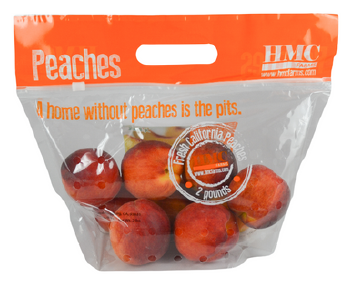
HMC Peaches

Product

Recalled conventional (non-organic) peaches, plums, and nectarines sold in retail stores from May 1, 2022 through November 15, 2022 and from May 1, 2023 through November 15, 2023. The recalled fruit was sold at retail stores nationwide in bags or as individual pieces of fruit with PLU stickers, under multiple brand names, including HMC Farms and Signature Farms. Additionally, the recalled fruit was sold to other manufacturers who may have frozen and/or relabelled the recalled fruit for resale under another brand. The firm has directly notified their customers who received recalled product and this advisory will be updated as more information becomes available.

Recalled fruit is past expiration and no longer available for sale in retail stores but could have been frozen by consumers. Fresh whole peaches, plums, and nectarines currently available for sale at retail are not included in this recall.

Stores Affected

The recalled fruit was distributed nationwide and sold at retail stores in bags or as individual pieces of fruit bearing PLU stickers, under multiple brand names, including HMC Farms and Signature Farms.

Symptoms of Listeriosis (Listeria Infection)

Symptoms usually start within 2 weeks after eating food contaminated with Listeria, but may start as early as the same day or as late as 10 weeks after. Mild symptoms may include a fever, muscle aches, nausea, tiredness, vomiting, and diarrhea. If the more severe form of listeriosis develops, symptoms may include headache, stiff neck, confusion, loss of balance, and convulsions.

Status

Ongoing: Updates to this advisory will be provided as they become available.

Recommendation

  • Do not eat, sell, or serve recalled peaches, plums, or nectarines. The recalled fruit is no longer available for sale and any previously purchased fruit should be past shelf life.
  • If you previously purchased fresh peaches, plums, and nectarines and then froze them, you should throw them away if they are part of the recall or if you cannot tell if they are part of the recall.
  • Anyone who received or purchased recalled peaches, plums and nectarines should use extra vigilance in cleaning and sanitizing any surfaces and containers that may have come in contact with the recalled fruit to reduce the risk of cross-contamination. This includes baking or canning tools, cutting boards, knives, countertops, refrigerators, freezers, and storage bins.
  • If you have symptoms of listeriosis you should contact your health care provider to report your symptoms and receive care.

Recommendations for At-Risk Groups

  • Listeria is most likely to sicken pregnant people and newborns, adults aged 65 or older, and people with weakened immune systems. Other people can be infected with Listeria, but they rarely become seriously ill.
  • Pregnant people typically experience only fever, fatigue, and muscle aches. However, Listeria infection during pregnancy can lead to miscarriage, stillbirth, premature delivery, or life-threatening infection of the newborn.
  • Call your healthcare provider right away if you have symptoms of a Listeria infection.
UK -FSA assesses risk of Norovirus from oysters

Food Safety News

Scientists at the Food Standards Agency (FSA) have looked at the key topics to consider when dealing with norovirus outbreaks linked to oysters.

Microbiological experts at the FSA assessed the public health risk of raw oysters, to help with development of risk management options during outbreaks.

Work was done in response to recurring norovirus outbreaks linked to consumption of raw oysters. In England, between 2013 and 2022, there were 1,307 cases of norovirus linked to oysters. In Scotland, from 2017 to 2023, there were 259 reported cases. In the same periods, there were 28 outbreaks in England and eight in Scotland caused by oysters.

Earlier this month, two incidents of norovirus in oysters from France were reported to have sickened six people in Norway and 14 in Sweden.

China – Rice noodles behind Bacillus cereus outbreak in China

Food Safety News

A large outbreak with almost 200 cases in China was caused by poor hygiene at the producer and inadequate food storage at schools, according to a recent study.

An outbreak of acute gastrointestinal illness occurred at two middle schools in a rural region of Chongqing in 2021. The source was rice noodles contaminated with Bacillus cereus.

In May 2021, an outbreak was reported in the two schools. More than 100 students from the schools had symptoms of vomiting and nausea, prompting the Chongqing Center for Disease Control and Prevention and the local CDC to investigate and implement control measures.

Salmonella tainted Cantaloupe sickens over 50 in the United States and Canada

Food Poison Journal

As of November 17, 43 people infected with the outbreak strain of Salmonella have been reported from 15 states. Illnesses started on dates ranging from October 17, 2023, to November 6, 2023. Of 30 people with information available, 17 have been hospitalized. No deaths have been reported.

Public health investigators are using the PulseNet system to identify illnesses that may be part of this outbreak. CDC PulseNet manages a national database of DNA fingerprints of bacteria that cause foodborne illnesses. DNA fingerprinting is performed on bacteria using a method called whole genome sequencing (WGS). WGS showed that bacteria from sick people’s samples are closely related genetically. This suggests that people in this outbreak got sick from the same food.

Canada is also investigating a Salmonella outbreak linked to cantaloupes. The strain causing the outbreak in Canada is the same as the US outbreak strain. The Canadian Food Inspection Agency found Salmonella in a sample of Malichita brand cantaloupe, and WGS showed that the Salmonella on the cantaloupe is closely related genetically to the bacteria from sick people in Canada. This suggests that people in the Canadian and US outbreaks likely got sick from eating cantaloupe.

On November 1, 2023, Malichita brand cantaloupes were recalled in Canada.

On November 8, Trufresh recalled Malichita brand whole cantaloupes that were sold to US businesses between October 16 and October 23. On November 15, Trufresh expanded their recall to include additional whole cantaloupes.

Additional products containing Malichita brand cantaloupes were also recalled. On November 14, Vinyard Fruit and Vegetable Company recalled pre-cut fruit products and ALDI recalled [PDF – 2 pages] its whole cantaloupe, cantaloupe chunks, and pineapple spears.

CDC is advising people not to eat, sell, or serve recalled fruit.

USA – Outbreak Investigation of Salmonella: Cantaloupes (November 2023)

FDA

Product and Stores Affected

Recalled cantaloupe from three brands:

More information about recalled products and product images can be found in the recall links above.

  • Whole fresh cantaloupes with a label that says “Malichita”, “4050”, and “Product of Mexico/produit du Mexique” sold between October 16 and October 23.
  • ALDIExternal Link Disclaimer cantaloupe, cut cantaloupe, and pineapple spears in clamshell packaging with Best-by dates between October 27 and October 31.
  • Vinyard cantaloupe chunks and cubes, fruit mixes, melon medleys, and fruit cups containing cantaloupe. Most have a “Vinyard” label, and some have a red label with “Fresh” sold between October 30 and November 10 in Oklahoma stores.
  • Recalled cantaloupe was sold at retail stores in Arizona, California, Maryland, New Jersey, Tennessee, Illinois, Indiana, Kentucky, Michigan, Oklahoma, Wisconsin, Texas, Florida and Canada. This list may not include all states as the cantaloupes could have reached consumers through further retail distribution.

More information about recalled products and product images can be found in the recall links above.

FDA’s investigation is ongoing. Updates to this advisory will be provided as they become available.

Symptoms of Salmonella Infection

Illness usually occurs within 12 to 72 hours after eating contaminated food and usually lasts four to seven days. Symptoms include diarrhea, fever, and abdominal cramps. Children younger than five, the elderly, and people with weakened immune systems are more likely to have severe infections.

Status

Ongoing: updates to this advisory will be provided as they become available.

Recommendation

  • Consumers, restaurants, and retailers should not eat, sell, or serve recalled cantaloupe and products containing cantaloupe.
  • Some consumers freeze cantaloupe for later use. Consumers, restaurants, and retailers should check their freezers and throw away recalled fresh or cut cantaloupe that was frozen for later use.
  • If you cannot tell if your cantaloupe is part of the recall, do not eat or use it and throw it away.
  • Follow FDA’s safe handling and cleaning advice and use extra vigilance in cleaning and sanitizing any surfaces and containers that may have come in contact with these products to reduce the risk of cross-contamination.
  • Contact your healthcare provider if you think you may have symptoms of a Salmonella infection after eating recalled cantaloupe.

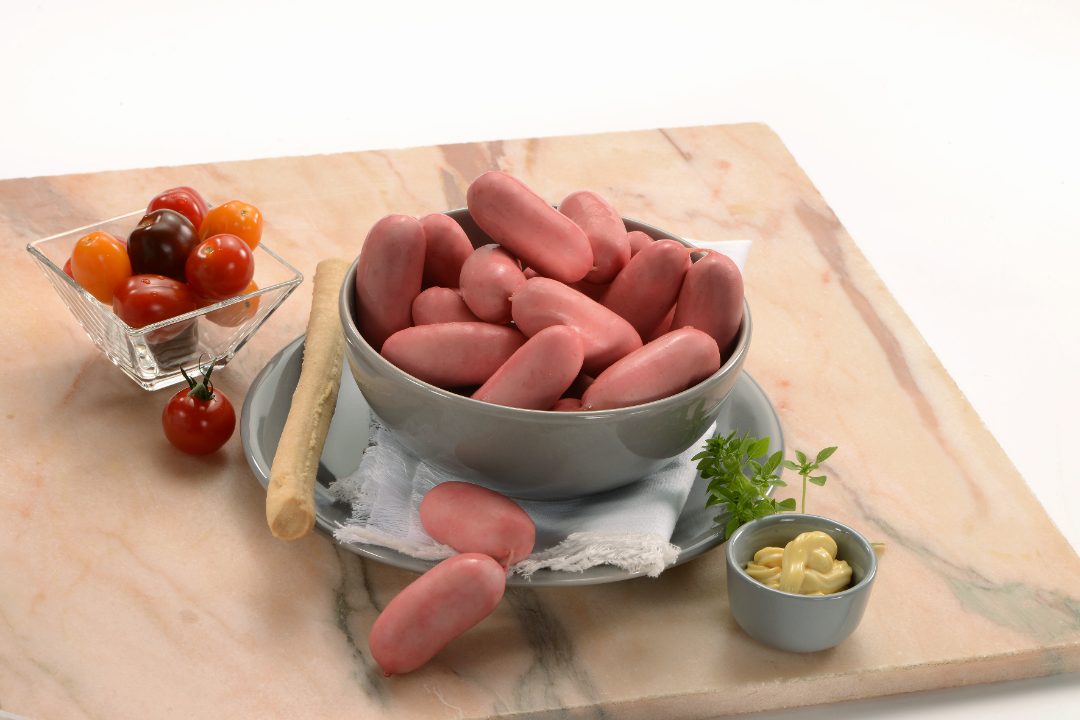
France – Knack d’Alsace Cocktail – Listeria monocytogenes

Gov France

  • Product category Food
  • Product subcategory Meats
  • Product brand name Metzger-Muller
  • Model names or references Knack d’Alsace Cocktail
  • Product identification
    GTIN Batch Date
    3272120002579 13314005 Use-by date 04/12/2023
    3272120011434 13312153 Use-by date between 09/11/2023 and 07/12/2023
    3272120011434 13313186 Use-by date between 09/11/2023 and 07/12/2023
  • Packaging IN BULK AND UNDER ATMOSPHERE
  • Start/end date of marketing From 09/11/2023 to 13/11/2023
  • Storage temperature Product to keep in the refrigerator
  • Health mark FR 67-226-002 CE
  • Geographical sales area Whole France
  • Distributors SUPER U CORA / INTERMARCHE MATCH
  • List of points of sale List_of_Customers_Knack_Cocktail.pdf

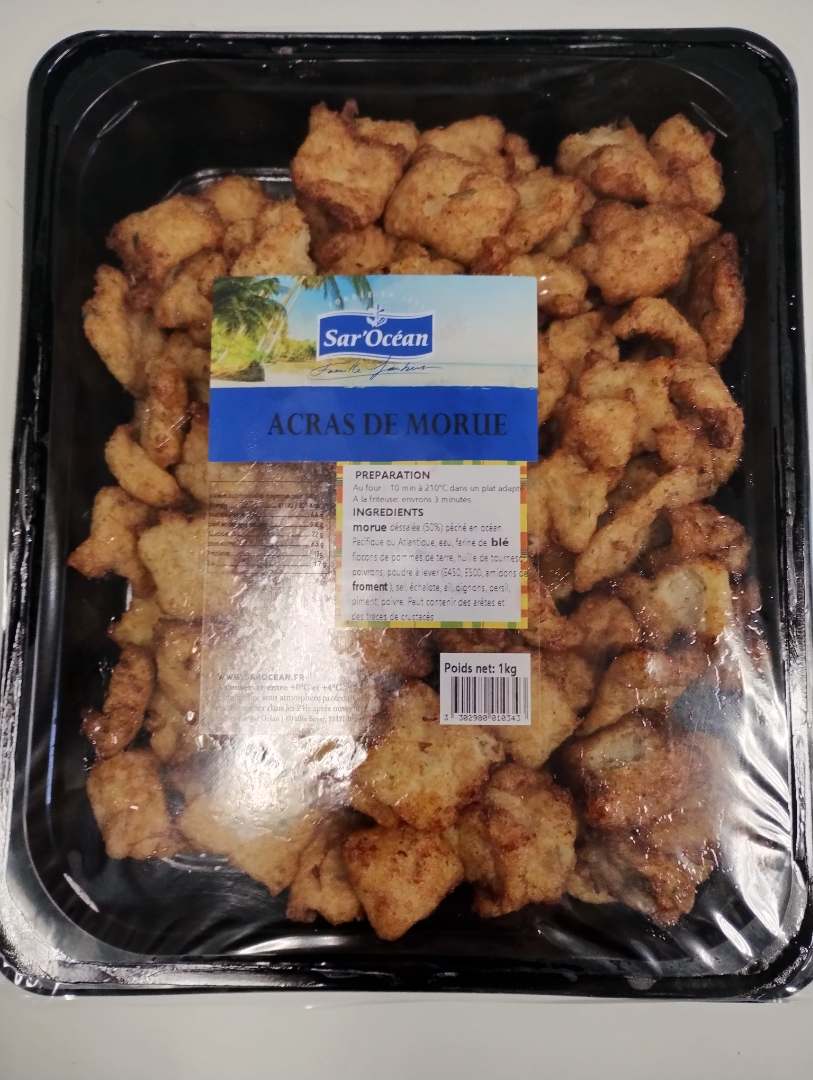
France – COD ACRAS 1 KG – Listeria monocytogenes

Gov France

  • Product category Food
  • Product subcategory Prepared meals and snacks
  • Product brand name SAR’OCEAN
  • Model names or references TRAYS 1 KG
  • Product identification
    GTIN Batch Date
    3302980010343 C310 Use-by date 11/27/2023
  • Packaging BLACK PLASTIC TRAY 1 KG
  • Start/end date of marketing From 08/11/2023 to 08/11/2023
  • Storage temperature Product to keep in the refrigerator
  • Health mark FR33039007CE
  • Geographical sales area Whole France
  • Distributors REYNAUD RUNGIS – WHOLESALER 94

Viet Nam – 50 primary school students hospitalized with food poisoning

E VNExpress

50 students in two primary schools of the southern Kien Giang Province were hospitalized for having food poisoning symptoms after their school lunches on Wednesday.

Six students, from the Tran Van On and the Mac Dinh Chi primary schools in Rach Gia City, were taken to the Kien Giang Women and Children’s Hospital by their parents. The hospital then sent six ambulances to the two schools to take others with similar symptoms of stomach ache, vomiting and low blood pressure to the hospital as well.

Phuong said the student told her that there was a “weird smell” in the school’s noodles with minced meat.

Danh Ty, vice director of the hospital, said the students all showed signs of food poisoning. They have all gone under treatment and symptoms have improved. They are being monitored by doctors.

Both schools have been requested to seal off all the food as it is for an investigation.

USA – FDA – Core Outbreak Investigation Table

FDA

What’s New

  • A new outbreak of Listeria monocytogenes (ref #989) linked to a not yet identified product has been added to the table. FDA has initiated sample collection and analysis. FDA’s investigation is ongoing.
  • A new outbreak of E. coli O103 (ref #1192) linked to a not yet identified product has been added to the table. FDA has initiated a traceback investigation. FDA’s investigation is ongoing.
  • For the investigation of illnesses (ref #1198) linked to apple cinnamon fruit puree pouches, the FDA has updated the advisory to include expanded recall information from the firm and additional reports of illness.

Bulgaria – 15 Children from Plovdiv have Food Poisoning

Novinite

15 children from the same kindergarten in Plovdiv have food poisoning, Nova TV reported. 3 of them were examined in hospital.

Three children from the “Slavei” kindergarten were admitted last night to the Infectious Diseases Clinic at St. George hospital with food poisoning. They are around 4 years old and were brought in between 10 pm and 2 am. After the intervention of the doctors and the necessary care, the condition of the children improved.

The cause of the poisoning is not yet clear, the results of the samples taken are awaited.