Category Archives: Food Hygiene

RASFF Alert – Bacillus cereus – Whole Black Pepper

RASFF-Logo

RASFF – Bacillus cereus (1300 CFU/g) in and microbial contamination (> 300000 CFU/g) of whole black pepper from Brazil in Italy

RASFF Alert – Mould – peach, passion fruit and vanilla smoothie bowls

RASFF-Logo

RASFF – peach, passion fruit and vanilla smoothie bowls from France infested with moulds in Sweden

RASFF Alerts – Ochratoxin A – Organic Raisins – Wholemeal Rye Flour

RASFF-Logo

RASFF – ochratoxin A (26 µg/kg – ppb) in organic raisins from Turkey in the Netherlands

RASFF – ochratoxin A (4.4 µg/kg – ppb) in wholemeal rye flour from Germany in Germany

RASFF Alerts – Aflatoxin – Organic Pistachios – Groundnuts – Groundnut Kernels – Watermelon Seeds – Brown Rice

RASFF-Logo

RASFF – aflatoxins (B1 = 948; Tot. = 1253 µg/kg – ppb) in organic pistachios from Italy in Switzerland

RASFF – aflatoxins (B1 = 27; Tot. = 30 µg/kg – ppb) in groundnuts kernels from India in the Netherlands

RASFF – aflatoxins (B1 = 49.06; Tot. = 56.68 µg/kg – ppb) in pistachios from Iran, via Turkey in Italy

RASFF – aflatoxins (B1 = 2.7 µg/kg – ppb) in groundnuts from the United States in the Netherlands

RASFF – aflatoxins (B1 = 10; Tot. = 10 µg/kg – ppb) in groundnuts in shell from China in the Netherlands

RASFF – aflatoxins (B1 = 6.3; Tot. = 6.9 µg/kg – ppb) in blanched groundnuts from the United States in the Netherlands

RASFF – aflatoxins (B1 = 21; Tot. = 80 µg/kg – ppb) in organic blanched groundnuts from China in the Netherlands

RASFF – aflatoxins (B1 = 7.4 µg/kg – ppb) in groundnuts from the United States in the Netherlands

RASFF – aflatoxins (B1 = 8.3; Tot. = 9.6 µg/kg – ppb) in blanched groundnuts from the United States in the Netherlands

RASFF – aflatoxins (B1 = 3.1 µg/kg – ppb) in blanched groundnuts from the United States in the Netherlands

RASFF – aflatoxins (B1 = 32; Tot. = 62 µg/kg – ppb) in groundnut kernels from Argentina in the Netherlands

RASFF – aflatoxins (B1 = 27; Tot. = 33 µg/kg – ppb) in groundnuts from the United States in the Netherlands

RASFF – aflatoxins (B1 = 36; Tot. = 69) in groundnut kernels from Argentina in the Netherlands

RASFF – aflatoxins (B1 = 24.7; Tot. = 30.4 / B1 = 25.2; Tot. = 29.8 / B1 = 29.8; Tot. = 31.1 µg/kg – ppb) in blanched groundnuts from China in Lithuania

RASFF – aflatoxins (B1 = 6.6; Tot. = 7.3 µg/kg – ppb) in watermelon seeds from Turkey in Germany

RASFF – aflatoxins (B1 = 7.1 µg/kg – ppb) in organic brown rice from unknown origin, via Germany in Austria

Canada -Correction – Updated Food Recall Warning – Lee’s Tea brand Teas recalled due to Salmonella

CFIA CIFA

Advisory details

Ottawa, March 28, 2019 – The food recall warning issued on March 27, 2019 has been amended to correctly identify the affected products and updated to include additional product information. The corrections for these products are marked by an asterisk (*). This additional information was identified during the Canadian Food Inspection Agency’s (CFIA) food safety investigation.

Lee’s Provisions Inc. is recalling Lee’s Tea brand teas from the marketplace due to possible Salmonella contamination. Consumers should not consume the recalled products described below.

Affected products

Brand Name Common Name Size Code(s) on Product UPC
Lee’s Tea Gold Rush Loose Leaf 105 g 4-102318
4-102518
2021FE11*
2021FE15*
04-02011
04-02021
6 28055 21002 3
Lee’s Tea Gold Rush Loose Leaf 110 g 2020DE07* 6 28055 21002 3
Lee’s Tea Mint Chill Loose Leaf 60 g 2-102518
02-01019
02-02021
6 28055 21003 0
Lee’s Tea Mint Chill Loose Leaf 70 g 2020DE07* 6 28055 21003 0
Lee’s Tea Original Loose Leaf 50 g 2020DE07*
2020MR21*
6 28055 21001 6
Lee’s Tea Original Loose Leaf 60 g 1-101918
1-102518
6 28055 21001 6
Lee’s Tea Pink Chai Loose Leaf 90 g 3-112018
3-102518
2020DE07*
2021JA07*
2021JA23*
2021FE05*
2021FE11*
03-02021
03-01019
03-02011
6 28055 21004 7
Lee’s Tea Pink Chai Loose Leaf 30 g 3062718 6 28055 21014 6

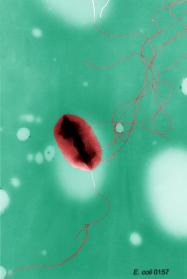
USA – Aurora Packing Recalls Beef Products For Possible E. coli 0157

Food Poisoning Bulletin

kswfoodworld E.coli O157

Image CDC


Aurora Packing Company of Illinois is recalling about 4,838 pounds of beef heel and chuck tender products because they may be contaminated with E. coli O157:H7 bacteria. No confirmed reports of illness have been received in association with this recall.

The products were produced and packed on February 27, 2019. These are the recalled products:

  • Varying catch weight cardboard box case packages containing bulk pieces of “AURORA ANGUS BEEF BONELESS BEEF – CHUCK TENDER” and case code 61150 marked on the label.
  • Varying catch weight cardboard box case packages containing bulk pieces of “BONELESS BEEF – HEEL MEAT” and case code 29970 on the label.
  • Varying catch weight cardboard box case packages containing bulk pieces of “BONELESS BEEF – HEEL MEAT” and case code 49970 stamped on the label.

These products have the establishment number “EST. 788” inside the USDA mark of inspection. They were shipped for institutional use in Illinois, Iowa, and Wisconsin. The problem was discovered during FSIS traceback activities after routine testing.

UK – Wedlinka Delight recalls Metka Lososiowa (Polish sausage) due to possible contamination with Salmonella

FSA

Wedlinka Delight has taken the precautionary step of recalling Metka Lososiowa, a Polish sausage, because it might contain salmonella.

Product details

Metka Lososiowa

Pack size approximately 250g
Lot number 72
Best before 03 April 2019

No other Wedlinka Delight products are known to be affected.

Risk statement

The product listed above might be contaminated with salmonella. Symptoms caused by salmonella usually include fever, diarrhoea and abdominal cramps.

Action taken by the company

Wedlinka Delight is recalling the above product. Point of sale notices will be displayed in all retail stores that are selling this product. These notices explain to customers why the product is being recalled and tell them what to do if they have bought the product. Please see the attached notice.

Our advice to consumers

If you have bought the above product do not eat it. Instead, return it to the store from where it was bought for a full refund.

Canada – Updated Food Recall Warning – Lee’s Tea brand Teas recalled due to Salmonella

CFIA Lee's Tea - Gold Rush Loose Leaf

Recall details

Ottawa, March 27, 2019 – The food recall warning issued on March 21, 2019 has been updated to include additional product information. This additional information was identified during the Canadian Food Inspection Agency’s (CFIA) food safety investigation.

Lee’s Provisions Inc. is recalling Lee’s Tea brand teas from the marketplace due to possible Salmonella contamination. Consumers should not consume the recalled products described below.

Recalled products

Brand Name Common Name Size Code(s) on Product UPC
Lee’s Tea Gold Rush Loose Leaf 110 g 4-102318
4-102518
2020DE07GR
2021FE11GR
2021FE15GR
04-02021
6 28055 21002 3
Lee’s Tea Mint Chill Loose Leaf 70 g 2-102518
2020DE07MC
02-01019
02-02021
6 28055 21003 0
Lee’s Tea Original Loose Leaf 50 g 1-101918
1-102518
2020DE07OG
2020MR21OG
6 28055 21001 6
Lee’s Tea Pink Chai Loose Leaf 90 g 3-112018
3-102518
2020DE07PC
2021JA07PC
2021JA23PC
2021FE05PC
2021FE11PC
03-02021
6 28055 21004 7
Lee’s Tea Pink Chai Loose Leaf 30 g 3062718 6 28055 21014 6

USA – Beef heel and chuck tender recalled over E. coli O157:H7 fears

Food Safety News

Aurora Packing Company, Inc.,  located in North Aurora, IL  is recalling approximately 4,838 pounds of beef heel and chuck tender products that may be contaminated with E. coli O157: H7, according to the U.S. Department of Agriculture’s Food Safety and Inspection Service (FSIS).

The bulk beef products were produced and packed on Feb. 27, 2019. The following products are subject to recall:

  • Varying catch weight cardboard box case packages containing bulk pieces of “AURORA ANGUS BEEF BONELESS BEEF – CHUCK TENDER” and case code 61150 represented on the label.
  • Varying catch weight cardboard box case packages containing bulk pieces of “BONELESS BEEF – HEEL MEAT” and case code 29970 represented on the label.
  • Varying catch weight cardboard box case packages containing bulk pieces of “BONELESS BEEF – HEEL MEAT” and case code 49970 represented on the label.

The products subject to recall bear establishment number “EST. 788” inside the USDA mark of inspection. These items were shipped for institutional use in Illinois, Iowa, and Wisconsin.

The problem was discovered during traceback activities following routine FSIS testing. There have been no confirmed reports of adverse reactions due to consumption of these products.

Europe – ECDC – Multi-country cluster of Listeria monocytogenes ST1247 in five EU countries

ECDC

CDC has identified a microbiological link between an outbreak of nine Listeria monocytogenes ST1247 cases in Denmark and nine additional cases reported between 2014 and 2018 in Estonia (2 cases) Finland (2), France (1) and Sweden (4).

ECDC has identified a microbiological link between an outbreak of nine Listeria monocytogenes ST1247 cases in Denmark and nine additional cases reported between 2014 and 2018 in Estonia (2 cases) Finland (2), France (1) and Sweden (4).  In Denmark, the outbreak investigation is led by Statens Serum Institut (SSI), the Danish Veterinary and Food Administration and the DTU Food Institute.

Whole Genome Sequencing (WGS) analysis performed at the national level and by ECDC found all isolates from the 18 cases within two allelic differences from each other (core genome MLST using Moura scheme, 1540 of 1748 loci detected in all 18 isolates). The latest case was reported in Denmark in February 2019 (Figure 1).

Figure 1: Distribution of Listeria monocytogenes isolates by country and time of reporting 2014-2019 (n=18)

Figure 1: Distribution of Listeria monocytogenes isolates by country and time of reporting 2014-2019 (n=18)

A large-scale study led by ECDC on whole genome sequencing shows that most listeria outbreaks such as this one remain undetected. The study, published in 2018, suggests that more than half of the severe listeriosis cases in the European Union belong to clusters, many of which are not being picked up fast enough by the current surveillance system.

Listeria monocytogenes causes listeriosis, which primarily affects pregnant women, newborns, and adults with a weakened immune system. Listeriosis is a relatively rare but potentially severe food-borne disease that has been reported in increasing numbers in the EU/EEA countries since 2008. In 2016, 2 536 cases were reported, including 247 deaths.