Category Archives: food contamination

Canada -Food Recall Warning – Fromagerie Blackburn brand Le Napoléon – Firm Cheese recalled due to Listeria monocytogenes

CFIA

Recall details

Ottawa, March 26, 2020 – Fromagerie Blackburn is recalling Fromagerie Blackburn brand Le Napoléon – Firm Cheese from the marketplace due to possible Listeria monocytogenes contamination. Consumers should not consume the recalled products described below.

Consumers who are unsure if they have purchased the affected products are advised to contact their retailer.

Recalled product

Brand Product Size UPC Codes
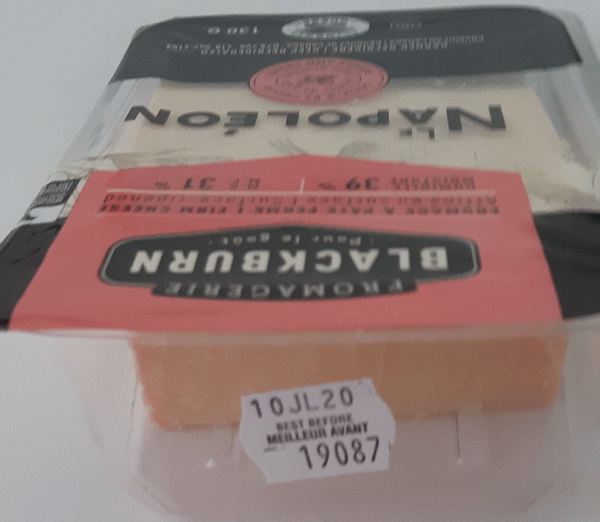
Fromagerie Blackburn Le Napoléon – Firm Cheese 130 g 6 28504 56410 3 Best Before 10JL20
19087
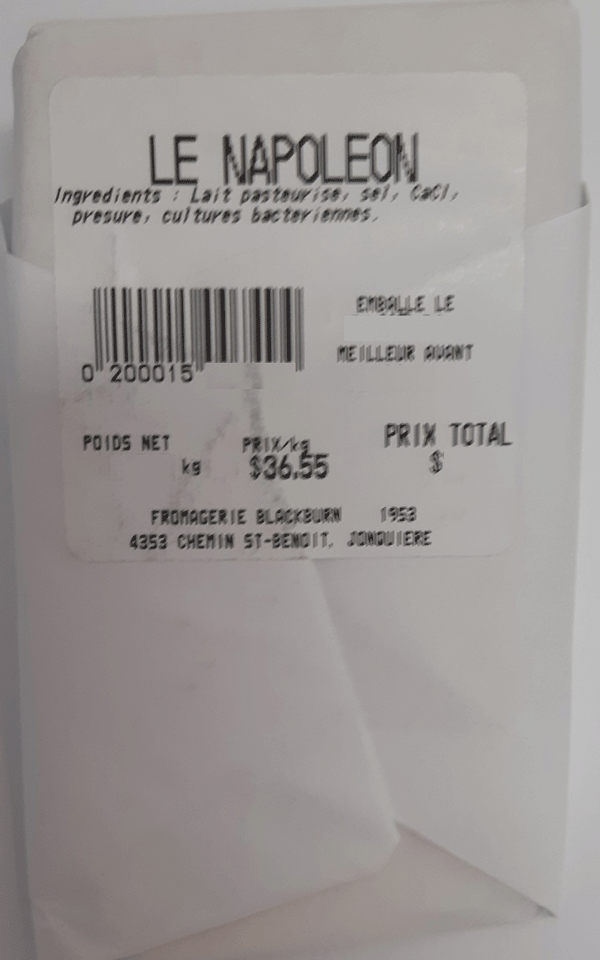
Fromagerie Blackburn Le Napoléon – Firm Cheese Variable weight Starts with 0 200015 All units sold up to and including March 26, 2020

What you should do

If you think you became sick from consuming a recalled product, call your doctor.

Check to see if you have the recalled products in your home. Recalled products should be thrown out or returned to the store where they were purchased. Food contaminated with Listeria monocytogenes may not look or smell spoiled but can still make you sick. Symptoms can include vomiting, nausea, persistent fever, muscle aches, severe headache and neck stiffness. Pregnant women, the elderly and people with weakened immune systems are particularly at risk. Although infected pregnant women may experience only mild, flu-like symptoms, the infection can lead to premature delivery, infection of the newborn or even stillbirth. In severe cases of illness, people may die.

Background

This recall was triggered by the company. The Canadian Food Inspection Agency (CFIA) is conducting a food safety investigation, which may lead to the recall of other products. If other high-risk products are recalled, the CFIA will notify the public through updated Food Recall Warnings.

The CFIA is verifying that industry is removing the recalled products from the marketplace.

Illnesses

There have been no reported illnesses associated with the consumption of these products.

Product photos

Printer ready version of photos

  • Fromagerie Blackburn Le Napoléon – Firm Cheese – 130 grams (back)
  • Fromagerie Blackburn Le Napoléon – Firm Cheese – 130 grams (Best Before Date)
  • Fromagerie Blackburn Le Napoléon – Firm Cheese – 130 grams (front)
  • Fromagerie Blackburn Le Napoléon – Firm Cheese – Variable weight (UPC)
  • Fromagerie Blackburn Le Napoléon – Firm Cheese – Variable weight (front)

Research – Careful with the Salmonella if you eat rattlesnake meat

Barf blog

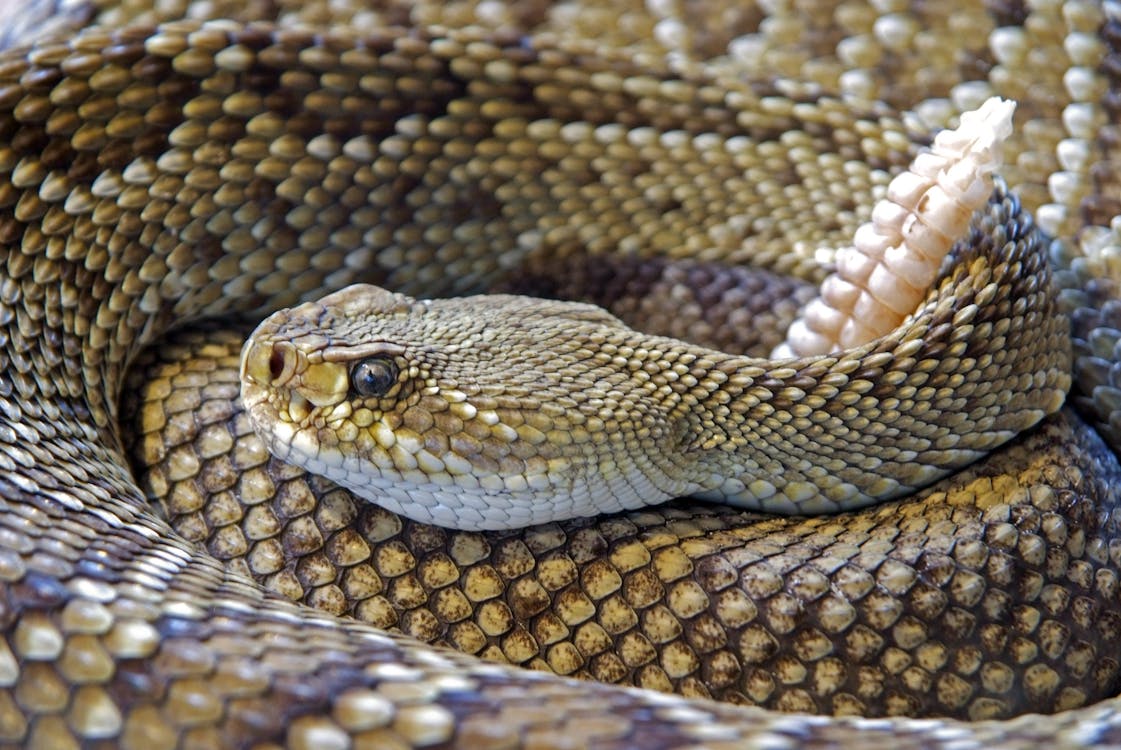
Diamond Back Rattle Snake

Pixabay

Ingestion of rattlesnake meat has been previously studied in populations residing in the United States- Mexico border region. Few case reports have shown a link between consuming rattlesnake meat with Salmonella bacteremia. We are describing a unique case of Salmonella IE in a patient ingesting rattlesnake meat. This case presents an opportunity for physicians to recognize rare sources of IE by looking deep into cultural exposures and practices.


RASFF Alerts – Salmonella – Chicken MDM – Dried Black Mulberry – Chicken Thighs – Sesame Seeds – Paprika Powder – Black Pepper – Chilled Turkey Neck Skin – Frozen Beef Steaks – Minced Chicken Breasts – Half Chicken Breasts – Marinated Chicken – Paprika – Poultry Meat – Chilled Fillet Americain – Sesame Seeds

RASFF-Logo

RASFF – Salmonella (presence /25g) in frozen chicken MDM from Poland in Bulgaria

RASFF – Salmonella enterica ser. Agona (presence /25g) in dried black mulberry from Afghanistan in Finland

RASFF – Salmonella (presence /25g) in frozen chicken thighs from Germany in Italy

RASFF – Salmonella (presence /25g) in white sesame seeds from Sudan, via the United Arab Emirates in Italy

RASFF – Salmonella (presence /25g) in paprika powder from China in Spain

RASFF – Salmonella (presence /25g) in black pepper from Brazil in the Netherlands

RASFF – Salmonella (in 5 out of 5 samples /25g) in chilled turkey neck skin from Poland in Poland

RASFF – Salmonella (in 1 out of 5 samples /25g) in frozen beef steaks from Uruguay in Spain

RASFF – Salmonella enterica ser. Infantis (in 3 out of 5 samples /25g) in frozen minced chicken breasts from Hungary in France

RASFF – Salmonella (in 3 out of 5 samples /25g) in frozen salted half chicken breasts from Brazil in the UK

RASFF – Salmonella enterica ser. Newport (in 5 out of 5 samples /25g) in frozen marinated chicken inner fillets from Poland in Italy

RASFF – Salmonella (presence /25g) in paprika (Capsicum spp.) from China in Spain

RASFF – Salmonella enterica ser. Enteritidis (presence /25g) in chilled poultry meat from Poland in Poland

RASFF – Salmonella (present /25g) in chilled filet americain from the Netherlands in the Netherlands

RASFF – Salmonella (presence /25g) in sesame seeds from Ethiopia in the Netherlands

RASFF Alerts – Listeria monocytogenes – Chilled Marbled Ham – Bavarois Pastry – Fozen Roastbeef

RASFF-Logo

RASFF – Listeria monocytogenes (<10 /g) in chilled marbled ham from France in France

RASFF – Listeria monocytogenes (presence /25g) in frozen bavarois pastry from Belgium in Belgium

RASFF – Listeria monocytogenes (200 CFU/g) and too high count of Enterobacteriaceae (300000 CFU/g) in frozen roastbeef from Argentina, via Italy in Germany

RASFF Alert – PSP – Paralytic Shellfish Poisoning – Chilled Scalops

RASFF-Logo

RASFF – Paralytic Shellfish Poisoning (PSP) toxins (1106 µg/kg – ppb) in chilled scallops from Norway in Norway

RASFF Alert – Ochratoxin A – Raisins

RASFF-Logo

RASFF – ochratoxin A (13.8 µg/kg – ppb) in raisins from Uzbekistan in Latvia

RASFF Alerts – Aflatoxin – Roasted Groundnuts – Salted Pistachios – Almonds – Seasoning Mix – Organic Groundnuts – Spice Mix – Dried Figs – Hazlenuts

RASFF-Logo

RASFF – aflatoxins (B1 = 5.8; Tot. = 7.7 µg/kg – ppb) in roasted groundnuts from Turkey in Switzerland

RASFF – aflatoxins (B1 = 13.4; Tot. = 13.7 µg/kg – ppb) in salted pistachios from Pakistan in Switzerland

RASFF – aflatoxins (B1 = 37.5; Tot. = 62.2 µg/kg – ppb) in almonds from Spain in Germany

RASFF – aflatoxins (B1 = 14.6; Tot. = 15.1 µg/kg – ppb) in seasoning mix from Pakistan in Ireland

RASFF – aflatoxins (B1 = 16; Tot. = 17 µg/kg – ppb) in organic groundnuts from Egypt in the Netherlands

RASFF – aflatoxins (B1 = 20.1; Tot. = 20.8 µg/kg – ppb) in spice mix from Pakistan in Ireland

RASFF – aflatoxins (B1 = 9; Tot. = 12 µg/kg – ppb) in organic groundnuts kernels from Egypt in the Netherlands

RASFF – aflatoxins (B1 = 19; Tot. = 28 µg/kg – ppb) in dried figs from Turkey in the Netherlands

RASFF – aflatoxins (B1 = 38; Tot. = 50 µg/kg – ppb) in shelled groundnuts from the United States in the Netherlands

RASFF – aflatoxins (Tot. = 29.5 µg/kg – ppb) in hazelnut kernels from Georgia in Bulgaria

USA – Fuji Foods Sushi Facility Receives FDA Warning Letter For Listeria

Food Poisoning Bulletin

Fuji Foods sushi facility has received an FDA warning letter for Listeria contamination in their facility. That company, located at 121 Liberty Street in Brockton, Massachusetts, recalled ready-to-eat sushi, salads, and spring rolls under the brand names Trader Joes and Okami on November 27, 2019 for Listeria monocytogenes contamination. No illnesses were reported in connection with that recall.


UK- Scotland – Recall of Cumberland Sausages from O Flynns Gourmet Sausage Company Due to the Presence of Salmonella

FSAI

Summary
Category 2: For Information
Alert Notification: 2020.19
Product: O’Flynn’s Gourmet Sausage Company Cumberland Sausages;
pack size: 360g and 5kg
Batch Code: 200318

‘Use by’ date: 28.03.2020
Country Of Origin: Ireland

Message:

O’Flynn’s Gourmet Sausage Company is recalling the above batch of Cumberland sausages due to the presence of Salmonella. Point-of-sale recall notices will be displayed in stores supplied with the implicated batch.

Cumberland sausages label 1
Cumberland sausages label 2
Cumberland sausages label 3

How to Protect Yourself From Coronavirus When Grocery Shopping

Consumer Reports

The FDA says there’s no current evidence to support the transmission of the virus from food packaging.

But whether you buy groceries online or in stores, there are some simple steps you can take to try to limit your exposure to coronavirus, and they’re not so different from what CR recommends you typically do see the link above for some good tips.