Escherichia coli in clams (chamelea gallina) from Italy in Spain
Escherichia coli in oysters from France in the Netherlands, Belgium and Romania

Escherichia coli in clams (chamelea gallina) from Italy in Spain
Escherichia coli in oysters from France in the Netherlands, Belgium and Romania
Posted in E.coli, food contamination, food handler, Food Hazard, Food Hygiene, Food Inspections, Food Micro Blog, Food Microbiology, Food Microbiology Blog, Food Microbiology Testing, Food Pathogen, Food Quality, food recall, Food Safety, Food Safety Alert, Food Safety Management, Food Safety Regulations, Food Testing, RASFF
E. coli in Vongole from Italy in Belgium, Germany, Luxembourg, Netherlands and Poland.
Presence of Salmonella Nchanga var. 15 and exceeding limits for E. coli in live bivalve molluscs
Posted in E.coli, food contamination, food handler, Food Hazard, Food Hygiene, Food Inspections, Food Micro Blog, Food Microbiology, Food Microbiology Blog, Food Microbiology Testing, Food Pathogen, Food Quality, food recall, Food Safety, Food Safety Alert, Food Safety Management, Food Safety Regulations, Food Testing, RASFF
Posted in Decontamination Microbial, E.coli, Food Micro Blog, Food Microbiology, Food Microbiology Blog, Food Microbiology Research, Food Microbiology Testing, microbial contamination, Microbial growth, Microbial Spoilage, Microbiological Risk Assessment, Microbiology, Microbiology Investigations, Microbiology Risk, Research
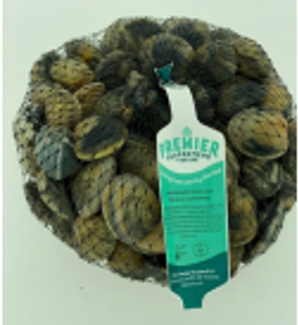
| Name | Vongole |
| Brand | First Seafarmers |
| Product appearance | Sold at the Cora fish stand |
| Unit | 1 kg |
| Use-by date (DLC) | 12/10/2023 |
| Sales period | 06/10/2023 to 09/10/2023 |
Danger : Presence of Escherichia coli
Among Escherichia coli , some can cause food poisoning which can occur within a week after consumption and result in gastrointestinal disorders often accompanied by cramps. These symptoms may be aggravated in young children, immunocompromised individuals and the elderly. People who have consumed these products and present these symptoms are invited to consult a doctor and report this consumption.
Sale confirmed in Luxembourg by: Cora. A sale by other operators cannot be excluded.
Information Source: Recall Notification
Posted in E.coli, food contamination, food handler, Food Hazard, Food Hygiene, Food Inspections, Food Micro Blog, Food Microbiology, Food Microbiology Blog, Food Microbiology Testing, Food Pathogen, Food Quality, food recall, Food Safety, Food Safety Alert, Food Safety Management, Food Safety Regulations, food safety training, Food Testing
Scientists in Southern California are asking the kind of questions that make soda drinkers uneasy after a recent study that found fast-food soda fountains were serving up high levels of bacteria along with self-serve drinks.
Researchers from Loma Linda University found bacteria levels that surpassed U.S. Environmental Protection Agency regulations for drinking water at fast-food restaurants in the eastern Coachella Valley, where largely low-income, Latino farmworker families have struggled with accessing potable water.
The study, published in August in the journal Drinking Water, found more than 40% of water samples from fast-food soda fountains had coliforms present, an indicator of contamination. The study calls into question the sanitation and maintenance of water from soda fountains, which rely on government and manufacturer standards.
Presence of Escherichia Coli beyond limits in Mussels (Mytilus Galloprovincialis)
Posted in E.coli, food contamination, food handler, Food Hazard, Food Hygiene, Food Inspections, Food Micro Blog, Food Microbiology, Food Microbiology Blog, Food Microbiology Testing, Food Pathogen, Food Quality, food recall, Food Safety, Food Safety Alert, Food Safety Management, Food Safety Regulations, Food Testing, RASFF
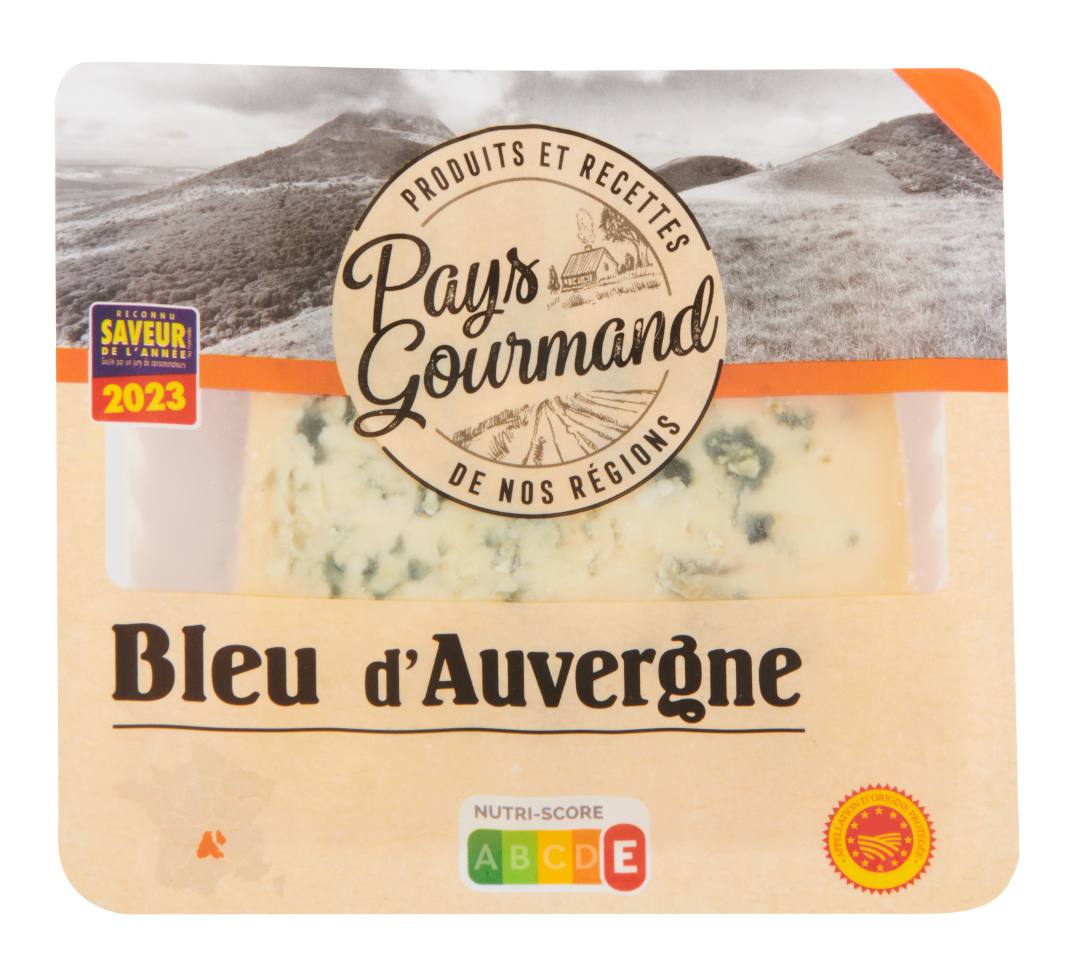
| GTIN | Batch | Date |
|---|---|---|
| 26030586 | 233 | Minimum durability date 11/21/2023 |
Posted in E.coli, food contamination, food handler, Food Hazard, Food Hygiene, Food Inspections, Food Micro Blog, Food Microbiology, Food Microbiology Blog, Food Microbiology Testing, Food Pathogen, Food Quality, food recall, Food Safety, Food Safety Alert, Food Safety Management, Food Safety Regulations, Food Testing
Groceries
September 26, 2023
Semi-hard cheese: “House brand dill”, “House brand cumin”, “House brand black cumin”, “House brand pumpkin seeds”, “House brand caraway”, “House brand chives”, “House brand garlic”
Achim Uhl Mobile cheese dairy Hartensteiner Straße 105 OT Oberdorf 09366 Stollberg DE SN 10682 EG
The above-mentioned products are classified as harmful to health due to the detection of verotoxin-producing Escherichia coli in the brine and lubricating water used for production.
1.7 – 2 kg/piece, 5 – 6 kg/piece (large)
House brand Dill: October 1st, 2023, October 12th, 2023, October 19th, 2023, October 22nd, 2023; House brand with dill (large): October 12, 2023; House brand cumin: October 19, 2023; House brand black cumin: October 5th, 2023/ October 12th, 2023; House brand pumpkin seeds: October 12, 2023; House brand Kümmel: October 12, 2023; House brand chives: October 12, 2023; House brand garlic: October 14, 2023.
An illness with verotoxin-producing Escherichia coli usually manifests itself within a week of infection with diarrhea and abdominal cramps. In particular, infants, small children, seniors and people with weakened immune systems can develop more severe illnesses with bloody diarrhea. Rarely, especially in small children, acute kidney failure can occur in a second attack a few days after the onset of diarrhea. People who have eaten this food and develop severe or persistent symptoms should seek medical attention and report a possible EHEC infection.
The above-mentioned cheeses may also have been sold differently from the manufacturer by other distributors (possibly partly direct marketers) and possibly also with different cheese names, so that identification should be carried out in particular using the identification mark (DE SN 10682 EG), or this can be done by the be asked from sellers.
Customers should definitely pay attention to the recall and not consume the affected products.
Posted in E.coli, EHEC, food contamination, food handler, Food Hazard, Food Hygiene, Food Inspections, Food Micro Blog, Food Microbiology, Food Microbiology Blog, Food Microbiology Testing, Food Pathogen, Food Poisoning, Food Quality, food recall, Food Safety, Food Safety Alert, Food Safety Management, Food Safety Regulations, Food Testing, Food Toxin, STEC, STEC E.coli

HUNTLEY, IL – The McHenry County Department of Health (MCDH) and Huntley Community School District 158 are working collaboratively to respond to a recent outbreak of Shiga Toxin-Producing E. coli (STEC) at Huntley High School. There are currently seven confirmed cases of STEC, all of which involve students. The first case was identified on Sunday, September 17. At this time, there is insufficient evidence to indicate the source of the illness. The MCDH is actively monitoring for potential cases; there are no other known McHenry County STEC cases outside of this outbreak.
Groceries
September 23, 2023
Listeria monocytogenes in olive products from Germany, with raw material from Greece
MOMENI FEINKOST GMBH, ZEPPELIN STR. 21, 72119 AMMERBUCH-ENTRINGEN, BW
As part of a self-control on September 8th, 2023, pathogenic Listeria monocytogenes was quantitatively detected in product 3077: Olives (blackened): herbs & garlic, best before date October 27th, 2023, CH: 1486. On September 8th, 2023, a sampling of the raw material blackened olives from Greece took place. From this, Listeria monocytogenes was determined in 25 g. Research into the cause of the listeria findings is currently underway.
The products are sold in large containers to commercial customers and go to the end consumer as loose goods.
see “Reason for the warning”
Reference is made to the attached press release from the food company.
Posted in E.coli, food contamination, food handler, Food Hazard, Food Hygiene, Food Inspections, Food Micro Blog, Food Microbiology, Food Microbiology Blog, Food Microbiology Testing, Food Pathogen, Food Quality, food recall, Food Safety, Food Safety Alert, Food Safety Management, Food Safety Regulations, Food Testing

 FoodWorld