Category Archives: Decontamination Microbial

Research – Efficacy of 405 nm Light-Emitting Diode Illumination and Citral Used Alone and in Combination for Inactivation of Vibrio parahaemolyticus on Shrimp

MDPI

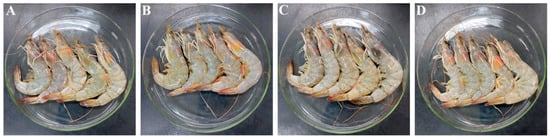
Vibrio parahaemolyticus is a widely distributed pathogen, which is frequently the lead cause of infections related to seafood consumption. The objective of the present study was to investigate the antimicrobial effect of the combination of 405 nm light-emitting diode (LED) and citral on V. parahaemolyticus. The antimicrobial effect of LED illumination and citral was evaluated on V. parahaemolyticus not only in phosphate-buffered saline (PBS) but also on shrimp. Quality changes of shrimp were determined by sensory evaluation. Changes in bacteria cell membrane morphology, cell membrane permeability, cell lipid oxidation level, and DNA degradation were examined to provide insights into the antimicrobial mechanism. The combination of LED treatments and citral had better antimicrobial effects than either treatment alone. LED combined with 0.1 mg/mL of citral effectively reduced V. parahaemolyticus from 6.5 log CFU/mL to below the detection limit in PBS. Combined treatment caused a 3.5 log reduction of the pathogen on shrimp within 20 min and a 6 log reduction within 2 h without significant changes in the sensory score. Furthermore, combined LED and citral treatment affected V. parahaemolyticus cellular morphology and outer membrane integrity. The profile of the comet assay and DNA fragmentation analysis revealed that combination treatment did not cause a breakdown of bacterial genomic DNA. In conclusion, LED may act synergistically with citral. They have the potential to be developed as novel microbial intervention strategies. View Full-Text

Belgium – Barry Callebaut Salmonella outbreak: no infected chocolate entered the retail food chain

Confectionary News

UPDATE 4 July 2022: Based on internal investigation, Barry Callebaut said it confirms that no chocolate products affected by the salmonella-positive production entered the retail food chain, after the strain was detected at its factory in Wieze, Belgium, on Monday 27 June.

Research – Source of 7-year Listeria outbreak found in Germany

Food Safety News

German officials believe they have solved a seven-year Listeria outbreak that included the death of one man.

Using next generation sequencing (NGS) methods, the Bavarian State Office for Health and Food Safety (LGL) helped identify a likely connection between Listeria infections in Lower Bavaria and in the district of Altötting since 2015 and a food company.

The company was not named by authorities but they described it as a small businesses in the district of Passau that had various customers in the region. Local media reported it was a produce company that supplied canteens and care homes but not retailers.

Alongside the results from the NGS analysis, there are indications of an epidemiological connection to those sick based on the sales area.

Spain – Establishment of the safe shelf life of certain ready-to-eat, sliced ​​​​and prepacked foods in the retail trade, in relation to the risk of Listeria monocytogenes

ACSA

Report

EditorCatalan Food Safety Agency
pages37
Year2022

India – 15 students fall ill after suspected food poisoning in UP residential school

India Tv News

Food poisoning in school: At least 15 girl students of a residential school in Uttar Pradesh’s Saharanpur district were admitted to a community health centre following complaints of vomiting and uneasiness, a senior official said on Monday.

The incident took place on Sunday at the Kasturba Gandhi Residential School in Mehngi village, District Magistrate Akhilesh Singh said. Among the 15, condition of three was stated to be serious, he said, adding prima facie it appears to be a case of food poisoning.

A magisterial probe has been ordered into the matter by Additional District Magistrate, Administration, Chief Medical Officer and district basic education officer. The team of officers will give their report within 48 hours, the DM said.

Research – Effect of Biltong Dried Beef Processing on the Reduction of Listeria monocytogenes, E. coli O157:H7, and Staphylococcus aureus, and the Contribution of the Major Marinade Components

MDPI

Biltong is a dry beef product that is manufactured without a heat lethality step, raising concerns of whether effective microbial pathogen reduction can occur during biltong processing. Raw beef inoculated with 4-strain cocktails of either E. coli O157:H7, Listeria monocytogenes, or Staphylococcus aureus, and processed with a standard biltong process, were shown to incur a >5-log reduction in 6–8 days after marination by vacuum-tumbling for 30 min in vinegar, salt, spices (coriander, pepper) when dried at 23.9 °C (75 °F) at 55% relative humidity (RH). Pathogenic challenge strains were acid-adapted in media containing 1% glucose to ensure that the process was sufficiently robust to inhibit acid tolerant strains. Internal water activity (Aw) reached < 0.85 at 5-log reduction levels, ensuring that conditions were lower than that which would support bacterial growth, or toxin production by S. aureus should it be internalized during vacuum tumbling. This was further confirmed by ELISA testing for staphylococcal enterotoxins A and B (SEA, SEB) after marination and again after 10 days of drying whereby levels were lower than initial post-marination levels. Comparison of log reduction curves obtained for E. coli O157:H7, L. monocytogenesS. aureus, and Salmonella (prior study) showed that microbial reduction was not significantly different (p < 0.05) demonstrating that even without a heat lethality step, the biltong process we examined produces a safe beef product according to USDA-FSIS guidelines.

Research – Use of Whole Genome Sequencing by the Federal Interagency Collaboration for Genomics for Food and Feed Safety in the United States

Journal of Food Protection

This multiagency report developed by the Interagency Collaboration for Genomics for Food and Feed Safety provides an overview of the use of and transition to whole genome sequencing (WGS) technology for detection and characterization of pathogens transmitted commonly by food and for identification of their sources. We describe foodborne pathogen analysis, investigation, and harmonization efforts among the following federal agencies: National Institutes of Health; Department of Health and Human Services, Centers for Disease Control and Prevention (CDC) and U.S. Food and Drug Administration (FDA); and the U.S. Department of Agriculture, Food Safety and Inspection Service, Agricultural Research Service, and Animal and Plant Health Inspection Service. We describe single nucleotide polymorphism, core-genome, and whole genome multilocus sequence typing data analysis methods as used in the PulseNet (CDC) and GenomeTrakr (FDA) networks, underscoring the complementary nature of the results for linking genetically related foodborne pathogens during outbreak investigations while allowing flexibility to meet the specific needs of Interagency Collaboration partners. We highlight how we apply WGS to pathogen characterization (virulence and antimicrobial resistance profiles) and source attribution efforts and increase transparency by making the sequences and other data publicly available through the National Center for Biotechnology Information. We also highlight the impact of current trends in the use of culture-independent diagnostic tests for human diagnostic testing on analytical approaches related to food safety and what is next for the use of WGS in the area of food safety.

Research – Biofilm Formation of Listeria monocytogenes and Pseudomonas aeruginosa in a Simulated Chicken Processing Environment

MDPI

This study aims to investigate the mono- and dual-species biofilm formation of Listeria monocytogenes and Pseudomonas aeruginosa incubated in different culture mediums, inoculum ratios, and incubation time. The planktonic cell population and motility were examined to understand the correlation with biofilm formation. The results showed that chicken juice significantly inhibited the biofilm formation of L. monocytogenes (p < 0.05). Pseudomonas aeruginosa was the dominant bacteria in the dual-species biofilm formation in the trypticase soy broth medium. The dynamic changes in biofilm formation were not consistent with the different culture conditions. The growth of planktonic L. monocytogenes and P. aeruginosa in the suspension was inconsistent with their growth in the biofilms. There was no significant correlation between motility and biofilm formation of L. monocytogenes and P. aeruginosa. Moreover, scanning electron microscopy (SEM) results revealed that the biofilm structure of L. monocytogenes was loose. At the same time, P. aeruginosa formed a relatively dense network in mono-species biofilms in an initial adhesion stage (24 h). SEM results also showed that P. aeruginosa was dominant in the dual-species biofilms. Overall, these results could provide a theoretical reference for preventing and controlling the biofilm formation of L. monocytogenes and P. aeruginosa in the food processing environment in the future. View Full-Text

Research – Impact of Industrial Practices on the Microbial and Quality Attributes of Fresh Vacuum-Packed Lamb Joints

MDPI

The impact of different industrial practices at lamb export abattoirs in Ireland on the microbial and quality attributes of fresh vacuum-packed (VP) lamb leg joints, including Clean Livestock Policy (CLP), fleece clipping, carcass chilling times and vacuum pack storage, at typical chill and retail display temperatures was investigated. Five separate slaughter batches of lamb (ranging in size from 38 to 60 lambs) were followed at two lamb export plants over a two-year period, accounting for seasonal variation. In general, fleece clipping resulted in significantly lower microbial contamination on the fleece than the use of CLP alone. Lamb from carcasses chilled for 24 h had significantly lower psychrophilic total viable counts and Brochothrix thermosphacta and pseudomonad counts than carcasses chilled for 72 h. Following vacuum-packed (VP) storage of meat from these carcasses at 1.7 ± 1.6 °C for 23 days in the meat plant followed by retail display at 3.9 ± 1.7 °C (up to day 50), the dominant microorganisms were lactic acid bacteria, Br. thermosphacta, Enterobacteriaceae and pseudomonads, and all had reached maximum population density by storage day 34. Aligned with this, after day 34, the quality of the raw meat samples also continued to deteriorate, with off-odours and colour changes developing. While the mean values for cooked meat eating quality attributes did not change significantly over the VP storage period, high variability in many attributes, including off-flavours and off-odours, were noted for lamb meat from all storage times, highlighting inconsistences in lamb quality within and between slaughter batches. View Full-Text

Research – Listeria monocytogenes in Irrigation Water: An Assessment of Outbreaks, Sources, Prevalence, and Persistence

MDPI

As more fresh fruits and vegetables are needed to meet the demands of a growing population, growers may need to start depending on more varied sources of water, including environmental, recycled, and reclaimed waters. Some of these sources might be susceptible to contamination with microbial pathogens, such as Listeria monocytogenes. Surveys have found this pathogen in water, soil, vegetation, and farm animal faeces around the world. The frequency at which this pathogen is present in water sources is dependent on multiple factors, including the season, surrounding land use, presence of animals, and physicochemical water parameters. Understanding the survival duration of L. monocytogenes in specific water sources is important, but studies are limited concerning this environment and the impact of these highly variable factors. Understanding the pathogen’s ability to remain infectious is key to understanding how L. monocytogenes impacts produce outbreaks and, ultimately, consumers’ health. View Full-Text