Category Archives: cross contamination

Germany – * Baby food * Similac, Alimentum and EleCare from the ABBOTT brand

LMW

Alert type: Food
Date of first publication: 03/25/2022
Product name:

* Baby food * Similac, Alimentum and EleCare from the ABBOTT brand
Product images:

image.jpg

BVL

Manufacturer (distributor): Abbott Nutrition in Sturgis, Michigan Country of origin: United States of America
Reason for warning:

Possible contamination with Salmonella Newport and Cronobacter sakazakii

Packaging Unit: 400 grams
Durability: from April 01, 2022
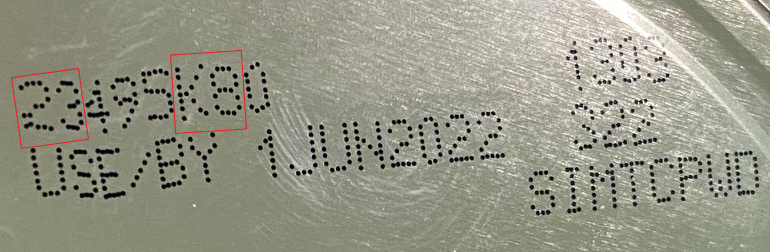
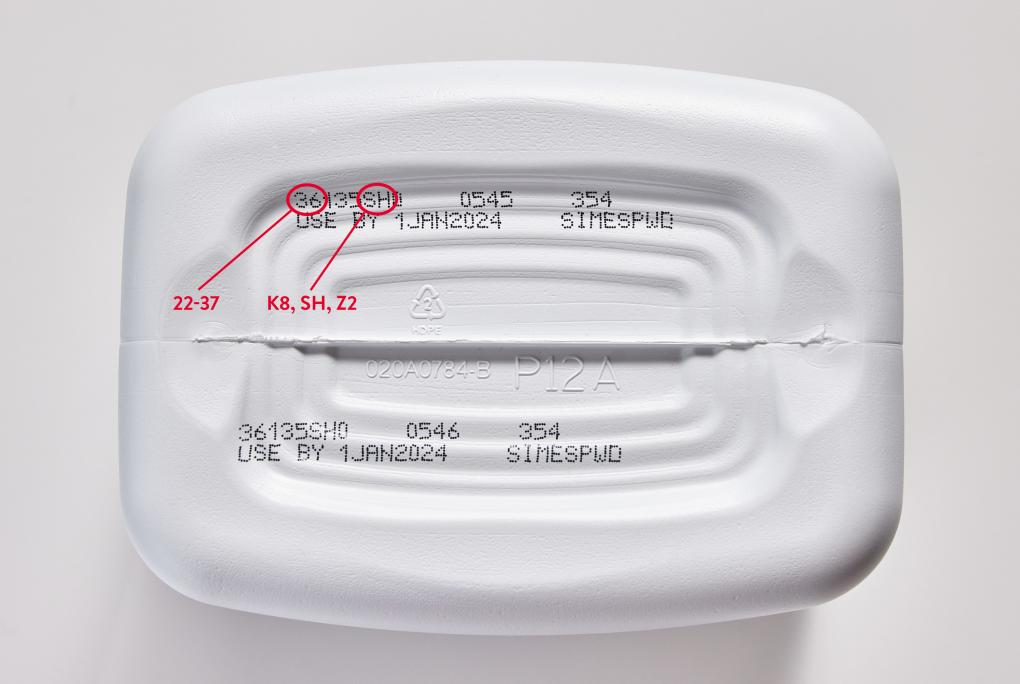
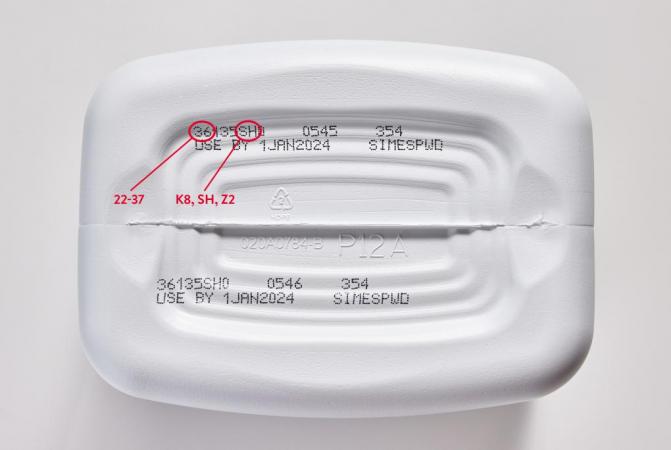
Lot identification: The first two digits of the lot number start with 22 to 37 AND the lot numbers contain the details K8, SH or Z2.
Further information:

Reference to a public warning from the US Food and Drug Administration:

Possible contamination of US infant formula with Cronobacter sakazakii and Salmonella Newport

Status 03/24/2022

The US Food and Drug Administration (FDA) warns against the use of certain powdered infant formulas manufactured by Abbott Nutrition in Sturgis, Michigan.

On February 17, 2022, Abbott announced that it had initiated a voluntary recall of certain lots of potentially affected products. The products in question are Similac, Alimentum and EleCare powdered food, which are manufactured at the plant in Sturgis, Michigan.

The recall is related to consumer complaints about Cronobacter sakazakii and Salmonella Newport infections in the United States. In all of these cases, infant formula from the manufacturer Abbott Nutrition is said to have been consumed. All five cases related to these ailments required hospitalization. In two cases, the infection may have contributed to the deaths of the patients.

The FDA is warning against the purchase and consumption of certain infant formulas manufactured at Abbott Nutrition’s Sturgis, Michigan facility.

The products were shipped within the USA and in member states of the EU (Italy, Ireland, Croatia, Netherlands, Slovenia, Spain) and other third countries (e.g. Great Britain, India, Islamic Republic of Iran, Northern Ireland, Russian Federation, Turkey, Ukraine, United States of America ) expelled. According to current knowledge, the products mentioned were not sold in Germany.

There is a possibility that consumers could have purchased the products online via marketplaces or through short-term stays in the Member States or third countries.

The FDA advises consumers not to use Similac, Alimentum, or EleCare powdered infant formula if:

  • the first two digits of the batch number begin with 22 to 37 and
  • the details K8, SH or Z2 are included and
  • a best-before date of April 1, 2022 is specified

The manufacturer offers the possibility to check the batch number of purchased products on the following page:  https://www.similacrecall.com/us/en/product-lookup.html

For more information on the FDA’s warning, please visit the following link: https://www.fda.gov/news-events/press-announcements/fda-warns-consumers-not-use-certain-powdered-infant-formula-produced- Abbott Nutrition Facility

The manufacturer’s recall can be found at the following link: https://www.fda.gov/safety/recalls-market-withdrawals-safety-alerts/abbott-voluntarily-recalls-powder-formulas-manufactured-one-plant

For the warning in Turkish language, please refer to the following link: https://www.titck.gov.tr/duyuru/ilac-geri-cekme-24022022101035

Information on Salmonella and Cronobacter sakazakii

Salmonella  and  Cronobacter sakazakii  can cause illness in infants when present in powdered infant formula. Although Cronobacter sakazakii and Salmonella cannot grow in powdered infant formula, they can survive for a long period of time and therefore pose a potential risk after liquid addition if the product is not heated sufficiently during preparation. Contamination of infant formula powder with Cronobacter sakazakiiand salmonella can cause serious illnesses in infants, such as diarrhea (sometimes bloody), fever, sepsis or meningitis, which can cause serious neurological and developmental problems and, in rare cases, can be fatal. Sepsis and meningitis can present with poor feeding, irritability, temperature changes, jaundice (yellow skin and whites of the eyes), and abnormal breathing and movements. Among infants, newborns (<28 days), especially preterm, low birth weight, or immunocompromised infants are most at risk of becoming infected.

(Unofficial translation of the information at: https://www.fsai.ie/news_centre/food_alerts/Similac.html )

Further information on salmonella, also in other languages, can be found here: http://www.infectionsschutz.de/erregersteckbriefe/salmonellen

USA – FDA Investigation of Cronobacter Infections: Powdered Infant Formula (February 2022) – The problem is more than two years old.

FDA

If you want to check if your powdered formula is part of the recall, you can enter the product lot code on the bottom of your package on the company’s websiteExternal Link Disclaimer.

If you have questions or need information about the recall, you can Submit Questions/Get Assistance.

If your infant is experiencing symptoms related to Cronobacter infection, such as poor feeding, irritability, temperature changes, jaundice, grunting breaths, or abnormal body movements; contact your health care provider to report their symptoms and receive immediate care.

To report an illness or adverse event, you can

The FDA, along with CDC and state and local partners are investigating consumer complaints and/or reports of infant illness related to products from Abbott Nutrition’s Sturgis, MI facility. All of the ill patients are reported to have consumed powdered infant formula produced from Abbott Nutrition’s Sturgis, MI facility.

The FDA is releasing the FDA Form 483s from three inspections conducted at Abbott Nutrition’s facility on Sept. 16-24, 2019Sept. 20-24, 2021, and Jan. 31-March 18, 2022. The inspectional observations in these Form 483s do not constitute final FDA determinations of whether any condition was or is in violation of the Federal Food, Drug, and Cosmetic Act or any of its implementing regulations. FDA will take appropriate action in the future – if warranted – as we continue to evaluate the 2022 inspectional findings.

Important observations noted in the 2022 Form 483 include, but are not limited to:

  • [Abbott Nutrition] did not establish a system of process controls covering all stages of processing that was designed to ensure that infant formula does not become adulterated due to the presence of microorganisms in the formula or in the processing environment.
  • [Abbott Nutrition] did not ensure that all surfaces that contacted infant formula were maintained to protect infant formula from being contaminated by any source.

Once the immediate public health risk is minimized, FDA will conduct a programmatic review to ensure the maximum effectiveness of agency programs and policies related to infant formula and special medical food complaints, illnesses, and recalls.

Conducting this review is a top priority for the FDA and will be done as efficiently as possible, and we can ensure this effort will not interfere with the immediate recall response activities. We will and must continue focusing on taking all steps possible to protect the health of those who rely on safe powdered infant formula.

Recommendation

The FDA is advising consumers not to use recalled Similac, Alimentum, or EleCare powdered infant formulas. Recalled products can be identified by the 7 to 9 digit code and expiration date on the bottom of the package (see image below). Products are included in the recall if they have all three items below:

  • the first two digits of the code are 22 through 37 and
  • the code on the container contains K8, SH, or Z2, and
  • the expiration date is 4-1-2022 (APR 2022) or later.

In addition to products described above, Abbott Nutrition has recalled Similac PM 60/40 with a lot code 27032K80 (can) / 27032K800 (case). At this time, Similac PM 60/40 with lot code 27032K80 (can) / 27032K800 (case) is the only type and lot of this specialty formula being recalled. Additional recall information for the initial recall is available on the FDA website. Parents can also enter their product lot code on the company’s websiteExternal Link Disclaimer to check if it is part of the recall.

Additional information for parents and caregivers of infants receiving medical specialty infant formulas and individuals using certain medical foods is available below.

Additional Information for Parents and Caregivers:

The recalls do not include liquid formula products.

Parents and caregivers should never dilute infant formula and should not make or feed homemade infant formula to infants. Consumers should also avoid purchasing imported formula through online sales, as it has the potential to be counterfeit.

If your regular formula is not available, contact your child’s healthcare provider for recommendations on changing feeding practices.

If you get infant formula through WIC, do not throw the formula out. Instead, you should take it to the store for a refund and exchange or call the company at 1-800-986-8540 to help you. WIC recipients should be able to obtain a different brand of similar formula. Call your local WIC clinic for more guidance. Also see:

More information on Cronobacter and infant formula is available on CDC’s website.

Recalled powdered infant formulas have the potential to be contaminated with Cronobacter, a bacterium that can cause severe foodborne illness primarily in infants. Cronobacter infections are rare but are especially high risk for newborn infants (see symptoms below).

Cronobacter bacteria can cause severe, life-threatening infections (sepsis) or meningitis (an inflammation of the membranes that protect the brain and spine). Symptoms of sepsis and meningitis may include poor feeding, irritability, temperature changes, jaundice (yellow skin and whites of the eyes), grunting breaths, and abnormal body movements. Cronobacter infection may also cause bowel damage and may spread through the blood to other parts of the body.

If your child is experiencing any of these symptoms, you should notify your child’s healthcare provider and seek medical care for your child immediately. Healthcare providers and health departments are encouraged to report any confirmed cases of Cronobacter sakazakii to CDC.


Product Images

Sample Product Image from the FDA Investigation of Cronobacter and Salmonella Complaints about Powdered Infant Formula (February 2022)

Case Counts

Total Adverse Events: 4
Hospitalizations: 4
Reported Deaths: 2*
Illness Onset Date Range: 9/6/2021 – 1/4/2022
States with Adverse Events: MN (1), OH (2), TX (1)
Product Distribution: Nationwide and International
* Two deaths have been reported. Cronobacter infection may have contributed to the cause of death for both patients.

Research – Report on the equivalence between the disinfection of tools in slaughterhouses and cutting rooms with hot water, at a temperature not lower than 82 °C, and various alternative disinfection systems.

AESAN

The different tools and utensils used in slaughterhouses and cutting rooms may lead to cross contamination if unsuitable cleaning and disinfecting procedures are used. In this regard, Regulation (EC) No. 853/2004 laying down specific hygiene rules for food of animal origin establishes that slaughterhouses and cutting rooms for ungulates as well as poultry and lagomorphs must have facilities for disinfecting

The Scientific Committee of the Spanish Agency for Food Safety and Nutrition (AESAN) has assessed several studies carried out in order to establish whether disinfection with four alternative systems may be considered equivalent to that conducted with water supplied at a temperature not less than 82 ºC.
After reviewing the studies, the AESAN Scientific Committee concludes that a notable effort has been made to demonstrate the equivalence of these systems. It is observed in these studies that the use of these compounds leads to reductions in the microorganisms studied which, under the testing conditions, appear to be similar to those obtained with the official method.
However, these studies have methodological limitations (number of repetitions, sampling plan, the microorganisms studied and method of analysis) which prevent establishing this equivalence.
Accordingly, the Committee makes a series of recommendations for conducting these studies: using swabs instead of contact slides; including the analysis of foodborne pathogenic microorganisms of interest in slaughterhouses; including detailed information on the disinfecting products used as well as the method of analysis; harmonising sampling and analysis procedures; guaranteeing the representativeness of the samples taken (it is suggested to take 5 samples per slaughterhouse per day-taken from at least 4 different locations-, using 4 different slaughterhouses in the study, during 5 non-consecutive days, uniformly distributed over a period of 3 months; that is to say, a total of 100 samples); ensuring that all samples analysed are acceptable based on the established criteria for mesophilic aerobes (0-10 cfu/cm2), enterobacteria (0-1 cfu/cm2), as well as the absence/cm2 for the pathogens Listeria monocytogenes and Salmonella.
Likewise, it is also recommended to draw up a sector-based Guide that, based on the recommendations made in this report, provides a detailed description of the protocol to be followed in order to demonstrate equivalence between the disinfection of tools in slaughterhouses and cutting rooms with hot water supplied at a temperature not less than 82 ºC and disinfection with alternative methods.

USA – Abbott Voluntarily Expands Recall of Powder Formulas Manufactured at One Plant – Cronobacter – Salmonella

FDA

Summary

Company Announcement Date:
FDA Publish Date:
Product Type:
Food & Beverages
Foodborne Illness
Reason for Announcement:
Consumer complaints regarding Cronobacter sakazakii, Salmonella Newport
Company Name:
Abbott
Brand Name:
Similac, Alimentum, and EleCare
Product Description:
Powder Infant Formula

Company Announcement

02.28.2022 EXPANDED: Abbott is voluntarily recalling one lot of Similac PM 60/40 (Lot # 27032K80 (can) / Lot # 27032K800 (case)) manufactured in Sturgis, Michigan. This is in addition to lots of Similac®, Alimentum® and EleCare® powder formula that were voluntarily recalled on Feb. 17. The action comes after learning of the death of an infant who tested positive for Cronobacter sakazakii and who we were informed had consumed Similac PM 60/40 from this lot. This case is under investigation, and at this time the cause of the infant’s Cronobacter sakazakii infection has not been determined. We want to extend our heartfelt sympathies to the family.

Importantly, no distributed product has tested positive for the presence of Cronobacter sakazakii. Additionally, recently tested retained product samples of Similac PM 60/40 Lot # 27032K80 (can) / Lot #27032K800 (case) were negative for Cronobacter.

02.17.2022 Abbott initiated a proactive, voluntary recall of powder formulas, including Similac, Alimentum and EleCare, manufactured in Sturgis, Michigan, one of the company’s manufacturing facilities. The recall does not include any metabolic deficiency nutrition formulas.

Abbott is voluntarily recalling these products after four consumer complaints related to Cronobacter sakazakii or Salmonella Newport in infants who had consumed powder infant formula manufactured in this facility.

Additionally, as part of Abbott’s quality processes, we conduct routine testing for Cronobacter sakazakii and other pathogens in our manufacturing facilities. During testing in our Sturgis, Michigan, facility, we found evidence of Cronobacter sakazakii in the plant in non-product contact areas. We found no evidence of Salmonella Newport. This investigation is ongoing.

Importantly, no distributed product has tested positive for the presence of either of these bacteria, and we continue to test. Abbott conducts extensive quality checks on each completed batch of infant formula, including microbiological analysis prior to release. All finished  infant formula powder products are tested for Cronobacter, Salmonella, and other pathogens, and they must test negative before the product is released. Additionally, retained samples related to the three complaints for Cronobacter sakazakii tested negative for Cronobacter. And the retained sample related to the complaint for Salmonella Newport tested negative for Salmonella.

While Abbott’s testing of distributed product detected no pathogens, we are taking action by recalling the powder formula manufactured in this facility with an expiration of April 1, 2022, or later. No Abbott liquid formulas are included in the recall, nor are powder formulas or nutrition products from other facilities.

If your infant is experiencing symptoms related to Cronobacter or Salmonella infection, such as poor feeding, irritability, temperature changes, jaundice, grunting breaths, abnormal movements, lethargy, rash, or blood in the urine or stool; contact your health care provider to report their symptoms and receive immediate care.

To find out if the product you have is included in this recall, click on the button below to check your lot number.

Link to Initial Press Release


Company Contact Information

Consumers:
Abbott
 +1-800-986-8540
Media:
Vicky Assardo
 (224) 668-1505

Nigeria – Class I Recall: Abbott Recalls Certain Powdered Infant Formula Linked To Food Borne Illness Outbreak Due To Presence Of Cronobacter Sakazakii And Salmonella Newport Bacteria

NAFDAC

In the U.S, four consumer complaints of infant illness were received from September 2021 to December 2021. This includes three reports of Cronobacter sakazakii infections and one Salmonella Newport infection. All four infants were hospitalized and Cronobacter may have contributed to one death.

Abbott’s recall of these powdered  infant formula produced at its facility in Sturgis, Michigan MI, has spread globally and now includes Croatia, Italy, Ireland, Netherlands, Slovenia, and Spain, among many other countries. Food Standards Agency (FSA) is investigating whether three infant illnesses reported recently  in the United Kingdom are connected to an outbreak in the United States from the recalled  infant formula.

Background:

Cronobacter bacteria can cause severe, life-threatening infections(sepsis) or meningitis. Symptoms of which include poor feeding, irritability, temperature changes, jaundice, grunting breaths and abnormal movement in infants. The infection can also lead to bowel damage and may spread through the blood to other parts of the body.

Salmonella bacteria causes gastrointestinal illness, fever called salmonellosis which may lead to diarrhea, fever, and abdominal cramps. A severe case of salmonella infection results in headache, lethargy, rash, blood in the urine or stool and may be fatal in some cases.

PLEASE NOTE THAT ABBOTT’S SIMILAC INFANT FORMULA POWDER REGISTERED BY NAFDAC ARE MANUFACTURED IN SOUTH AFRICA AND REPUBLIC OF IRELAND WHILE,

THE RECALLED PRODUCTS LISTED ABOVE WERE MANUFACTURED IN STURGIS, MICHIGAN- AMERICA.

Recommendation:

The Agency advises that parents of infant experiencing any of these symptoms after consumption of the recalled Abbott Infant formula, should notify your child’s healthcare provider and seek medical care for your child immediately.  Healthcare providers and health departments are encouraged to report any confirmed cases of Cronobacter sakazakii to relevant authorities.

NAFDAC implores importers, distributors, retailers and the public to exercise caution and vigilance to avoid  sale, distribution and consumption  of the recalled  products listed above or if in possession should  submit  to the nearest NAFDAC office or report to NAFDAC PRASCOR (20543 or 0800-1-623322) TOLL FREE from all networks) or via pharmacovigilance@nafdac.gov.ng or via e-Reporting platform available on the NAFDAC website http://www.nafdac,gov.ng.

NAFDAC……..Customer-focused, Agency-minded!!!

Spain – Alert for the possible presence of Cronobacter sakazakii and Salmonella Newport in special infant milk from the United States

ACSA

lot identification on can and box

On February 22, the Spanish Agency for Food Safety and Nutrition informed the Autonomous Communities throughthe Coordinated System for the Rapid Exchange of Information (SCIRI) of an alert notification sent by the health authorities of the Autonomous Community of Madrid regarding the possible presence of  Cronobacter sakazakii  and  Salmonella  Newport in two special infant formulas.

The ABBOTT company has clarified that the batch numbers indicated in the initial notification appear on the boxes of 6 cans. On the other hand, the last digit does not appear on the cans. A photograph of how the lot appears in both cases is attached.

The updated data of the product involved are:

SIMILAC FOOD 400g. Lots:

  • BOXLOTS 25659Z261 (expiry 01 2023); lots IN CAN 25659Z26 (expiry 01 2023)
  • BOXLOTS 28123Z261 (expiry 04 2023); lots IN CAN 28123Z26 (expiry 04 2023)
  • BOXLOTS 30283Z262 (expiry 06 2023); lots IN CAN 30283Z26 (expiry 06 2023)
  • BOXLOTS 31410Z204 (expiry 07 2023); lots IN CAN 31410Z20 (expiry 07 2023)
  • BOX-LOTS 33688Z201 (expiry 09 2023); lots IN CAN 33688Z20 (expiry 09 2023)

SIMILAC ELECARE 400g. Lots:

  • BOXED lots: 25557Z203 (expiry 07 2022); lots IN CAN: 25557Z20 (expiry 07 2022)
  • BOXED lots: 30374Z202 (expiry 12 2022); lots IN CAN: 30374Z20 (expiry 12 2022)

With the information available there is NO record in Spain of any reported case associated with this alert.

People who have products affected by this alert at home are recommended to refrain from consuming them and return them to the point of purchase.

USA – FDA Investigation of Cronobacter and Salmonella Complaints: Powdered Infant Formula (February 2022)

FDA

If you want to check if your powdered formula is part of the recall, you can enter the product lot code on the bottom of your package on the company’s websiteExternal Link Disclaimer.

If you have questions or need information about the recall, you can Submit Questions/Get Assistance.

If your infant is experiencing symptoms related to Cronobacter or Salmonella infection, such as poor feeding, irritability, temperature changes, jaundice, grunting breaths, abnormal movements, lethargy, rash, or blood in the urine or stool; contact your health care provider to report their symptoms and receive immediate care.

To report an illness or adverse event, you can

The FDA, along with CDC and state and local partners are investigating consumer complaints and/or reports of infant illness related to products from Abbott Nutrition’s Sturgis, MI facility. All of the ill patients are reported to have consumed powdered infant formula produced from Abbott Nutrition’s Sturgis, MI facility.

As of February 28, CDC has announced one additional illness of Cronobacter sakazakii with exposure to powdered infant formula produced at Abbott Nutrition’s Sturgis, MI facility. Cronobacter infection may have been a contributing cause of death for this patient. In total, this investigation includes four reports of Cronobacter sakazakii infections in infants (three from FDA complaints and one from a CDC case finding) and one complaint of a Salmonella Newport infection in an infant. All five (four Cronobacter infections and one Salmonella Newport infection) illnesses resulted in hospitalization and Cronobacter may have contributed to death in two patients.

The most recent patient was reported to have consumed Abbott Nutrition’s Similac PM 60/40 product with the lot code 27032K800 prior to Cronobacter sakazakii infection. FDA and CDC informed the firm of these findings and on February 28, 2022, Abbott Nutrition voluntarily recalled Similac PM 60/40 powdered infant formula with the lot code 27032K800. This is a specialty formula for certain infants who would benefit from lowered mineral intake and was not included in the previous recall. At this time, Similac PM 60/40 with lot code 27032K80 (can) / 27032K800 (case) are the only type and lots of this specialty formula being recalled.

This particular lot of Similac PM 60/40 was distributed to the U.S. and Israel. If your regular formula is not available, contact your child’s healthcare provider for recommendations on changing feeding practices.

We understand that infant formula is the sole source of nutrition for many infants and is an essential product. FDA is working with Abbott Nutrition to better assess the impacts of the recall and understand production capacity at other Abbott facilities that produce some of the impacted brands. We are also working with Abbott Nutrition on safe resumption of production at the Sturgis, MI facility. FDA is continuing to investigate and will update this advisory should additional consumer safety information become available.

Recommendation

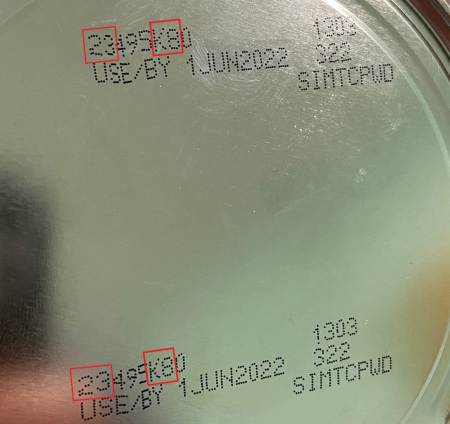
The FDA is advising consumers not to use recalled Similac, Alimentum, or EleCare powdered infant formulas. Recalled products can be identified by the 7 to 9 digit code and expiration date on the bottom of the package (see image below). Products are included in the recall if they have all three items below:

  • the first two digits of the code are 22 through 37 and
  • the code on the container contains K8, SH, or Z2, and
  • the expiration date is 4-1-2022 (APR 2022) or later.

In addition to products described above, Abbott Nutrition has recalled Similac PM 60/40 with a lot code 27032K80 (can) / 27032K800 (case). At this time, Similac PM 60/40 with lot code 27032K80 (can) / 27032K800 (case) are the only type and lots of this specialty formula being recalled.

Additional recall information for the initial recall is available on the FDA website. Parents can also enter their product lot code on the company’s websiteExternal Link Disclaimer to check if it is part of the recall.

Additional Information for Parents and Caregivers:

The recalls do not include liquid formula products. Consumers should continue to use all product not included in the recalls.

Parents and caregivers should never dilute infant formula and should not make or feed homemade infant formula to infants. Consumers should also avoid purchasing imported formula through online sales, as it has the potential to be counterfeit.

If your regular formula is not available, contact your child’s healthcare provider for recommendations on changing feeding practices.

If you get infant formula through WIC, do not throw the formula out. Instead, you should take it to the store for a refund and exchange or call the company at 1-800-986-8540 to help you. WIC recipients should be able to obtain a different brand of similar formula. Call your local WIC clinic for more guidance. Also see:

More information on Cronobacter and infant formula is available on CDC’s website.

Recalled powdered infant formulas have the potential to be contaminated with Cronobacter, a bacterium that can cause severe foodborne illness primarily in infants. Cronobacter infections are rare but are especially high risk for newborn infants (see symptoms below).

Cronobacter bacteria can cause severe, life-threatening infections (sepsis) or meningitis (an inflammation of the membranes that protect the brain and spine). Symptoms of sepsis and meningitis may include poor feeding, irritability, temperature changes, jaundice (yellow skin and whites of the eyes), grunting breaths, and abnormal movements. Cronobacter infection may also cause bowel damage and may spread through the blood to other parts of the body.

If your child is experiencing any of these symptoms, you should notify your child’s healthcare provider and seek medical care for your child immediately. Healthcare providers and health departments are encouraged to report any confirmed cases of Cronobacter sakazakii to CDC.


Product Images

Sample Product Image from the FDA Investigation of Cronobacter and Salmonella Complaints about Powdered Infant Formula (February 2022)
Powdered Infant Formation Container with Product Coding

Case Counts

Total Adverse Events: 5 (4 Cronobacter, 1 Salmonella)
Hospitalizations: 5
Reported Deaths: 2*
Adverse Event Dates: 9/16/2021 – 1/4/2022
States with Adverse Events: MN (1), OH (2), TX (2)
Product Distribution: Nationwide and International
* Two deaths have been reported. Cronobacter infection may have contributed to the cause of death for both ill patients.


International Product Distribution

The recall impacts Alimentum, EleCare, and Human Milk Fortifier for markets outside the U.S. No other Abbott Nutrition products distributed outside of the U.S. are affected by this recall. According to the firm, recalled products were distributed to the following countries/locations: Australia, Bahrain, Barbados, Bermuda, Canada, Chile, China, Colombia, Costa Rica, Dominican Republic, Ecuador, Egypt, Guam, Guatemala, Hong Kong, India, Indonesia, Israel, Jordan, Kuwait, Lebanon, Malaysia, Mexico, New Zealand, Oman, Peru, Puerto Rico, Qatar, Saudi Arabia, Singapore, South Africa, Sudan, Taiwan, Thailand, United Arab Emirates, United Kingdom, and Vietnam ANI South.

For additional information, international officials and customers can visit the company’s recall page for contact informationExternal Link Disclaimer.

Cronobacter Surveillance

Cronobacter infection surveillance is not handled the same way as infection with more common foodborne pathogens, such as Salmonella or E. coli O157:H7. Cronobacter is not nationally notifiable and not reportable except in one state, which means doctors and labs are not required to report cases to their health department. Because Cronobacter is not a nationally notifiable pathogen, FDA relies on consumer complaints of illness sent to the Agency and on health care providers informing FDA directly about infants with Cronobacter infections. In addition, because Cronobacter is not nationally notifiable, whole genome sequencing (WGS) is rarely performed on these isolates. To date, no outbreaks of Cronobacter have been detected using WGS.

When single cases of Cronobacter are reported, the FDA conducts a thorough review of each complaint, conducts sampling of products, and initiates inspections as appropriate. FDA collaborates with CDC, which has developed a detailed questionnaire specifically for Cronobacter infections that is often used by state health departments in instances of Cronobacter sakazakii infection.

USA – FDA – Infant Formula Recall: What to Know

FDA

If you use powdered infant formula, be aware certain Similac, Alimentum and EleCare products have been recalled and should not be used.

The U.S. Food and Drug Administration (FDA) is investigating consumer complaints of bacterial infections in five infants who consumed powdered infant formula produced in Abbott Nutrition’s facility in Sturgis, Michigan. All five infants had to be hospitalized and the bacterial infection may have contributed to death in two patients.

Because infant formula is the only source of nutrition for many newborns and infants, the FDA understands and shares the concerns parents and caregivers may have.

Here’s information to help you as we continue our investigation.

What powdered infant formula products have been recalled?

Abbott Nutrition has recalled certain powdered infant formula products produced at its Sturgis, Michigan facility. Products from that facility can be found across the U.S. and some were exported to other countries. Here’s how you can tell if you have any of those products.

The FDA recommends consumers look at the lot code, a multidigit number on the bottom of a container of Similac, Alimentum and EleCare powdered infant formula and do not use if:

  • the first two digits of the code are 22 through 37; and
  • the code on the container contains K8, SH or Z2; and
  • the expiration date is 4-1-2022 (APR 2022) or later.

In addition to products described above, Abbott Nutrition has recalled Similac PM 60/40 with a lot code of 27032K80 (can) / 27032K800 (case).

You can also enter your product lot code on the company’s websiteExternal Link Disclaimer to check if it is part of the recall. Please see the images below for a closer look at the identifying information.

Powdered Abbott products that don’t have the code and expiration noted above are not included in the recall. Liquid formula products are not subject to the recall. At this time, Similac PM 60/40 with lot code 27032K80 (can) / 27032K800 (case) are the only type and lots of this specialty formula being recalled.

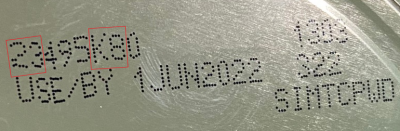
Top of Infant Formula can displaying number coding.
Top of Powdered Infant Formula can, displaying dates and number coding.
Bottom of Powdered Infant formula container

What infections have been reported and what symptoms should I look for?

Four cases involve Cronobacter sakazakii, and one involves Salmonella Newport infection.

  • Cronobacter bacteria can cause severe, life-threatening infections (sepsis) or meningitis (an inflammation of the membranes that protect the brain and spine). Cronobacter infections are rare but are especially high risk for newborns.
  • Salmonella are a group of bacteria that can cause gastrointestinal illness and fever called salmonellosis.
  • Symptoms related to Cronobacter and Salmonella infection include: poor feeding, irritability, temperature changes, jaundice, grunting breaths, abnormal body movements, lethargy, rash or blood in the urine or stool.
  • If your infant is experiencing symptoms related to Cronobacter or Salmonella infection, contact your child’s health care provider to report his or her symptoms and receive immediate care.

When and where were the illnesses?

Illnesses occurred in Minnesota, Ohio, and Texas between September 16, 2021 and January 4, 2022.

I’m having a hard time finding formula. What is the FDA doing to help?

We are aware the recall has created new concerns about the availability of certain types of infant formula, particularly given the overall strains on supply chains experienced during the COVID-19 pandemic.

The FDA is working with Abbott Nutrition to better assess the impacts of the recall and understand the production capacity at other Abbott facilities that produce some of the impacted brands. We are also working with Abbott on safe resumption of production at the Sturgis, Michigan facility. As Abbott Nutrition was initiating its recall, the FDA intensified outreach to other infant formula manufacturers to inquire about their capacity and potential impacts. We will continue discussion with Abbott Nutrition and other infant formula manufacturers and consider all tools available to support the supply of infant formula products.

Are homemade formulas an alternative?

No. The FDA advises parents and caregivers not to make or feed homemade formula to infants. Homemade infant formula recipes have not been evaluated by the FDA and may lack nutrients vital to an infant’s growth.

What else should I know?

Parents and caregivers also should never dilute infant formula. Consumers also should avoid buying formula online that comes from outside the U.S., as it has the potential to be counterfeit.

If your regular formula is not available, contact your child’s health care provider for recommendations on changing feeding practices.

If you get infant formula through WIC, do not throw the formula out. Instead, you should take it to the store for a refund and exchange or call the company at 1-800-986-8540 to help you. WIC recipients should be able to obtain a different brand of similar formula. Call your local WIC clinic for more guidance.

Additional Resources:

USA – West Virginia Infant Has Salmonella After Ingesting Powdered Formula

Food Poisoning Bulletin

A West Virginia infant has Salmonella after ingesting recalled powdered infant formula, according to the West Virginia Department of Health and Human Resources (DHHR). This illness is in addition to the four infants the FDA reported sick with Cronobacter and Salmonella infections in association with certain recalled lots of Similac, EleCare, and Alimentum formula produced by Abbott Nutrition. This is the first case in that state of Salmonella in an infant as a result of consuming the formula. The other cases were from Minnesota, Ohio, and Texas.

RASFF Alerts – Foodborne outbreak suspected to be caused by infant formulae from the United States – Salmonella Newport – Cronobacter

RASFF

Foodborne outbreak suspected to be caused by infant formulae from the United States in Croatia, Ireland, Italy, Netherlands, Slovenia , Spain