Category Archives: Clostridium

Catalonia – Alert for the presence of Clostridium perfringens in lots of cinnamon from Vietnam

ACSA

cinnamon much of the alert

The Spanish Agency for Food Safety and Nutrition has communicated to the competent authorities of the autonomous communities and the Center for Coordination of Health Alerts and Emergencies (CCAES), through the Coordinated  System of Rapid Information Exchange  (SCIRI), a alert, transferred by the health authorities of the Community of Madrid, regarding the presence of Clostridium perfringens in cinnamon molta of the Especias Pedroza brand.

The data of the product involved are:

  • Product Name:  Ground Cinnamon
  • Brand/commercial name : Especias Pedroza
  • Product appearance: Plastic packaging
  • Batch numbers and best before dates: 
    • A220079, 12/31/2023
    • A222605, 02/28/2026
  • Unit weight:  700 g
  • Temperature: Ambient.

The withdrawal of the affected products from the marketing channels will be verified by the competent authorities.

People who have products affected by this alert at home are advised to refrain from consuming them and return them to the point of purchase.

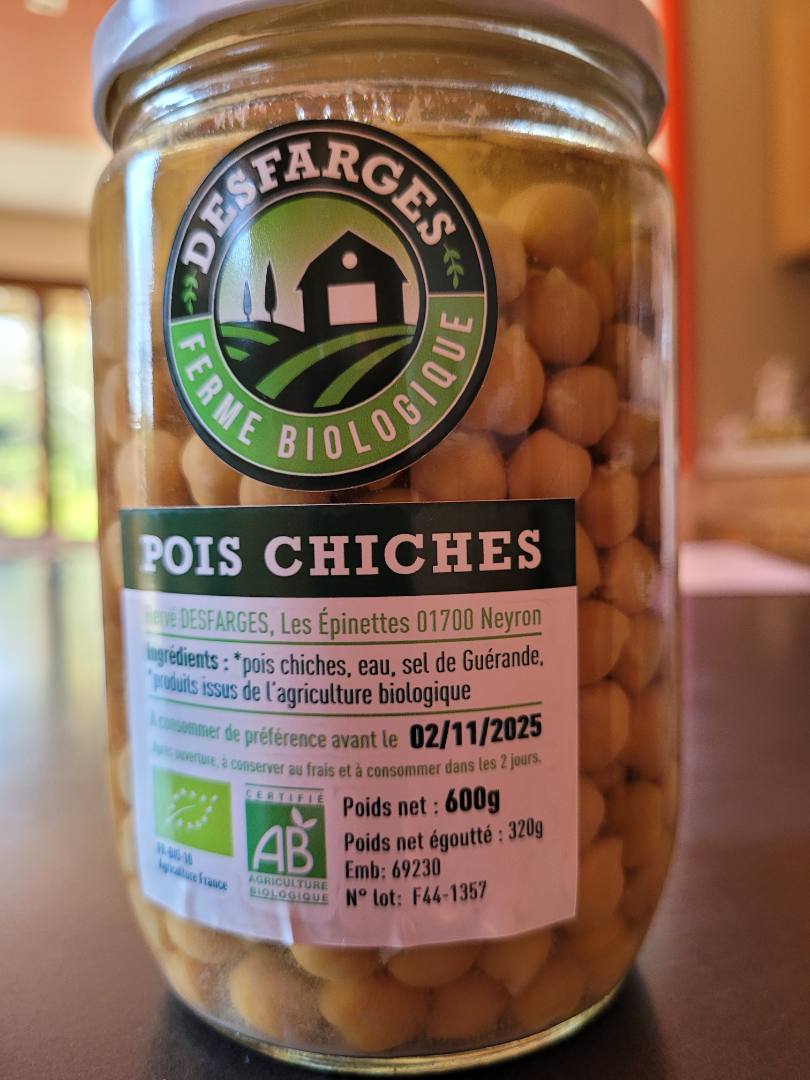
France – Bottled CHICKPEA – Clostridium botulinum

Gov france

Identification information of the recalled product

  • Product category Feed
  • Product subcategory Fruits and vegetables
  • Product brand name DISCHARGES
  • Model names or references CHICKPEA
  • Identification of products
    Lot Date
    F44-1357 Best before date 02/11/2025
  • Packaging 600g glass jar
  • Marketing start/end date From 22/11/2022 to 23/03/2023
  • Storage temperature Product to be stored at room temperature
  • Further information product from organic farming
  • Geographic area of ​​sale Departments: AIN (01), ISERE (38), RHONE (69)
  • Distributors biocoop villeurbanne and charancieu, so organic Lozanne, so organic Craponne, Marechal fraicheur, the little distrib, Léonie’s grocery store, Father Baptiste, the Miribel farm

Practical information regarding the recall

  • Reason for recall sample unstable after incubation, the sample does not meet the requirements of article 14 of regulation (EC) n°178/2002
  • Risks incurred by the consumer Clostridium botulinum (agent responsible for botulism)

Research – FSA Vacuum Packing/MAP Guidance – more questions asked

CFA

In June 2022 CFA Director General Karin Goodburn MBE gave evidence to the Advisory Committee on the Microbiological Safety of Food (ACMSF) Subgroup conducting the review of the entire risk basis of the FSA Guidelines on the control of non-proteolytic Clostridium botulinum in the vacuum and modified atmosphere packaging of chilled food (CFA News 58) and looking more widely at botulism risks.

The subgroup was not authorised by FSA to review the guidance in relation to fresh meat although industry maintains that it does not reflect internationally-established risk. CFA is seeking correction of technical errors and removal of UK-only technical barriers to businesses. Instead, as is standard for other pathogens, information required for the use of HACCP should be provided by FSA including continuing to allow the use of risk-based data for the use of novel thermal and other processes.

Research – Physical Treatments to Control Clostridium botulinum Hazards in Food

MDPI

Abstract

Clostridium botulinum produces Botulinum neurotoxins (BoNTs), causing a rare but potentially deadly type of food poisoning called foodborne botulism. This review aims to provide information on the bacterium, spores, toxins, and botulisms, and describe the use of physical treatments (e.g., heating, pressure, irradiation, and other emerging technologies) to control this biological hazard in food. As the spores of this bacterium can resist various harsh environmental conditions, such as high temperatures, the thermal inactivation of 12-log of C. botulinum type A spores remains the standard for the commercial sterilization of food products. However, recent advancements in non-thermal physical treatments present an alternative to thermal sterilization with some limitations. Low- (<2 kGy) and medium (3–5 kGy)-dose ionizing irradiations are effective for a log reduction of vegetative cells and spores, respectively; however, very high doses (>10 kGy) are required to inactivate BoNTs. High-pressure processing (HPP), even at 1.5 GPa, does not inactivate the spores and requires heat combination to achieve its goal. Other emerging technologies have also shown some promise against vegetative cells and spores; however, their application to C. botulinum is very limited. Various factors related to bacteria (e.g., vegetative stage, growth conditions, injury status, type of bacteria, etc.) food matrix (e.g., compositions, state, pH, temperature, aw, etc.), and the method (e.g., power, energy, frequency, distance from the source to target, etc.) influence the efficacy of these treatments against C. botulinum. Moreover, the mode of action of different physical technologies is different, which provides an opportunity to combine different physical treatment methods in order to achieve additive and/or synergistic effects. This review is intended to guide the decision-makers, researchers, and educators in using physical treatments to control C. botulinum hazards.

Catalonia – Alert for the presence of Clostridium perfringens in ground cinnamon from Vietnam

ACSA

Alert Ground Cinnamon

The Spanish Agency for Food Safety and Nutrition has notified the competent authorities of the autonomous communities and the Coordination Center for Health Alerts and Emergencies (CCAES), through the Coordinated  System for Rapid Information Exchange  (SCIRI), an alert, transferred by the health authorities of the Community of Madrid, regarding the presence of Clostridium perfringens in ground cinnamon from the Especias Pedroza brand.

The data of the product involved are:

  • Product name: ground cinnamon
  • Brand/Commercial Name: Pedroza Spices
  • Product appearance: plastic container
  • Batch numbers and best before date:
    • A220079, 12/31/2023
    • A222605, 02/28/2026
  • Unit Weight: 700g
  • Temperature: ambient

The withdrawal of affected products from marketing channels will be verified by the competent authorities.

People who have products affected by this alert at home are recommended to refrain from consuming them and return them to the point of purchase.

Research – Human and animal botulism surveillance in France from 2008 to 2019

Frontiers in Microbiology

Botulism is a human and animal neurological disease caused by the action of bacterial neurotoxins (botulinum toxins) produced by bacteria from the genus Clostridium. This disease induces flaccid paralysis that can result in respiratory paralysis and heart failure. Due to its serious potential impact on public health, botulism is a closely monitored notifiable disease in France through a case-based passive surveillance system. In humans, this disease is rare, with an average of 10 outbreaks reported each year, mainly due to the consumption of contaminated foods. Type B and to a lesser extend type A are responsible for the majority of cases of foodborne botulism. Each year, an average of 30 outbreaks are recorded on poultry farms, about 20 cases in wild birds and about 10 outbreaks in cattle, involving a large number of animals. Mosaic forms C/D and D/C in birds and cattle, respectively, are the predominant types in animals in France. Types C and D have also been observed to a lesser extent in animals. With the exception of botulinum toxin E, which was exceptionally detected throughout the period in wild birds, the types of botulism found in animal outbreaks are different from those identified in human outbreaks over the last ten years in France and no human botulism outbreaks investigated have been linked to animal botulism. In line with the One Health concept, we present the first integrative approach to the routine surveillance of botulism in humans and animals in France.

Research – Detection of Clostridium botulinum in Some Egyptian Fish Products, Its Control In Vitro Using Citrus Leaves Extracts, and Applicability of Citrus limon Leaf Extract in Tuna

MDPI

kswfoodworld

Abstract

This study aims to detect Clostridium botulinum and its control using natural leaf extracts of Citrus limonCitrus sinensis, and Citrus unshiu in Egyptian fish products, e.g., canned tuna, canned sardine, canned mackerel, fesikh, moloha, and renga, as well the application of C. limon in tuna. Moreover, the antibacterial activity of the C. limon leaf extract was also estimated. In the water extract, ascorbic acid, total flavonoid content (TFC), and total phenolic content (TPC) were determined by volumetric, aluminum chloride, and Folin–Ciocalteu approaches, respectively. The antioxidant ability of the extract was analyzed in vitro via free radical scavenging (DPPH) and Ferric reducing assays. The results showed variability in the distribution of the total number of positive C. botulinum in fish samples from three different governorates under study, which were (24) Alexandria, (16) Beheira, and (17) Gharbia, out of the 120 tested samples in each governorate. Additionally, the findings revealed that all three Citrus extracts contain an appropriate number of secondary metabolites, with a sustainable presence of saponin and tannins in the C. limon extract. Furthermore, all Citrus extracts inhibited bacterial growth by increasing the inhibition zone, with C. limon being the best extract (25 mm) compared to C. sinensis and C. unshiu. The overall results showed the high antioxidant and anti-Clostridium powers (p < 0.05) of C. limon leaf extract, indicating its preservative activity in fishery products during storage. Finally, C. limon leaf extract can fight off C. botulinum and is considered a promising natural preservation candidate in ensuring safe and fresh fishery products.

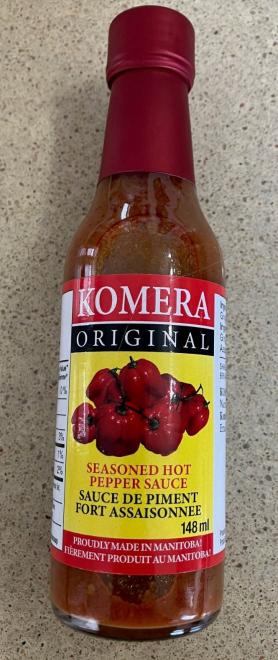
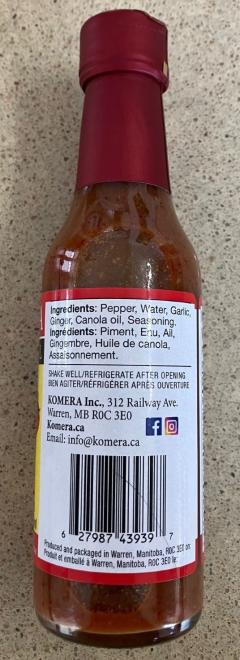
Canada – Komera Original brand Seasoned Hot Pepper Sauce recalled due to potential presence of dangerous bacteria – Clostridium botulinum

CFIA

Summary

Product
Seasoned Hot Pepper Sauce
Issue
Food – Microbial Contamination – Clostridium botulinum
What to do

Do not consume, use, sell, serve, or distribute recalled products

Affected products

Issue

The affected product is being recalled from the marketplace because it may permit the growth of Clostridium botulinum.

The recalled product has been sold in Alberta, Manitoba, Quebec and online and may have been distributed in other provinces and territories.

What you should do

  • If you think you became sick from consuming a recalled product, contact your healthcare provider
  • Check to see if you have recalled products
  • Do not consume, serve, use, sell, or distribute recalled products
  • Recalled products should be thrown out or returned to the location where they were purchased

Food contaminated with Clostridium botulinum toxin may not look or smell spoiled but can still make you sick. Symptoms in adults can include facial paralysis or loss of facial expression, unreactive or fixed pupils, difficulty swallowing, drooping eyelids, blurred or double vision, difficulty speaking, including slurred speech, and a change in sound of voice, including hoarseness. Symptoms of foodborne botulism in children can include difficulty swallowing, slurred speech, generalized weakness and paralysis. In all cases, botulism does not cause a fever. In severe cases of illness, people may die.

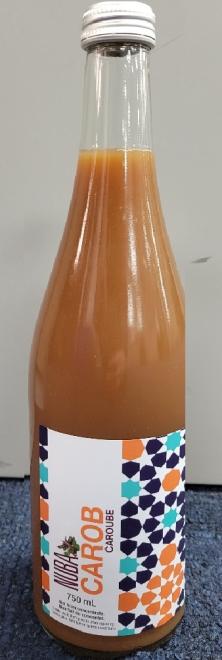
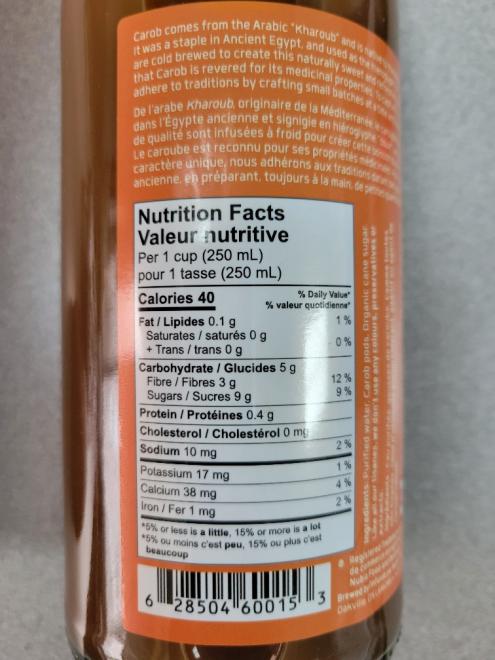
Canada- Nuba brand Carob (drink) recalled due to potential presence of dangerous bacteria – Clostridium botulinum

cf

Product
Carob (drink)
Issue
Food – Microbial Contamination – Clostridium botulinum
What to do

Do not consume, use, sell, serve, or distribute recalled products

Affected products

Issue

The affected product is being recalled from the marketplace because it may permit the growth of Clostridium botulinum.

The recalled product has been sold in Ontario, Nova Scotia, Quebec and may have been distributed in other provinces or territories.

What you should do

  • If you think you became sick from consuming a recalled product, contact your healthcare provider
  • Check to see if you have recalled products
  • Do not consume, serve, use, sell, or distribute recalled products
  • Recalled products should be thrown out or returned to the location where they were purchased

Food contaminated with Clostridium botulinum toxin may not look or smell spoiled but can still make you sick. Symptoms in adults can include facial paralysis or loss of facial expression, unreactive or fixed pupils, difficulty swallowing, drooping eyelids, blurred or double vision, difficulty speaking, including slurred speech, and a change in sound of voice, including hoarseness. Symptoms of foodborne botulism in children can include difficulty swallowing, slurred speech, generalized weakness and paralysis. In all cases, botulism does not cause a fever. In severe cases of illness, people may die.

Viet Nam – One dead, one in critical condition, nine hospitalized after eating pickled carp – Clostridium botulinum

Vietnamnet

kswfoodworld

Ten people in a mountainous district of the Central Province of Quang Nam were hospitalized for Botulinum poisoning, with one of them dead after eating pickled carp on March 7.

Three seriously ill patients including one female and two male adults requiring mechanical ventilation were given Botulism Antitoxin Heptavalent (BAT) to treat Clostridium Botulinum poisoning. Up to now, 2/3 of patients have had good improvement after antidote infusion, a good prognosis; however, one patient is in critical condition.

Previously, the SGGP Newspaper released that after eating pickled carp at a house of a local inhabitant, four people experienced poisonous symptoms. They were rushed to the local infirmary for treatment. On the morning of March 18, physicians of the General Hospital in Phuoc Duc Commune of Phuoc Son District connected with Cho Ray Hospital in Ho Chi Minh City for consultation. Soon, doctors of Cho Ray Hospital flew to Quang Nam Province with five antidotes vitals to the General Hospital of the Northern mountainous region of Quang Nam for the treatment of the patients with botulinum poisoning.

Yesterday, Director of the Quang Nam Department of Health Mai Van Muoi said that the unit has just sent a dispatch on strengthening measures to prevent and control food poisoning when people like eating traditional foods such as fermented foods.

Thereby, the Department of Health of Quang Nam province suggested localities, especially highland areas, strengthen communication about food safety to local inhabitants to raise their awareness.