Detection of Listeria monocytogenes and elevated levels of Bacillus cereus in ready-to-eat salad from the Netherlands from the Netherlands in Germany
KSWFoodWorld

Detection of Listeria monocytogenes and elevated levels of Bacillus cereus in ready-to-eat salad from the Netherlands from the Netherlands in Germany
Posted in Bacillus, Bacillus cereus, Bacteria, bacterial contamination, food contamination, food handler, Food Hazard, Food Hygiene, Food Inspections, Food Micro Blog, Food Microbiology, Food Microbiology Blog, Food Microbiology Testing, Food Pathogen, Food Poisoning, food recall, Food Safety, Food Safety Alert, Food Safety Management, Food Testing, Food Toxin, RASFF
WASHINGTON, Dec. 5, 2022 – Kraft Heinz Foods Company, a Kirksville, Mo. establishment, is recalling approximately 2,400 pounds of ready-to-eat ham and cheese loaf products due to possible cross-contamination with under-processed products, the U.S. Department of Agriculture’s Food Safety and Inspection Service (FSIS) announced today.
The ready-to-eat ham and cheese loaf products were produced on Oct. 10, 2022. The following products are subject to recall [view labels]:
The products subject to recall bear establishment number “Est. 537V” inside the USDA mark of inspection. These items were shipped to distribution centers in Ohio and Virginia, and further distributed for retail sales.
The problem was discovered when the establishment notified FSIS that the product was sliced on the same equipment as product that had been under processed, and the equipment was not cleaned between runs of the under-processed and fully cooked product. This has led to concerns of possible cross-contamination of the fully cooked ham and cheese loaf product.
There have been no confirmed reports of adverse reactions due to consumption of these products. Anyone concerned about an injury or illness should contact a healthcare provider.
FSIS is concerned that some product may be in consumers’ refrigerators or freezers. Consumers who have purchased these products are urged not to consume them. These products should be thrown away or returned to the place of purchase.
Posted in bacterial contamination, cross contamination, food contamination, food handler, Food Hazard, Food Hygiene, Food Inspections, Food Micro Blog, Food Microbiology, Food Microbiology Blog, Food Microbiology Testing, food recall, Food Safety, Food Safety Management, Food Testing, FSIS, microbial contamination, USDA
Posted in bacterial contamination, cross contamination, Decontamination Microbial, food contamination, Food Micro Blog, Food Microbiology, Food Microbiology Blog, Food Microbiology Research, Food Microbiology Testing, microbial contamination, Microbial growth, Microbiological Risk Assessment, Microbiology, Microbiology Investigations, Microbiology Risk, Proteus, Pseudomonas, Research
Posted in Bacteria, bacterial contamination, Decontamination Microbial, Food Micro Blog, Food Microbiology, Food Microbiology Blog, Food Microbiology Research, Food Microbiology Testing, Food Pathogen, Food Technology, Listeria, Listeria monocytogenes, microbial contamination, Microbial growth, Microbiological Risk Assessment, Microbiology, Microbiology Risk, Microwave Plasma Treatment, Pathogen, pathogenic, Research, Salmonella, Technology
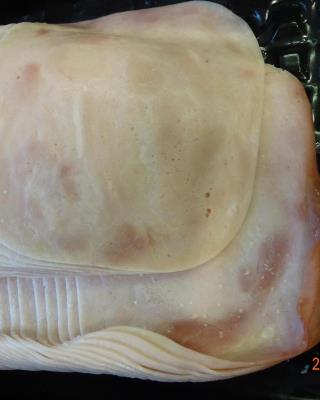
The product had a sticky surface, rough edges and smelled of spoilage. Food is not considered safe if it shows signs of spoilage.
The food was more than a month past its use-by date.
| Batch: | 940030 |
| Expiration date: | 16/06/2022 |
| Date of sample collection: | 21/07/2022 |
| Reference number: | 22-000499-SZPI-CZ |
Posted in bacterial contamination, cross contamination, food contamination, Food Micro Blog, Food Microbiology, Food Microbiology Blog, Food Microbiology Research, Food Microbiology Testing, microbial contamination, Microbial growth, Microbiological Risk Assessment, Microbiology, Microbiology Investigations, Microbiology Risk
Small perforations in the cans means that there is a risk of microbiological contamination of the contents and fermentation in the cans.
Recalled Foods , Published: October 14, 2022
Which food:
REMA1000 Kidney Beans in brine, 420g
Lot no: LU052../ LU053../ LU054../ LU055..
Best-before date: 30.11.2025
EAN barcode: 5705830004307
REMA1000 Kidney Beans in Chilli Sauce, 420g
Lot no: LU080../ LU081..
Best-before date: 30.11.2025
EAN barcode: 5705830004321
REMA1000 White Beans in Tomato Sauce, 420g
Lot no: LU089…/ LU090…/ LU091…/ LU159….
Best-before date: 30.11.2025
EAN barcode: 5705830004314
Sold in:
REMA1000 stores throughout the country
Company that is recalling:
REMA Distribution A/S
Reason:
An error occurred during the packaging of the products, which means that the cans may be perforated and thus contaminated. The products are therefore unsuitable as food.
Risk:
The small perforations in the cans create a risk that fermentation may occur in the products and that the contents of the cans may be exposed to microbiological contamination with e.g. bacteria. The perforation can also mean that the products can develop a different smell.
Advice to consumers:
The Danish Food and Food Administration advises consumers to return the products to the store where they were bought, or to discard them.
Posted in bacterial contamination, cross contamination, Decontamination Microbial, food contamination, food handler, Food Hazard, Food Hygiene, Food Inspections, Food Micro Blog, Food Microbiology, Food Microbiology Blog, Food Microbiology Research, Food Microbiology Testing, food recall, Food Safety, Food Safety Alert, Food Safety Management, Food Spoilage, Food Testing, microbial contamination, Microbial growth, Microbiological Risk Assessment, Microbiology, Microbiology Investigations, Microbiology Risk
Qatar’s Ministry of Public Health has issued a warning against a certain volume of fresh and frozen shrimp imported from India and has decided to recall the affected quantity from the market, Gulf Times reported on 8 October.
Analyses at Qatar’s food laboratories have reportedly found that some volumes of Indian imported shrimp are microbially contaminated, according to a statement from the ministry.
The public health ministry is working with the Ministry of Municipal Affairs to recall all the …
Posted in bacterial contamination, cross contamination, Decontamination Microbial, food contamination, food handler, Food Hazard, Food Hygiene, Food Illness, Food Inspections, Food Micro Blog, Food Microbiology, Food Microbiology Blog, Food Microbiology Testing, food recall, Food Safety, Food Safety Alert, Food Safety Management, Food Testing, microbial contamination
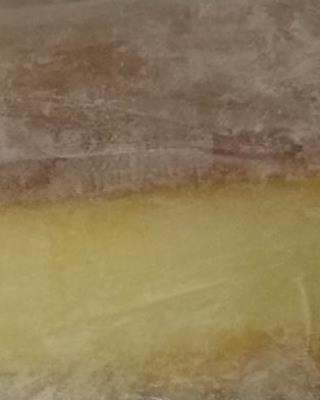
The food smelled of spoilage and had a slimy surface. Food is not considered safe if it shows signs of spoilage.
The sample was taken from the loaded package. It was not possible to determine when the package was opened.
| Best before date: | 29/09/2022 |
| Quantity of the product in the package: | 0.23 kg |
| Date of sample collection: | 5/9/2022 |
| Reference number: | 22-000452-SZPI-CZ |
Posted in bacterial contamination, cross contamination, food contamination, food handler, Food Hazard, Food Hygiene, Food Inspections, Food Micro Blog, Food Microbiology, Food Microbiology Blog, Food Microbiology Testing, food recall, Food Spoilage, Food Testing, microbial contamination, Potravinynapranyri
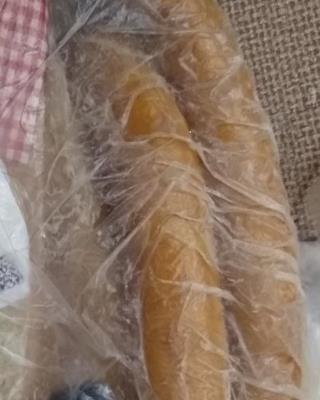
The food smelled of spoilage and had a slimy surface. Food is not considered safe if it shows signs of spoilage.
The sample was taken from the loaded package. It was not possible to determine when the package was opened.
| Expiration date: | 09/09/2022 |
| Quantity of the product in the package: | 0.64 kg |
| Date of sample collection: | 5/9/2022 |
| Reference number: | 22-000453-SZPI-CZ |
Brand : SUPERMERCATI IPERAL SpA
Name : PORCHETTA DI ARICCIA
Reason for reporting : Recall due to microbiological risk
Publication date : 4 October 2022

Posted in bacterial contamination, food contamination, food handler, Food Hazard, Food Hygiene, Food Inspections, Food Micro Blog, Food Microbiology, Food Microbiology Blog, Food Microbiology Testing, Food Pathogen, Food Poisoning, food recall, Food Safety, Food Safety Alert, Food Safety Management, Food Testing, microbial contamination, Microbiology Risk


