Category Archives: Antimicrobials

Research – Antimicrobial Susceptibility and Molecular Characterization of Escherichia coli Recovered from Milk and Related Samples

MDPI

There is a rising concern about illnesses resulting from milk consumption due to contamination by pathogenic microorganisms including Escherichia coli. This study examined the occurrence and antimicrobial susceptibility of E. coli isolated from cow milk and related samples. Furthermore, partial sequencing was done to ascertain the genetic relatedness and possible cross contamination among the samples. In all, 250 samples, that is, 50 each of raw milk, cow teat, milkers’ hands, milking utensils, and fecal matter of cows, were cultured for the identification of E. coli. E. coli was detected in 101/250 samples (40.4%). Milk and fecal samples recorded the highest percentages of 68.0% and 66.0%, respectively. Forty-two (42) E. coli strains examined for antimicrobial resistance showed an overall 25.5% resistance, 15.0% intermediate resistance, and 59.5% susceptibility. The isolates had a high level of resistance to teicoplanin (100.0%), but were susceptible to chloramphenicol (95.2%) and azithromycin (92.9%). The Multiple Antibiotic Resistance (MAR) index pattern ranged from 0.1 to 0.5, and 40.5% exhibited multiple drug resistance. The E. coli strains formed 11 haplotypes, and a phylogenic tree analysis showed relatedness among the isolates in other African countries. This observation is an indication of cross contamination among the milk and its related samples. View Full-Text
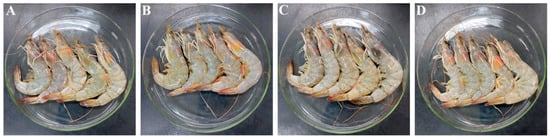
Research – Efficacy of 405 nm Light-Emitting Diode Illumination and Citral Used Alone and in Combination for Inactivation of Vibrio parahaemolyticus on Shrimp

MDPI

Vibrio parahaemolyticus is a widely distributed pathogen, which is frequently the lead cause of infections related to seafood consumption. The objective of the present study was to investigate the antimicrobial effect of the combination of 405 nm light-emitting diode (LED) and citral on V. parahaemolyticus. The antimicrobial effect of LED illumination and citral was evaluated on V. parahaemolyticus not only in phosphate-buffered saline (PBS) but also on shrimp. Quality changes of shrimp were determined by sensory evaluation. Changes in bacteria cell membrane morphology, cell membrane permeability, cell lipid oxidation level, and DNA degradation were examined to provide insights into the antimicrobial mechanism. The combination of LED treatments and citral had better antimicrobial effects than either treatment alone. LED combined with 0.1 mg/mL of citral effectively reduced V. parahaemolyticus from 6.5 log CFU/mL to below the detection limit in PBS. Combined treatment caused a 3.5 log reduction of the pathogen on shrimp within 20 min and a 6 log reduction within 2 h without significant changes in the sensory score. Furthermore, combined LED and citral treatment affected V. parahaemolyticus cellular morphology and outer membrane integrity. The profile of the comet assay and DNA fragmentation analysis revealed that combination treatment did not cause a breakdown of bacterial genomic DNA. In conclusion, LED may act synergistically with citral. They have the potential to be developed as novel microbial intervention strategies. View Full-Text

Research – Growth inhibition of Listeria monocytogenes in fresh white cheese by mustard oil microemulsion

Journal of Food Protection

Although essential oils (EOs) exhibit antimicrobial properties, its application is limited owing to their strong volatility and poor water solubility. Emulsification is a valid strategy for improving chemical stability. In this study, we prepared a mustard essential oil (MO) emulsion with egg yolk lecithin and evaluated its antimicrobial activity against Listeria monocytogenes in vitro and in cheese curd. The particle size of the MO emulsion was approximately 0.19 µmand remained stable for 30 days of storage. The MO emulsion showed strong antimicrobial activity against L. monocytogenes in vitro. Moreover, 40 ppm of MO was sufficient to inhibit the growth of L. monocytogenes in culture, and the addition of 160 ppm MO decreased the population of L. monocytogenes. Meanwhile, when 50 ppm of emulsified MO was added to milk during cheese curd production and it was stored at 10°C for 10 days, the growth of L. monocytogenes was suppressed. When the cheese curd with MO emulsion was stored at 4 °C, the bacterial count was significantly decreased (p<0.05), and no bacterial growth was observed after 14 days of storage. Furthermore, the sensory characteristics of cheese curd with the MO emulsion were acceptable. These results indicate that MO emulsions may be a possible way of controlling the growth of L. monocytogenes in fresh cheese.

Research – Sink survey to investigate multidrug resistance pattern of common foodborne bacteria from wholesale chicken markets in Dhaka city of Bangladesh

Nature.com

Antimicrobial resistance (AMR) among foodborne bacteria is a well-known public health problem. A sink survey was conducted to determine the AMR pattern of common foodborne bacteria in cloacal swab of broiler chickens and sewage samples from five wholesale chicken markets of Dhaka city in Bangladesh. Bacteria were identified by culture-based and molecular methods, and subjected to antimicrobial susceptibility testing. Resistance genes were identified by multiplex PCR and sequencing. Multidrug resistance (MDR) was observed in 93.2% of E. coli, 100% of Salmonella spp., and 97.2% of S. aureus from cloacal swab samples. For sewage samples, 80% of E. coli, and 100% of Salmonella and S. aureus showed MDR. Noteworthy, 8.3% of S. aureus from cloacal swab samples showed possible extensively drug resistance. Antimicrobial resistance genes (beta-lactamase—blaTEM, blaSHV; quinolone resistance gene—qnrS) were detected in a number of E. coli and Salmonella isolates from cloacal swab and sewage samples. The methicillin resistance gene (mecA) was detected in 47.2% and 25% S. aureus from cloacal swab and sewage samples, respectively. The findings envisage the potential public health risk and environmental health hazard through spillover of common foodborne MDR bacteria.

Research – New NARMS report shows rising resistance in Salmonella, Campylobacter

CIDRAP

The findings come from the National Antimicrobial Resistance Monitoring Systems (NARMS) 2019 Integrated Summary, which combines data from the Centers for Disease Control and Prevention (CDC), the Food and Drug Administration (FDA), and the US Department of Agriculture (USDA). The report provides a snapshot of resistance patterns found in bacteria isolated from humans, animals, raw meats from retail outlets (chicken, ground turkey, ground beef, and pork chops), and meat and poultry product samples collected at slaughtering facilities.

In addition to Salmonella, which causes an estimated 1.35 million illnesses and 26,500 hospitalizations each year, the NARMS report also includes resistance data on Campylobacter (1.5 million illnesses and 19,500 hospitalizations), Escherichia coli, and Enterococcus. NARMS monitors these bacteria to detect emerging resistance patterns to the antibiotics that are most important to human medicine, multidrug resistance, and specific resistance genes.

Research – Occurrence and Multidrug Resistance of Campylobacter in Chicken Meat from Different Production Systems

MDPI

Campylobacter kswfoodworld

Campylobacter is the leading bacterial cause of diarrheal disease worldwide and poultry remains the primary vehicle of its transmission to humans. Due to the rapid increase in antibiotic resistance among Campylobacter strains, the World Health Organization (WHO) added Campylobacter fluoroquinolone resistance to the WHO list of antibiotic-resistant “priority pathogens”. This study aimed to investigate the occurrence and antibiotic resistance of Campylobacter spp. in meat samples from chickens reared in different production systems: (a) conventional, (b) free-range and (c) backyard farming. Campylobacter spp. was detected in all samples from conventionally reared and free-range broilers and in 72.7% of backyard chicken samples. Levels of contamination were on average 2.7 × 10³ colony forming units (CFU)/g, 4.4 × 10² CFU/g and 4.2 × 10⁴ CFU/g in conventionally reared, free-range and backyard chickens, respectively. Campylobacter jejuni and Campylobacter coli were the only species isolated. Distribution of these species does not seem to be affected by the production system. The overall prevalence of Campylobacter isolates exhibiting resistance to at least one antimicrobial was 98.4%. All the C. coli isolates showed resistance to ciprofloxacin and to nalidixic acid, and 79.5 and 97.4% to ampicillin and tetracycline, respectively. In total, 96.2% of C. jejuni isolates displayed a resistant phenotype to ciprofloxacin and to nalidixic acid, and 92.3% to ampicillin and tetracycline. Of the 130 Campylobacter isolates tested, 97.7% were classified as multidrug resistant (MDR).

Research – Monitoring AMR in Campylobacter jejuni from Italy in the last 10 years (2011–2021): Microbiological and WGS data risk assessment

EFSA

Campylobacter jejuni is considered as the main pathogen in human food‐borne outbreaks worldwide. Over the past years, several studies have reported antimicrobial resistance (AMR) in C. jejuni strains. In Europe, the official monitoring of AMR comprises the testing of Campylobacter spp. from food‐producing animals because this microorganism is responsible for human infections and usually predominant in poultry. Food‐producing animals are considered to be a major source of campylobacteriosis through contamination of food products. Concerns are growing due to the current classification of C. jejuni by the WHO as a ‘high priority pathogen’ due to the emergence of resistance to multiple drugs such as those belonging to the fluoroquinolones, macrolides and other classes, which limits the treatment alternatives. Knowledge about the contributions of different food sources to gastrointestinal disease is fundamental to prioritise food safety interventions and to establish proper control strategies. Assessing the genetic diversity among Campylobacter species is essential to the understanding of their epidemiology and population structure. Using a population genetic approach and grouping the isolates into sequence types within different clonal complexes, it is possible to investigate the source of the human cases. The work programme was aimed for the fellow to assess the AMR of C. jejuni isolated from humans, poultry and birds from wild and urban Italian habitats. Given the public health concern represented by resistant pathogens in food‐producing animals and the paucity of data about this topic in Italy, the aim was to identify correlations between phenotypic and genotypic AMR and comparing the origin of the isolates. The work programme allowed the fellow to acquire knowledge, skills and competencies on the web‐based tools used by IZSAM to process the NGS data and perform bioinformatics analyses for the identification of epidemiological clusters, the study of AMR patterns in C. jejuni isolates, and the assessment of the human exposure to such AMR pathogens. Furthermore, the fellow became able to transfer the acquired knowledge through innovative web‐based didactical tools applied to WGS and clustering of specific food‐borne pathogens, with particular reference to C. jejuni. To achieve this objective, 2,734 C. jejuni strains isolated from domestic and wild animals and humans, during the period 2011–2021 were analysed. The resistance phenotypes of the isolates were determined using the microdilution method with EUCAST breakpoints, for the following antibiotics: nalidixic acid, ciprofloxacin, chloramphenicol, erythromycin, gentamicin, streptomycin, tetracycline. The data were complemented by WGS data for each strain, uploaded in the Italian information system for the collection and analysis of complete genome sequence of pathogens isolated from animal, food and environment (GENPAT) developed and maintained at IZSAM; information like clonal complex and sequence type to understand the phylogenetical distance between strains according to their origins were also considered. This work underlines that a better knowledge of the resistance levels of C. jejuni is necessary, and mandatory monitoring of Campylobacter species in the different animal productions is strongly suggested.

Research – A Review of Essential Oils as Antimicrobials in Foods with Special Emphasis on Fresh Produce

Journal of Food Protection

Consumer safety concerns over established fresh produce washing methods, combined with demand for organic and clean label food, has led to the exploration of novel methods of produce sanitization. Essential oils (EOs), extracted from commonly found plants have potential as clean label sanitizers, as they are naturally derived and act as antimicrobials as well as antioxidants. In this review, the antimicrobial abilities of EOs are explored in the following categories: individually and in-combination, as emulsions, combined with existing chemical and physical preservation methods, incorporated into films and coatings, and in vapor phase. We examine combining EOs with one another, with EO components, with surfactants, or with other preservatives or preservation methods to increase sanitizing efficacy.  Components of major EOs are also identified, chemical mechanisms are discussed, and potential for antibacterial resistance and effect on organoleptic properties is examined. Studies reveal that EOs can serve as equivalent or better sanitizing agents than chlorine; nevertheless, concentrations must be kept low to avoid adverse sensory effects. For this reason, it is crucial that future studies address the maximum permissible EO concentrations, which do not negatively affect sensory properties.  This review should be beneficial to food scientists or industry personnel interested in sanitization and preservation of foods, including fresh produce with EOs.

EU – Multi-country outbreak of monophasic Salmonella Typhimurium sequence type 34 linked to chocolate products – first update

EFSA

Abstract

On 17 February 2022, the United Kingdom (UK) reported a cluster of cases with monophasic Salmonella Typhimurium sequence type 34 infection. As of 18 May 2022, 324 cases had been reported in 12 EU/EEA countries and the UK, including two distinct strains. Most cases are below ten years of age and 41% of all cases have been hospitalised. The two strains are multidrug-resistant and some tested isolates also carry resistance to disinfectants that are based on quaternary ammonium compounds and hydrogen peroxide, but remain susceptible to azithromycin, ciprofloxacin, meropenem, and third generation cephalosporins. Epidemiological investigations suggested specific chocolate products of Brand A, produced by Company A in Processing Plant B in Belgium, as likely vehicles of infection.

Two strains of monophasic Salmonella Typhimurium matching the outbreak strains were identified in the buttermilk line at Plant B between December 2021 and January 2022. The buttermilk was provided by an Italian supplier where Salmonella was not detected. The Italian supplier delivered the buttermilk to other plants of Company A where, based on the available evidence, Salmonella was not detected.

On 8 April 2022, based on official controls, the food safety authority in Belgium decided to withdraw the authorisation for production of the Plant B due to lack of transparency and insufficient guarantees for safe production. Company A globally recalled all products of Brand A produced at Plant B. Public warnings were issued by the competent national authorities in different countries.

This outbreak has evolved rapidly, with children most at risk for severe infection. The closure of Plant B and the global recall of all their products have reduced the risk of exposure. However, eight cases cannot be explained by consumption of chocolate products such as those manufactured at Plant B, suggesting that there may also be other sources of infection.

Research – Preservation of cut fruit and use of a technological adjuvant for washing certain vegetables

ACSA

The Spanish Agency for Food Safety and Nutrition has published two new reports from its Scientific Committee:

  • Report on the storage conditions of fruit cut in half in retail establishments.
  • Report on the safety of the use of an aqueous solution of sodium lauryl ether sulfate as a processing aid for washing apples, peaches, bananas, tomatoes, peppers and citrus in processing plants .      

Report on the storage conditions of fruit cut in half in retail establishments

The AESAN Scientific Committee has assessed whether it is possible to keep melon, watermelon, pineapple and papaya cut in half at room temperature in retail establishments for a limited time, ensuring consumer safety.

The Scientific Committee has concluded that, on the basis of the information

  • Storage at room temperature of melon, watermelon, papaya and pineapple cut in half can pose a health risk as the physicochemical conditions (pH, water activity, total soluble solids, nutrient availability, etc.) are compatible with growth. of foodborne pathogens, such as Salmonella , E. coli verotoxigenic or L. monocytogenes .
  • In order to make the storage conditions of melon, watermelon, papaya and pineapple cut in half more flexible, temperatures below 25 ºC for a time of less than 3 may be allowed, as they do not pose a significant microbiological risk. hours in a place sufficiently ventilated and preserved from sunlight, followed by continuous refrigerated storage at temperatures below 5 ºC.
  • To minimize the health risk that these practices may pose, it is recommended to discard for cutting fruits with an excessive degree of ripeness, or that have wounds or cracks on their surface, as they can be a source of contamination.

Report on the safety of the use of an aqueous solution of sodium lauryl ether sulfate as a processing aid for washing apples, peaches, bananas, tomatoes, peppers and citrus in processing plants

The AESAN Scientific Committee has evaluated the safety of using an aqueous solution of sodium lauryl ether sulfate (27%) as a technological aid for washing apples, peaches, bananas, tomatoes, peppers and citrus in processing plants. request of a company request.

Sodium lauryl ether sulfate (LESS) is not authorized for human consumption.

As the presence of residues in the final products (fruits and vegetables) after the use of this aqueous solution cannot be ruled out, the technology adjuvant is classified as an unauthorized substance in human food whose Admissible Daily Intake (ADI) is not established and whose use may lead to the presence of technically unavoidable waste.

The Scientific Committee concludes that, based on the information provided by the applicant and taking into account the proposed composition and conditions of use, the use of the technology adjuvant does not imply a risk to the health of the consumer.

The conclusions of this report refer exclusively to the solution under evaluation as a technological aid in the proposed conditions of use and its composition, and may not be extended to formulations or conditions other than those evaluated, including joint use with other substances.

This evaluation does not imply an authorization for use or affect uses other than use as a technological aid in the process of washing apples, peaches, bananas, tomatoes, peppers and citrus in the processing plants. This use involves a final rinsing with drinking water, following the application of the washing water with the technological adjuvant, so that the possible residues in the fruits and vegetables are eliminated.

Click to access FRUTAS_CORTADAS.pdf

Click to access COADYUVANTE_LAURIL_ETER.PDF