Category Archives: Aflatoxin

RASFF Alerts – Aflatoxin – Hazlenuts – Peanut Butter – Pistachios

RASFF

aflatoxin B1 (8,75 ± 2,19 µg/kg and sum of aflatoxins (47,75 ± 11,94 µg/kg) in hazelnuts from Georgia in Germany and Poland

RASFF

Aflatoxin i jordnötssmör /// Aflatoxin in peanut butter from the Netherlands in Bulgaria, Czech Republic, Iceland, Latvia, Lithuania, Netherlands, Poland, Slovenia and Sweden

RASFF

Aflatoxines in pistachios from Iran in Belgium

RASFF

Aflatoxins in pistachio kernels from Turkey in Italy

RASFF

Aflatoxines in pistachios from Turkey in Belgium

RASFF

Aflatoxins in powdered peanut butter from the USA in Belgium

RASFF

Aflatoxins in hazelnuts in shell from Georgia in Italy

RASFF

Livello di aflatossine superiore ai limiti di legge in NOCCIOLE CON GUSCIO DALLA GEORGIA/level of aflatoxins above legal limits in hazel-nuts in shell from Georgia in Italy

RASFF

Aflatoxin B1 (29,1 ± 7,3 µg/kg) and sum of aflatoxins (52,8 ± 13,2 µg/kg) in hazelnuts from Georgia in Poland

Sweden – First Class Brands of Sweden recalls Healthyco’s peanut butter – Aflatoxin

Livsmedelsverket

First Class Brands of Sweden is recalling six batches of Healthyco’s peanut butter on suspicion of aflatoxin. 

RASFF Alerts – Aflatoxin – Broken Rice – Pistachios – Nutmeg – Peanuts – Groundnuts – Dried Figs

RASFF

Aflatoxins in pistachios from the United States in Germany

RASFF

Aflatoxin B1 in Indian groundnuts in the Netherlands

RASFF

Aflatoxins in nutmeg from Indonesia in the Netherlands

RASFF

Aflatoxin B1 in U.S.A. peanuts in the Netherlands

RASFF

Aflatoxins in Organic Nicaraguan Peanuts in Netherlands and Ireland

RASFF

Aflatoxins in dried figs from Turkey in Austria, Germany, Belgium, France, Netherlands, Switzerland

RASFF

Aflatoxin in broken rice from Pakistan in Italy and Belgium

RASFF

Aflatoxins in shelled pistachios from USA in Italy

Belgium – Ciloglu brand dried figs – Aflatoxin

AFSCA

AFSCA recall
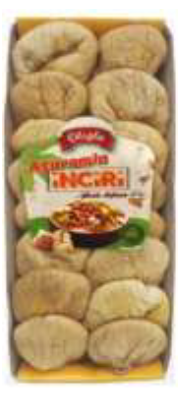
Product: Ciloglu brand dried figs.
Problem: too high aflatoxin content.


Following a notification via the RASFF system (European Food and Feed rapid alert system), the AFSCA withdraws from sale the dried fig product of the Ciloglu brand and recalls it to consumers because of an excessive aflatoxin content. high.

The AFSCA asks not to consume this product and to bring it back to the point of sale where it was purchased.


Product description

• Product name: Asurelik Incir
• Brand: Ciloglu
• Lot: L 0900 22475 / 1-11-52
• Expiration date (DDM): 07.31.2022
• Weight: 250g

This product was sold in Belgium via different general food stores.

For further information, you can contact the AFSCA contact point for consumers: 0800 / 13.550 or pointdecontact@afsca.be .

Germany – CILOGLU ASURELIK INCIR 20 X 250 GR (Dried Figs) – Aflatoxins

LMW

Warning type: Food
Date of first publication: 08/30/2021
Product name:

CILOGLU ASURELIK INCIR 20 X 250 GR (Dried Figs)

Product pictures:

Image 1.PNG

Branch notice

Manufacturer (distributor):

Ciloglu Handels GmbH, Gärtringen

Reason for warning:

An increased content of aflatoxins (B1, B2, G1 and G2) was found in the present product.

Packaging Unit:250 g
Durability:

Best before 07.2022

Lot identification: LOT NUMBER (P. NO) L 0900 22475 / 1-11-52
Additional Information:

Reference is made to the company’s customer information.

Contact to the responsible authorities:

Baden-Württemberg:poststelle@mlr.bwl.de

Bavaria:poststelle@lgl.bayern.de
Berlin:poststelle@senjustva.berlin.de
Bremen:Schnellwarnung@gesundheit.bremen.de
Hamburg:poststelle@justiz.hamburg.de
Hesse:Schnellwarnung@rpda.hessen.de
Lower Saxony:poststelle@ml.niedersachsen.de
North Rhine-Westphalia:poststelle@mulnv.nrw.de
Rhineland-Palatinate:Poststelle.Referat22@lua.rlp.de
Saarland:poststelle-luv@lav.saarland.de
Saxony:poststelle@sms.sachsen.de
Saxony-Anhalt:poststelle@ms.sachsen-anhalt.de
Schleswig-Holstein:poststelle@jumi.landsh.de
Thuringia:LM-Ueberendung@tlv.thueringen.de
Press releases and information
title Attachment or web link
Recall – notification – end consumers

RASFF Alerts – Aflatoxin – Groundnut Kernels

RASFF

Aflatoxin B1 in organic Bolivian Groundnut Kernels in the Netherlands

RASFF

Aflatoxins in Indian Groundnut Kernels in the Netherlands

RASFF Alerts – Aflatoxin – Groundnuts – Pistachios – Nutmeg – Peanut Butter – Brazil Nuts – Peanuts

RASFF

Aflatoxins in Indian Groundnut Kernels in the Netherlands

RASFF

Aflatoxins in shelled pistachios from the USA in Italy

RASFF

Aflatoxins in nutmeg from Indonesia in the Netherlands

RASFF

Aflatoxins in groundnuts from Argentina in the Netherlands

RASFF

Too much Aflatoxin B1 in peanut butter from United States in Finland

RASFF

Aflatoxins in Brazil nuts from Peru in the Netherlands

RASFF

Aflatoxins in Organic Nicaraguan Peanuts in the Netherlands

RASFF

Aflatoxins in peanuts from USA in Bulgaria

RASFF

Aflatoxins in organic Paraguay peanuts in the Netherlands

RASFF Alerts – Animal Feed – Aflatoxin – Peanut Kernels

RASFF

Aflatoxin B1 in peanut kernels from Argentina in Germany

USA – FDA warns firm after hundreds of dog deaths and illnesses; other firms warned about import violations

FDA

As part of its enforcement activities, the Food and Drug Administration sends warning letters to entities under its jurisdiction. Some letters are not posted for public view until weeks or months after they are sent. Business owners have 15 days to respond to FDA warning letters. Warning letters often are not issued until a company has been given months to years to correct problems. The FDA frequently redacts parts of warning letters posted for public view.

Midwestern Pet Food
Evansville, IN

  • due to the presence of the potentially deadly hazard of aflatoxin

FDA

Transu Investment Group, LLC
Richardson, TX

  • An import company in Texas is on notice from the FDA for not having FSVPs for a number of imported food products.

FDA

Productos Bredy USA LLC
Houston

  • An import company in Texas is on notice from the FDA for not having FSVPs for a number of imported food products.

FDA

YemenUSA Inc.
Detroit, MI

  • An import company in Texas is on notice from the FDA for not having FSVPs for a number of imported food products.

FDA

Research – Mycotoxins in aquaculture: A mitigation approach in turbot

All About Feed

Aquaculture is the fastest-growing food production industry in the world. Due to concerns about sustainability, the need to replace fish meal with plant-based protein alternatives becomes more urgent. However, plant-based ingredients are often contaminated with mycotoxins, increasing the health risks to fish.

Plant-based ingredients in commercial fish diets include maize, soybean meal and various cereal grains, each representing a potential source of mycotoxins.

Mycotoxins in fish feed a widespread problem

Mycotoxin-contaminated fish feed is a widespread problem, especially in tropical regions and developing countries where the farmers themselves often make fish feeds under inappropriate conditions with improper milling and/or storage. In addition to their impact on fish health, some mycotoxins can also accumulate in fish tissue, thereby posing a possible food safety risk.

About mycotoxins in aquaculture

According to a recent risk assessment study on mycotoxin contamination in fish feeds in Europe, deoxynivalenol (DON) is one of the primary mycotoxins present. DON is produced by over 50 species of Fusarium fungi, which mainly infect crops such as wheat and maize before harvest. Fusarium fungi produce a range of mycotoxins, such as fumonisins, the trichothecenes — most strongly associated with chronic and fatal toxic effects in animals and humans — and zearalenone, which is known to affect the fertility of many animal species, including aquatic species such as fish and shrimp.

The impact of mycotoxins depends on several factors including:

  • The type and quantity of mycotoxins in the feed,
  • Feeding level,
  • Duration of exposure
  • The species of fish

Most common issues include:

  • Reduced growth performance,
  • Immune suppression
  • Increased mortality

These are often associated with other on-farm concerns, so the mycotoxin risk is currently underestimated.