Brand : AMADORI
Name : FRESH EGGS CAT. ADA FARMING, FRIDGE, VARIOUS SIZE, AMADORI
Reason for reporting : Recall due to microbiological risk
Publication date : 2 September 2024


Brand : AMADORI
Name : FRESH EGGS CAT. ADA FARMING, FRIDGE, VARIOUS SIZE, AMADORI
Reason for reporting : Recall due to microbiological risk
Publication date : 2 September 2024
Posted in bacterial contamination, food contamination, food handler, Food Hazard, Food Hygiene, Food Inspections, Food Micro Blog, Food Microbiology, Food Microbiology Blog, Food Microbiology Testing, Food Pathogen, Food Quality, food recall, Food Safety, Food Safety Alert, Food Safety Management, Food Safety Regulations, Food Testing, microbial contamination, Salmonella, Salmonella in Eggs
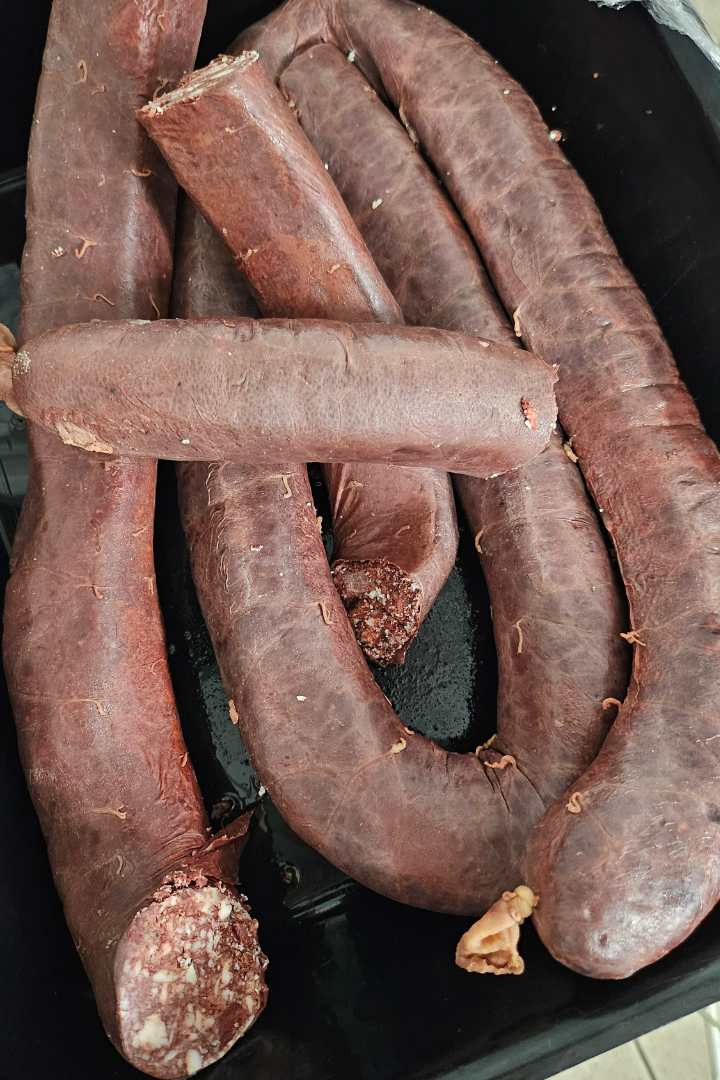
Product Category
Food
Product subcategory
Meats
Product brand name
Cambes Farm
Model names or references
Meat pudding
Product identification
Batch Date
310824 Expiry date 08/15/2024
320824 Expiry date 08/22/2024
Packaging
Sold by the slice in the traditional delicatessen section
Start/End of marketing date
From 08/06/2024 to 08/14/2024
Storage temperature
Product to be kept in the refrigerator
Geographic area of sale
Casteljaloux
Distributors
E.Leclerc Casteljaloux Center
Posted in food contamination, food handler, Food Hazard, Food Hygiene, Food Inspections, Food Micro Blog, Food Microbiology, Food Microbiology Blog, Food Microbiology Testing, Food Pathogen, Food Quality, food recall, Food Safety, Food Safety Alert, Food Safety Management, Food Safety Regulations, Food Testing, Listeria, Listeria France, Listeria monocytogenes
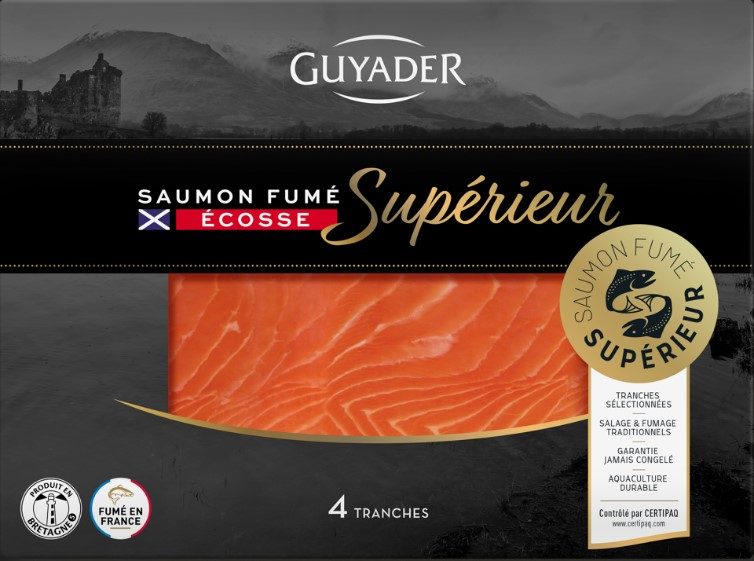
Product Category
Food
Product subcategory
Fishery and aquaculture products
Product brand name
GUYADER
Model names or references
SUPERIOR SCOTLAND SMOKED SALMON 140G 4 SLICES GUYADER
Product identification
GTIN Batch Date
3355200090144 38768X221 Expiry date 03/09/2024
Packaging
140g cardboard pouch
Start/End of marketing date
From 08/08/2024 to 20/08/2024
Storage temperature
Product to be kept in the refrigerator
Health mark
FR29027500CE
Geographic area of sale
Whole France
Distributors
LELERC, INTERMARCHE, COOPERATIVE U, WE ANTI-WASTE GROCERY STORES, COST 2 FEES
Posted in food contamination, food handler, Food Hazard, Food Hygiene, Food Inspections, Food Micro Blog, Food Microbiology, Food Microbiology Blog, Food Microbiology Testing, Food Pathogen, Food Quality, food recall, Food Safety, Food Safety Alert, Food Safety Management, Food Safety Regulations, Food Testing, Listeria, Listeria France, Listeria monocytogenes, Listeria Smoked Fish
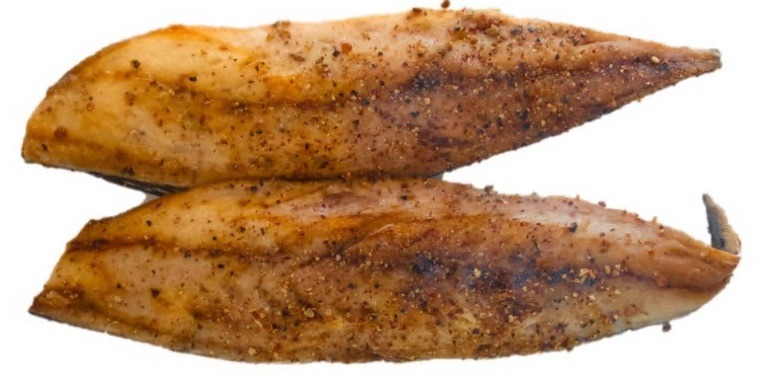
Product Category
Food
Product subcategory
Fishery and aquaculture products
Product brand name
Leclerc
Model names or references
Mackerel with onions ready to smoke
Product identification
GTIN Batch Date
0299923000000 19082024 Expiry date 08/19/2024
List of products
Mackerel_with_onions_ready_to_smoke.pdfAttachment
Packaging
Tray under skin – variable weight
Start/End of marketing date
From 08/09/2024 to 08/19/2024
Storage temperature
Product to be kept in the refrigerator
Additional information
Product sold in self-service in the fishmonger’s section between 08/09/2024 and 08/19/2024
Geographic area of sale
In-store only
Distributors
E. Leclerc Ploërmel
Posted in food contamination, food handler, Food Hazard, Food Hygiene, Food Inspections, Food Micro Blog, Food Microbiology, Food Microbiology Blog, Food Microbiology Testing, Food Pathogen, Food Quality, food recall, Food Safety, Food Safety Alert, Food Safety Management, Food Safety Regulations, Food Testing, Listeria, Listeria France, Listeria monocytogenes, Listeria Smoked Fish
Fungi are prolific producers of secondary metabolites, which are diverse bioactive compounds essential for their environmental interactions. Mycotoxins, a notable group of these metabolites, have significant toxic effects on humans, animals, and crops, posing global health and economic challenges. Recent scientific advances have enhanced our understanding of fungal secondary metabolites, enabling the discovery of new compounds with potential applications in drug development, agriculture, and biotechnology. Additionally, there is increasing recognition of the ecological roles of these metabolites, driving research into their use for sustainable agriculture, biocontrol, and environmental management. Interdisciplinary studies in mycology, chemistry, ecology, and biotechnology are vital for addressing the complexities of fungal secondary metabolites and mycotoxins. Currently, the study of these compounds is at a dynamic and transformative stage. By following current trends and exploring future directions, researchers can unlock new applications of fungal metabolites and solutions benefiting society and the environment.
Posted in Food Microbiology Research, Mycotoxin, Research
Posted in Bio-Preservative, EHEC, Food Microbiology Research, Research, STEC, STEC E.coli
| Name | Herb tea ‘Aufatmen’ |
| Brand | My Herb Garden |
| Unit | 30 g |
| Minimum durability date (MDD) | 12/31/2027 |
| Batch | A-10941-wu-1
A-10941-wu-2 A-10941-wu-3 A-10941-wu-4 A-10941-wu-5 |
Danger : Presence of Salmonella
Salmonella can cause symptoms such as nausea, vomiting, abdominal cramps, diarrhea, fever, and headache within 6 to 72 hours after consumption. These symptoms may be worse in young children, immunocompromised individuals, and the elderly. People who have consumed these products and are experiencing these symptoms are advised to consult a doctor and report their consumption.
The product can be distributed by different points of sale in Luxembourg.
Information source: RASFF (Rapid Alert System for Food and Feed)
Posted in food contamination, food handler, Food Hazard, Food Hygiene, Food Inspections, Food Micro Blog, Food Microbiology, Food Microbiology Blog, Food Microbiology Testing, Food Pathogen, Food Quality, food recall, Food Safety, Food Safety Alert, Food Safety Management, Food Safety Regulations, Food Testing, Salmonella
The Swedish Food Agency warns against the consumption of several batches of French macaron cakes with pistachio cream from Joie De Vivre imported by Costco Iceland, due to salmonella contamination. The company, in consultation with the health authorities of Garðabær, Hafnarfjörður, Kópavog, Mosfellsbær and Seltjarnarness, has recalled the products. Only sold in Costco stores.
The recall only applies to the following production batches:

Consumers who have purchased the product are advised not to consume it, but to dispose of it or return it to the store.
Posted in food contamination, food handler, Food Hazard, Food Hygiene, Food Inspections, Food Micro Blog, Food Microbiology, Food Microbiology Blog, Food Microbiology Testing, Food Pathogen, Food Quality, food recall, Food Safety, Food Safety Alert, Food Safety Management, Food Safety Regulations, Food Testing, MAST, Salmonella

 FoodWorld