Brand : DOP
Name : MONTE VERONESE WHOLE MILK DOP CHEESE 1/4 SHAPE IN ATM
Reason for reporting : Recall due to microbiological risk
Publication date : 15 July 2024


Brand : DOP
Name : MONTE VERONESE WHOLE MILK DOP CHEESE 1/4 SHAPE IN ATM
Reason for reporting : Recall due to microbiological risk
Publication date : 15 July 2024
Posted in food contamination, food handler, Food Hazard, Food Hygiene, Food Inspections, Food Micro Blog, Food Microbiology, Food Microbiology Blog, Food Microbiology Testing, Food Pathogen, Food Quality, food recall, Food Safety, Food Safety Alert, Food Safety Management, Food Safety Regulations, Food Testing, Listeria, Listeria in Cheese, Listeria monocytogenes
Brand : DOP
Name : MONTE VERONESE WHOLE MILK DOP CHEESE 1/2 FORM IN ATM
Reason for reporting : Recall due to microbiological risk
Publication date : 15 July 2024
Posted in food contamination, food handler, Food Hazard, Food Hygiene, Food Inspections, Food Micro Blog, Food Microbiology, Food Microbiology Blog, Food Microbiology Testing, Food Pathogen, Food Quality, food recall, Food Safety, Food Safety Alert, Food Safety Management, Food Safety Regulations, Food Testing, Listeria, Listeria in Cheese, Listeria monocytogenes
Marchio: MONTE VEROMESE
Denominazione: FORMAGGIO MONTE VERONESE LATTE INTERO DOP 1/2ATM
Motivo della segnalazione: Richiamo per rischio microbiologico
Data pubblicazione: 13 luglio 2024
Posted in food contamination, food handler, Food Hazard, Food Hygiene, Food Inspections, Food Micro Blog, Food Microbiology, Food Microbiology Blog, Food Microbiology Testing, Food Pathogen, Food Quality, food recall, Food Safety, Food Safety Alert, Food Safety Management, Food Safety Regulations, Food Testing, Listeria, Listeria in Cheese, Listeria monocytogenes
Brand : MONTE VERONESE
Name : MONTE VERONESE CHEESE INTERNAL MILK DOP 1/4 ATM
Reason for reporting : Recall due to microbiological risk
Publication date : 13 July 2024
Posted in food contamination, food handler, Food Hazard, Food Hygiene, Food Inspections, Food Micro Blog, Food Microbiology, Food Microbiology Blog, Food Microbiology Testing, Food Pathogen, Food Quality, food recall, Food Safety, Food Safety Alert, Food Safety Management, Food Safety Regulations, Food Testing, Listeria, Listeria in Cheese, Listeria monocytogenes
Abstract
EFSA requested its Scientific Committee to prepare a guidance document on ap-praising and integrating evidence from epidemiological studies for use in EFSA’s scientific assessments. The guidance document provides an introduction to epidemiological studies and illustrates the typical biases, which may be present in different epidemiological study designs. It then describes key epidemiological concepts relevant for evidence appraisal. This includes brief explanations for measures of association, exposure assessment, statistical inference, systematic error and effect modification. The guidance then describes the concept of external validity and the principles of appraising epidemiological studies. The customisation of the study appraisal process is explained including tailoring of tools for assessing the risk of bias (RoB). Several examples of appraising experimental and observational studies using a RoB tool are annexed to the document to illustrate the application of the approach. The latter part of this guidance focuses on different steps of evidence integration, first within and then across different streams of evidence. With respect to risk characterisation, the guidance considers how evidence from human epidemiological studies can be used in dose–response modelling with several different options being presented. Finally, the guidance addresses the application of uncertainty factors in risk characterisation when using evidence from human epidemiological studies.
Reducing foodborne disease incidence is a public health priority. This report summarizes preliminary 2023 Foodborne Diseases Active Surveillance Network (FoodNet) data and highlights efforts to increase the representativeness of FoodNet. During 2023, inci-
dences of domestically acquired campylobacteriosis, Shiga toxin- producing Escherichia coli infection, yersiniosis, vibriosis, and cyclosporiasis increased, whereas those of listeriosis, salmonellosis, and shigellosis remained stable compared with incidences during 2016–2018, the baseline used for tracking progress towards federal disease reduction goals. During 2023, the incidence and percent- age of infections diagnosed by culture-independent diagnostic
tests (CIDTs) reported to FoodNet continued to increase, and the percentage of cases that yielded an isolate decreased, affecting observed trends in incidence. Because CIDTs allow for diagnosis of infections that previously would have gone undetected, lack of progress toward disease reduction goals might reflect changing diagnostic practices rather than an actual increase in incidence. Continued surveillance is needed to monitor the impact of chang-
ing diagnostic practices on disease trends, and targeted prevention efforts are needed to meet disease reduction goals. During 2023, FoodNet expanded its catchment area for the first time since 2004. This expansion improved the representativeness of the FoodNet
catchment area, the ability of FoodNet to monitor trends in disease incidence, and the generalizability of FoodNet data.
This water safety guide examines how the Responsible Person and others tasked with ensuring workplace water safety deal with positive legionella test results.
The guide looks in detail at the UK’s detection thresholds used for Legionella bacteria in water, what these mean in practice and what you need to do if your water samples return a positive result. The article also considers the different types of Legionella bacteria, water sampling strategies and corrective actions to take if a problem is identified.
Legionella Controls
Warren Bruce Court
Warren Bruce Road
Manchester M17 1LB
United Kingdom
t: 0330 223 36 86
e: info@legionellacontrol.com
w: legionellacontrol.com
The Cortland County Health Department (CCHD) confirms a local restaurant worker has tested positive for hepatitis A. The individual is a food handler at Queen Subs. Health officials say the risk of infection is low, but if you ate or drank anything at the shop between June 20 and July 3, you may need to be vaccinated or monitor for symptoms. Vaccines are effective within two weeks of exposure.
Posted in food handler, Hand Washing, Hepatitis A
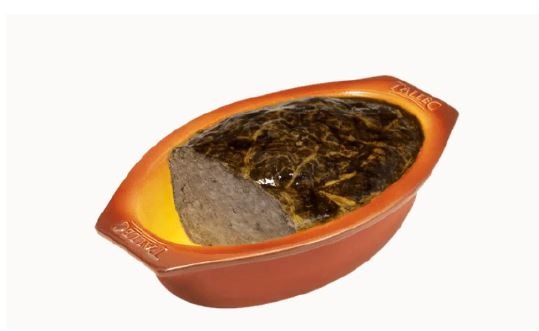
Product Category
Food
Product subcategory
Meats
Product brand name
TALLEC
Model names or references
OVEN ROASTED TERRINE sold at the traditional charcuterie stand at the Carrefour Fougères store between 06/24 and 07/06
Product identification
GTIN Batch
1111111111116 sold between 06/24 and 07/06
Packaging
Terrine
Start/End of marketing date
From 06/24/2024 to 07/06/2024
Storage temperature
Product to be kept in the refrigerator
Further information
OVEN ROASTED TERRINE sold at the traditional charcuterie stand at the Carrefour Fougères store between 06/24 and 07/06
Geographic area of sale
Carrefour Fougères only
Distributors
Carrefour Fougères only
Posted in food contamination, food handler, Food Hazard, Food Hygiene, Food Inspections, Food Micro Blog, Food Microbiology, Food Microbiology Blog, Food Microbiology Testing, Food Pathogen, food recall, Food Safety, Food Safety Alert, Food Safety Management, Food Safety Regulations, Food Testing, Listeria, Listeria France, Listeria in Cheese, Listeria monocytogenes

 FoodWorld