Monthly Archives: April 2022

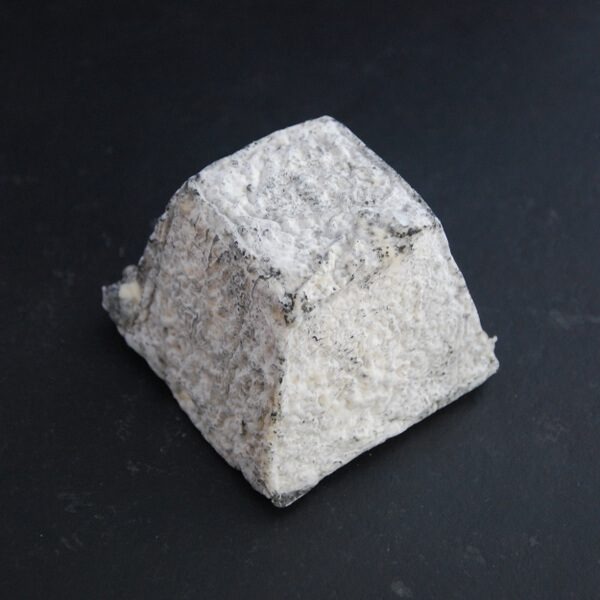
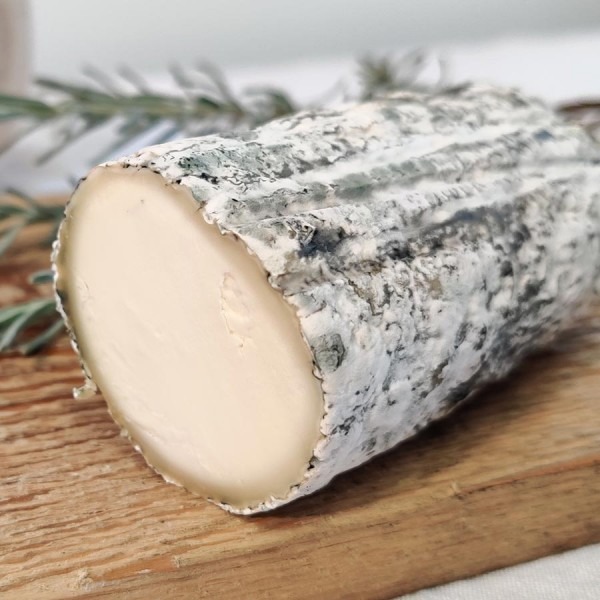
France – Pyramid, log, ash – Goats Cheese – Listeria monocytogenes

Gov france

Identification information of the recalled product

  • Product category Food
  • Product subcategory Milk and dairy products
  • Product brand name Goat cheese
  • Model names or references Pyramid, log, ash
  • Identification of products
    Batch Date
    The batches of cheeses from 22-23/03 which could not be analyzed and for which doubt remains as to contamination. The batches of cheeses marketed on March 25-26-27, 2022 and The batches of cheeses April 1-2-3 and 4, 2022. Use-by date 04/21/2022
  • Marketing start/end date From 03/25/2022 to 04/05/2022
  • Storage temperature Product to be stored in the refrigerator
  • Geographic area of ​​sale Whole France
  • Distributors Orleans market halls

Practical information regarding the recall

  • Reason for recall Listeria
  • Risks incurred by the consumer Listeria monocytogenes (causative agent of listeriosis)

France – ROAST PORK ORLOFF -Salmonella

Gov france

Identification information of the recalled product

  • Product category Food
  • Product subcategory Meats
  • Product brand name/
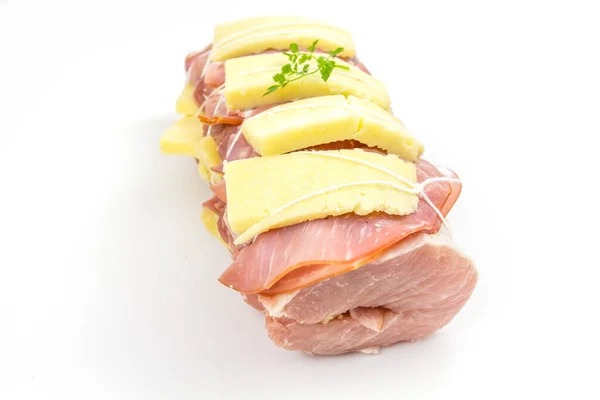
  • Model names or references ROAST PORK ORLOFF SOLD IN BUTCHER STAND
  • Identification of products
    Batch
    ORLOFF PORK ROAST SOLD AT THE BUTCHER STAND BETWEEN APRIL 4 AND 15
  • Products List Reminder_poster.pdfEnclosed
  • Packaging Packed in a butcher’s stand
  • Marketing start/end date From 04/04/2022 to 15/04/2022
  • Storage temperature Product to be stored in the refrigerator
  • Health mark/
  • Further information The packaging date is indicated on the label of the bag given to the customer.
  • Geographic area of ​​sale Auchan City Tourcoing
  • Distributors Auchan City Tourcoing

Practical information regarding the recall

  • Reason for recall presence of Salmonella
  • Risks incurred by the consumer Salmonella spp (causative agent of salmonellosis)

EU – 8 April update: ECDC/EFSA investigation into multi-country Salmonella outbreak continues

ECDC

The outbreak has been linked to a factory in Arlon. Belgian authorities suspended all activities, all products that were manufactured there will be recalled, and retailers are also asked to remove the products from their shelves.

An outbreak caused by monophasic Salmonella Typhimurium is rapidly evolving in eight EU/EEA countries and the United Kingdom (UK). As of 8 April 2022, 142 cases have been reported, mainly among children under 10 years old. The first case was identified in the UK on 7 January 2022. Since 17 February 2022, cases have also been identified elsewhere in Europe.

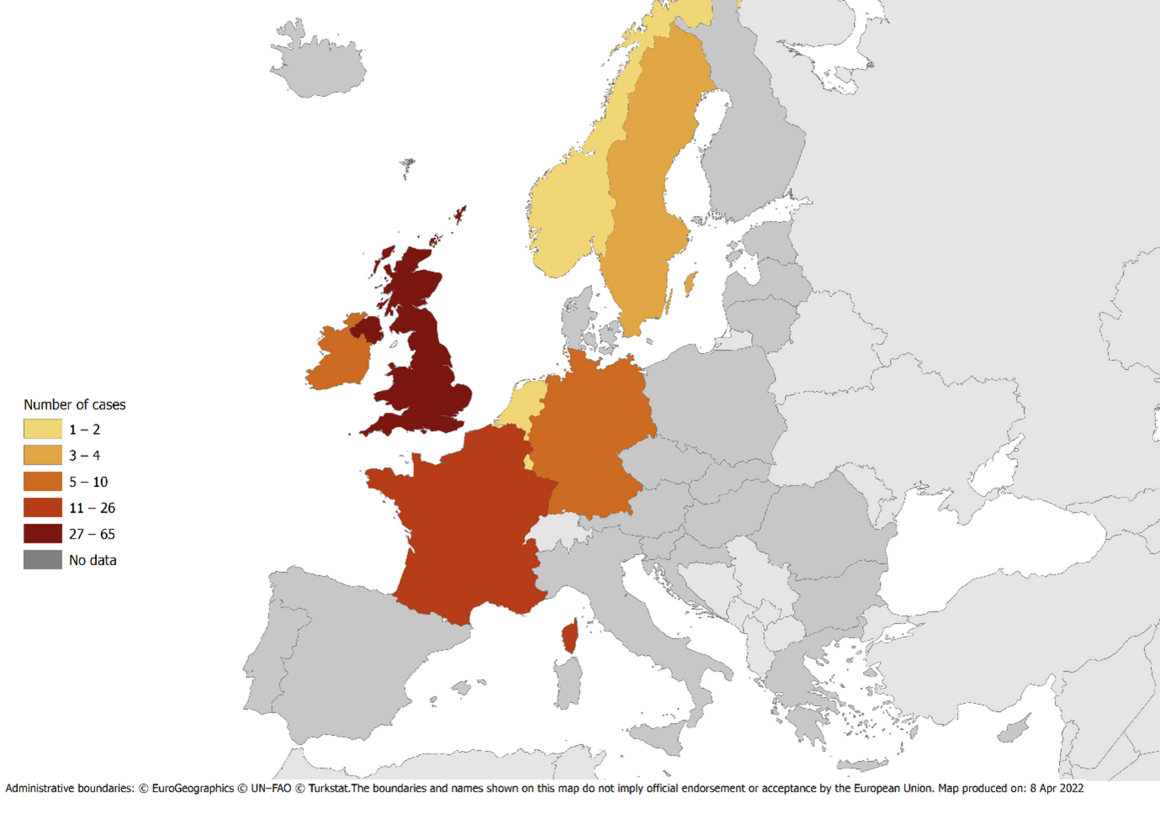
Geographical distribution of confirmed and probable cases of monophasic S. Typhimurium in the EU/EEA and the UK, as of 8 April 2022
 

The outbreak is characterised by an unusually high proportion of children being hospitalised, some with severe clinical symptoms such as bloody diarrhoea. Based on interviews with patients and initial analytical epidemiological studies, specific chocolate products have been identified as the likely route of infection. Affected cases have been identified through advanced molecular typing techniques. As this method of testing is not routinely performed in all countries, some cases may be undetected.

Product recalls have been launched in several countries to date, including BelgiumFranceGermanyIrelandLuxembourgNetherlandsNorway, and the UK, to prevent the consumption of products potentially contaminated with Salmonella. Further investigations are being conducted by public health and food safety authorities in countries where cases are reported, to identify the cause and the extent of the contamination, and to ensure contaminated products are not put on the market.

ECDC and EFSA are assessing the available data from these countries and preparing a rapid outbreak assessment to be published next week. Questions regarding ongoing product recalls should be addressed to national food safety authorities.

Number of confirmed and probable cases* with monophasic S. Typhimurium infection by country, EU/EEA and the UK, as of 8 April 2022

Country Confirmed cases Probable cases Total cases
Belgium 0 26 26
France 25 0 25
Germany 6 2 8
Ireland 10 0 10
Luxembourg 1 0 1
Netherlands 2 0 2
Norway 1 0 1
Sweden 4 0 4
Total EU/EEA 42 29 77
United Kingdom 65 0 65
Total 114 28 142

*According to the European outbreak case definition

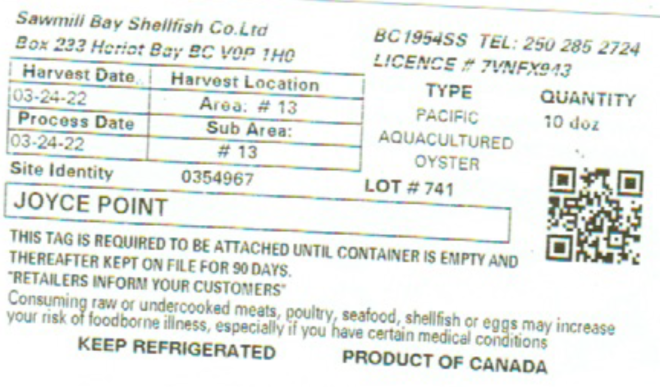
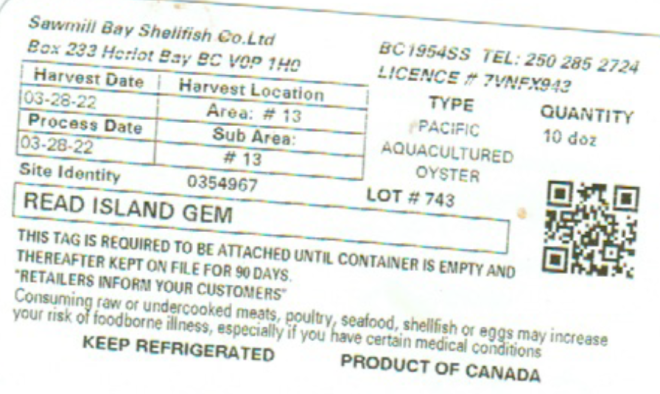
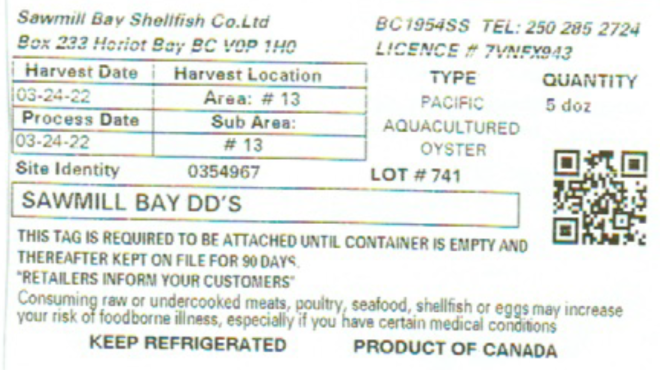
Canada – Certain Pacific Oysters recalled due to norovirus

CFIA

Summary

Product
Certain Pacific Oysters
Issue
Food – Microbial Contamination – Norovirus
What to do

Do not consume, use, sell, serve, or distribute the recalled products

Canada – Various poppy seeds recalled due to Salmonella

CFIA

Summary

Product
Various poppy seeds
Issue
Food – Microbial Contamination – Salmonella
What to do

Do not consume, use, sell, serve, or distribute the recalled products

Issue

Industry is recalling various poppy seeds from the marketplace due to possible Salmonella contamination.

The recalled products have been sold as indicated in the table.

What you should do

  • If you think you became sick from consuming a recalled product, call your doctor
  • Check to see if you have the recalled products in your home
  • Do not consume the recalled products
  • Do not serve, use, sell, or distribute the recalled products
  • Recalled products should be thrown out or returned to the location where they were purchased

Food contaminated with Salmonella may not look or smell spoiled but can still make you sick. Young children, pregnant women, the elderly and people with weakened immune systems may contract serious and sometimes deadly infections. Healthy people may experience short-term symptoms such as fever, headache, vomiting, nausea, abdominal cramps and diarrhea. Long-term complications may include severe arthritis.

UK – ‘Don’t take the risk’: The FSA, FSS and UKHSA issue reminder that a range of Kinder egg products and Schoko-Bon’s should not be eaten this Easter weekend

FSA

The agencies are continuing to work with Public Health Scotland, Public Health Wales, Public Health Agency Northern Ireland – as well as international public health and food safety authorities – to investigate an ongoing outbreak of Salmonella linked to certain Kinder egg product ranges and Schoko-Bons produced at one of the Ferrero company’s factories, in Arlon, Belgium.

Full details on the products affected and the recall can be found here (Opens in a new window).

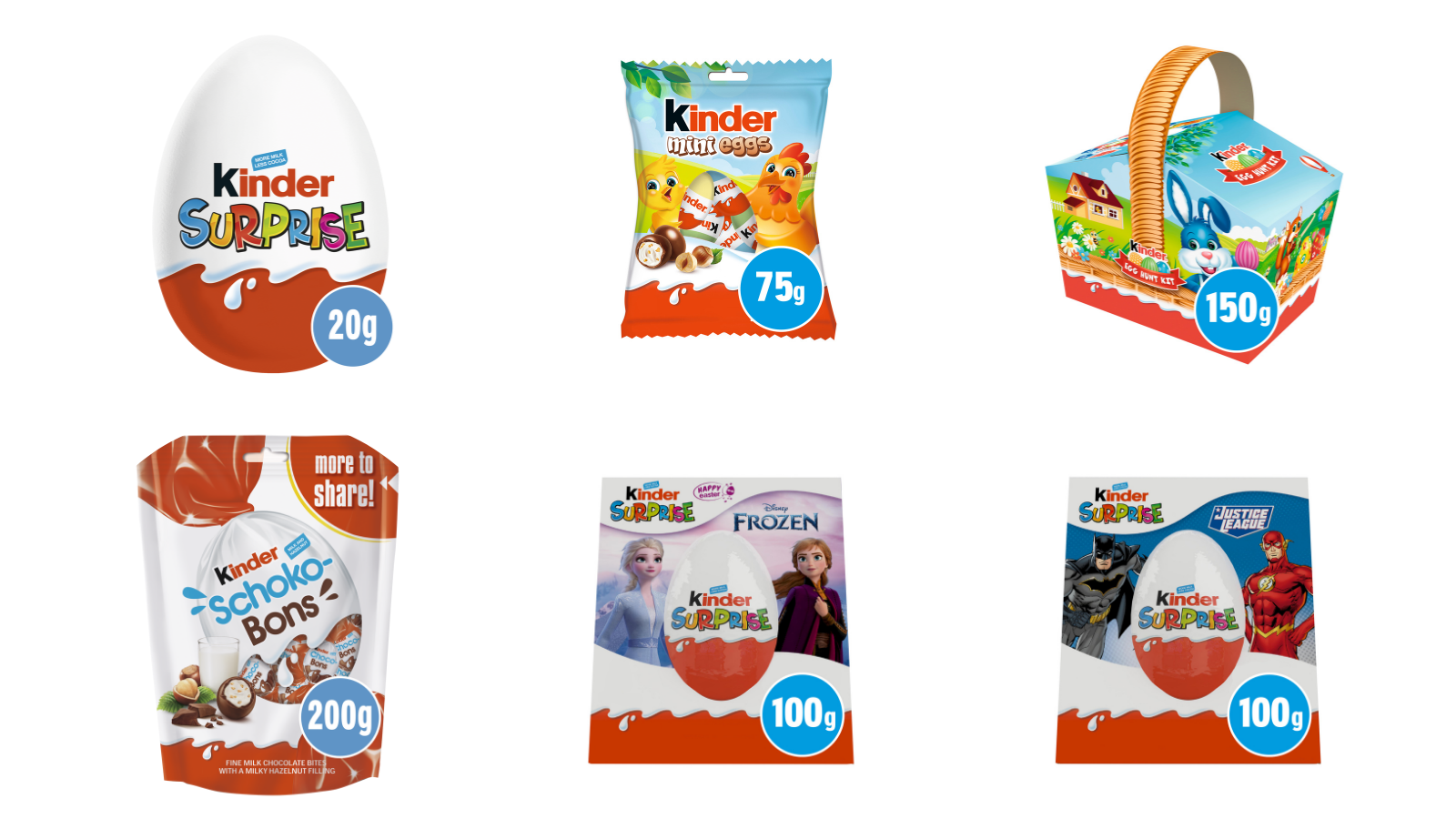
Kinder product recall items

As of 15 April, there are 70 cases linked to this outbreak in the UK. The majority of the cases are in children under 5 years of age.

Emily Miles, Chief Executive of the Food Standards Agency said:

“As we go into the Easter weekend, we are strongly urging consumers to follow the advice in the latest recall notice and to check any Kinder products they might have already bought against the list detailed in the notice, as they may pose a risk to health. If they do have any products on the list, they should not eat them and should discard them immediately.

“We have emphasised to the business and the authorities in Belgium the importance of taking a precautionary approach to their recall and trust that they will continue to put consumers’ needs first in any action they take.”

Dame Jenny Harries, Chief Executive of the UK Health Security Agency (UKHSA), said:

“We’re reminding people of the recall this Bank Holiday weekend as it’s possible these products have been bought and stored as gifts, or for events such as Easter trails.

“It’s crucial these products are not eaten and are discarded. Salmonella infection can be severe and many children affected in this outbreak have been very unwell and hospitalised, so anyone giving chocolate products to friends or family should take extra care to ensure their Easter gifts are not amongst those products recalled.

“Thank you to parents and guardians  who worked with us and other public health authorities in the UK to tell us what their children had eaten prior to becoming unwell – this allowed us to rapidly pinpoint a potential source of infection and helped food chain investigations both in this country and in Europe. We understand this has been a worrying time for these families, and their responses have helped to prevent more children and vulnerable adults being affected.”

Symptoms of salmonellosis – or infection with salmonella – typically resolve themselves within a few days. However, symptoms can be more severe, especially in young children, those who are pregnant and those with weakened immune systems.

Anybody with concerns that they have symptoms of salmonellosis should contact their GP or call NHS 111. Salmonella can be spread from person to person as well as from food, so anyone affected should adhere to good hygiene practices, such as washing hands thoroughly after using the bathroom and avoiding handling food for others where possible, if you have symptoms.

Notes to Editors:

The following products have been recalled and regardless of best-before date, should not be eaten.

The recall includes:

Kinder Surprise 20g & 3x 20g

Kinder Surprise 100g

Kinder Egg Hunt

Kinder Mini Eggs

Kinder Schoko-Bons

Holidays

Hi All,

I am back from holiday now and after a lovely trip to the USA I will be wading through the issues of the last couple of weeks and posting as much as I can.

Keith

USA – Food Safety Microsite

CDC

Food Poisoning Basics

Learn about the causes, signs, and symptoms of food poisoning and tips for how to prevent yourself and your family from getting sick.

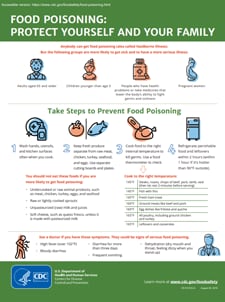
Screenshot of PDF for how to protect yourself and your family from food poisoning

WHO -CODEX COMMITTEE ON FOOD HYGIENE – DRAFT GUIDANCE FOR THE MANAGEMENT OF BIOLOGICAL FOODBORNE OUTBREAKS

FAO

INTRODUCTION
1.Foodborne illnesses encompass a wide spectrum of illnesses and are an important public health problem. They are the result of ingestion of foodstuffs contaminated with biological hazards (biological foodborne illness) or chemicals (chemical foodborne illness). The contamination of food may occur at any stage in the process from primary production through to consumption and can result from the presence of zoonotic agents in animal production or from handlers, environmental contamination, via equipment, water, soil or air.
2.Biological foodborne illness usually takes the form of gastrointestinal symptoms; however, such illnesses can also have neurological, gynecological, immunological and other symptoms. The symptoms can be mild with recovery within days or have severe consequences for the individuals due to long-term sequelae with serious health effects or even death.
3.Biological foodborne outbreaks can have significant socio-economic costs, which may be exacerbated in populations comprised of vulnerable groups, related to hospitalization and medical treatment, lost productivity and effects on tourism. For food businesses, the consequences can be lost markets, loss of consumer confidence, litigation and company closures. Such foodborne outbreaks can cause impediments to domestic production and international trade. Globalization of the food supply has led to the rapid and widespread international distribution of foods, further increasing opportunities for pathogens being inadvertently introduced into many geographical areas.
4.Codex Alimentarius has issued several guidelines for food businesses and competent authorities on hygienic practices to ensure food safety. Those guidelines focus on prevention, monitoring and corrective actions in case of deviations along the production processes. Despite efforts to ensure a high level of hygiene, foodborne outbreaks still occur.
5.In order to handle biological foodborne outbreaks efficiently, local and national multiagency networks of preparedness should be in place. To facilitate a common understanding and a consistent approach to these situations such networks should use comparable methods and interpretations to the extent possible, as well as transparent exchange of information. Cooperation through international networks is essential and should be a feature of any national network.
6.Communication and data sharing between and among networks, food business operators and internationally is fundamental for the management of foodborne outbreaks. Existing procedures on confidentiality should be used or, if not present, procedures should be developed.
7.The principles for risk analysis including risk assessment, risk management and risk communication, as described in the Codex Working Principles for Risk Analysis for Food Safety for Application by Governments(CXG 62-2007) should form the framework/basis for the establishment of a system for preparedness and management of foodborne outbreaks. The risk management measures chosen will vary according to the situation and the regulatory framework of the competent authorities.
8.Within the available analytical methods, molecular methods often best contribute to the detection of clusters of human cases and allow them to be linked to the food source when used in conjunction with epidemiological analysis. They also help to better identify batches/lots of food involved and the root cause; hence reducing the exposure of humans to hazards. In particular, the use of specific genetic methods (e.g. Pulsed-Field Gel Electrophoresis (PFGE), Whole Genome Sequencing (WGS) and Multilocus Sequence Typing (MLST)) can result in improved detection of outbreaks, including detection of associated or linked cases, when the country has the adequate resources to perform it. The increase in the use of these methods will likely lead to the detection of more outbreaks and the need for enhanced preparedness.
9.The decision to categorize an outbreak as an incident, an emergency or crisis is at the discretion of the competent authorities which should be consistent at the local and national level. The following factors may be used by the competent authorities to categorize the outbreak and to develop and adapt response plans.
The number of cases, the geographic spread of the outbreak, and whether the outbreak is ongoing,. The disease severity and its consequences, including the number of deaths and treatment options available.
The population affected, e.g. more vulnerable groups.
The pathogenicity (virulence / infectivity) of the microorganism.
The source of contamination and the history of the establishment and business.
The distribution pattern, whether the contaminated food is still available for sale or consumption, the volumes of the food and national and international trade implications.
Consumer perception (e.g. referring to an outbreak as a “crisis”) can affect the consumer confidence in a product or food category clearly not belonging to the consignment implicated.
The need to remove or reduce risk to consumers through public health action such as product recall risk communication including media alerts.
Likely exposure and consumption patterns
Whether or not the outbreak was intentional (e.g. the consequence of fraud or bioterrorism).
Whether the hazard is known or unknown.
The capacity of the country to quickly react and limit the extent of the outbreak

Research – Harmless or deadly? New study examines evolution of E. coli

UTS

A new study, published in Nature Communications, suggests genetic material from E. coli bacteria in farm animals could be contributing to the evolution of deadly strains of E. coli in humans.

Genetic material from E. coli bacteria in farm animals could be contributing to the evolution of deadly pandemic strains of E. coli in humans, new research shows.

E. coli usually live as harmless bacteria in the gastrointestinal tracts of birds and mammals, including humans. They also reside, independent of a host, in environments such as water and soil, and in food products including chicken and turkey meat, raw milk, beef, pork and mixed salad.

These bacteria can cause disease if they possess or acquire factors that allow them survive in areas of the human body outside the gut.

E. coli is the primary source of urinary tract infections, a common reason for hospital admissions. It can also lead to sepsis, which kills 11 million people globally each year, and meningitis, an infection that affects the brain and spinal cord.

Dr Cameron Reid, from the University of Technology Sydney, said the aim of the study, recently published in Nature Communications, was to better understand the evolution and genomic characteristics of an emerging strain of E. coli known as ST58.