Monthly Archives: November 2021

Research – Emerging Risks in Food: Probiotic Enterococci Pose a Threat to Public Health through the Food Chain

MDPI

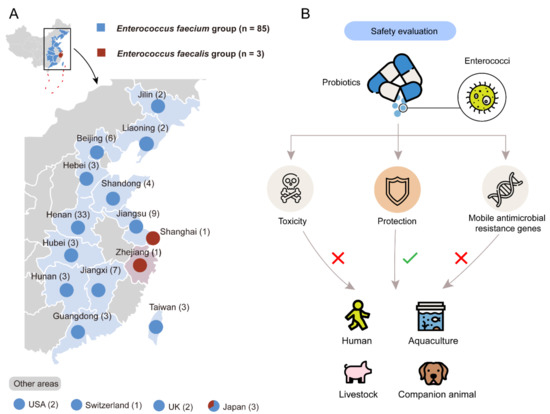
Probiotics have been associated with clinical infections, toxicity, and antimicrobial resistance transfer, raising public concerns. Probiotic enterococci are emerging food risks as opportunistic pathogens, yet little attention has been paid to them. Herein, we collected 88 enterococcal isolates from probiotic products used for humans, companion animals, livestock, and aquaculture. Results showed that all 88 probiotic enterococcal isolates harbored diverse virulence genes, multiple antimicrobial resistance genes, and mobile genetic elements. Notably, 77 isolates were highly resistant to gentamicin. Representative enterococcal isolates exerted toxic activities in both in vitro and in vivo models. Collectively, our findings suggest that probiotic enterococci may be harmful to hosts and pose a potential threat to public health. View Full-Text

Research – Gamma radiation treatment of postharvest produce for Salmonella enterica reduction on baby carrot and grape tomato

Wiley Online

Occurrences and contamination of Salmonella enterica on produce are a significant food safety issue. The objective of this research was to evaluate the effects of low-dose gamma radiation on survival and reductions of S. enterica on postharvest carrot and tomato. Irradiation treatments of 0–1 kGy were applied on produce, following pathogen inoculations in replicated experiments. The effects of temperatures (5 and 20°C) and storage times (0, 3, and 7 days) on pathogen reductions were determined. The mean Salmonella populations in untreated control produce varied from 7.12 ± 0.05 to 7.54 ± 0.12 log Cfu/g of produce. Pathogen reductions by gamma radiation were significant (p < .05) and varied with storage times (0–7 days). Salmonella populations were reduced on carrot by 4.3 logs (5°C) and 3.7 logs (20°C) at 1 kGy treatment. On tomato, pathogen reductions at 1 kGy did not differ significantly (p > .05) and were 5.6 and 5.8 logs at 5 and 20°C, respectively. Linear decreases in Salmonella populations occurred as radiation dosage increased. Injury of bacterial cells from radiation treatment was comparatively greater at 1 kGy than other treatments. Low-dose gamma radiation treatment resulted in significant Salmonella reductions on produce and enhanced postharvest safety of carrot and tomato.

Ukraine – Two botulism cases reported in Zaporizhzhia Oblast

Outbreak News Today

Two cases of foodborne botulism were reported in Berdyansk, Zaporizhzhia Oblast in southeastern Ukraine.

On November 17, it was reported that botulism was found in two residents of the city. An outbreak of the disease occurred among members of the same family. Homemade dried fish (roach, bream) could be a source of botulism.

The state of health of the sick is not reported.

Food borne botulism is a severe intoxication caused by eating the preformed toxin present in contaminated food.

Food borne botulism occurs when the bacterium Clostridium botulinum is allowed to grow and produce toxin in food that is later eaten without sufficient heating or cooking to inactivate the toxin. Botulinum toxin is one

Scotland – Glasgow school closes after Norovirus outbreak.

Glasgow Live

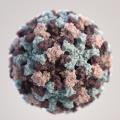
Food Borne Illness - Norovirus -CDC Photo

A Glasgow West End school has been shut due to a suspected Norovirus related outbreak.

Kelbourne Park primary and nursery closed on Monday after an outbreak of sickness and diarrhoea with children and a ‘large number’ of staff infected.

It comes as Sunnyside Primary in Craigend was hit with a Covid outbreak this week – with half the kids off and 10 teachers affected. The council’s education boss said it can’t close as vulnerable families need support and extra staff have been brought it to help run it. The school has been deep cleaned and all children were asked to take a lateral flow test.

Canada – Certain sesame seed-containing products recalled due to Salmonella

CFIA

Summary

Product
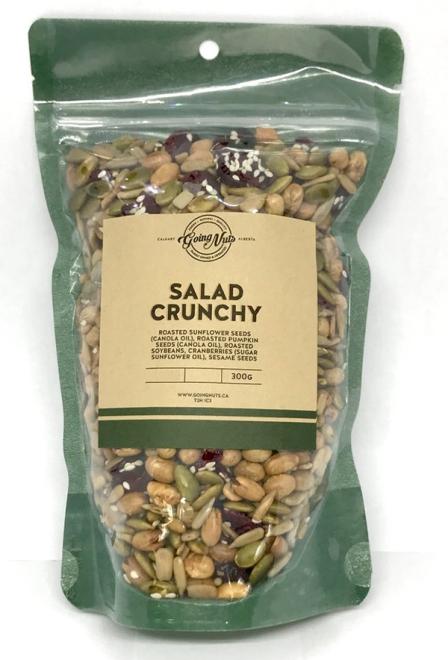
Sesame seeds white org bulk, Salad Crunchy (Mix)
Issue
Food » Microbial Contamination » Salmonella
What to do

Do not consume the recalled products

Affected products

Brand Product Size UPC Codes Additional Information
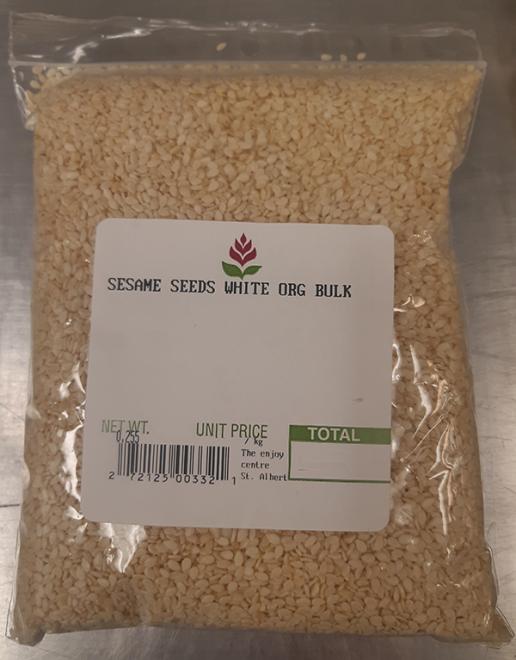
None Sesame seeds white org bulk Variable Starts with 2 72125 All units sold from August 11, 2021 to November 16, 2021, inclusively Sold at Amaranth Whole Foods Market The Enjoy Centre, 101 Riel Dr., St. Albert, AB
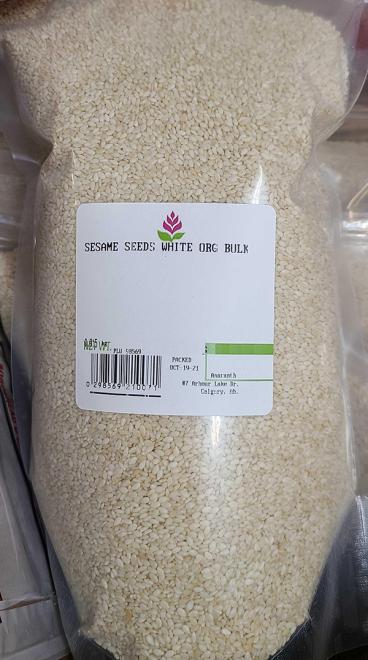
None Sesame seeds white org bulk Variable Starts with 0 298569 Packed OCT-19-21 Sold at Amaranth 4th Street Market, 1407 4th St., Calgary, AB
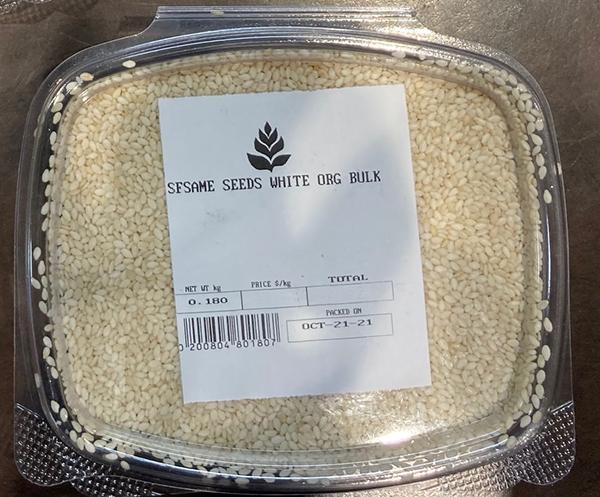
None Sesame seeds white org bulk Variable Starts with 0 200804 Packed on OCT-21-21 Sold at Amaranth Health, 5222 130 Ave. SE, Calgary, AB
None Sesame seeds white org bulk Variable – sold in bulk None All product sold from August 23, 2021 to November 17, 2021, inclusively Sold at Amaranth Whole Foods Market, 7 Arbour Lake Dr. NW, Calgary, AB
Going Nuts Salad Crunchy (Mix) 300 g 6 28110 71284 4 L2136 Sold in Alberta and online

Issue

Industry is recalling certain sesame seed-containing products from the marketplace due to possible Salmonella contamination.

The recalled products have been sold as indicated in the table.

What you should do

  • If you think you became sick from consuming a recalled product, call your doctor
  • Check to see if you have the recalled products in your home
  • Do not consume the recalled products
  • Recalled products should be thrown out or returned to the location where they were purchased

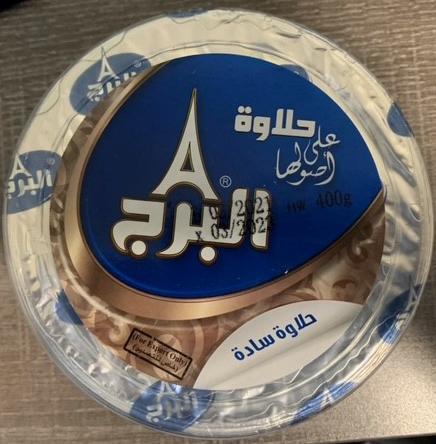
Canada – AlBurj brand Halawa Pistachio Extra recalled due to Salmonella

CFIA

Summary

Product
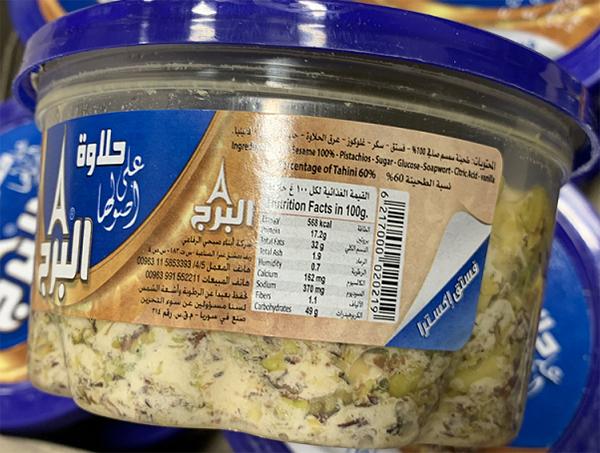
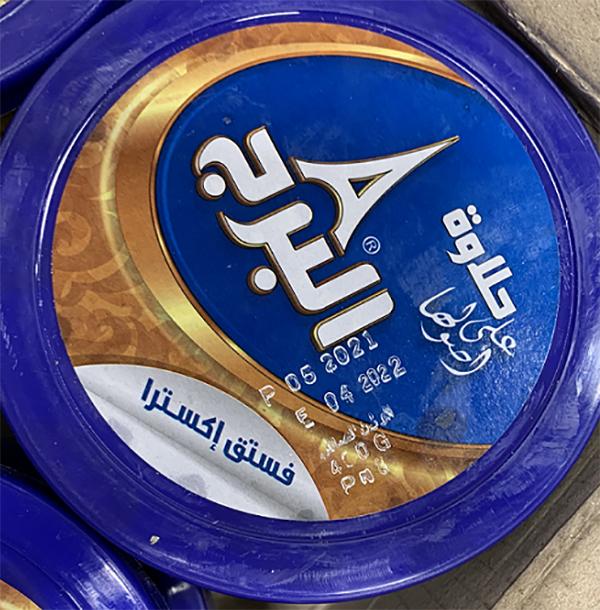
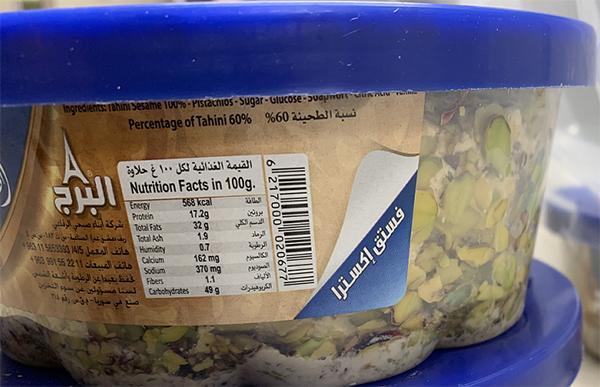
Halawa Pistachio Extra
Issue
Food » Microbial Contamination » Salmonella
What to do

Do not consume the recalled products

Affected products

Brand Product Size UPC Codes
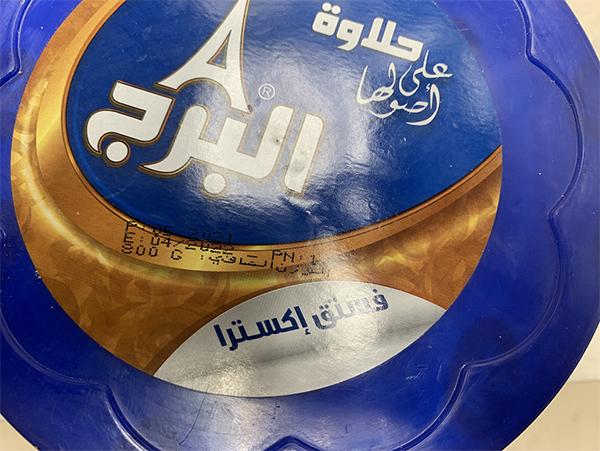
AlBurj (Arabic characters only) Halawa Pistachio Extra (Arabic characters only) 400 g 6 217000 020219
  • P: 04/2021
  • E: 03/2022
  • P: 05/2021
  • E: 04/2022
AlBurj (Arabic characters only) Halawa Pistachio Extra (Arabic characters only) 800 g 6 217000 020677
  • P: 05/2021
  • E: 04/2022

Issue

Fandi Import Export Ltd. is recalling AlBurj brand Halawa Pistachio Extra from the marketplace due to possible Salmonella contamination.

The recalled products have been sold in Alberta.

What you should do

  • If you think you became sick from consuming a recalled product, call your doctor
  • Check to see if you have the recalled products in your home
  • Do not consume the recalled products
  • Recalled products should be thrown out or returned to the location where they were purchased

France – Mascarpone GONGORZOLA – Listeria monocytogenes

Gov france

Identifying information for the recalled product

  • Product category Food
  • Product sub-category Milk and dairy products
  • Product brand name WITHOUT BRAND
  • Names of models or references MANUFACTURER ALLIANCE EUROFOOD
  • Product identification
    Lot Date
    211011 Use-by date 11/21/2021
  • Packaging PACK IN STORE
  • Start date / End of marketing From 09/24/2021 to 11/08/2021
  • Storage temperature Product to be stored in the refrigerator
  • Health mark LISTERIA MONOCYTOGENE
  • Geographical sales area Whole France
  • Distributors SYSTEM U

Practical information regarding the recall

  • Reason for recall PRESENCE LISTERIA IN THE PRODUCT

Sweden – Salmonella (Sweden, August-October 2021)

Folkhalsomyndigheten

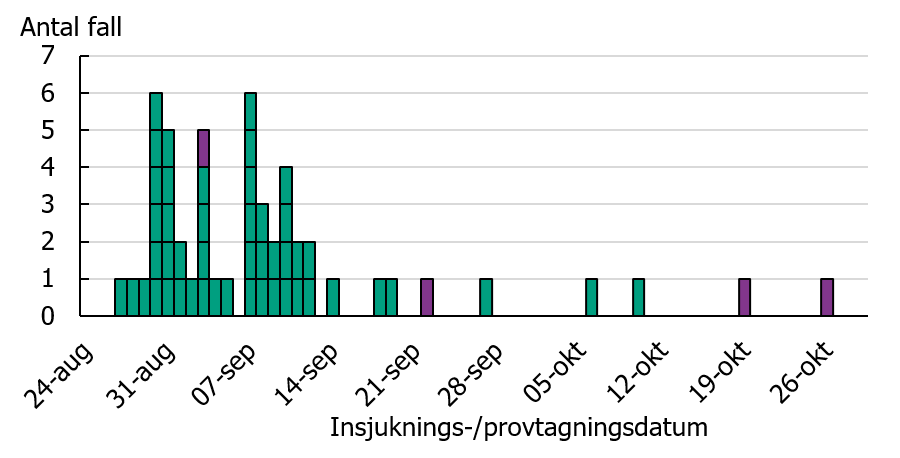
From the end of August to October, 52 people from 14 regions with the same strain of Salmonella Coeln fell ill. The cases were aged 0-85 years (median 35 years) and about as many were women (n = 27) as men (n = 25). No new cases have fallen ill or been sampled with the outbreak strain since 26 October and the outbreak is now judged to be over. The outbreak has been investigated in collaboration between the affected infection control units and municipalities as well as the county administrative board, the National Food Administration and the Swedish Public Health Agency.

The Swedish Public Health Agency has conducted a so-called case-case study based on surveys collected by the regional infection control units, where those who fell ill with salmonella answered questions about what they had eaten during the week before the illness. In the study, where responses from outbreak cases were compared to responses from salmonella cases that did not belong to the outbreak, it was found that there was a statistically significant relationship between disease with the outbreak strain and consumption of sprouts. A suspected link to sprouts had also been identified during a local investigation in one of the regions.

Based on when the outbreak cases have fallen ill and where sprouts have been consumed, it is believed that a suspected contaminated batch was delivered to grocery stores, wholesalers and commercial kitchens at the end of August. Sampling and analysis of remaining sprouts in cases of disease, as well as extensive sampling and analysis at the production stage have not shown salmonella.

The results of the epidemiological investigation show that fresh sprouts delivered at the end of August were the most probable source of the outbreak, but this has not been confirmed by microbiological analyzes.

Figure 2021-11-18. Number of outbreaks per day for morbidity f with Salmonella Coeln (n = 52), 2021-11-18. For cases marked in purple, information on the date of illness is missing and instead the sampling date has been specified.

The bar chart shows that close to 90% of cases fell ill or were sampled from the end of August to mid-September.

2021-09-24

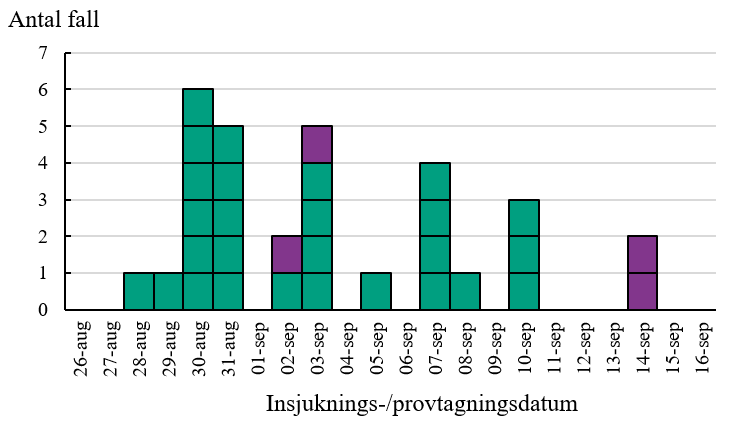
As of August 28, 31 people have been confirmed infected with Salmonella Coeln. Whole genome sequencing (analysis of the bacterium’s genome) has shown that the disease cases carry the same strain of Salmonella Coeln and are thus suspected of having been infected by a common source of infection. The cases, which are aged 0-85 years (median = 28 years), are resident in twelve different regions in Sweden and 18 (58 percent) of the patients are men. Affected infection control units, municipalities and County Administrative Boards, together with the National Food Administration and the Swedish Public Health Agency, are investigating the outbreak to identify the source of infection that is suspected to be a food with a wide distribution in Sweden.

Figure 2021-09-24. Disease curve for outbreak cases with Salmonella Coeln (n = 31), 2021-09-24. For cases marked in purple, information on the date of illness is missing and instead the sampling date has been specified.

The bar graph shows that 0-6 people fell ill or were sampled per day between 28 August and 14 September

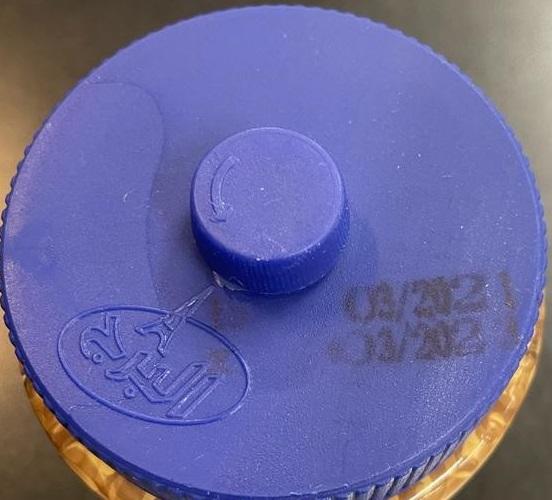
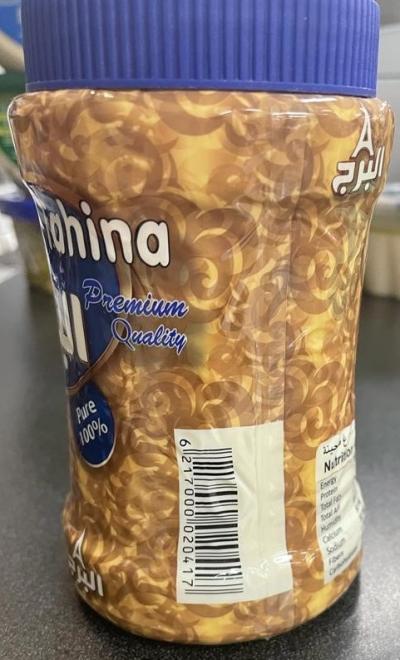
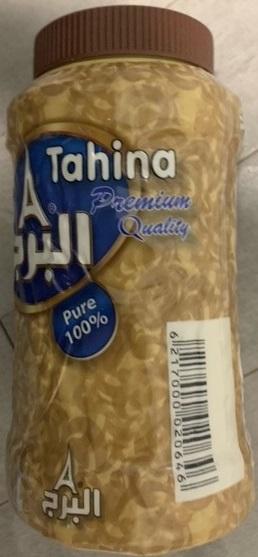
Canada – AlBurj brand and Algota brand tahina/tahini and halawa/halvah recalled due to Salmonella

CFIA

Summary

Product
Tahina/tahini and halawa/halvah
Issue
Food » Microbial Contamination » Salmonella
What to do

Do not consume the recalled products

Affected products

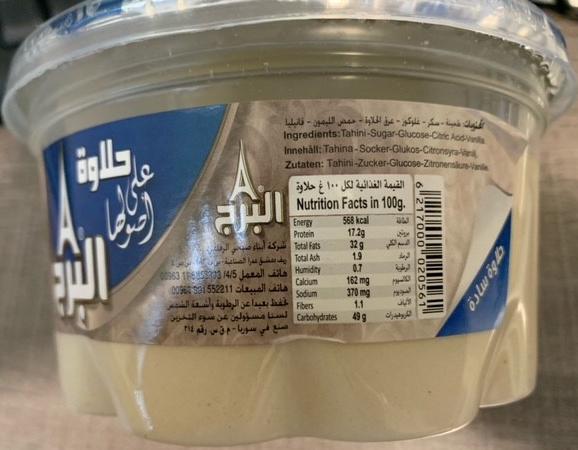
Basha Foods International is recalling AlBurj brand and Algota brand tahina/tahini and halawa/halvah from the marketplace due to possible Salmonella contamination.

The recalled products have been sold from Basha Foods International, 2717 Sunridge Way NE, Calgary, Alberta.

What you should do

  • If you think you became sick from consuming a recalled product, call your doctor
  • Check to see if you have the recalled products in your home
  • Do not consume the recalled products
  • Recalled products should be thrown out or returned to the location where they were purchased

USA- Norovirus Among Likely Causes of Recent Reported Illnesses

Health WYO

Norovirus Food Safety kswfoodworld

Norovirus is likely among the reasons behind increased reports of recent illnesses in Wyoming, according to the Wyoming Department of Health (WDH).

People who are sick with norovirus may experience nausea, vomiting, watery diarrhea, stomach cramps, fatigue and dehydration. Other viruses and illnesses caused by bacteria contamination such as from E. coli can cause similar symptoms, but norovirus is the most common culprit.

Commonly described as “stomach flu” or “food poisoning,” norovirus is spread when people eat or drink contaminated food and beverages, touch contaminated surfaces or through close contact with someone already sick.

Matt Peterson, WDH surveillance epidemiologist, said contamination is almost always not obvious. “We’re often talking about extremely tiny amounts of poop or vomit. We can’t see it but it can make us very sick,” he said

“When people get ill this way, they most often blame the last thing they ate, but norovirus and bacterial illness can spread through many routes other than just eating food,” Peterson said.

Illness can hit quickly between 12 to 48 hours after a person has been exposed. Symptoms usually last from one to three days and go away without causing long-term problems.

“Norovirus and other illnesses with similar symptoms can be serious when people become dehydrated,” Peterson said. He noted those who become severely ill may need to call or visit a medical professional.  Infants, young children, immune-compromised persons, and persons unable to care for themselves, such as the disabled or elderly, are at higher risk for dehydration and may need hospitalization.

“We are specifically seeing increased reports of E.coli across the state recently compared to previous years, which can be particularly concerning in children under 5,” Peterson said. Parents with children who are suffering from stomach-related symptoms that do not improve after 72 hours, or if their child has bloody diarrhea, should seek medical care for the child because these could be signs of bacterial infection.

“Norovirus illnesses can be prevented,” Peterson said. “It sounds too simple, but, truly, good hand washing is critical. People can still be contagious and spread the virus for a few days after they no longer have symptoms.”

Recommended steps to help prevent illness include:

  • Frequently wash hands, especially after using the restroom or changing diapers, and before eating or preparing food.
  • If ill, stay home from work and school, especially if employed in food-handling, healthcare or child care.
  • Thoroughly clean and disinfect contaminated surfaces immediately after an episode of vomiting or diarrhea with a solution of 1 cup household bleach per 1 gallon of water and letting the solution sit for one minute. Always follow manufacturers’ safety precautions.
  • Immediately remove and wash contaminated clothing or linens after an episode of illness (use hot water and soap).
  • Flush or discard any vomit and/or poop in the toilet and keep the surrounding area clean.
  • Ill persons should take extra care to avoid spreading the virus by minimizing contact with other persons while ill and practicing good hygiene.