Monthly Archives: November 2021

USA – CDC – This year’s investigation of Salmonella outbreaks linked to backyard poultry is over

CDC

Salmonella Campylobacter

November 18, 2021

CDC and public health officials in several states investigated multistate outbreaks of Salmonella infections with serotypes of Enteritidis, Hadar, Indiana, Infantis, Mbandaka, and Muenchen.

Epidemiologic and laboratory data showed that contact with backyard poultry made people sick.

Epidemiologic Data

A total of 1,135 people infected with one of the outbreak strains were reported from 48 states, the District of Columbia, and Puerto Rico (see map). The true number of sick people in these outbreaks was likely much higher than the number reported, and these outbreaks may not have been limited to the states with known illnesses. This is because many people recover without medical care and are not tested for Salmonella.

Illnesses started on dates ranging from December 15, 2020, to October 10, 2021 (see timeline). Age information was available for 1,132 people. Their ages ranged from less than 1 to 97 years, with a median age of 37 years. Many were young children: 268 (24%) were under 5 years and 140 (12%) were under 1 year. Of 1,107 people with sex information available, 646 (58%) were female. Of 829 people with information available, 273 (33%) were hospitalized. Two deaths were reported, one from Indiana and one from Virginia.

State and local public health officials interviewed people about the animals they came into contact with the week before they got sick. Of the 677 people interviewed, 449 (66%) reported contact with backyard poultry before getting sick.

Traceback Data

Of 293 people who reported contact with backyard poultry and provided more information, 212 (72%) reported that they bought backyard poultry this year. Purchase locations included feedstores, auctions, and directly from hatcheries. Traceback of these purchases did not identify a single, common source of backyard poultry. A total of 264 separate purchases from more than 150 purchase locations of 70 different companies were reported. At least 17 hatcheries supplied backyard poultry to these purchase locations.

Laboratory Data

Public health investigators used the PulseNet system to identify illnesses that were part of this outbreak. CDC PulseNet manages a national database of DNA fingerprints of bacteria that cause gastrointestinal illnesses. DNA fingerprinting is performed on bacteria using a method called whole genome sequencing (WGS). WGS showed that bacteria from sick people’s samples were closely related genetically. This means that people in these outbreaks likely got sick from the same type of animal.

Public health officials from several states found two of the outbreak strains (Hadar and Enteritidis) from sick people’s backyard poultry and the backyard poultry environment.

  • On April 15, public health officials in Ohio found the outbreak strain of Salmonella Hadar from a sick person’s ducklings.
  • On May 7, local public health officials in California found the outbreak strain of Salmonella Hadar from a sick person’s duck environment (the ground, duck poop, and duck’s sleeping area).
  • On June 1, public health officials in Arizona found the outbreak strain of Salmonella Hadar from a sick person’s chickens and the chicken environment (chickens’ roost and water source).
  • On June 15, public health officials in Maryland found the outbreak strain of Salmonella Enteritidis from a sick person’s chickens.

WGS was also used to identify any predicted antibiotic resistance for bacteria from 1,101 sick people’s samples, 4 animal samples, and 7 environmental samples. Of the 1,112 samples, 394 (35%) were predicted to be resistant to one or more of the following antibiotics: amoxicillin-clavulanic acid (0.5%), ampicillin (0.9%), chloramphenicol (0.3%), cefoxitin (0.5%), ceftriaxone (0.5%), ciprofloxacin (0.1%), gentamicin (1.8%), kanamycin (0.4%), streptomycin (33.8%), sulfamethoxazole (2.2%), tetracycline (32.6%), and trimethoprim-sulfamethoxazole (0.2%). Testing of 11 sick people’s samples using standard antibiotic susceptibility testing methods by CDC’s National Antimicrobial Resistance Monitoring System (NARMS) confirmed these results (streptomycin and kanamycin were not tested by this method).

Most people with Salmonella illness recover without antibiotics. However, if antibiotics were needed, some illnesses in these outbreaks may have been difficult to treat with some commonly recommended antibiotics and may have required a different antibiotic choice.

Public Health Action

CDC always advises everyone to take steps to stay healthy around backyard poultry. CDC routinely works with hatcheries and stores that sell poultry to educate new poultry owners and control the spread of Salmonella at hatcheries.

UK – Salmonella pork scratching outbreak sickens 500

Food Safety News

More than 500 people in the United Kingdom have been affected by a Salmonella outbreak linked to pork scratching products.

There were 534 sick people as of late October with the majority falling ill since June. The first patient was in September 2020 and the peak was 80 cases reported in one week.

Slightly more than half are male with an age range of 0 to 92 years old and a median of 54. A dozen were admitted to hospital but this information is only available for 35 people. The majority of those sick are in England but some patients live in Wales, Scotland and Northern Ireland.

Whole genome sequencing identified the genetically similar Salmonella Infantis cases. It is thought to be the largest outbreak of this Salmonella type ever reported in Europe.

Australia – Snackers Market Tasty Cheese and Mini Crackers and Pretzels – Listeria monocytogenes

FSANZ

Date published: 18 November 2021

Product information

ALDI is conducting a recall of Snackers Market Little Pickers Cubed Tasty Cheese and Mini Crackers (35g) and Snackers Market Little Pickers Cubed Tasty Cheese and Pretzels (40g). The products have been available for sale at ALDI stores.

Date markings

​All USE BY dates up to 03.02.22​

Tasty Cheese and Crackers and Pretzels

Problem

The recall is due to microbial (Listeria monocytogenes) contamination.

Food safety hazard

Listeria may cause illness in pregnant women and their unborn babies, the elderly and people with low immune systems.

Country of origin

Australia

What to do​

Consumers should not eat this product. Any consumers concerned about their health should seek medical advice and should return the products to the place of purchase for a full refund.

For further information please contact:

ALDI Food Recall Hotline
1800 709 993
​​

Related links:

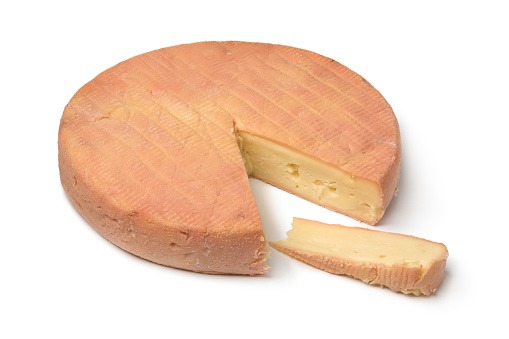
France – Munster fermier au lait cru SIFFERT FRECH – Listeria monocytogenes

Gov france

Identifying information for the recalled product

  • Product category Food
  • Product sub-category Milk and dairy products
  • Product brand name/
  • Names of models or references Munster farmer with raw milk SIFFERT FRECH sold at the cheese stand
  • Product identification
    Lot
    Raw milk munster sold at the cheese stand in the store from 11/03 to 11/13/2021
  • Products List Reminder_Detail_Auchan_Schweighouse.pdf Enclosed
  • PackagingPackaged in a cheese stand
  • Start date / End of marketing From 11/03/2021 to 11/13/2021
  • Storage temperature Product to be stored in the refrigerator
  • Health mark/
  • Further information The packaging date is indicated on the label of the bag given to the customer.
  • Geographical sales area Auchan Schweighouse
  • Distributors Auchan Schweighouse

Practical information regarding the recall

  • Reason for recall presence of Listeria Monocytogenes
  • Risks incurred by the consumer Listeria monocytogenes (causative agent of listeriosis)

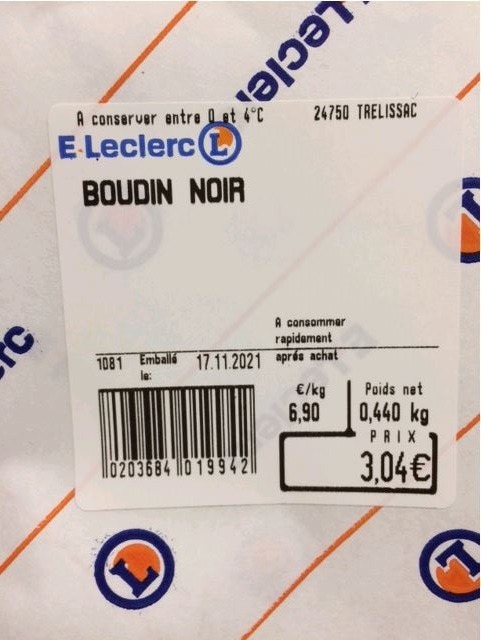
France – Black pudding -Listeria monocytogenes

Gov france

Identifying information for the recalled product

  • Product category Food
  • Product sub-category Others
  • Product brand name Unbranded
  • Names of models or references Black pudding at the traditional charcuterie stand cut
  • Product identification
    GTIN
    0203684000000
  • Packaging Sold and packaged at the customer’s request in assisted sale of cold cuts.
  • Start date / End of marketing From 06/11/2021 to 13/11/2021
  • Storage temperature Product to be stored in the refrigerator
  • Geographical sales area E.Leclerc de Trélissac
  • Distributors Leclerc Trélissac

Practical information regarding the recall

  • Reason for recall Withdrawal from sale of the following product following the detection of the presence of Listeria monocytogenes.
  • Risks incurred by the consumer Listeria monocytogenes (causative agent of listeriosis)

Australia – Raw Pacific oysters produced in Coffin Bay, SA – Vibrio parahaemolyticus

FSANZ

​Date published: 19 November 2021

Product information

SA Health has issued an emergency order to recall raw Pacific oysters (Magallana gigas) produced in Coffin Bay, SA, including fresh and frozen products.

The oysters have been available for sale direct from farms, seafood outlets, grocery stores and supermarkets in SA, NSW, ACT, QLD, VIC, NT and WA.

Date markings

All production dates from and including 4 September 2021 up to and including 16 November 2021.

Raw Pacific oyster

Problem

The recall is due to microbial (Vibrio parahaemolyticus) contamination.

Food safety hazard

Food products contaminated with (Vibrio parahaemolyticus) may cause illness if consumed.

Country of origin

Australia

What to do​

Consumers are advised not to eat raw Pacific oysters ​from Coffin Bay, including fresh and frozen products. Any consumers concerned about their health should seek medical advice. Consumers should dispose of the oysters or return the oysters to the place of purchase for a full refund.

For further information please contact:

SA Health
(08) 8226 7100
healthfood@sa.gov.au
 The FSANZ webpage for the incident associated with this recall can be viewed​ ​here.
​​Related links:

Czech Republic – Chilled Chicken Quarters – Salmonella

Potravinynapranyri

Place of inspection:
Krmelín ( Staroveská 406, 73924 Krmelín )
IN: 73281042
Food group: Meat and meat products Non-prepacked: meat, minced meat, meat preparations

Chilled chicken quarters
Category: Unsafe food
Unsatisfactory parameter:

Salmonella Enterica ser. Enterica

The pathogenic bacterium Salmonella Enterica serum was found in raw meat Enterica . This bacterium can cause a condition called salmonellosis.

[machine translate]

Usability date: 10.10.2021
Producer: ZPD “MARICA”; General partnership JMEK Wróbel 43-300, Bielsko-Biala, 20 Straconki Street, PL 24034301
Country of origin:  Poland
Date of taking the sample: 10/6/2021
Reference number: 21-000075-SVS-CZ
Sample was detected by official control of State Veterinary Administration.

Austria – BILLA various burger and pita products from Wojnars – Listeria monocytogenes

AGES

Public product recall: BILLA DIV BURGER AND PITA PRODUCTS from WOJNARS

Wr. Neudorf (OTS) – The manufacturer Wojnars Wiener Leckerbissen GmbH is recalling the following products for reasons of precautionary consumer protection:

Product data: BILLA Southwest Chicken BURGER 175G Best before
date / lot number: Best before 2021/11/2021 , Lot 320

Product data: BILLA Burger Pulled Pork COLE SLAW BURGER 175G Best before
date / Lot number:

Best before 2021/11/2021 , Lot 320 Product data: BILLA Chicken Couscous PITA ROLL 250G Best before
date / Lot number: Best before 2021/11/2021 , Lot 320

In order to exclude a health risk, we advise against consuming this product. The reason for the product recall is the detection of Listeria Monocytogenes.

For safety reasons, the entire inventory of the product, i.e. all best-before dates and batches, has been taken out of sale.

Affected products that have already been purchased can now be returned without a receipt.

The supplier Wojnars Wiener Leckerbissen GmbH regrets the incident and apologizes for the inconvenience.

The warning does not mean that the health risk was caused by the producer, manufacturer, importer or distributor.
Questions & contact:

If you have any questions, please send an email to office @ wojnar.at

Original recall

Czech Republic – Boneless chicken leg with skin – Salmonella

Potravinynapranyri

Place of inspection:
Prisovice ( Prisovice cp 157, 46346 Prisovice )
Company ID: 03444333
Food group: Meat and meat products Unpacked: meat, minced meat, meat preparations

Boneless chicken leg with skin
Category: Dangerous food
Unsatisfactory parameter:

Salmonella enterica serum. Infantis

The presence of the pathogenic bacterium Salmonella enterica serum was detected in raw chicken meat Infantis . This bacterium can cause a condition called salmonellosis.

Expiration date: 10/24/2021
Producer: Drobiu Leszek and Jerzy Smolarek SJWielichwo – Wies
Distributor: KUBEX Bartlomiej Kubiak Michal Kubiak, Spólka Komandytowa, 58-500 Jelenia Góra
Country of origin:  Poland
Sampling date: 19. 10. 2021
Reference number: 21-000074-SVS-CZ
The sample was found by an official inspection of the State Veterinary Administration.

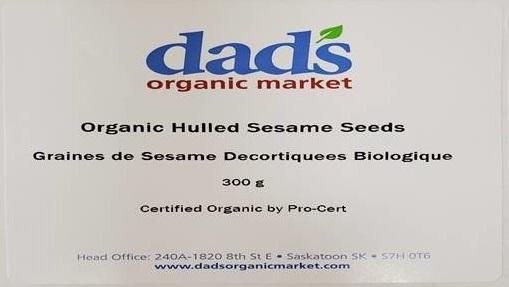
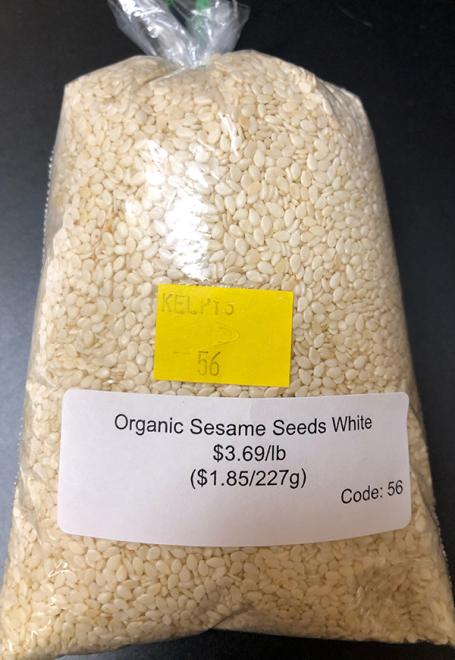
Canada – Organic sesame seeds recalled due to Salmonella

CFIA

Summary

Product
Organic sesame seeds
Issue
Food » Microbial Contamination » Salmonella
What to do

Do not consume the recalled products

Affected products

Issue

Industry is recalling Organic Sesame Seeds from the marketplace due to possible Salmonella contamination.

The recalled products have been sold in Saskatchewan and Ontario.

What you should do

  • If you think you became sick from consuming a recalled product, call your doctor
  • Check to see if you have the recalled products in your home
  • Do not consume the recalled products
  • Recalled products should be thrown out or returned to the location where they were purchased

Food contaminated with Salmonella may not look or smell spoiled but can still make you sick. Young children, pregnant women, the elderly and people with weakened immune systems may contract serious and sometimes deadly infections. Healthy people may experience short-term symptoms such as fever, headache, vomiting, nausea, abdominal cramps and diarrhea. Long-term complications may include severe arthritis.