Brand : Coppiello Giovanni srl
Name : Chicken Julienne
Reason for reporting : Remind for microbiological risk
Date of publication : 15 March 2023


Brand : Coppiello Giovanni srl
Name : Chicken Julienne
Reason for reporting : Remind for microbiological risk
Date of publication : 15 March 2023
Posted in food contamination, food handler, Food Hazard, Food Hygiene, Food Inspections, Food Micro Blog, Food Microbiology, Food Microbiology Blog, Food Microbiology Testing, Food Pathogen, Food Quality, food recall, Food Safety, Food Safety Alert, Food Safety Management, Food Safety Regulations, Food Testing, Listeria, Listeria monocytogenes
Brand : Coppiello Giovanni srl
Name : Sfilaccio di pollo
Reason for reporting : Recall for microbiological risk
Date of publication : 15 March 2023
Posted in food contamination, food handler, Food Hazard, Food Hygiene, Food Inspections, Food Micro Blog, Food Microbiology, Food Microbiology Blog, Food Microbiology Testing, Food Pathogen, Food Quality, food recall, Food Safety, Food Safety Alert, Food Safety Management, Food Safety Regulations, Food Testing, Listeria, Listeria monocytogenes
Brand : Coppiello Giovanni srl
Name : Equine Sfilaccio 100 g atm
Reason for reporting : Remind for microbiological risk
Date of publication : 15 March 2023
Documentation
Documentation
Recall model Coppiello Giovanni srl – Sfilaccio of horse 100 g atm
15-03-2023 – PDF (297.3 Kb)
Posted in food contamination, food handler, Food Hazard, Food Hygiene, Food Inspections, Food Micro Blog, Food Microbiology, Food Microbiology Blog, Food Microbiology Testing, Food Pathogen, Food Quality, food recall, Food Safety, Food Safety Alert, Food Safety Management, Food Safety Regulations, Food Testing, Listeria, Listeria monocytogenes
Brand : Coppiello Giovanni srl
Name : Equine sfilaccio 80 g (code 324154)
Reason for reporting : Reminder for microbiological risk
Date of publication : 15 March 2023
Posted in food contamination, food handler, Food Hazard, Food Hygiene, Food Inspections, Food Micro Blog, Food Microbiology, Food Microbiology Blog, Food Microbiology Testing, Food Pathogen, Food Quality, food recall, Food Safety, Food Safety Alert, Food Safety Management, Food Safety Regulations, Food Testing, Listeria monocytogenes
Brand : Coppiello Giovanni srl
Name : Sfilaccio of equine 100 g gold
Reason for reporting : Reminder for microbiological risk
Date of publication : 15 March 2023
Posted in food contamination, food handler, Food Hazard, Food Hygiene, Food Inspections, Food Micro Blog, Food Microbiology, Food Microbiology Blog, Food Microbiology Testing, Food Pathogen, Food Quality, food recall, Food Safety, Food Safety Alert, Food Safety Management, Food Safety Regulations, Listeria, Listeria monocytogenes
The Old Cheese Room is recalling Baronet, Baby Baronet and Mini Baronet Soft Cheese because Listeria monocytogenes has been found in some batches of these products.
| Baronet Soft Cheese | |
|---|---|
| Pack size | 1kg |
| Best before | 21 March 2023, 11 April 2023, 18 April 2023 |
| Baby Baronet Soft Cheese | |
|---|---|
| Pack size | 200g |
| Best before | 16 April 2023 |
| Mini Baronet Soft Cheese | |
|---|---|
| Pack size | 270g |
| Best before | 18 April 2023 |
The presence of Listeria monocytogenes in some batches of the products listed above.
Symptoms caused by this organism can be similar to flu and include high temperature, muscle ache or pain, chills, feeling or being sick and diarrhoea. However, in rare cases, the infection can be more severe, causing serious complications, such as meningitis.
Some people are more vulnerable to listeria infections, including those over 65 years of age, pregnant women and their unborn babies, babies less than one month old and people with weakened immune systems.
Posted in food contamination, food handler, Food Hazard, Food Hygiene, Food Inspections, Food Micro Blog, Food Microbiology, Food Microbiology Blog, Food Microbiology Testing, Food Pathogen, Food Quality, food recall, Food Safety, Food Safety Alert, Food Safety Management, Food Safety Regulations, Food Testing, Listeria, Listeria in Cheese, Listeria monocytogenes
Posted in Decontamination Microbial, Food Micro Blog, Food Microbiology, Food Microbiology Blog, Food Microbiology Research, Food Microbiology Testing, Food Pathogen, Fumomisins, Fumonsins, Fusarium Toxin, microbial contamination, Microbial growth, Microbiological Risk Assessment, Microbiology, Microbiology Investigations, Microbiology Risk, Pathogen, pathogenic, Salmonella
Posted in Biofilm, Decontamination Microbial, Food Micro Blog, Food Microbiology, Food Microbiology Blog, Food Microbiology Research, Food Microbiology Testing, Listeria, Listeria monocytogenes, microbial contamination, Microbial growth, Microbiological Risk Assessment, Microbiology, Microbiology Investigations, Microbiology Risk, Nisin
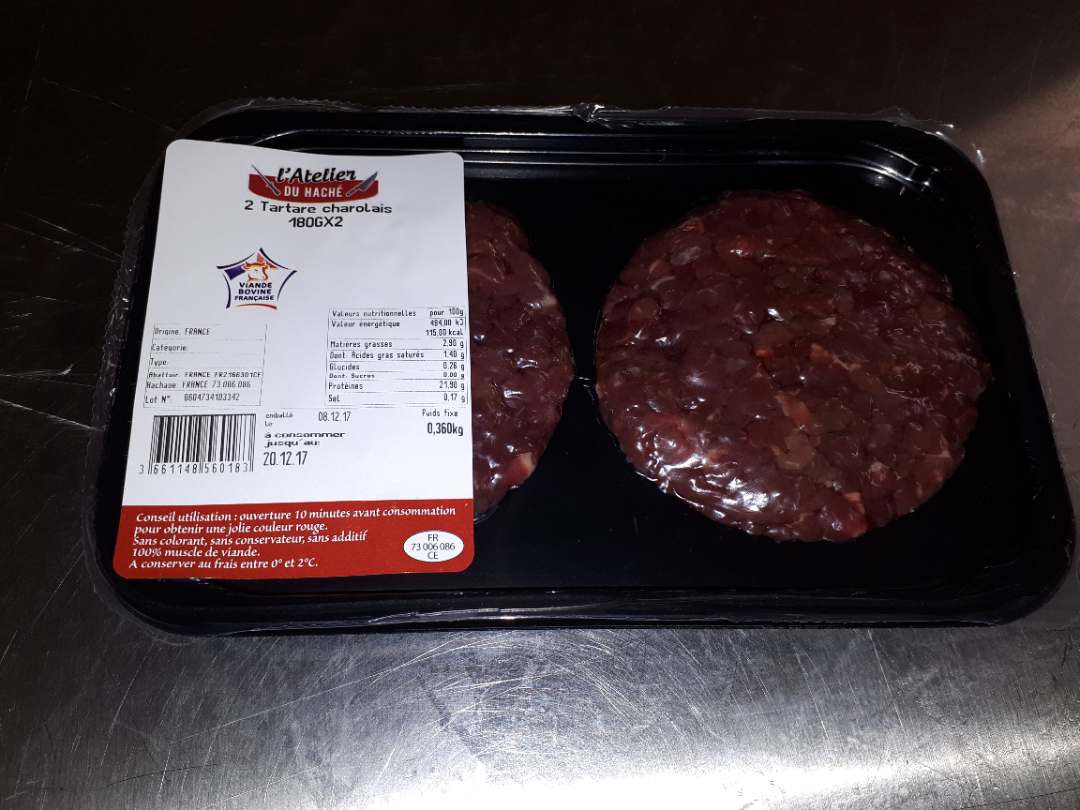
| GTIN | Batch | Date |
|---|---|---|
| 3701352514463 | 7929306203067 | Use-by date 03/18/2023 |
| 3701352514463 | 7929306203068 | Use-by date 03/19/2023 |
| 3701352514463 | 7929306203069 | Use-by date 03/20/2023 |
| 3701352520235 | 7929306203068 | Use-by date 03/15/2023 |
| 3701352520235 | 7929306203069 | Use-by date 03/16/2023 |
Posted in food contamination, food handler, Food Hazard, Food Hygiene, Food Inspections, Food Micro Blog, Food Microbiology, Food Microbiology Blog, Food Microbiology Testing, Food Pathogen, food recall, Food Safety, Food Safety Alert, Food Safety Management, Food Safety Regulations, food safety training, Food Testing, Listeria, Listeria monocytogenes
A second alert for Salmonella at an egg producer in Sweden does not appear to have resulted in more people getting sick, according to health officials.
The Public Health Agency of Sweden (Folkhälsomyndigheten) said new findings of Salmonella at the site of the same company were made in mid-February. This prompted another wave of recalls in February and March.
In late December 2022, Salmonella Enteritidis was identified at CA Cedergren, a major producer, in one of the egg-laying stables during a routine environmental sampling check. Eggs were then recalled by Coop, Axfood, ICA, Lidl, and Kronägg.
Investigations found Salmonella from the production environment in December was identical to isolates from sick people.
Posted in Decontamination Microbial, food bourne outbreak, Food Illness, Food Micro Blog, Food Microbiology, Food Microbiology Blog, Food Microbiology Testing, Foodborne Illness, foodborne outbreak, foodbourne outbreak, Illness, microbial contamination, Microbial growth, Microbiological Risk Assessment, Microbiology, Microbiology Investigations, Microbiology Risk, outbreak, Salmonella, Salmonella in Eggs


