UK – ‘Don’t take the risk’: The FSA, FSS and UKHSA issue reminder that a range of Kinder egg products and Schoko-Bon’s should not be eaten this Easter weekend

FSA

The agencies are continuing to work with Public Health Scotland, Public Health Wales, Public Health Agency Northern Ireland – as well as international public health and food safety authorities – to investigate an ongoing outbreak of Salmonella linked to certain Kinder egg product ranges and Schoko-Bons produced at one of the Ferrero company’s factories, in Arlon, Belgium.

Full details on the products affected and the recall can be found here (Opens in a new window).

Kinder product recall items

As of 15 April, there are 70 cases linked to this outbreak in the UK. The majority of the cases are in children under 5 years of age.

Emily Miles, Chief Executive of the Food Standards Agency said:

“As we go into the Easter weekend, we are strongly urging consumers to follow the advice in the latest recall notice and to check any Kinder products they might have already bought against the list detailed in the notice, as they may pose a risk to health. If they do have any products on the list, they should not eat them and should discard them immediately.

“We have emphasised to the business and the authorities in Belgium the importance of taking a precautionary approach to their recall and trust that they will continue to put consumers’ needs first in any action they take.”

Dame Jenny Harries, Chief Executive of the UK Health Security Agency (UKHSA), said:

“We’re reminding people of the recall this Bank Holiday weekend as it’s possible these products have been bought and stored as gifts, or for events such as Easter trails.

“It’s crucial these products are not eaten and are discarded. Salmonella infection can be severe and many children affected in this outbreak have been very unwell and hospitalised, so anyone giving chocolate products to friends or family should take extra care to ensure their Easter gifts are not amongst those products recalled.

“Thank you to parents and guardians  who worked with us and other public health authorities in the UK to tell us what their children had eaten prior to becoming unwell – this allowed us to rapidly pinpoint a potential source of infection and helped food chain investigations both in this country and in Europe. We understand this has been a worrying time for these families, and their responses have helped to prevent more children and vulnerable adults being affected.”

Symptoms of salmonellosis – or infection with salmonella – typically resolve themselves within a few days. However, symptoms can be more severe, especially in young children, those who are pregnant and those with weakened immune systems.

Anybody with concerns that they have symptoms of salmonellosis should contact their GP or call NHS 111. Salmonella can be spread from person to person as well as from food, so anyone affected should adhere to good hygiene practices, such as washing hands thoroughly after using the bathroom and avoiding handling food for others where possible, if you have symptoms.

Notes to Editors:

The following products have been recalled and regardless of best-before date, should not be eaten.

The recall includes:

Kinder Surprise 20g & 3x 20g

Kinder Surprise 100g

Kinder Egg Hunt

Kinder Mini Eggs

Kinder Schoko-Bons
Holidays

Hi All,

I am back from holiday now and after a lovely trip to the USA I will be wading through the issues of the last couple of weeks and posting as much as I can.

Keith

USA – Food Safety Microsite

CDC

Food Poisoning Basics

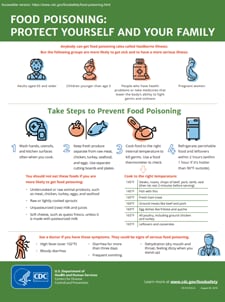
Learn about the causes, signs, and symptoms of food poisoning and tips for how to prevent yourself and your family from getting sick.

Screenshot of PDF for how to protect yourself and your family from food poisoning

WHO -CODEX COMMITTEE ON FOOD HYGIENE – DRAFT GUIDANCE FOR THE MANAGEMENT OF BIOLOGICAL FOODBORNE OUTBREAKS

FAO

INTRODUCTION
1.Foodborne illnesses encompass a wide spectrum of illnesses and are an important public health problem. They are the result of ingestion of foodstuffs contaminated with biological hazards (biological foodborne illness) or chemicals (chemical foodborne illness). The contamination of food may occur at any stage in the process from primary production through to consumption and can result from the presence of zoonotic agents in animal production or from handlers, environmental contamination, via equipment, water, soil or air.
2.Biological foodborne illness usually takes the form of gastrointestinal symptoms; however, such illnesses can also have neurological, gynecological, immunological and other symptoms. The symptoms can be mild with recovery within days or have severe consequences for the individuals due to long-term sequelae with serious health effects or even death.
3.Biological foodborne outbreaks can have significant socio-economic costs, which may be exacerbated in populations comprised of vulnerable groups, related to hospitalization and medical treatment, lost productivity and effects on tourism. For food businesses, the consequences can be lost markets, loss of consumer confidence, litigation and company closures. Such foodborne outbreaks can cause impediments to domestic production and international trade. Globalization of the food supply has led to the rapid and widespread international distribution of foods, further increasing opportunities for pathogens being inadvertently introduced into many geographical areas.
4.Codex Alimentarius has issued several guidelines for food businesses and competent authorities on hygienic practices to ensure food safety. Those guidelines focus on prevention, monitoring and corrective actions in case of deviations along the production processes. Despite efforts to ensure a high level of hygiene, foodborne outbreaks still occur.
5.In order to handle biological foodborne outbreaks efficiently, local and national multiagency networks of preparedness should be in place. To facilitate a common understanding and a consistent approach to these situations such networks should use comparable methods and interpretations to the extent possible, as well as transparent exchange of information. Cooperation through international networks is essential and should be a feature of any national network.
6.Communication and data sharing between and among networks, food business operators and internationally is fundamental for the management of foodborne outbreaks. Existing procedures on confidentiality should be used or, if not present, procedures should be developed.
7.The principles for risk analysis including risk assessment, risk management and risk communication, as described in the Codex Working Principles for Risk Analysis for Food Safety for Application by Governments(CXG 62-2007) should form the framework/basis for the establishment of a system for preparedness and management of foodborne outbreaks. The risk management measures chosen will vary according to the situation and the regulatory framework of the competent authorities.
8.Within the available analytical methods, molecular methods often best contribute to the detection of clusters of human cases and allow them to be linked to the food source when used in conjunction with epidemiological analysis. They also help to better identify batches/lots of food involved and the root cause; hence reducing the exposure of humans to hazards. In particular, the use of specific genetic methods (e.g. Pulsed-Field Gel Electrophoresis (PFGE), Whole Genome Sequencing (WGS) and Multilocus Sequence Typing (MLST)) can result in improved detection of outbreaks, including detection of associated or linked cases, when the country has the adequate resources to perform it. The increase in the use of these methods will likely lead to the detection of more outbreaks and the need for enhanced preparedness.
9.The decision to categorize an outbreak as an incident, an emergency or crisis is at the discretion of the competent authorities which should be consistent at the local and national level. The following factors may be used by the competent authorities to categorize the outbreak and to develop and adapt response plans.
The number of cases, the geographic spread of the outbreak, and whether the outbreak is ongoing,. The disease severity and its consequences, including the number of deaths and treatment options available.
The population affected, e.g. more vulnerable groups.
The pathogenicity (virulence / infectivity) of the microorganism.
The source of contamination and the history of the establishment and business.
The distribution pattern, whether the contaminated food is still available for sale or consumption, the volumes of the food and national and international trade implications.
Consumer perception (e.g. referring to an outbreak as a “crisis”) can affect the consumer confidence in a product or food category clearly not belonging to the consignment implicated.
The need to remove or reduce risk to consumers through public health action such as product recall risk communication including media alerts.
Likely exposure and consumption patterns
Whether or not the outbreak was intentional (e.g. the consequence of fraud or bioterrorism).
Whether the hazard is known or unknown.
The capacity of the country to quickly react and limit the extent of the outbreak

Research – Harmless or deadly? New study examines evolution of E. coli

UTS

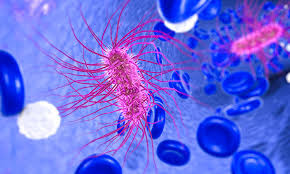
A new study, published in Nature Communications, suggests genetic material from E. coli bacteria in farm animals could be contributing to the evolution of deadly strains of E. coli in humans.

Genetic material from E. coli bacteria in farm animals could be contributing to the evolution of deadly pandemic strains of E. coli in humans, new research shows.

E. coli usually live as harmless bacteria in the gastrointestinal tracts of birds and mammals, including humans. They also reside, independent of a host, in environments such as water and soil, and in food products including chicken and turkey meat, raw milk, beef, pork and mixed salad.

These bacteria can cause disease if they possess or acquire factors that allow them survive in areas of the human body outside the gut.

E. coli is the primary source of urinary tract infections, a common reason for hospital admissions. It can also lead to sepsis, which kills 11 million people globally each year, and meningitis, an infection that affects the brain and spinal cord.

Dr Cameron Reid, from the University of Technology Sydney, said the aim of the study, recently published in Nature Communications, was to better understand the evolution and genomic characteristics of an emerging strain of E. coli known as ST58.

Research – Biofilm Formation by Pathogenic Bacteria: Applying a Staphylococcus aureus Model to Appraise Potential Targets for Therapeutic Intervention

MDPI

Staphylococcus

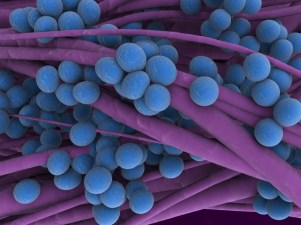
Carried in the nasal passages by up to 30% of humans, Staphylococcus aureus is recognized to be a successful opportunistic pathogen. It is a frequent cause of infections of the upper respiratory tract, including sinusitis, and of the skin, typically abscesses, as well as of food poisoning and medical device contamination. The antimicrobial resistance of such, often chronic, health conditions is underpinned by the unique structure of bacterial biofilm, which is the focus of increasing research to try to overcome this serious public health challenge. Due to the protective barrier of an exopolysaccharide matrix, bacteria that are embedded within biofilm are highly resistant both to an infected individual’s immune response and to any treating antibiotics. An in-depth appraisal of the stepwise progression of biofilm formation by S. aureus, used as a model infection for all cases of bacterial antibiotic resistance, has enhanced understanding of this complicated microscopic structure and served to highlight possible intervention targets for both patient cure and community infection control. While antibiotic therapy offers a practical means of treatment and prevention, the most favorable results are achieved in combination with other methods. This review provides an overview of S. aureus biofilm development, outlines the current range of anti-biofilm agents that are used against each stage and summarizes their relative merits. View Full-Text

Research – Safety and Quality of Canned Sardines after Opening: A Shelf-Stability Study

MDPI

This study aimed to define the shelf life of canned sardines after opening to increase consumer awareness of their quality and safety and reduce food waste. For this purpose, canned sardines (Sardina pilchardus) packed with different sauces were opened and stored at 4 °C for 7 days. Microbiological, sensorial, physical and chemical stability was monitored daily by standard methodologies. Results show that the overall quality and safety are highly dependent on the sauce type. To preserve their full quality, sardines in brine and in vegetable oil should be consumed up to 1 day after opening, while sardines in tomato sauce were stable for up to 3 days, although none were considered nonedible up to the 7th day. Many parameters demonstrated statistical differences and correlations with storage, although they were not as decisive as sensory evaluation. This integrated approach should be adopted by the food industry and regulating authorities to provide information to consumers regarding the quality and safety of handled goods. View Full-Text

Research – Food Poisoning While Breastfeeding – What you need to know.

Food Poisoning News

Food poisoning can be a scary prospect, especially for breastfeeding mothers. But with a little knowledge, you can keep yourself and your baby safe. It is a common illness that can affect anyone. If you are breastfeeding and experience food poisoning, it is important to know what to do to protect your baby.

You can continue breastfeeding if you have food poisoning. In fact, the Centers for Disease Control and Prevention (CDC) even recommends that you continue breastfeeding if you have food poisoning.

The reason is that most germs that cause food poisoning are not passed from mother to baby through breast milk. If you are feeling ill, be sure to drink plenty of fluids (rehydration solutions like Pedialyte are best) so that you don’t get dehydrated. Dehydration can make you feel worse and can make it harder for your body to fight off any infection.

USA – How to Report Seafood-Related Toxin and Scombrotoxin Fish Poisoning Illnesses

FDA

To help FDA effectively investigate, remove unsafe seafood products from the market, and develop new prevention strategies, the FDA relies on illness reporting from public health officials and healthcare providers. While most foodborne outbreaks are tracked through the FDA’s Coordinated Outbreak Response and Evaluation (CORE) network, seafood-related illnesses caused by natural toxins have a unique reporting mechanism. This web page provides information on commonly occurring seafood-related illnesses and how to report them to the FDA.  To report an illness from raw bivalve molluscan shellfish, email the FDA at shellfishepi@fda.hhs.gov.

The FDA receives reports of illnesses associated with the consumption of specific types of fish. These illnesses may originate from the activity of certain bacteria, toxins produced by marine algae, or hazards inherent in the fish.

Commonly occurring illness:

Illness and reporting information for the commonly occurring illnesses are provided in each section. Contact the FDA with any questions or need for clarification of the illness or reporting.

In addition to the illnesses listed above, reporting of other less frequently occurring illnesses from natural toxins may be accomplished by emailing the FDA at Seafood.Illness@fda.hhs.gov.  Refer to Chapter 6 of the “Fish and Fishery Products Hazards and Controls Guidance” for a comprehensive list of natural toxin illnesses. To report illnesses related to miscellaneous natural toxin illnesses, please email FDA at Seafood.Illness@fda.hhs.gov.

The FDA works with first responders, physicians, and state and local health departments to investigate illnesses and outbreaks, manage them, and learn how to lessen future occurrences.

Research – A Multi-Skilled Mathematical Model of Bacterial Attachment in Initiation of Biofilms

MDPI

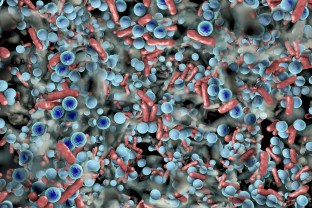
Biofilm of antibiotic resistant bacteria

The initial step of biofilm formation is bacteria attachment to biotic or abiotic surfaces and other bacteria through intra or interspecies interactions. Adhesion can be influenced by physicochemical conditions of the environment, such as iron. There is no available mathematical model of bacterial attachment giving realistic initiation rather than random adhesion. We describe a simple stochastic attachment model, from the simplest case in two dimensions with one bacterial species attaching on a homogeneous flat surface to more complex situations, with either several bacterial species, inhomogeneous or non-flat surfaces, or in three dimensions. The model depends on attachment probabilities (on the surface, laterally, or vertically on bacteria). Effects of each of these parameters were analyzed. This mathematical model is then applied to experimental oral microcolonies of Porphyromonas gingivalis, Streptococcus gordonii, and Treponema denticola, either as mono-, two, or three species, under different iron concentrations. The model allows to characterize the adhesion of three bacterial species and explore the effect of iron on attachment. This model appears as a powerful tool for initial attachment analysis of bacterial species. It will enable further modeling of biofilm formation in later steps with biofilm initialization more relevant to real-life subgingival biofilms. View Full-Text