Category Archives: STEC

USA – Meadow View Jerseys Raw Milk Recalled in PA For STEC E. coli

Food Poisoning Bulletin

Meadow View Jerseys raw milk is being recalled in Pennsylvania for Shiga toxin-producing E. coli (STEC), according to the Pennsylvania Department of Agriculture. The raw milk was sold between August 5 and August 12, 2024 and has a sell by date of August 19, 2024. Routine testing for pathogens confirmed that the milk was contaminated. The recall notice did not mention whether or not any illnesses have been reported to date.

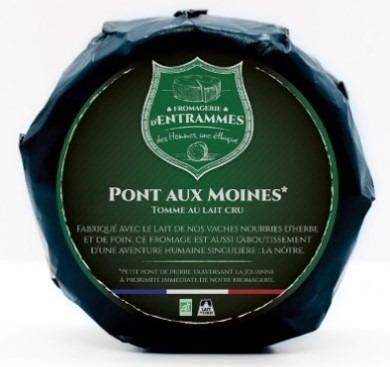
France – Uncooked pressed cheeses – Listeria monocytogenes – STEC E.coli – Staphylococcus aureus

Gov France

Product Category
Food
Product subcategory
Milk and dairy products
Product brand name
Entrammes Cheese Factory
Model names or references
All references
Product identification
GTIN Batch Date
3760205423178 All lots Minimum durability date 09/20/2024
Storage temperature
Product to be kept in the refrigerator
Health mark
FR 53.094.002 CE
Geographic area of ​​sale
Whole France
Distributors
Carrefour, Biocoop, Intermarché

France – Cheese – Buche Faisselle Assortments – STEC E.coli

Gov France

Product Category
Food
Product subcategory
Milk and dairy products
Product brand name
Unbranded
Model names or references
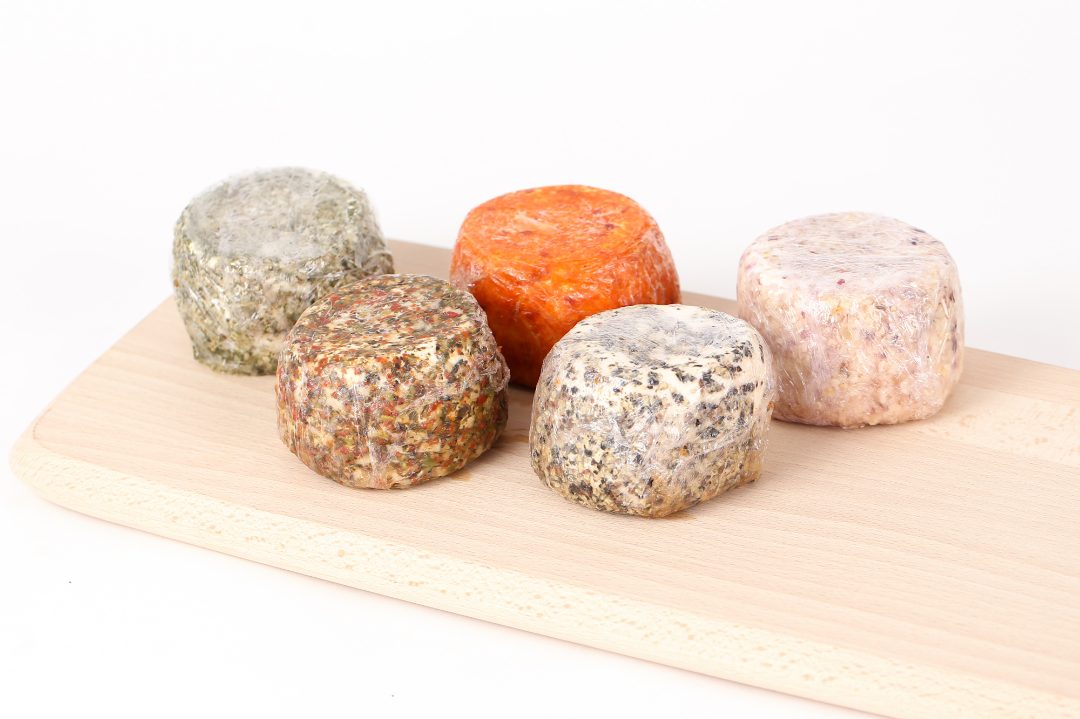
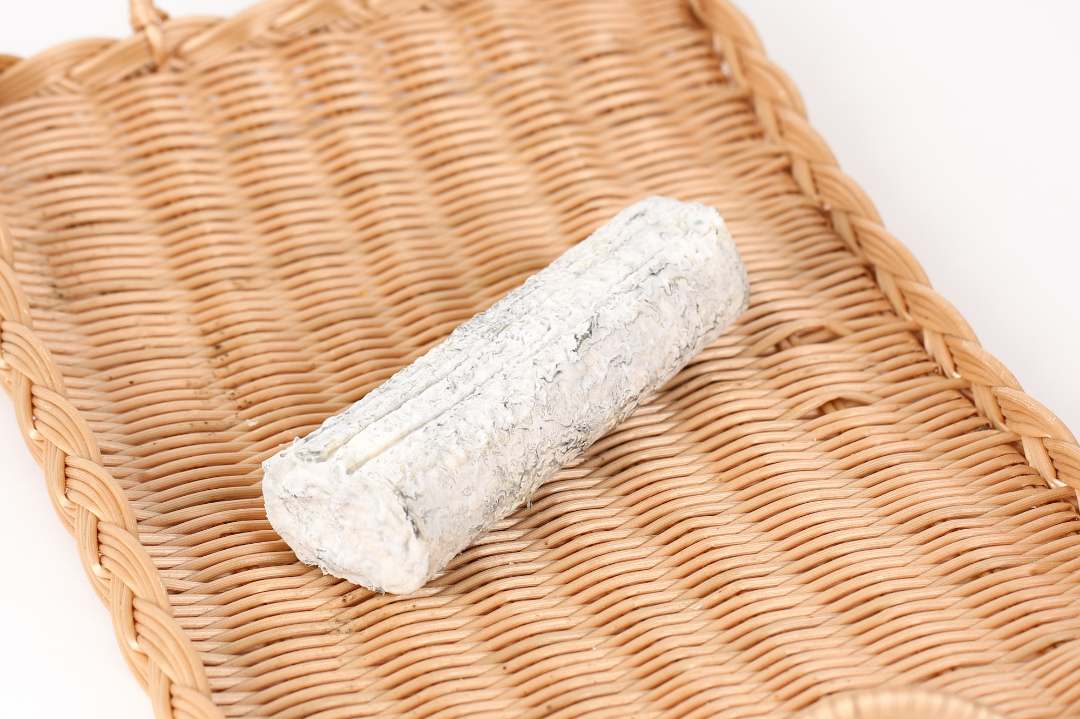
Dairy products sold on our farm Log 320gr Faisselle 400gr Assortments 5 crottins of 180gr each.
Product identification
Batch
30/06
2/07
7/07
16/07
23/07
28/07
Packaging
wrapping paper and plastic pot
Start/End of marketing date
From 06/30/2024 to 08/05/2024
Storage temperature
Product to be kept in the refrigerator
Additional information
All cheese products
Geographic area of ​​sale
Departments: INDRE-ET-LOIRE (37)
Distributors
Restaurant and 2 grocery stores Municipalities: 37190/37510/37000/37130

Research – A Health Threat from Farm to Fork: Shiga Toxin-Producing Escherichia coli Co-Harbouring blaNDM-1 and mcr-1 in Various Sources of the Food Supply Chain

MDPI

Abstract

The dissemination of resistant pathogens through food supply chains poses a significant public health risk, spanning from farm to fork. This study analyzed the distribution of Shiga toxin-producing Escherichia coli (STEC) across various sources within the animal-based food supply chain. A total of 500 samples were collected from livestock, poultry, the environment, fisheries, and dairy. Standard microbiological procedures were employed to isolate and identify E. coli isolates, which were further confirmed using MALDI-TOF and virulence-associated genes (VAGs) such as stx1, stx2, ompT, hylF, iutA, fimH, and iss. The phenotypic resistance patterns of the isolates were determined using the disc diffusion method, followed by molecular identification of antibiotic resistance genes (ARGs) through PCR. STEC were subjected to PCR-based O typing using specific primers for different O types. Overall, 154 (30.5%) samples were confirmed as E. coli, of which 77 (50%) were multidrug-resistant (MDR) E. coli. Among these, 52 (67.53%) isolates exhibited an array of VAGs, and 21 (40.38%) were confirmed as STEC based on the presence of stx1 and stx2. Additionally, 12 out of 52 (23.07%) isolates were identified as non-O157 STEC co-harbouring mcr-1 and blaNDM-1. O26 STEC was found to be the most prevalent among the non-O157 types. The results suggest that the detection of STEC in food supply chains may lead to serious health consequences, particularly in developing countries with limited healthcare resources.

USA – STEC E. coli O21 Outbreak Associated With Wonder Coffee Bar in Seattle

Food Poisoning Bulletin

An E. coli O121 outbreak associated with the Wonder Coffee and Sports Bar in Seattle has been reported by Public Health – Seattle & King County. There are two people who are sick. The investigation is ongoing.

Research – Italy records almost 70 HUS cases in 12 months

Food Safety News

Almost 70 cases of a serious condition that develops after an E. coli infection have been reported in the past year in Italy.

Hemolytic uremic syndrome (HUS) is a severe complication associated with E. coli infections that causes kidney failure.

Italian data shows that between July 1, 2023 and June 30, 2024, 68 cases of HUS were recorded.

Research – The microbiological quality of flour products in the UK with respect to Salmonella and Shiga-toxin-producing Escherichia coli

Applied Microbiology

Abstract

Aim

To investigate the possible contamination of raw flour and raw flour-based products, such as pancake/batter mixes, with Salmonella, generic Escherichia coli, and Shiga-toxin-producing E. coli (STEC). Samples included flours available for sale in the UK over a period of four months (January to April 2020). The Bread and Flour regulations, 1998 state the permitted ingredients in flour and bread but it does not specify the regular monitoring of the microbiological quality of flour and flour-based products.

Methods and results

Samples of raw flour were collected by local authority sampling officers in accordance with current guidance on microbiological food sampling then transported to the laboratory for examination. Microbiological testing was performed to detect Salmonella spp., generic E. coli, and STEC characterized for the presence of STEC virulence genes: stx1, stx2, and subtypes, eae, ipah, aggR, lt, sth, and stp, using molecular methods Polymerase Chain Reaction (PCR). Of the 882 flours sampled, the incidence of Salmonella was 0.1% (a single positive sample that contained multiple ingredients such as flour, dried egg, and dried milk, milled in the UK), and 68 samples (7.7%) contained generic E. coli at a level of >20 CFU/g. Molecular characterization of flour samples revealed the presence of the Shiga-toxin (stx) gene in 10 samples (5 imported and 5 from the UK) (1.1%), from which STEC was isolated from 7 samples (0.8%). Salmonella and STEC isolates were sequenced to provide further characterization of genotypes and to compare to sequences of human clinical isolates held in the UKHSA archive. Using our interpretive criteria based on genetic similarity, none of the STEC flour isolates correlated with previously observed human cases, while the singular Salmonella serotype Newport isolate from the mixed ingredient product was similar to a human case in 2019, from the UK, of S. Newport. Although there have been no reported human cases of STEC matching the isolates from these flour samples, some of the same serotypes and stx subtypes detected are known to have caused illness in other contexts.

Conclusion

Results indicate that while the incidence was low, there is a potential for the presence of Salmonella and STEC in flour, and a genetic link was demonstrated between a Salmonella isolate from a flour-based product and a human case of salmonellosis.

USA – Lower Valley Processing recalls beef due to E. coli O157:H7

Food Poison Journal

Lower Valley Processing, Official Establishment No. 007 located in Kalispell, Montana, has voluntarily recalled all non-intact, raw products (e.g., ground meat products) produced from animals slaughtered on June 5, 2024, because they may be adulterated with Escherichia coli 0157:H7, the Montana Department of Livestock announced today. Potentially affected products were labeled with “Lower Valley Processing, Co.”, establishment number “EST. 007” inside the Montana mark of inspection on the product labels, and lot numbers 1398, 1399, and 1400. The source of the E. coli contamination has not been identified.

Research – Shiga Toxin-Producing Escherichia coli Strains from Romania: A Whole Genome-Based Description

MDPI

Abstract

The zoonotic Shiga toxin-producing Escherichia coli (STEC) group is unanimously regarded as exceptionally hazardous for humans. This study aimed to provide a genomic perspective on the STEC recovered sporadically from humans and have a foundation of internationally comparable data. Fifty clinical STEC isolates, representing the culture-confirmed infections reported by the STEC Reference Laboratory between 2016 and 2023, were subjected to whole-genome sequencing (WGS) analysis and sequences were interpreted using both commercial and public free bioinformatics tools. The WGS analysis revealed a genetically diverse population of STEC dominated by non-O157 serogroups commonly reported in human STEC infections in the European Union. The O26:H11 strains of ST21 lineage played a major role in the clinical disease resulting in hospitalisation and cases of paediatric HUS in Romania surpassing the O157:H7 strains. The latter were all clade 7 and mostly ST1804. Notably, among the Romanian isolates was a stx2a-harbouring cryptic clade I strain associated with a HUS case, stx2f– and stx2e-positive strains, and hybrid strains displaying a mixture of intestinal and extra intestinal virulence genes were found. As a clearer picture emerges of the STEC strains responsible for infections in Romania, further surveillance efforts are needed to uncover their prevalence, sources, and reservoirs.

Research – Foodborne bacteria in milk and milk products along the water buffalo milk chain in Bangladesh

Nature

Abstract

Controlling foodborne pathogens in buffalo milk is crucial for ensuring food safety. This study estimated the prevalence of nine target genes representing seven critical foodborne bacteria in milk and milk products, and identified factors associated with their presence in buffalo milk chain nodes in Bangladesh. One hundred and forty-three milk samples from bulk tank milk (n = 34), middlemen (n = 37), milk collection centers (n = 37), and milk product shops (n = 35) were collected and analyzed using RT-PCR. Escherichia (E.) coli, represented through yccT genes, was the most prevalent throughout the milk chain (81–97%). Chi-squared tests were performed to identify the potential risk factors associated with the presence of foodborne bacteria encoded for different genes. At the middleman level, the prevalence of E. coli was associated with the Mymensingh, Noakhali, and Bhola districts (P = 0.01). The prevalence of Listeria monocytogenes, represented through inlA genes, and Yersinia (Y.) enterocolitica, represented through yst genes, were the highest at the farm level (65–79%). The prevalence of both bacteria in bulk milk was associated with the Noakhali and Bhola districts (P < 0.05). The prevalence of Y. enterocolitica in bulk milk was also associated with late autumn and spring (P = 0.01) and was higher in buffalo-cow mixed milk than in pure buffalo milk at the milk collection center level (P < 0.01). The gene stx2 encoding for Shiga toxin-producing (STEC) E. coli was detected in 74% of the milk products. At the middleman level, the prevalence of STEC E. coli was associated with the use of cloths or tissues when drying milk containers (P = 0.01). Salmonella enterica, represented through the presence of invA gene, was most commonly detected (14%) at the milk collection center. The use of plastic milk containers was associated with a higher prevalence of Staphylococcus aureus, represented through htrA genes, at milk product shops (P < 0.05). These results suggest that raw milk consumers in Bangladesh are at risk if they purchase and consume unpasteurized milk.