Category Archives: Staphylococcus aureus

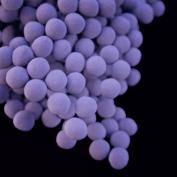
Viet Nam – Bacterium Staphylococcus causes 42 percent of food poisoning

SGGP News

Staph


According to the Department of Food Safety in Ho Chi Minh City’s statistics, the bacterium Staphylococcus aureus (Staph) has caused 14 food poisoning cases accounting for 42 percent from 2010 to November, 2018.

The statistics showed that there has been 54 cases of food poisoning cases in the time.
Of these cases, 33 cases of food poisoning are caused by the organisms making up 61 percent, 14 cases are caused by toxic substances, two cases by chemicals accounting for 4 percent and two cases unverified equal to 4 percent.
People and animals have Staph on their skin and in their nose. Staph food poisoning is characterized by a sudden start of nausea, vomiting, and stomach cramps. Most people also have diarrhea. Symptoms usually develop within 30 minutes to 8 hours after eating or drinking an item containing Staph toxin,
To prevent food poisoning by the bacterium Staphylococcus aureus, the Department of Food Safety warned people with rhinitis or spots touch food materials.
Moreover, people should eat well-done food and drink boiled water; peel fruits before having and wash hand before and after toilets.

Vietnam – Food safety still a problem in school canteens

Vietnamnet

VietNamNet Bridge – Several food poisoning cases reported at public canteens, including a number in schools, across the country in recent months have raised concerns among parents and the public about food safety.

In the latest incident, hundreds of students at Xuan Non Kindergarten in Dong Anh District suffered food poisoning after attending a party at their school on November 14.

Days later, nearly 200 students were taken to local medical facilities for emergency treatment after experiencing stomach aches, headaches, vomiting and high fevers.

One of 13 food samples tested positive for Salmonella type 2 – a bacteria that causes intestinal infection, fever, abdominal pain and diarrhoea.

In October, more than 300 students from Dinh Tien Hoang Primary School in Ninh Binh Province also suffered food poisoning.

Health authorities confirmed that bacteria was to blame for the mass poisoning that affected hundreds of children at the schools after they ate chicken floss.

The samples taken from the food and victims’ vomit tested positive for microbes and bacteria, according to Dr Cao Van Trung, deputy director of the Food Poisoning Supervision Office at the Food Safety Department.

Results of the investigation showed the samples contained Staphylococcus aureus, also known as golden staph, or a type of bacteria frequently found in the nose, along the respiratory tract, and on the skin in humans. It is a common cause of skin infections including abscesses, respiratory infections, and food poisoning.

Research – An assessment of the microbial quality of “döner kebab” during cold storage: Effects of different packaging methods and microwave heating before consumption

Wiley Online Library

Abstract

In the current study, döner kebabs packed with different packaging methods (air packaging [AP], modified atmosphere packaging [MAP], vacuum packaging [VP] and sous vide packaging [SVP]) were evaluated for their microbial quality during storage at 4 °C. In addition, the effect of microwave heating before consumption on the microbial quality of döner kebabs was also investigated. Total mesophilic aerobic bacteria and total psycrophilic aerobic bacteria counts of döner kebabs increased during storage and reached to 6.48, 8.27, 8.15, 3.96 and 5.58, 8.53, 8.63, <1.00 log cfu/g in AP (9th day), MAP (29th day), VP (29th day) and SVP (99th day) groups, respectively. Although coliform, Escherichia coli and Staphylococcus aureus counts of döner kebabs were below 3 MPN/g, 3 MPN/g, 2 log cfu/g in all groups, respectively; no Clostridium perfringens and Listeria monocytogenes was detected in any of the groups during storage. Microwave heating was found effective on reducing the microbial load of döner kebabs. It was concluded that without any additional preservation techniques, the SVP prolonged the shelf life of döner kebabs more than 20, 6, and 5 times comparing to AP, MAP, and VP groups, respectively.

Practical applications

Döner kebab is a meat product which is very convenient for microbial growth due to its nutritional and chemical composition. Döner kebab that cannot be sold immediately after production causes high economic losses since the shelf life of döner kebab is very short after cooking. Therefore, it requires additional preservation techniques in order to prevent the economic losses after cooking and to have the opportunity of secure serving of it where döner kebab oven is not present. In the current study, sous vide (SV) applied döner kebabs protected their microbiological quality at least 100 days at 4 °C without any additional preservation techniques and application of SV after cooking provided döner kebabs with a longer shelf life comparing to air packaging, modified atmosphere packaging and vacuum packaging methods. Besides, microwave heating was applied to döner kebabs in order to simulate the conditions of consumption. Microwave heating before consumption significantly reduced the microbial load of döner kebabs.

Research – Migratory birds along the Mediterranean – Black Sea Flyway as carriers of zoonotic pathogens

NRC

At the crossroad between Europe, Asia, and Africa, Bulgaria is part of the Mediterranean – Black Sea Flyway (MBSF) used by millions of migratory birds. In this study, bird species migrating through Bulgaria were investigated as carriers of zoonotic pathogens. In total, 706 birds belonging to 46 species were checked for the presence of various bacterial pathogens (Campylobacter, Yersinia, Salmonella, Listeria, Escherichia coli, Staphylococcus aureus, Francisella tularensis, Coxiella burnetii, Borrelia burgdorferi, and Brucella spp.). From 673 birds we investigated fecal samples, from the remaining 33, blood samples. We detected Campylobacter 16S rDNA gene in 1.3% of birds, but none were of pathogenic Campylobacter jejuni and Campylobacter coli species. Escherichia coli 16S rDNA gene was found in 8.8% of the birds. Out of 34 birds that transported Yersinia enterocolitica strains (5.05%), only 1 carried a pathogenic isolate. Three birds (0.4%) were carriers of nonpathogenic Salmonella strains. Four avian samples (0.6%) were positive for Listeria monocytogenes and 1 (0.15%) was positive for Brucella spp. None of the birds tested carried the tick-borne pathogens C. burnetii or B. burgdorferi sensu lato. Antibiotic-resistant strains were detected, suggesting that migratory birds could be reservoirs and spreaders of bacterial pathogens as well as antibiotic resistance genes.

RASFF Alert- STEC E.coli – E.coli – Staphylococcus aureus – Raw Milk Soft Cheese

RASFF-Logo

RASFF -shigatoxin-producing Escherichia coli (stx1+; stx2+; aea+) and Staphylococcus aureus (47000 CFU/g) and high count of Escherichia coli (60000 CFU/g) in soft cheese made from raw milk from France

Research -Research reveals probiotic’s potential against Staphylococcus

CIDRAP 


New research from the National Institute of Allergy and Infectious Diseases (NIAID) indicates a type of bacteria that’s commonly used in many probiotic nutritional supplements helps eliminate Staphylococcus aureus in the gut.

In a study published yesterday in Nature, scientists from NIAID, along with colleagues in Thailand, found that among a group of volunteers from rural Thailand, individuals with Bacillus bacteria in their gut had no S aureus bacteria in their intestines or their nasal passages. Lab experiments conducted on Bacillus revealed that the bacteria prevent S aureus colonization by secreting a substance that interferes with cellular communication and the regulation of gene expression in the pathogen.

The scientists suggest the surprising findings open the door for exploring the potential of using Bacillus as a tool to decolonize patients found to carry S aureus in their nose or their intestines, which can increase the risk for developing dangerous Staph infections. Although nasal or intestinal carriage of S aureus bacteria is not harmful on its own, S aureus infections, particularly those caused by methicillin-resistant S aureus (MRSA), can be severe and sometimes fatal.


Research – Microbiological risk assessment and simple cost‐effective ways to reduce the risk in bulk food bags manufacturing company

Wiley Online Library

Abstract

This study was conducted to evaluate the microbial risk associated in bulk food bags manufacturing facilities and its cost‐effective way to minimize the risk. Swab samples from each step of manufacturing process was collected and microbiological analysis was done. Results showed that the bulk food bags manufacturing process was grossly contaminated with multiple types of bacteria. Moderate number of total aerobic bacteria (≤3.68 log cfu/unit), coliform (≤3.63 log cfu/unit), fecal coliform (1.0–1.25 log cfu/unit), Staphylococcus spp. count (≤3.6 log cfu/unit) was recorded in worker’s hand gloves and different sections of the whole production facility. Although no Escherichia coli or Salmonella spp. was detected, enrichment culture study detected Streptococcus spp., and fecal Streptococcus spp. in some swabs and hand gloves samples. Other than UV treatment alone, washing the hand gloves with calcinated calcium (CCa; 0.02%) followed by drying under UV light, and UV light in finished product storage room, and sanitizing the floor surfaces with 0.02% CCa, was able to significantly reduce (1.0–3.68 log cfu/unit) or eliminate the bacterial contaminants from hand gloves, finished products, and floor surfaces. This simple treatment was seen to minimize the risks of microbial contamination in the bulk food bags manufacturing facilities.

Practical applications

Flexible intermediate bulk containers (FIBCs) are used by various industrial sectors like agriculture, chemicals, and pharmaceutical, but one of the largest users of FIBC bags is the food industry. Transporting and storing food is tougher to do than any other product. The food companies are constantly in search of ways to maximize profits while cutting costs and conserving space. FIBC bags have helped thousands of businesses around the world to achieve this goal. On the other hand, reducing risks from microbial contamination is an essential part of every food manufacturer’s responsibility to protect both its customers and its business. The cost‐effective and simple methods described in this study will be applicable in the bulk food bags manufacturing facilities worldwide to ensure the quality and safety of the food.

Research – Dog owners face higher risk of E. coli, salmonella; bugs thrive in pets’ water bowls

Deccan Chronicle

It turns out that dogs, apart from giving owners love and companionship can also give them a host of diseases.

Scientists have discovered their water bowls can harbour life-threatening bacteria, including E. coli, salmonella and MRSA.

Scientists say they have clear evidence to show dog water bowls can pose rosk of infection to both humans and their pets.

The research, conducted at the Hartpury University, tested three types of bowls as they wanted to know how much the build-up of bacteria could be affected by the material a bowl is made from, and how often it is cleaned.

Results revealed dangerous bacteria was most likely to thrive in plastic bowls, with the cheap containers harbouring the highest quantities of bugs.

However, the most harmful bacteria species, including strains of E. coli and MRSA, were most frequently found in ceramic bowls. Stainless steel bowls were also tested.

The study, presented at the 69th annual meeting of the European Federation of Animal Science at Dubrovnik in Croatia last month, also found the longer dog bowls are used, the greater quantity and species of bacteria that are present.

Animal scientists, led by Coralie Wright, have now called for stricter cleaning regimes of water bowls, to minimise the risk of spreading any killer bugs.

Research – Antibacterial effects of Schisandra chinensis extract on Staphylococcus aureus and its application in food

Wiley Online Staph

Abstract

Schisandra chinensis (Turcz.) Baill is a member of the Magnoliaceae and is used in traditional medicine. Its extracts have antibacterial activity against foodborne pathogens. In present study, the antibacterial properties of Sc. chinensis were tested on S.aureus. An in vitro antibacterial assay showed that Sc. chinensis extracts (SCE) inhibited the growth of test bacteria at a MBC of 18mg mL−1. SCE demonstrated strong antibacterial activity in barley soup system. Treated by SCE, the growth curves of S.aureus exhibited extended lag phases and abbreviated log phases, S. aureus presented with wrinkled and withered surfaces and surrounded by soluble substances probably consisting of leaked intracellular materials. Further, S. aureus released the periplasmic enzyme (AKPase) and increased activities of membrane‐bound Na+/K+/ Ca++‐ATPase. Therefore, SCE can damage S. aureus cell membranes and walls. Moreover, SCE decreased dehydrogenase and total ATPase activities, and intracellular protein contents, even interacted with DNA by groove binding.

Practical applications

In a barley soup model food system, SCE possessed a high level of antibacterial activity and significantly reduced total viable bacterial counts. This study laid the theoretical foundation for the application of Schisandra chinensis extract in preventing the growth of foodborne pathogens.

Research – Sick pets as potential reservoirs of antibiotic-resistant bacteria in Singapore

BiomedCentral 


An analysis of 186 diagnostic reports collected from a veterinary clinic in Singapore between 2014 to 2016 showed that sick companion animals can carry bacteria that are of significance to human health. Among the 186 specimens submitted, 82 showed polymicrobial growth (45%, 82/186) and in total, 359 bacteria were isolated. Of the 359 bacteria reported, 45% (162/359) were multi-drug resistant and 18% (66/359) were extended-spectrum-beta-lactamase species. Resistance to broad-spectrum antibiotics were also observed among individual species. Namely, methicillin-resistance among Staphylococcus pseudintermedius (63%, 32/51) and Staphylococcus aureus (50%, 4/8); fluoroquinolone-resistance among Escherichia coli (40%, 17/42) and carbapenem-resistance among Klebsiella pneumoniae (7%, 2/30) were noted. Our analysis suggests that sick pets may contribute to the pool of clinically relevant antibiotic-resistant bacteria and play a role in the spread of antibiotic resistance in Singapore. A more extensive study to better understand the extent of distribution and the factors affecting transmission of antibiotic-resistant bacteria to and from pets is necessary.