Archives
-
Join 347 other subscribers
KSWFoodWorld
Blog Stats
- 441,396 Views
Category Archives: Staphylococcal Toxin
Research – Evaluation of the Prevalence of Staphylococcus aureus in Chicken Fillets and Its Bio-Control Using Different Seaweed Extracts
This study aims to assess the occurrence of Staphylococcus aureus in chicken fillets and to control its growth using various lyophilized seaweed extracts (i.e., Halimeda opuntia (HO), Actinotrichia fragilis, and Turbinaria turbinata) by an agar disk diffusion assay in vitro. Results showed that prevalence of S. aureus in breast and thigh samples reached of 92% and 84%, respectively. Lyophilized HO extract was the only seaweed that showed the antibacterial activity against S aureus with a significant difference at p < 0.05. The minimum inhibitory concentration (MIC) of HO extract was 1.5%, with an inhibition zone of 8.16 ± 0.73 mm. Regarding 1,1-diphenyl-2-picrylhydrazyl (DPPH) scavenging activity, IC50 was recorded at 55.36 μg/mL, whereas cytotoxic IC50 of the lyophilized HO extract on peripheral blood mononuclear cells (PBMCs) was 33.7 µg/mL; a higher IC50 of HO extracts permits their use as a safe food additive in meat products. Moreover, total phenolic compounds and total flavonoids compounds recorded 20.36 ± 0.092 and 16.59 ± 0.029 mg/mL, respectively. HPLC analyses of phenolic compounds profiles exhibited many bioactive substances and the higher ratio was daidzein with 10.84 ± 0.005 µg/mL and followed by gallic acid with a value of 4.06 ± 0.006 µg/mL. In a challenge study, chicken fillet (CHF) experimentally inoculated with S. aureus (ST) and treated with the lyophilized HO algal extract at 4% and 6% (CHF/ST/HO) showed a complete reduction of S. aureus count on the 6th and 4th days in chicken fillet stored at 4 °C, respectively. Moreover, CHF/ST/HO at 4% and 6% of HO extract enhanced the sensory attributes of grilled un-inoculated chicken fillet. Thus, lyophilized HO extracts are promising antibacterial and antioxidant candidates in the chicken meat industry.

Posted in Decontamination Microbial, Food Micro Blog, Food Microbiology, Food Microbiology Blog, Food Microbiology Research, Food Microbiology Testing, Food Technology, microbial contamination, Microbial growth, Microbiological Risk Assessment, Microbiology, Microbiology Investigations, Microbiology Risk, Staphylococcal Toxin, Staphylococcus aureus
France – ASSORTMENT OF 16 SALTED VERRINES -Staphylococcus aureus

Identification information of the recalled product
- Product category Feed
- Product subcategory Others
- Product brand name METRO Chef
- Model names or references 4 VERRINES VEGETABLES – RICOTTA – TOMATO
- Identification of products
GTIN Batch Date 3439496421988 29222 Date of minimum durability 06/05/2023 - Storage temperature Product to keep in the freezer
- Health mark EN 35.125.007 EC
- Geographic area of sale Whole France
- Distributors SUBWAY
Practical information regarding the recall
- Reason for recall Non-compliant bacteriological analysis on the Vegetables / Ricotta / Tomato verrine – Presence of staphylococci
- Risks incurred by the consumer Staphylococcus aureus (causative agent of staphylococcal poisoning)
Posted in food contamination, food handler, Food Hazard, Food Hygiene, Food Inspections, Food Micro Blog, Food Microbiology, Food Microbiology Blog, Food Microbiology Testing, Food Pathogen, Food Poisoning, food recall, Food Safety, Food Safety Alert, Food Safety Management, Food Testing, Food Toxin, Staphylococcal Toxin, Staphylococcus aureus
RASFF Alert – Staphylococcal Toxins – Cold Cuts
Detection of staphylococcal enterotoxins in a assortment of Italian cold cuts from Italy in France
Posted in Bacterial Toxin, Enterotoxin, Enterotoxins, food contamination, food handler, Food Hazard, Food Hygiene, Food Inspections, Food Micro Blog, Food Microbiology, Food Microbiology Blog, Food Microbiology Testing, Food Pathogen, Food Poisoning, food recall, Food Safety, Food Safety Alert, Food Safety Management, Food Testing, Food Toxin, RASFF, Staphylococcal Toxin, Staphylococcus aureus
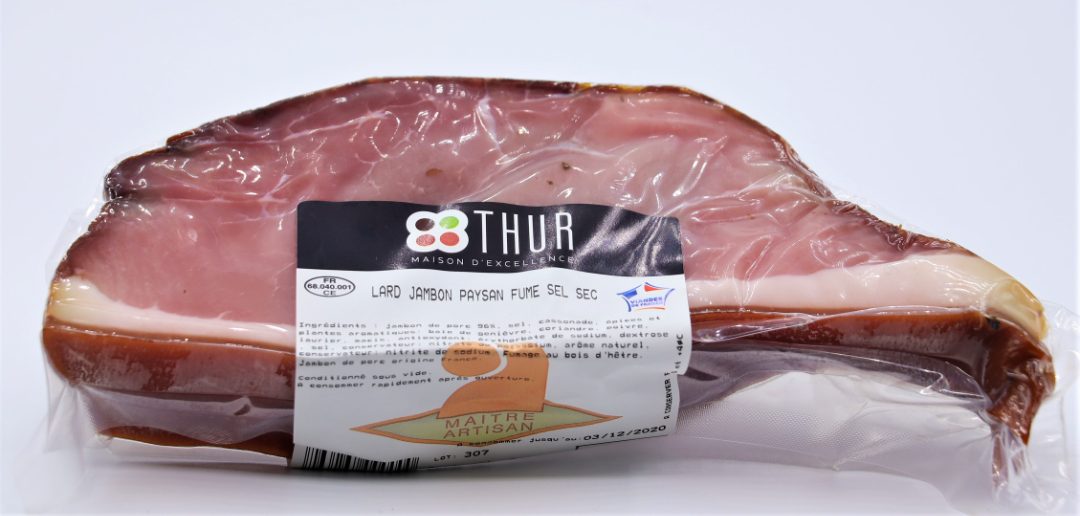
France -Bacon ham with dry salt – Co-agulase Positive Staphylococci

Identification information of the recalled product
- Product category Feed
- Product subcategory Meats
- Product brand name Charcuterie from Thur
- Model names or references Bacon dry salted peasant ham, whole vacuum-packed, sold by the cut, item code 609 Dry-salted peasant ham bacon, vacuum-packed slice, self-service approx.
- Identification of products
GTIN Batch Date 3760050065905 266 Use-by date between 14/11/2022 and 29/12/2022 3760050066094 266 Use-by date between 07/12/2022 and 14/12/2022 3760050066094 265 Use-by date 04/12/2022 - Packaging Product sold vacuum-packed in self-service or in the traditional sliced department
- Marketing start/end date From 24/10/2022 to 14/11/2022
- Storage temperature Product to be stored in the refrigerator
- Health mark EN 68.040.001
- Geographic area of sale Whole France
- Distributors Hypermarket Cora Colmar, La Cigogne (Marseille), Butchery Edel (Guewenheim), Butchery Himber (Illfurth), Butchery Maurice (Dol de Bretagne), Auchan Ferrette, Proxi Oberbruck
Practical information regarding the recall
- Reason for recall Presence of coagulase-positive staphylococci
- Risks incurred by the consumer Staphylococcus aureus (causative agent of staphylococcal poisoning)
Posted in Bacterial Toxin, Enterotoxin, Enterotoxins, food contamination, food handler, Food Hazard, Food Hygiene, Food Inspections, Food Micro Blog, Food Microbiology, Food Microbiology Blog, Food Microbiology Testing, Food Pathogen, Food Poisoning, food recall, Food Safety, Food Safety Alert, Food Safety Management, Food Testing, Food Toxin, Staphylococcal Toxin, Staphylococcus aureus
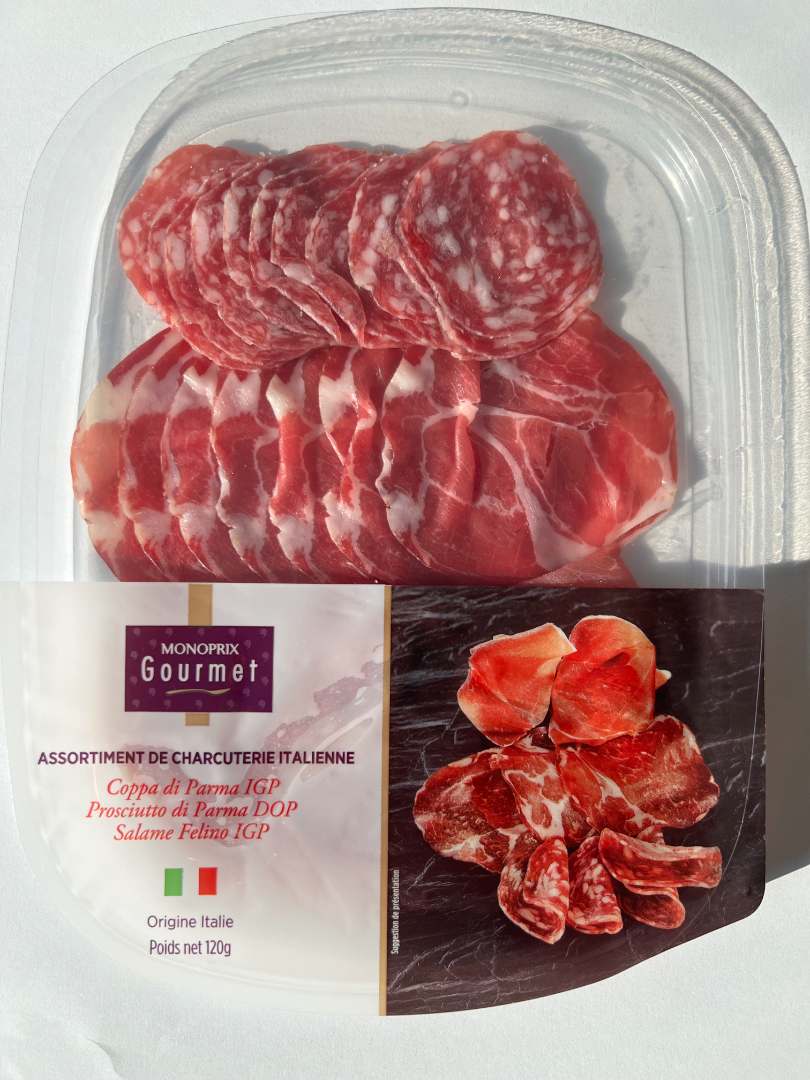
France – Assortment of Italian charcuterie 120 g Monoprix Gourmet – Staphylococcal Toxins

Identification information of the recalled product
- Product category Feed
- Product subcategory Meats
- Product brand name Monoprix Gourmet
- Model names or references120g
- Identification of products
GTIN Batch Date 3350033794573 150123 Date of minimum durability 15/01/2023 - Packaging Plastic tray 120 g
- Marketing start/end date From 07/10/2022 to 21/11/2022
- Storage temperature Product to be stored in the refrigerator
- Health mark IT 550 L CE
- Geographic area of sale Whole France
- Distributors MONO PRICE
Practical information regarding the recall
- Reason for recall Detection of Staphylococcal Enterotoxins
- Risks incurred by the consumer Other biological contaminants
Posted in Bacterial Toxin, Enterotoxin, Enterotoxins, food contamination, food handler, Food Hazard, Food Hygiene, Food Inspections, Food Micro Blog, Food Microbiology, Food Microbiology Blog, Food Microbiology Testing, Food Pathogen, Food Poisoning, food recall, Food Safety, Food Safety Alert, Food Safety Management, Food Testing, Food Toxin, Staphylococcal Toxin, Staphylococcus aureus, Toxin
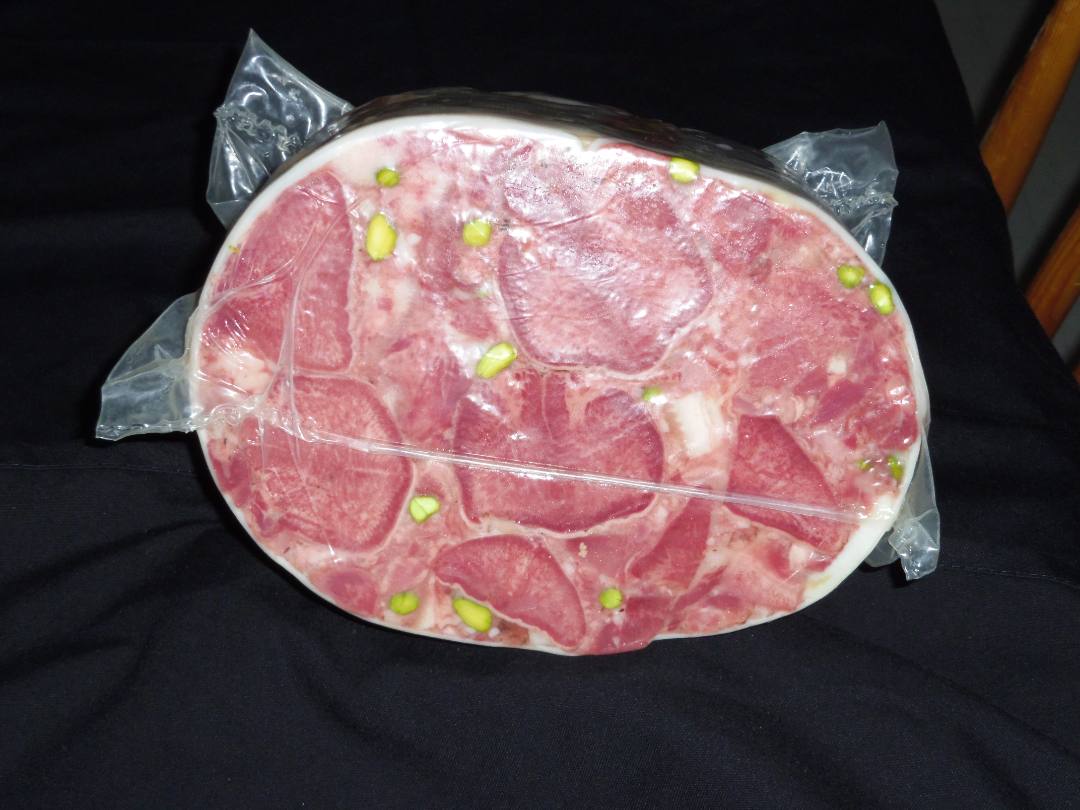
France – Pistachio rolled head – E.coli and Staphylococcus aureus

Identification information of the recalled product
- Product category Feed
- Product subcategory Meats
- Product brand name DIENNET REGIONAL CHARCUTERIE
- Model names or references PISTACHIO ROLLED HEAD DIENNET
- Identification of products
Lot Date 224203 Use-by date 16/11/2022 - Packaging Slices vacuum packed 250g Whole 2.5kg and/or 4.5kg
- Marketing start/end date From 19/10/2022 to 02/11/2022
- Storage temperature Product to be stored in the refrigerator
- Health mark FR 01 263 001 EC
- Further information Product sold in the LS and traditional and LS charcuterie department, non-contractual photo
- Geographic area of saleDepartments: AIN (01), RHONE (69)
- DistributorsCarrefour City, Carrefour Contact, Leclerc, Proxi, Super U, U Express, Utile
- List of points of saleclient_list.pdf
Practical information regarding the recall
- Reason for recallMICROBIOLOGICAL NON-COMPLIANCE
- Risks incurred by the consumerEscherichia coli
Staphylococcus aureus (agent responsable d’intoxination staphylococcique)
Posted in E.coli, food contamination, food handler, Food Hazard, Food Hygiene, Food Inspections, Food Micro Blog, Food Microbiology, Food Microbiology Blog, Food Microbiology Testing, Food Pathogen, Food Poisoning, food recall, Food Safety, Food Safety Alert, Food Safety Management, Food Testing, Food Toxin, Staphylococcal Toxin, Staphylococcus aureus
Research – Virulence Potential and Antibiotic Susceptibility of S. aureus Strains Isolated from Food Handlers
Abstract
Staphylococcus spp. are common members of the normal human flora. However, some Staphylococcus species are recognised as human pathogens due to the production of several virulence factors and enterotoxins that are particularly worrisome in food poisoning. Since many of Staphylococcal food poisoning outbreaks are typically associated with cross-contamination, the detection of S. aureus on food handlers was performed. Hand swabs from 167 food handlers were analysed for the presence of S. aureus. More than 11% of the samples were positive for S. aureus. All S. aureus strains were isolated and analysed for the presence of virulence and enterotoxin genes, namely, sea, seb, sec, sed, seg, sei, tsst-1 and pvl. The same strains were phenotypically characterised in terms of antibiotic susceptibility using the disc diffusion method and antimicrobial agents from 12 different classes. A low prevalence of antibiotic-resistant strains was found, with 55.6% of the strains being sensitive to all of the antimicrobial agents tested. However, a high prevalence of resistance to macrolides was found, with 44.4% of the strains showing resistance to erythromycin. At least one of the virulence or toxin genes was detected in 61.1% of the strains, and seg was the most prevalent toxin gene, being detected in 44.4% of the strains.
Posted in Antibiotic Resistance, Decontamination Microbial, food handler, Food Micro Blog, Food Microbiology, Food Microbiology Blog, Food Microbiology Research, Food Microbiology Testing, Hand Washing, microbial contamination, Microbial growth, Microbiological Risk Assessment, Microbiology, Microbiology Investigations, Microbiology Risk, Staphylococcal Toxin, Staphylococcus aureus
RASFF Alert- Staphylococcal Enterotoxin – Mozzarella
Staphylococcal enterotoxin (in 1 out of 5 samples /25g) in mozzarella from Spain in Andorra
Posted in Enterotoxin, Enterotoxins, food contamination, food handler, Food Hazard, Food Hygiene, Food Inspections, Food Micro Blog, Food Microbiology, Food Microbiology Blog, Food Microbiology Testing, Food Pathogen, Food Poisoning, food recall, Food Safety, Food Safety Alert, Food Safety Management, Food Testing, Food Toxin, RASFF, Staphylococcal Toxin, Staphylococcus aureus
Spain – Alert for the presence of Staphylococcal Toxin in fresh mozzarella from Spain

The Spanish Agency for Food Security and Nutrition has communicated through the Coordinated System of Rapid Information Exchange (SCIRI), an alert, transferred by the health authorities of Madrid, regarding the presence of staphylococcal toxin in the fresh mozzarella product (queso de spun pasta) of the Bocconcini de Albe brand from Spain .
The data of the product involved are:
- Product number: Fresh Mozzarella
- Brand number: Bocconcini de Albe
- Expiry date: 10/29/2022
- Lot number: 2910
- Unit weight : 250 g (net weight) and 150 g (drained weight)
- Temperature: refrigerated
According to the information available, the product has been distributed in the autonomous communities of Catalonia , Andalusia, Asturias, the Balearic Islands, the Canary Islands, Cantabria, Castilla y León, Galicia and the Valencian Community, although other redistributions are not ruled out.
AESAN has transferred this information to the competent authorities of the autonomous communities through the SCIRI and to the Services of the European Commission through the European Food Alert Network (RASFF), with the aim of verifying the withdrawal of the products affected by the marketing channels.
With the available information , there is no evidence in Spain of any notified case associated with this alert.
In the case of having consumed this type of product from the affected lot and presenting any symptoms such as nausea, vomiting, diarrhea, abdominal pain or prostration, it is recommended to go to a health center.
People who have products affected by this alert at home are advised to refrain from consuming them and return them to the point of purchase.
Posted in ACSA, Bacterial Toxin, food contamination, food handler, Food Hazard, Food Hygiene, Food Inspections, Food Micro Blog, Food Microbiology, Food Microbiology Testing, Food Pathogen, Food Poisoning, food recall, Food Safety, Food Safety Alert, Food Safety Management, Food Testing, Food Toxin, Staphylococcal Toxin, Staphylococcus aureus, Toxin