Category Archives: shellfish toxin

USA – FDA Advises Restaurants and Retailers Not to Serve or Sell and Consumers Not to Eat Certain Oysters from British Columbia, Canada Potentially Contaminated with Paralytic Shellfish Toxins

FDA

Audience

  • Restaurants and food retailers in California (CA) that have recently purchased oysters from Dailyfresh Shellfish, Inc., with lot # 240531JM harvested from Subarea 23-10 in British Columbia (BC), Canada on 5/30/2024.
  • Consumers in CA that have recently purchased oysters from Dailyfresh Shellfish, Inc., with lot # 240531JM harvested from Subarea 23-10 in BC, Canada on 5/30/2024.

Product

Dailyfresh Shellfish, Inc., live Pacific oysters, with lot # 240531JM harvested from Subarea 23-10 in BC, Canada on 5/30/2024. The oysters were distributed to restaurants and retailers in CA and may have been distributed to other states as well.

Purpose

The FDA is advising restaurants and food retailers not to serve or sell and to dispose of, and consumers not to eat, oysters from Dailyfresh Shellfish, Inc., with lot # 240531JM harvested from Subarea 23-10 in British Columbia (BC), Canada on 5/30/2024 because they may be contaminated with the toxins that cause paralytic shellfish poisoning (PSP).

Molluscan shellfish contaminated with natural toxins from the water in which they lived can cause consumer illness. Most of these toxins are produced by naturally occurring marine algae (phytoplankton). Molluscan shellfish consume the algae which causes the toxins to accumulate in the shellfish’s flesh. Typically, contamination occurs following blooms of the toxic algal species; however, toxin contamination is possible even when algal concentrations are low in certain instances. One of the recognized natural toxin poisoning syndromes that can occur from consuming contaminated molluscan shellfish is paralytic shellfish poisoning (PSP).

PSP is caused by neurotoxins also referred to as saxitoxins or paralytic shellfish toxins (PSTs). Shellfish can retain the toxin for different lengths of time. Some species cleanse themselves of toxins rapidly, whereas others are much slower to remove the toxins. This lengthens the period of time they pose a human health risk from consumption.

Food containing PSTs may look, smell, and taste normal. These toxins cannot be removed by cooking or freezing. Consumers of these products who are experiencing symptoms of illness should contact their healthcare provider and report their symptoms to their local Health Department.

Symptoms of Paralytic Shellfish Poisoning

Most people with PSP will begin to develop symptoms within 30 minutes of consuming contaminated seafood. Effects of PSP intoxication can range from tingling of the lips, mouth, and tongue to respiratory paralysis and may include these other symptoms: numbness of arms and legs, “pins and needles” sensation, weakness, loss of muscle coordination, floating feeling, nausea, shortness of breath, dizziness, vomiting, and headache. Medical treatment consists of providing respiratory support and fluid therapy. For patients surviving 24 hours, with or without respiratory support, the prognosis is considered good, with no lasting side effects. In fatal cases, death is typically due to asphyxiation.

Due to the range in severity of illness, people should consult their healthcare provider if they suspect that they have developed symptoms that resemble paralytic shellfish poisoning.

Summary of Problem and Scope

On 6/10/2024 the Canadian Food Inspection Agency (CFIA) advised the FDA that recent monitoring detected elevated levels of paralytic shellfish toxins in shellfish harvested from Subarea 23-10 in British Columbia, Canada. CFIA advised the FDA that live oysters from Dailyfresh Shellfish, Inc., with Lot # 240531JM were harvested from Subarea 23-10 in BC, Canada on 05/30/2024 and had been shipped to distributors in California. The product may have been distributed to other states as well.

FDA Actions

The FDA is issuing this alert advising restaurants and food retailers not to serve or sell and advising consumers not to eat Dailyfresh Shellfish, Inc. oysters with Lot #240531JM harvested from Subarea 23-10 in BC, Canada on 5/30/2024 due to possible contamination with paralytic shellfish toxins.

The FDA is awaiting further information on distribution of the shellfish harvested and will continue to monitor the investigation and provide assistance to state authorities as needed. As new information becomes available, the FDA will update the safety alert.

Recommendations for Restaurants and Retailers

Restaurants and retailers should not serve or sell the potentially contaminated shellfish. Restaurants and retailers should dispose of any products by throwing them in the garbage or contacting their distributor for return and destruction.

Restaurants and retailers should also be aware that shellfish may be a source of pathogens and should control the potential for cross-contamination of food processing equipment and the food processing environment. They should follow the steps below:

  • Wash hands with warm water and soap following the cleaning and sanitation process.
  • Retailers, restaurants, and other food service operators who have processed and packaged any potentially contaminated products need to be concerned about cross-contamination of cutting surfaces and utensils through contact with the potentially contaminated products and should clean and sanitize food contact surfaces and utensils.
  • Retailers that have sold bulk product should clean and sanitize the containers used to hold the product.
  • Regular frequent cleaning and sanitizing of food contact surfaces and utensils used in food preparation may help to minimize the likelihood of cross-contamination.

Recommendations for consumers

Consumers should not eat the potentially contaminated shellfish. Consumers who have symptoms of paralytic shellfish poisoning should contact their health care provider to report their symptoms and receive care.

To report a complaint or adverse event (illness or serious allergic reaction), you can:

Visit www.fda.gov/fcic  for additional consumer and industry assistance.

Submit Questions/Get Assistance

Follow us on X

USA – 31 sick from Shellfish – recall is called – PSP Toxins

Food Poison Journal

  • Restaurants and food retailers in Arizona (AZ), California (CA), Colorado (CO), Hawaii (HI), Nevada (NV), New York (NY), Oregon (OR), and Washington (WA) that have recently purchased oysters and bay clams from growing areas in Netarts Bay and Tillamook Bay, OR harvested on or after 5/28/24, and all shellfish species from growing areas in Willapa Bay, WA: Stony Point, harvested between 5/26/24 and 5/30/24; Bay Center, harvested between 5/29/24 and 5/30/24; and Bruceport, harvested between 5/29/24 and 5/30/24.
  • Consumers in AZ, CA, CO, HI, NV, NY, OR, and WA who have recently purchased oysters and bay clams harvested from growing areas in Netarts Bay and Tillamook Bay, OR harvested on or after 5/28/24, and all shellfish species from growing areas in Willapa Bay, WA: Stony Point, harvested between 5/26/24 and 5/30/24; Bay Center, harvested between 5/29/24 and 5/30/24; and Bruceport, harvested between 5/29/24 and 5/30/24.

Product

Certain oysters and bay clams harvested from OR growing areas in Netarts Bay and Tillamook Bay, harvested on or after 5/28/24, and shellfish species from growing areas in Willapa Bay, WA: Stony Point, harvested between 5/26/24 and 5/30/24; Bay Center, harvested between 5/29/24 and 5/30/24; and Bruceport, harvested between 5/29/24 and 5/30/24. The shellfish were distributed to restaurants and retailers in AZ, CA, CO, HI, NV, NY, OR, and WA and may have been distributed to other states as well.

Purpose

The FDA is advising restaurants and food retailers not to serve or sell and to dispose of, and consumers not to eat, oysters and bay clams harvested from growing areas in Netarts Bay and Tillamook Bay, OR harvested on or after 5/28/24, and all shellfish species from growing areas in Willapa Bay, WA: Stony Point, harvested between 5/26/24 and 5/30/24; Bay Center, harvested between 5/29/24 and 5/30/24; and Bruceport, harvested between 5/29/24 and 5/30/24, and distributed to AZ, CA, CO, HI, NV, NY, OR, and WA because they may be contaminated with the toxins that cause paralytic shellfish poisoning (PSP).

Italy -Clams – ARSELLE CUORE – VONGOLE VERACI MARCEDDI’ – Lipophilic Marine Biotoxin

Salute

Brand : CONSORZIO COOPERATIVE RIUNITE DELLA PESCA MARCEDDI’

Name : ARSELLE CUORE – VONGOLE VERACI MARCEDDI’

Reason for reporting : Recall due to chemical risk

Publication date : 10 June 2024

Documentation

Documentation

Italy- Clams Arselle Cuore – Lipophilic Marine Botoxin

Salute

Brand : cirdu

Name : arselle Cuore

Reason for reporting : Recall due to chemical risk

Publication date : 10 June 2024

Documentation

Documentation

 Italy – Heart clams (Cerastoderma spp) – Okadaic Acid Algal – DSP

Salute

Brand : Cooperativa Pescatori Arborea

Name : Heart clams (Cerastoderma spp)

Reason for reporting : Recall due to chemical risk

Publication date : 8 June 2024

Documentation

Documentation

USA – FDA Advises Restaurants and Retailers Not to Serve or Sell and Consumers Not to Eat Certain Shellfish from Oregon and Washington Potentially Contaminated with Paralytic Shellfish Toxins

FDA

June 5, 2024

Audience

  • Restaurants and food retailers in Arizona (AZ), California (CA), Colorado (CO), Hawaii (HI), Nevada (NV), New York (NY), Oregon (OR), and Washington (WA) that have recently purchased oysters and bay clams from growing areas in Netarts Bay and Tillamook Bay, OR harvested on or after 5/28/24, and all shellfish species from growing areas in Willapa Bay, WA: Stony Point, harvested between 5/26/24 and 5/30/24; Bay Center, harvested between 5/29/24 and 5/30/24; and Bruceport, harvested between 5/29/24 and 5/30/24.
  • Consumers in AZ, CA, CO, HI, NV, NY, OR, and WA who have recently purchased oysters and bay clams harvested from growing areas in Netarts Bay and Tillamook Bay, OR harvested on or after 5/28/24, and all shellfish species from growing areas in Willapa Bay, WA: Stony Point, harvested between 5/26/24 and 5/30/24; Bay Center, harvested between 5/29/24 and 5/30/24; and Bruceport, harvested between 5/29/24 and 5/30/24.

Product

Certain oysters and bay clams harvested from OR growing areas in Netarts Bay and Tillamook Bay, harvested on or after 5/28/24, and shellfish species from growing areas in Willapa Bay, WA: Stony Point, harvested between 5/26/24 and 5/30/24; Bay Center, harvested between 5/29/24 and 5/30/24; and Bruceport, harvested between 5/29/24 and 5/30/24. The shellfish were distributed to restaurants and retailers in AZ, CA, CO, HI, NV, NY, OR, and WA and may have been distributed to other states as well.

Purpose

The FDA is advising restaurants and food retailers not to serve or sell and to dispose of, and consumers not to eat, oysters and bay clams harvested from growing areas in Netarts Bay and Tillamook Bay, OR harvested on or after 5/28/24, and all shellfish species from growing areas in Willapa Bay, WA: Stony Point, harvested between 5/26/24 and 5/30/24; Bay Center, harvested between 5/29/24 and 5/30/24; and Bruceport, harvested between 5/29/24 and 5/30/24, and distributed to AZ, CA, CO, HI, NV, NY, OR, and WA because they may be contaminated with the toxins that cause paralytic shellfish poisoning (PSP).

Molluscan shellfish contaminated with natural toxins from the water in which they lived can cause consumer illness. Most of these toxins are produced by naturally occurring marine algae (phytoplankton). Molluscan shellfish consume the algae which causes the toxins to accumulate in the shellfish’s flesh. Typically, contamination occurs following blooms of the toxic algal species; however, toxin contamination is possible even when algal concentrations are low in certain instances. One of the recognized natural toxin poisoning syndromes that can occur from consuming contaminated molluscan shellfish is paralytic shellfish poisoning (PSP).

PSP is caused by neurotoxins also referred to as saxitoxins or paralytic shellfish toxins (PSTs). Shellfish can retain the toxin for different lengths of time. Some species cleanse themselves of toxins rapidly, whereas others are much slower to remove the toxins. This lengthens the period of time they pose a human health risk from consumption.

Food containing PSTs may look, smell, and taste normal. These toxins cannot be removed by cooking or freezing. Consumers of these products who are experiencing symptoms of illness should contact their healthcare provider and report their symptoms to their local Health Department.

USA – Outbreak of paralytic shellfish poisoning (PSP) reported in relation to Oregon mussels

Food Safety News

An outbreak of paralytic shellfish poisoning that has sickened at least 20 people has prompted health officials to urge those who harvested mussels from a stretch of Oregon’s coast since Saturday to discard the mollusks.

Officials at the Oregon Health Authority’s Public Health Division also recommend people who experience any symptoms of paralytic shellfish poisoning, such as numbness of the mouth and lips, nausea, vomiting, diarrhea, weakness, and in severe cases, shortness of breath or irregular heartbeat, to immediately contact a health care provider. Advice is also available by calling the Oregon Poison Center at 800-222-1222.

Hong Kong – Food Safety Focus (202nd Issue, May 2023)– Article 1 – Shellfish Poisoning

CFS

The Centre for Food Safety (CFS) received a referral from the Centre for Health Protection in April 2023 of a suspected case of diarrhoetic shellfish poisoning (DSP) presented with diarrhoea, nausea, vomiting and abdominal pain within an hour after consuming venus clams from a restaurant. This article will give a brief introduction on shellfish poisoning.

What is Shellfish Poisoning?

Shellfish poisoning is caused by a group of toxins, known as shellfish toxins, produced by certain species of algae. When shellfish eat toxins producing algae, the toxins can accumulate in their tissue. Consumption of shellfish with shellfish toxins by humans can cause a variety of gastrointestinal and neurological illnesses, known as shellfish poisoning. Examples of shellfish that have been involved in shellfish poisoning include mussels, clams, oysters, scallops and geoducks.

Many shellfish toxins have been described around the world; they could cause different types of shellfish poisoning

New Zealand- Shellfish Biotoxin Alert – PSP

MPI

EAST CAPE LOBSTER WARNING

Toggle expandable

Reason for alert Paralytic Shellfish Poisoning (PSP)

Check the symptoms of PSP

Date warning issued Media release: 26 January 2024

Update: The area affected by the warning was reduced on 15 February 2024.

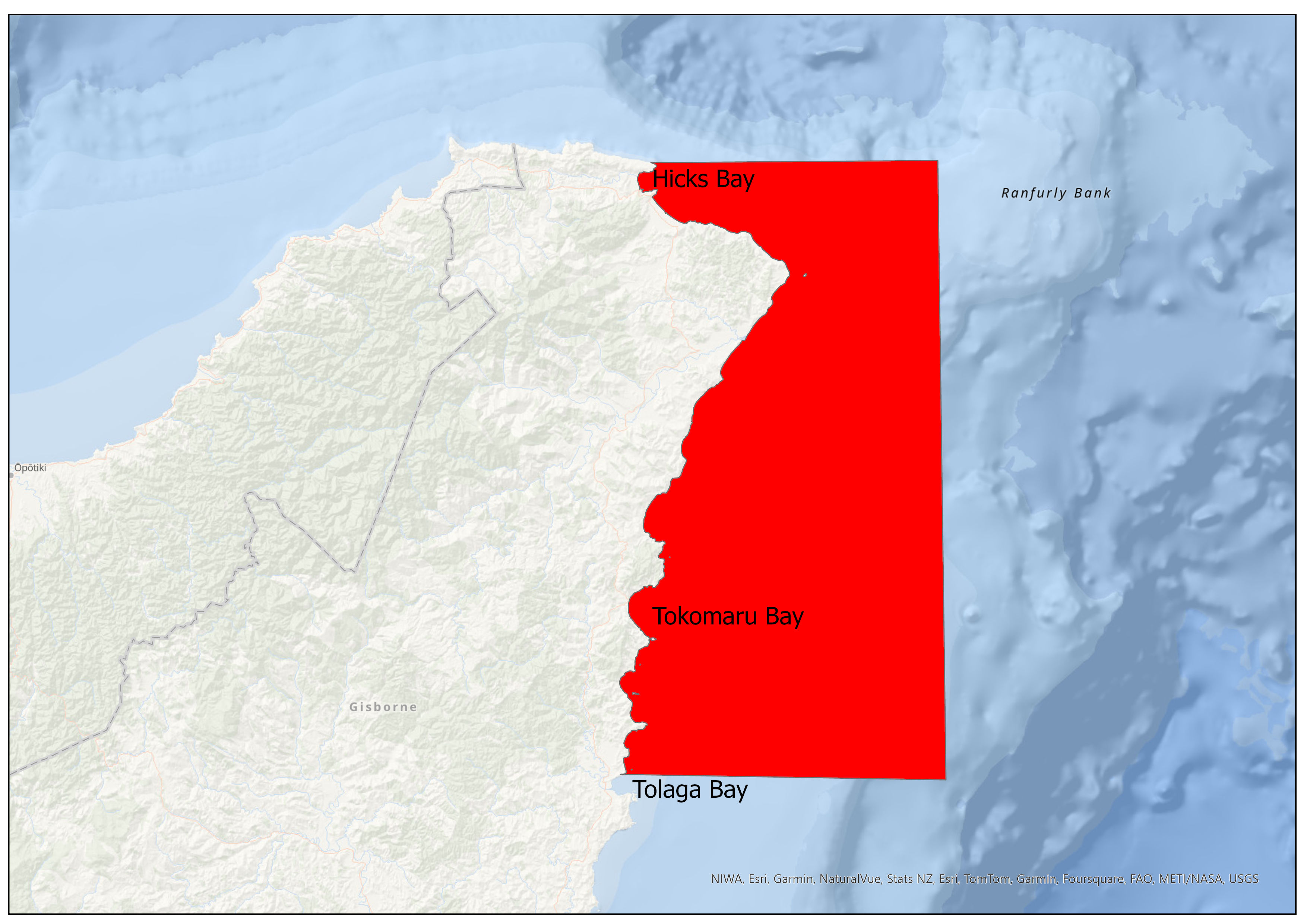
Affected area From 15 February 2024, the area extends from the north side of Tolaga Bay to Hicks Bay.
Shellfish affected Lobster are the only species affected. Shellfish and finfish are not affected by this warning.

Lobster (crayfish) may still be eaten if the gut has been completely removed prior to cooking, as toxins can accumulate in the gut. If the gut is not removed its contents could contaminate the meat during the cooking process.

Symptoms Symptoms typically appear between 10 minutes and 3 hours after ingestion and may include:

  • numbness and a tingling (prickly feeling) around the mouth, face, and extremities (hands and feet)
  • difficulty swallowing or breathing
  • dizziness
  • headache
  • nausea
  • vomiting
  • diarrhoea
  • paralysis and respiratory failure and, in severe cases, death.
Other information Elevated paralytic shellfish toxins are still being detected in lobster near Tokomaru Bay.

Map of the affected area

Map showing the area covered by the lobster biotoxin alert, extending from the north side of Tolaga Bay to Hicks Bay.

Hong Kong – Food Safety Bulletin 95th Issue

CFS

Feature Article

Shellfish Poisoning

The Centre for Food Safety (CFS) received in April 2023 a referral from the Centre for Health Protection of a suspected case of diarrhoetic shellfish poisoning in which the affected persons developed diarrhoea, nausea, vomiting and abdominal pain within an hour after consuming venus clams at a restaurant.  This article gives a brief introduction on shellfish poisoning.

What is Shellfish Poisoning?

Shellfish poisoning is caused by shellfish toxins produced by certain species of algae.  When shellfish eat toxin-producing algae, the toxins can accumulate in their tissue.  Consumption of shellfish containing shellfish toxins by humans can cause a variety of gastrointestinal and neurological illnesses, known as shellfish poisoning.  Examples of shellfish that have been involved in shellfish poisoning include mussels, clams, oysters, scallops and geoducks.

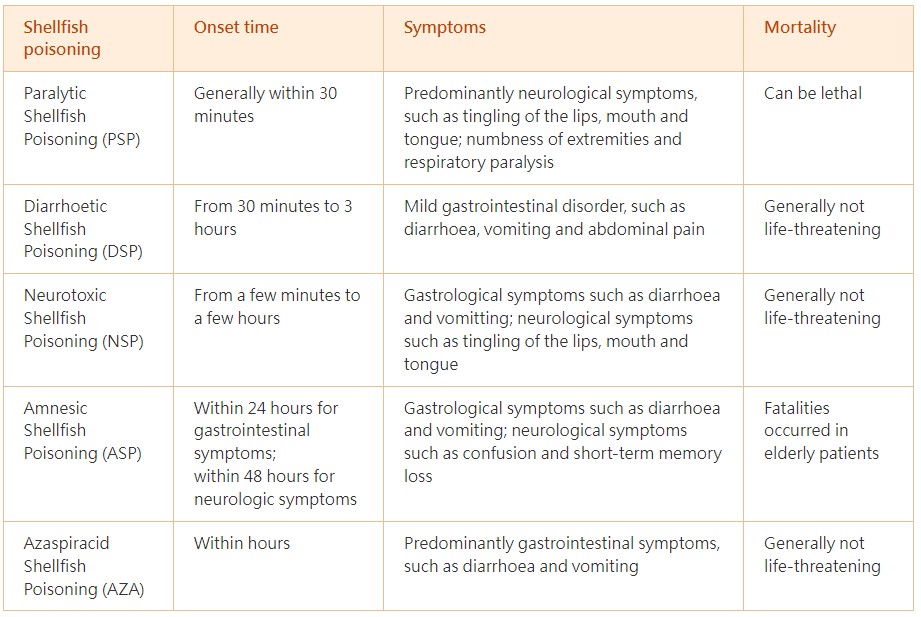
Numerous shellfish toxins have been discovered around the world; they could cause different types of shellfish poisoning.  Five major types of shellfish poisoning are discussed below:

(i) Paralytic shellfish poisoning (PSP) — caused by paralytic shellfish toxins (PSTs), which are a group of water-soluble alkaloid neurotoxins, including saxitoxins (STXs).

(ii) Diarrhoetic shellfish poisoning (DSP) — caused by diarrhoetic shellfish toxins (DSTs), which are a group of lipid-soluble polyether toxins, including okadaic acid (OA).

(iii) Neurotoxic shellfish poisoning (NSP) — caused by neurotoxic shellfish toxins (NSTs), which are a group of lipid-soluble polyether toxins, including brevetoxins (BTXs).

(iv) Amnesic shellfish poisoning (ASP) — caused by amnesic shellfish toxins (ASTs), including the water-soluble amino acid domoic acid (DA).

(v) Azaspiracid shellfish poisoning (AZP) — caused by azaspiracid shellfish toxins (AZTs), including the lipid-soluble toxin azaspiracid (AZA).

Characteristics of Shellfish Toxins

Different groups of shellfish toxins display multifarious chemical structures, which can be broadly classified into amino acids (DA), alkaloids (STXs) and polyketides (OA, BTXs and AZA).

The reasons why some algae produce shellfish toxins remain unknown.  These toxins are secondary metabolites with no explicit function for the algae.  They are probably used by the algae to compete for space, defence against predators or prevent the overgrowth of other organisms.

In general, shellfish toxins are heat stable, odourless, tasteless and not destroyed by cooking, freezing or other food preparation procedures.  It is hard to distinguish between toxic and non-toxic shellfish visually.

Bioaccumulation of Shellfish Toxins in Bivalve Molluscs

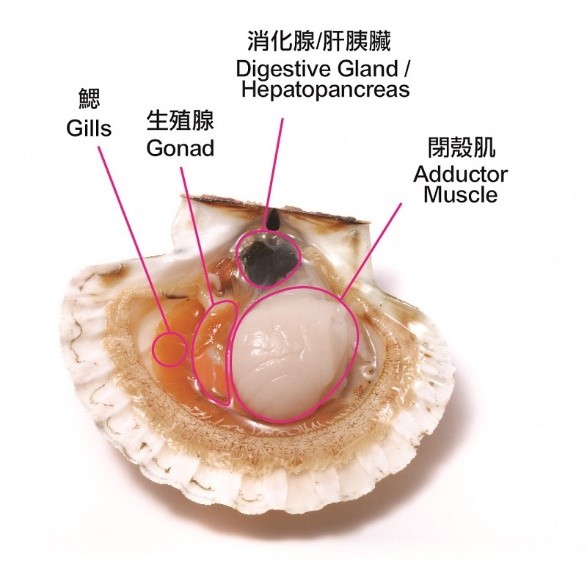
Algae are part of the natural diet of bivalve molluscs.  After shellfish has ingested shellfish toxin-producing algae, shellfish toxins will accumulate and concentrate in their internal organs, such as hepatopancreas of bivalves (Figure 1).  Generally speaking, the adductor muscle contains only a low level of shellfish toxins.

Figure 1: Internal parts of a scallop

Symptoms of Shellfish Poisoning

Shellfish toxins can cause a wide variety of symptoms in humans, depending on the type and amount of toxins ingested.  Symptoms of different types of shellfish poisoning are summarised below:

Safety Levels of Shellfish Toxins

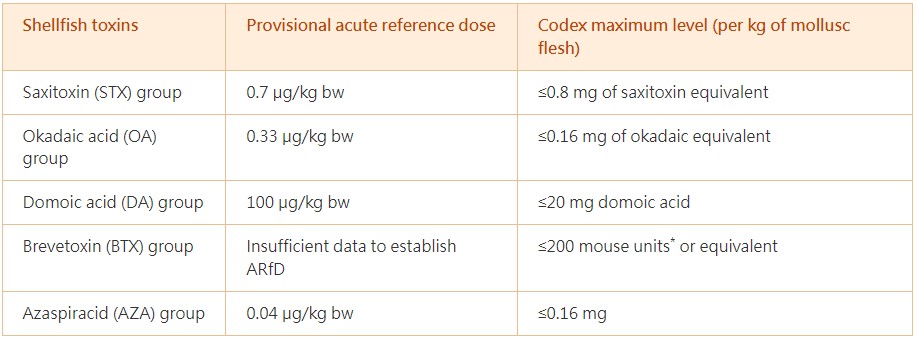
The toxicity of various shellfish toxins was evaluated by a joint expert working group of the Food and Agriculture Organization of the United Nations (FAO), the World Health Organization (WHO) and the Intergovernmental Oceanographic Commission of UNESCO in 2004.  Acute reference doses (ARfDs) (i.e. the amount of toxins that can be ingested in a period of 24 hours or less without appreciable health risk) have been established for these shellfish toxins.  In addition, the Codex Alimentarius Commission (Codex) has established the maximum levels (MLs) for shellfish toxins in edible parts (the whole or any part intended to be eaten separately) of live bivalve molluscs.  While the ARfDs are critical in assessing the safety of food in terms of the level of shellfish toxins contained, Codex MLs are the levels recommended by Codex to be permitted in shellfish.

*An estimate of toxicity of the toxin made by mouse bioassay.

Key Points to Note

  • Shellfish toxins are heat stable, odourless, tasteless and not destroyed by cooking, freezing or other food preparation procedures.
  • It is hard to distinguish between toxic and non-toxic shellfish visually.
  • In general, shellfish toxins accumulate and concentrate in the internal organs of bivalves. 

Advice to Consumers 

  • Purchase shellfish from reliable sources.
  • To reduce the health risk of shellfish poisoning, remove and discard all internal organs of shellfish where possible before consumption.
  • Seek medical attention immediately if you feel ill after eating shellfish.