Category Archives: Shelf Life

France – Tellines – Biotoxins – DSP

Gov france

Identification information of the recalled product

  • Product category Food
  • Product subcategory Fishing and aquaculture products
  • Product brand name Unbranded
  • Model names or references Tellines shipped from October 10 to 12, 2023
  • Product identification
    Lot
    42101000852 42101000711 72121000403
  • Products List 2023_10_13_-_FICHE_RETRAIT_RAPPEL.pdfAttachment
  • Start/end date of marketing From 10/10/2023 to 12/10/2023
  • Storage temperature Product to keep in the refrigerator
  • Health mark FR-29.158.500-CE
  • Geographical sales area Whole France
  • Distributors Grossistes – Pöissonniers – GMS
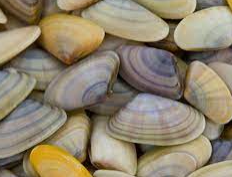
Luxembourg – Medium and large tellines sold in bulk on fish stalls – DSP

SAP

Presence of lipophilic toxins (DSP) exceeding the regulatory health threshold

Name Medium and large tellina
Brand Bulk sale on Auchan fish market stall
Sales period 09/28/2023 – 10/02/2023

Danger  : Presence of lipophilic toxins (DSP) exceeding the regulatory health threshold

DSP toxins cause intoxication in consumers, the effects of which appear within 2 to 18 hours after ingestion of contaminated shellfish. The main symptoms are gastrointestinal: diarrhea, nausea, vomiting, abdominal pain, and chills.

Click to access alva-affiche-client.pdf

Sale confirmed in Luxembourg by: Auchan on fish stall .

A sale by other operators cannot be excluded.

Research – Inhibitory Effect against Listeria monocytogenes of Carbon Nanoparticles Loaded with Copper as Precursors of Food Active Packaging

MDPI

Human listeriosis is a serious foodborne disease of which outbreaks are occurring increasingly frequently in Europe. Around the world, different legal requirements exist to guarantee food safety. Nanomaterials are increasingly used in the food industry as inhibitors of pathogens, and carbon nanomaterials are among the most promising. In the present study, novel carbon nanoparticles loaded with copper (CNP-Cu) were prepared, and their antimicrobial activity against Listeria monocytogenes was assessed. CNPs of two sizes were synthesized and characterized by dynamic light scattering (DLS), electrophoretic light scattering (ELS) and electron microscopy (EM). The minimum inhibitory concentration (MIC) of CNP-Cu was determined in accordance with the available standard. To get insights into its mechanism of action, the release of copper ions into a cell media was assessed by inductively coupled plasma optical emission (ICP-OE), and the ability of loaded CNPs to generate cytotoxic reactive oxygen species (ROS) was evaluated by EPR spectroscopy. Finally, the extent of release of copper in a food simulant was assessed. The results demonstrated the antimicrobial effectiveness of CNP-Cu, with growth inhibition up to 85% and a release of copper that was more pronounced in an acidic food simulant. Overall, the results indicate CNP-Cu as a promising agent for the design of active food packaging which is able to improve food shelf-life.

Research – Novel Biocomposite Films Based on High Methoxyl Pectin Reinforced with Zeolite Y for Food Packaging Applications

MDPI

Pectin is a natural biopolymer with broad applications in the food industry and it is suitable to prepare edible films to prolong food shelf-life. However, the main limitation of pectin-based films is their poor mechanical and barrier properties. Zeolite Y is a hydrophobic clay that can be used as film reinforcement material to improve its physicochemical and mechanical properties. In this work, the influence of high methoxyl citrus and apple pectin on physicochemical properties of biopolymer films modified with zeolite Y (0.05–0.2 wt%) was investigated. The films were characterized by FTIR, TGA, WAXD, mechanical analysis, and water vapor permeability analysis, and a potential film application is presented. The WAXD and FTIR analysis demonstrated that the strongest interaction between pectin chains and zeolite Y occurred when citrus high methylated pectin was used. Adding 0.2 wt% of zeolite Y into citrus high methylated pectin matrix enhanced the tensile strength by 66%, thermal stability by 13%, and water vapor barrier by 54%. In addition, fruit shelf-life test was performed, where strawberries were sealed in film. It was shown that sealed strawberries maintained a better color and healthy appearance than the control treatment after 7 days at 10 °C. This study enabled the development of biocomposite films with improved properties for potential application in food packaging. View Full-Text

Research – Antimicrobial and preservative effects of the combinations of nisin, tea polyphenols, rosemary extract and chitosan on pasteurized chicken sausage

Journal of Food Protection

The study evaluated the antimicrobial and antioxidant effects of the combinations of nisin (NS), tea polyphenols (TP), rosemary extract (RE) and chitosan (CS) on low-temperature chicken sausage. An orthogonal test revealed that the most effective antimicrobial compositions were equal-quantity mixtures of 0.05% NS + 0.05% TP + 0.03% RE + 0.55% CS . The mixture also produced strong antimicrobial and antioxidant effects in low-temperature chicken sausage related to extend the shelf life to more than 30 days at 4°C. The study also investigated the inhibitory zone of NS, TP, RE and CS against Pseudomonas aeruginosa , lactic acid bacteria (LAB) and Staphylococcus aureus which were the dominant spoilage bacteria in low-temperature chicken sausage. NS had the greatest inhibitory effect on LAB and Staphylococcus aureus , exhibiting clear zone diameters of 19.7 mm and 17.8 mm respectively. TP had the largest inhibitory effect on Pseudomonas aeruginosa , exhibiting a clear zone diameter of 18.2 mm. These results indicated that the combination of NS, TP, RE and CS could be used as natural preservative s to efficiently inhibit the growth of spoilage microorganisms in low-temperature chicken sausage so as to improve its safety and shelf life.

Bespoke Vegetable Wash – Increased Shelf Life

Food Production Daily

German company Food Freshly has begun offering processors a bespoke formula wash for fresh foodstuffs that it claims will keep them germ free and extend their shelf life.

Company Website

Predictive Modelling Software Study for Food Shelf Life

TTZ 

The SOPHY project aims to develop a web-based software tool for prediction of product safety, quality and shelf life of ready-to-eat products. Fresh cut salads and deli salads were chosen as model food system. Food producers will be able to optimise their raw material selection, product formulation and processing steps virtually.

As many of you are aware I am not a great fan of predictive modelling but we will have to wait and see if this tool when fully developed will be different. I think that there are just too many parameters that change within a complex food product due to homogeneity of ingredients or constituents, bacterialhomogeneity and changes to the product through shelf life caused by chemical and microbiological actions.