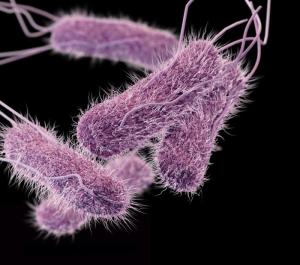
Salmonella is indeed a significant cause of foodborne illness worldwide and can be deadly, especially in certain vulnerable populations. Here are some key points regarding its severity: Read more in the link above

Salmonella is indeed a significant cause of foodborne illness worldwide and can be deadly, especially in certain vulnerable populations. Here are some key points regarding its severity: Read more in the link above
Posted in Animal Feed Salmonella, Food Microbiology Research, Pet Food Salmonella, Polish Chicken Salmonella, Research, Salmonella, Salmonella Betel Leaves, Salmonella Brazil, Salmonella Cantaloupes, Salmonella Dog Food, Salmonella in Black Pepper, Salmonella in Brazil Nuts, Salmonella in Chicken, Salmonella in Chocolate, Salmonella in Eggs, Salmonella in Nuts, Salmonella in Onions, Salmonella in Sprouts, Salmonella Peanut Butter, Salmonella Poland, Salmonella Sesame Seeds, Salmonella Tahini, Salmonella Oranienburg, salmonellosis
Salmonella spp in fresh chicken fillet from Poland via EE to Finland
Salmonella in bay leaves from Türkiye in Latvia
the presence of Salmonella enterica subsp. was detected. enterica gr. CO in 1 of 5 samples of chicken breast fillet from Poland in the Netherlands
Salmonella in betel leaves from India in France
Salmonella spp in chilled Beef from Uruguay via the Netherlands in Austria, Belgium, Denmark, France, Germany, Italy, Netherlands, Poland, Portugal, Spain, Sweden.
Salmonella in fresh beef cuts, origin Uruguay in Sweden and the Netherlands
Salmonella ssp. in walnut kernels (raw material) from the United States in Germany and the Netherlands
Salmonella spp. in beef trimmings from Poland in Germany
Presence of Salmonella in frozen poultry minced meat from the Netherlands in Italy
Salmonella spp present in 3 out of 5 samples in raw, frozen pork. from Spain in Poland
Salmonella enteritidis in frozen chicken offal from the Czech Republic in Slovakia
Posted in food contamination, food handler, Food Hazard, Food Hygiene, Food Inspections, Food Micro Blog, Food Microbiology, Food Microbiology Blog, Food Microbiology Testing, Food Pathogen, Food Quality, food recall, Food Safety, Food Safety Alert, Food Safety Management, Food Safety Regulations, Food Testing, Polish Chicken Salmonella, RASFF, Salmonella, Salmonella Betel Leaves, Salmonella in Chicken, Salmonella Poland
Salmonella Bardo in frozen chicken thigh from Poland in Finland
Salmonella in chicken liver from Poland in France and North Macedonia
Salmonella Minnesota in frozen chicken breast, boneless, skinless, from Brazil in the Czech Republic, Denmark, Netherlands and Slovakia
Salmonella anatum in pistachio nuts from Germany in Finland. Germany and the USA
Salmonella virchow in frozen lime leaves from Thailand via Netherlands in Austria, Belgium, Croatia, Cyprus, Czech Republic, Denmark, Faeroe Islands, Finland, France, Germany, Greece, Hungary, Ireland, Luxembourg, Netherlands, Poland, Serbia, Slovakia, Slovenia, Spain, Switzerland, Thailand, United Kingdom
Salmonella Derby in fresh chicken quarters from Poland in the Czech Republic
Salmonella enterica ser. enteritidis in live clams (Chamelea gallina) from Italy in Spain
Salmonella Infantis in chilled chicken meat from Ukraine in the Netherlands and Hungary
Salmonella in betel leaves from India in France
Presence of Salmonella Infantis and Campylobacter jejuni in chicken leg meat boneless skin on vacuum from Poland in Slovakia
Posted in food contamination, food handler, Food Hazard, Food Hygiene, Food Inspections, Food Micro Blog, Food Microbiology, Food Microbiology Blog, Food Microbiology Testing, Food Pathogen, Food Quality, food recall, Food Safety, Food Safety Alert, Food Safety Management, Food Safety Regulations, Food Testing, Polish Chicken Salmonella, RASFF, Salmonella, Salmonella Betel Leaves, Salmonella in Chicken, Salmonella Poland
Salmonella Typhimurium in beef from Germany in Denmark, France, Germany, Italy, Portugal, Spain, United Kingdom
Salmonella spp. in snack product from Germany in the Netherlands
Salmonella in betel leaves from India in France
SALMONELLA IN SESAME SEEDS FROM THE REBUBLIC OF CHAD in Greece and the UAE
Salmonella Enteritidis in chilled chicken meat from Poland in the Czech Republic
Salmonella Infantis in chilled chicken legs from Poland in the Czech Republic
Presence of Salmonella spp in mussels (Mytilus edulis) from the Netherlands in Italy
Salmonella Abaetetuba in frozen papaya from Netherlands in Finland
Salmonella in Mousse au Chocolat products (classic and whole milk) in Germany and Switzerland
Salmonella in poultry kebab skewer from Poland in Austria
Detection of Salmonella enteridis on chicken thighs from Poland in France
Suspicion of salmonella contamination in a ham sandwich from France in Switzerland
Salmonella spp. in sugared egg yolk from the Netherlands in Germany
Salmonella Typhimurium in basil from Egypt in Poland
Posted in food contamination, food handler, Food Hazard, Food Hygiene, Food Inspections, Food Micro Blog, Food Microbiology, Food Microbiology Blog, Food Microbiology Testing, Food Pathogen, Food Quality, food recall, Food Safety, Food Safety Alert, Food Safety Management, Food Safety Regulations, Food Testing, Polish Chicken Salmonella, RASFF, Salmonella, Salmonella Betel Leaves, Salmonella in Chicken, Salmonella in Chocolate, Salmonella Poland, Salmonella Sesame Seeds, salmonellosis
Salmonella enteritidis in frozen raw chicken fillets from Poland in France
Salmonella spp. in chicken thigh fillet with skin from Romania in Hungary
Salmonella in betel leaves from India in France
Salmonella (presence /25g) in frozen marinated chicken breast fillets from Brazil in the Netherlands
Salmonella present in 25g in chicken meat preparation in the Netherlands
Salmonella Enteritidis (in 25 g in 1 of 5 samples) in chicken fillet from Poland in the UK
Salmonella in chicken meat preparation from Brazil in the Netherlands
Salmonella Typhimurium in chilled and frozen turkey meat products from Hungary in Romania and Slovakia
Salmonella spp. in chilled chicken breast from Poland in France
Salmonella spp. and Campylobacter spp. in chicken elements from Poland in France
Salmonella Infantis (in 3 out of 5 samples) in fresh fillets of broiler chickens from Poland in Lithuania
Salmonella Enteritidis in chilled chicken breast from Poland in the Czech Republic
Salmonella Montevideo in organic tahini from Germany, made with raw material from Turkey in Austria, Bosnia and Herzegovina, Croatia, Czech Republic, Germany, Hungary, Italy, Republic of North Macedonia, Romania, Serbia, Slovakia, Slovenia, Türkiye
Salmonella in Tartar raw beef sausage from Poland in the UK, Ireland and Netherlands
Posted in food contamination, food handler, Food Hazard, Food Hygiene, Food Inspections, Food Micro Blog, Food Microbiology, Food Microbiology Blog, Food Microbiology Testing, Food Pathogen, Food Quality, food recall, Food Safety, Food Safety Alert, Food Safety Management, Food Safety Regulations, Food Testing, Polish Chicken Salmonella, RASFF, Salmonella, Salmonella Betel Leaves, Salmonella in Chicken, Salmonella Poland, Salmonella Tahini
Salmonella Typhimurium in turkey meat from France via Belgium in France and the Netherlands
Presence of Salmonella enteritidis in live clams (Venus gallina) from Italy in San Merino
Salmonella in Indian Sesame seed in the Netherlands
Salmonella in betel leaves from India in France
Salmonella infantis in halal frozen chicken wings from Poland in Italy
Salmonella spp. in sesame paste from Türkiye in Germany
Salmonella enterica ser. Enteritidis (presence /25g) in frozen chicken fingers and chicken fillets from Poland in France
Salmonella Mbandaka in chilled chicken breast from Ukraine in Hungary, Netherlands and Slovakia
Posted in food contamination, food handler, Food Hazard, Food Hygiene, Food Inspections, Food Micro Blog, Food Microbiology, Food Microbiology Blog, Food Microbiology Testing, Food Pathogen, Food Quality, food recall, Food Safety, Food Safety Alert, Food Safety Management, Food Safety Regulations, Food Testing, Polish Chicken Salmonella, RASFF, Salmonella, Salmonella Betel Leaves, Salmonella in Chicken, Salmonella Poland, Salmonella Sesame Seeds
Salmonella in betel leaves from Bangladesh in Italy
Salmonella spp. in chicken broiler drumettes from Poland in Lithuania
Suspicion of salmonella in crayfish from China in Sweden
Salmonella in pasteurized egg white from France in Spain
Salmonella Typhimurium in turkey neck skin from Poland in Germany
Salmonella spp. in pork crackling meal from Italy in Germany
Salmonella Infantis in sow meat from Germany via Estonia in Finland
SALMONELLA IN SESAME SEEDS FROM NIGERIA in Greece
SALMONELLA IN SESAME SEEDS FROM NIGERIA in Greece
SALMONELLA IN SESAME SEEDS FROM NIGERIA in Greece
Salmonella Infantis (in 2 out of 5 samples) in chicken thighs from Lithuania in Latvia
Salmonella spp. in salted chicken (inner)fillet from Brazil in Germany and the Netherlands
Salmonella enteritidis in chicken from Poland in UK, France, Netherlands and Luxembourg
Salmonella Coeln (in 1 out of 5 samples) in chicken thighs from Poland in Latvia
Salmonella spp. in tahini halva with cocoa from Türkiye in Denmark, France, Germany, Netherlands and Sweden
Salmonella spp. in black pepper from Brazil in Germany
SALMONELLA IN SESAME SEEDS FROM NIGERIA in Greece and Turkey
SALMONELLA IN SESAME SEEDS FROM NIGERIA in Greece
Posted in food contamination, food handler, Food Hazard, Food Hygiene, Food Inspections, Food Micro Blog, Food Microbiology, Food Microbiology Blog, Food Microbiology Testing, Food Pathogen, food recall, Food Safety, Food Safety Alert, Food Safety Management, Food Testing, Polish Chicken Salmonella, RASFF, Salmonella, Salmonella Betel Leaves, Salmonella in Black Pepper, Salmonella in Chicken, Salmonella Poland, salmonellosis
| Batch | ||
|---|---|---|
| CHICKEN CUTLETS SOLD AT THE BUTCHER STAND BETWEEN APRIL 11 AND 16 | ||
Do not consume the recalled product
Healthy Planet – Markham is recalling certain organic poppy seeds from the marketplace due to possible Salmonella contamination.
The recalled product has been sold at Healthy Planet – Markham, 8567 McCowan Rd., Unit #2, Markham, ON.
Food contaminated with Salmonella may not look or smell spoiled but can still make you sick. Young children, pregnant women, the elderly and people with weakened immune systems may contract serious and sometimes deadly infections. Healthy people may experience short-term symptoms such as fever, headache, vomiting, nausea, abdominal cramps and diarrhea. Long-term complications may include severe arthritis.
Intervention technologies for inactivating Salmonella in whole chia seeds are currently limited. The determination of the thermal inactivation kinetics of Salmonella o n chia seeds and selection of an appropriate nonpathogenic surrogate will provide a knowledge foundation for selecting and optimizing thermal pasteurization processes for chia seeds. In this study, chia seed samples from three separate production lots were inoculated with a five strain Salmonella cocktail or Enterococcus faecium NRRL-B2354 and equilibrated to 0.53 aw at room temperature (25 °C). After equilibration for at least three days, the inoculated seeds were subjected to isothermal treatments at 80, 85, or 90 °C. Samples were taken out at six timepoints and enumerated for survivors. Initial dilution of whole chia seeds was performed in a filter bag at a 1:30 ratio after it was shown to have similar recovery to grinding the seeds. Survivor data were fitted to consolidated models consisting of a primary model (log-linear or Weibull) and one secondary model (Bigelow). E. faecium exhibited higher thermal resistance than Salmonella , suggesting its suitability as a conservative nonpathogenic surrogate. The Weibull model was a better fit for the survivor data than the log-linear model for both bacteria due to its lower root mean square error and corrected Akaike’s Information Criterion values. Measurements of lipid oxidation and fatty acid content indicated a few statistically different values compared to the control samples, but the overall difference in magnitudes were relatively small. The thermal inactivation kinetics of Salmonella and E. faecium o n chia seeds as presented in this study can serve as a basis for developing thermal pasteurization processes for chia seeds.

 FoodWorld