Category Archives: Research

Research – Classification and ranking of shigatoxin-producing Escherichia coli (STEC) genotypes detected in food based on potential public health impact using clinical data

Science Direct

Abstract

Risk classification and management of shigatoxin-producing E. coli (STEC) isolated from food has been hampered by gaps in knowledge about the properties that determine the extent to which different subtypes of STEC can cause severe disease. Data on the proportion of infected human cases being affected by severe illness enables an evaluation of existing approaches for classifying STEC strains and the development of a new public health based approach. Evaluations show that existing approaches do not unequivocally classify different STEC variants according to their ability to cause severe disease. A new approach for ranking of STEC genotypes, combining the estimated probability of the strain to cause severe illness with the public health burden associated with the illness in terms of DALY per case, address these limitations. The result is a list of STEC genotypes in descending order of potential public health burden per case. The approach is risk based in considering the probability and consequences following infection (severe illness), and can support transparent risk management. This is illustrated by, arbitrarily, separating the ranked list of genotypes into classes based on the potential public health burden, and by characterising collections of strains isolated from different foods into different classes. Further, the classification of food samples as satisfactory or not based on the cost in terms of proportion of food being rejected and the benefit in terms of the proportion of strains causing severe illness (HUS) that are being captured is demonstrated using this approach.

Research – Escherichia coli, the Shiga toxin-producing serotype (STEC). Control measures in beef

ACSA

Research – How filthy is YOUR phone? Stomach-churning study reveals the ‘invisible life’ lurking on the average device – including E.Coli from human POO

Daily Mail

Bacteria from both human and cockroach poo are among the secret germs that lurk on our phones, experts have warned.

E.Coli and Fecal Streptococci were found on 100 per cent of smartphone screens in a study of the harmful microbes that plague our devices.

Food poisoning germ, Bacillus cereus, and pneumonia-causing S. aureus, were also found on each of the 20 swabs taken from 10 phones.

While none of them had traces of Salmonella, half of them did contain P. aeruginosa which is commonly found in cockroach poo.

Research – CFA Briefing – Relevance of generic E coli (inc testing issues) to food safety

Chilled Food Assoc

Escherichia coli (E. coli) is a bacterium commonly found in the gut of humans and warm-blooded
animals. Most strains of E. coli are harmless and some provide many health benefits to the host; for example,
they prevent colonization of the gut by harmful pathogens.

However, there are small groups of E.coli, referred to as pathogenic E.coli, that can cause severe disease in
humans, which are well known to be transmitted by food and/or water and have been implicated in major
food borne outbreaks worldwide e.g. radish sprouts in Japan, Sprouted seeds in Germany, raw / undercooked
beef products UK and USA.

This briefing note looks at the relevance of generic E coli to food safety referring to fresh produce and is also relevent to all food types.

With sections including transmisson, testing and prevention it concludes:

  • A positive for E.coli O157 alone may not cause illness.
  • The isolation of stx (Shiga toxins) gene has to be isolate in an E.coli, usually with a gene for attachment for the isolate to cause serious illness.
  • All parties agree with the confirmed stage of the method, but FSA’s decision to call isolation of stx alone as presumptive is misleading.
  • Action required in the event of a presumptive result is inappropriate and not possible for the industry.
  • Food safety can only be controlled by routinely testing for indicator organisms e.g. generic E. coli and monitoring trends to proactively prompt investigation.
  • HACCP and PRP’s are paramount, supported by environmental and product monitoring.

CFA 057 22 Briefing paper – relevance of generic E coli (inc testing issues) to food safety

Research – Joint FAO/WHO Expert Meeting on the pre-and post-harvest control of Campylobacter spp. in poultry meat

FAO

The Joint FAO/WHO Expert Meeting on Microbial Risk Assessment (JEMRA) on the pre-and post-harvest control of Campylobacter spp. in poultry meat was convened to review recent data and evidence on the topic and to provide scientific advice on control measures for thermotolerant Campylobacter species C. jejuni and C. coli in the broiler production chain. This  document summarizes the  conclusions  of  the  meeting  on  the  pre-and  post-harvest  control  of Campylobacter spp.  in  poultry  meat  and  is being made  available  to facilitate the  deliberations  of  the upcoming Codex Committee on Food Hygiene (CCFH). The full report will be published as part of the Food and Agriculture Organization   (FAO)and World   Health Organization(WHO)Microbiological   Risk Assessment (MRA) Series.

Research – Current Perspectives on Viable but Non-Culturable Foodborne Pathogenic Bacteria: A Review

MDPI

Abstract

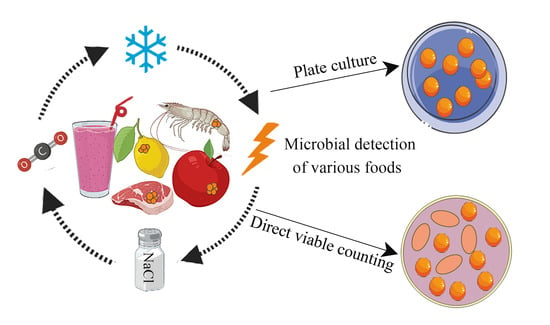
Foodborne diseases caused by foodborne pathogens pose risks to food safety. Effective detection and efficient inactivation of pathogenic bacteria has always been a research hotspot in the field of food safety. Complicating these goals, bacteria can be induced to adopt a viable but non-culturable (VBNC) state under adverse external environmental stresses. When in the VBNC state, pathogens cannot form visible colonies during traditional culture but remain metabolically active and toxic. The resulting false negative results in growth-related assays can jeopardize food safety. This review summarizes the latest research on VBNC foodborne pathogens, including induction conditions, detection methods, mechanism of VBNC formation, and possible control strategies. It is hoped that this review can provide ideas and methods for future research on VBNC foodborne pathogenic bacteria.

Research – Detection of Escherichia coli O157:H7 in imported meat products from Saudi Arabian ports in 2017

Nature.com

Escherichia coli O157:H7 is a foodborne pathogen, which causes various health conditions in humans, including fatigue, nausea, bloody diarrhoea and in some cases, even death. In 2017, 15.71% of the total imported food products in Saudi Arabia (SA) were meat-based. India and Brazil are two of the top five countries from where SA imports meat. According to the Saudi Food and Drug Authority, in 2017, at least 562, 280, and 50 samples of imported beef, chicken and sheep meat, respectively, were tested for the presence of E. coli O157:H7. Amongst these, E. coli O157:H7 was detected in respectively 6.80% and 2.20% of the tested beef meat samples imported from India and Brazil as well as in respectively 6.96% and 3.57% of the tested chicken samples imported from Brazil and Ukraine. Moreover, the pathogen was detected in 2.13% of the tested sheep meat samples imported from India. The present report provides evidence that imported meat can serve as the carrier of E. coli O157:H7, which may lead to epidemics within the Kingdom of Saudi Arabia.

Research – Comparison of Activity of Commercial Protective Cultures and Thermophilic Lactic Acid Bacteria against Listeria monocytogenes: A New Perspective to Improve the Safety of Sardinian PDO Cheeses

MDPI

Abstract

Listeria monocytogenes contamination that occurs during and post-processing of dairy products is a serious concern for consumers, and bioprotective cultures can be applied to control the growth of the pathogen in sheep milk cheeses. However, to respect specifications provided for protected designation of origin (PDO) cheeses, only autochthonous microorganisms can be used as bioprotective cultures in these products. This in vitro study aimed to evaluate thermophilic lactic acid bacteria (LAB) isolated from sheep milk as bio-preservative agents to control L. monocytogenes growth in PDO cheese. Results were compared with those obtained with a commercial protective culture (cPC) composed of a Lactiplantibacillus plantarum bacteriocin producer designed to inhibit L. monocytogenes growth in cheese. The in vitro antilisterial activities of n.74 autochthonous LAB and a cPC were tested against 51 L. monocytogenes strains using an agar well diffusion assay. In addition, 16S rRNA sequencing of LAB isolates with antilisterial activity was conducted and strains of Lactobacillus helveticusLactobacillus delbrueckii subsp. indicusLactobacillus delbrueckii subsp. sunkiiLactobacillus delbrueckii subsp. lactis and Enterococcus faecalis were identified. In this study, 33.6% (74/220) bacterial strains isolated from milk had characteristics compatible with thermophilic LAB, of which 17.6% (13/74) had in vitro antilisterial activity. These results demonstrate that raw sheep milk can be considered an important source of autochthonous thermophilic LAB that can be employed as protective cultures during the manufacturing of Sardinian PDO cheeses to improve their food safety. The use of bioprotective cultures should be seen as an additional procedure useful to improve cheese safety along with the correct application of good hygienic practices during manufacturing and the post-processing stages.

Research – Nanoparticle Coatings on Glass Surfaces to Prevent Pseudomonas fluorescens AR 11 Biofilm Formation

MDPI

Abstract

Microbial colonization of surfaces is a sanitary and industrial issue for many applications, leading to product contamination and human infections. When microorganisms closely interact with a surface, they start to produce an exo-polysaccaridic matrix to adhere to and protect themselves from adverse environmental conditions. This type of structure is called a biofilm. The aim of our work is to investigate novel technologies able to prevent biofilm formation by surface coatings. We coated glass surfaces with melanin-ZnO2, melanin-TiO2, and TiO2 hybrid nanoparticles. The functionalization was performed using cold plasma to activate glass-substrate-coated surfaces, that were characterized by performing water and soybean oil wetting tests. A quantitative characterization of the antibiofilm properties was done using Pseudomonas fluorescens AR 11 as a model organism. Biofilm morphologies were observed using confocal laser scanning microscopy and image analysis techniques were used to obtain quantitative morphological parameters. The results highlight the efficacy of the proposed surface coating to prevent biofilm formation. Melanin-TiO2 proved to be the most efficient among the particles investigated. Our results can be a valuable support for future implementation of the technique proposed here in an extended range of applications that may include further testing on other strains and other support materials.

Research IMPERATIVES FOR IMPROVEMENT OF FOOD SAFETY IN FRUIT AND VEGETABLE VALUE CHAINSIN VIET NAM

ADB

Key Findings
 
Production of fruits and vegetables in Viet Nam has been changing, which is driven by consumer preferences, urbanization, demographics, and rising incomes. Yet, they are produced with high usage of chemical fertilizers and pesticides. Consumers, in general, particularly in Ha Noi, buy most of their fruits and vegetables from traditional wet markets. Produce sold in these markets are not certified and not traceable to farms. Many wet markets in Ha Noi suffer from insu ̄cient infrastructure.
 
Waste management is unhygienic, and there is no clear separation between the areas selling fruits and vegetables and those selling animals and animal products.
 
Researchers from Vietnam National University of Agriculture (VNUA) collected biological samples of mustard greens, cucumber, and dragon fruit from farms, wholesale markets, and retail markets and analyzed them for Salmonella and Escherichia coli (E. coli) at the Department of Food Processing Technology at VNUA. Their analysis shows that foodborne pathogens are a particular concern for leafy vegetables. About 31% of the mustard greens samples collected from farms had E. coli loads above maximum permissible levels, 67% for samples collected from wholesale markets, and 82% from retail markets.
 
The increase of pathogenic loads across the value chains—from farm to retail—can be traced from lack of hygienic practices in handling of fruits and vegetables by all players.
 
Samples of dragon fruit, mustard greens, and cucumber were also analyzed for five commonly used chemical pesticides, two heavy metals, and nitrate. Pesticide residue analysis was performed at the National Institute for Food Control, while the other contaminants were analyzed at the Department of Food Processing Technology at VNUA.
 
Out the three types of produce sampled, pesticide residue above permissible levels was found only in cucumber. No samples had heavy metals and nitrate concentrations above maximum permissible levels. A banned active ingredient was detected in only one type of produce, mustard greens (in one of 20 samples), and was not found in dragon fruit or cucumber.
 
Chemical pesticide contamination in fruits and vegetables is a key concern of consumers and other stakeholders.
 
Foodborne pathogens are generally perceived as a smaller concern because consumers believe they can manage this risk through food preparation methods, which is a misconception as foodborne pathogens are the most important health risks for Vietnamese consumers (World Bank 2016 ).
 
The Government of Viet Nam has designated particular areas for “safe vegetable production.” These areas currently account for about 40% of Ha Noi’s vegetable area of 12,000 hectares. Vegetable farmers in these areas have been encouraged to form producer cooperatives. The government regularly tests soil and water quality and also tests vegetable produce for pesticide residues once a year. Livestock farming is not allowed in these areas to reduce the risk of cross-contamination.
 
These actions contribute to improving the food safety of vegetables to some extent. But they do help government agencies to better support smallholder vegetable farmers and monitor the quality of the produce.
 
Over the past decade, Viet Nam has revised its food safety laws and regulations, and the existing frameworks are mainly in line with international standards (Vu and Anh 2016 ). The country has a National Food Safety Committee, but there is no central food safety agency. Responsibilities are divided over three ministries (agriculture, commerce, and health), which results in some contradictions and confusion in enacting food safety-related regulations and acts among these ministries.
 
The implementing capacity of government organizations is rather limited. Authorities in charge of food safety seem to remain focused on inspection and control of end products, but not much on preventing contamination in production and marketing processes.