Category Archives: Research

Research – Efficacy of Different Antimicrobials on Inhibition of Listeria monocytogenes Growth in Laboratory Medium and On Cold-Smoked Salmon

Science Directlisteria-hp

L. monocytogenes is of particular concern in cold-smoked fish products as it can survive curing and cold-smoking, and can subsequently grow from low numbers to potentially hazardous levels during refrigerated storage. The purpose of this study was to (i) quantify the effects of organic acids, nisin, and their combinations on controlling L. monocytogenes growth on cold-smoked salmon at refrigeration temperatures, (ii) identify synergistic interactions of binary combinations of these antimicrobials, and (iii) determine if results from laboratory growth media can predict antimicrobial efficacy on cold-smoked salmon. Strains representing the genetic diversity of L. monocytogenes lineages I and II were grown in brain heart infusion (BHI) broth as well as on the surface of commercially produced wet-cured, cold-smoked salmon slices at 7 °C. BHI broth and cold-smoked salmon were supplemented with sodium diacetate (SDA, 0.14% water phase (w.p.)), potassium lactate (PL, 2% w.p.), nisin (NI, 50 ppm), and binary combinations of inhibitors at the same levels. Cell densities of L. monocytogenes were measured over time and used to calculate growth parameters, including initial cell density (N0), lag phase (λ), maximum growth rate (μmax), and maximum cell density (Nmax) for each antimicrobial treatment. N0 was significantly lowered by addition of NI with a similar average reduction on salmon (2.02 ± 0.99 log(CFU/g)) and in BHI (1.51 ± 0.83 log(CFU/ml)). Among all antimicrobial treatments, the combination of PL and SDA led to the greatest increase in λ both on salmon (7.1 ± 3.6 days) and in BHI (9.7 ± 3.8 days) when compared to the controls. The combination of PL and SDA had synergistic effects on increasing λ and lowering Nmax both in BHI and on salmon. Among all the treatments tested, the combination of NI and PL led to the greatest reductions in Nmax on salmon. We observed positive correlations between the growth parameters obtained from BHI broth and cold-smoked salmon, indicating that growth of L. monocytogenes in broth, to some extent, qualitatively reflected characteristics of growth on cold-smoked salmon under antimicrobial stresses. Results from BHI could quantitatively predict the variability of growth parameters obtained from salmon for lineage II strains, but not for lineage I strains. Although results from laboratory growth medium may not provide exact predictions of antimicrobial efficacy on cold-smoked salmon, they could be used to rapidly identify effective combinations for further examination on cold-smoked salmon.


Research – Salmonella Protective Switch

HACCP Europa

Salmonella Typhimurium causes food poisoning in people and can be fatal in the elderly or very young. Recent technological advances in the field known as proteomics are allowing researchers to explore how proteins, the workhorses of the cell, allow the bacteria to infect and cause illness. Most technologies that examine a cell’s ensemble of proteins do so by chopping the proteins up. Adkins, lead author Charles Ansong and other colleagues wanted to look at whole proteins, which provides more information such as how proteins are regulated.

For the first time, researchers have found a particular kind of molecular switch in the food poisoning bacteria Salmonella Typhimurium under infection-like conditions. This switch, using a process called S-thiolation, appears to be used by the bacteria to respond to changes in the environment during infection and might protect it from harm.

Research – Copper Kills Norovirus

Food Posioning BulletinNorwalk_Caspid

New research presented last week at the American Society for Microbiology’s 2013 general meeting showed that copper can destroy norovirus. The research was conducted at the University of Southampton. That virus causes more than 20 million illnesses in the United States every year, according to the Centers for Disease Control and Prevention, and norovirus causes 267 million infections worldwide every year.

Norovirus is extremely contagious and often affects people in contained situations, such as cruise ships and retirement homes. It is spread through person-to-person contact, contact with contaminated objects, and through food and drink.

Scientists discovered that norovirus is quickly destroyed on contact with copper.

USA Research – Report on Anitmicrobial Resistance

Food Poisoning Bulletincocci

The Center for Science in the Public Interest (CSPI) has released a white paper titled “Antibiotic Resistance in Foodborne Pathogens.” The paper details information about more than 55 foodborne illness outbreaks since 1973. In 31 of those outbreaks, the bacteria were resistant to five or more antibiotics. Forty-eight of the 55 outbreaks were caused by Salmonella bacteria.

The foods most likely associated with antibiotic resistant bacteria included dairy products, ground beef, and poultry; those foods were associated with 31 out of 55 outbreaks. The paper states that the two populations that are most at risk of foodborne illness are children and immune-compromised people.

CSPI is critical of the FDA’s approach to dealing with this problem. In April 2012, the FDA issued guidance documents for industry that just “encourage” drug companies to change labeling on antibiotics used in animals to prevent their non-therapeutic use for growth promotion or feed efficiency. Scientists, including those at Johns Hopkins Center for a Livable Future, say that the government should issue regulations about antibiotic use that have enforcement capability. Furthermore, CSPI and other groups want legislation such as “The Preservation of Antibiotics for the Medical Treatment Act” or PAMTA, passed into law.

Research – Retrospective Analysis of Salmonella, Campylobacter, Escherichia coli, and Enterococcus in Animal Feed Ingredients

Liebert Online

The presence and antimicrobial susceptibility of foodborne pathogens and indicator organisms in animal feed are not well understood. In this study, a total of 201 feed ingredient samples (animal byproducts, n=122; plant byproducts, n=79) were collected in 2002 and 2003 from representative rendering plants and the oilseed (or cereal grain) industry across the United States. The occurrence and antimicrobial susceptibility of four bacterial genera (Salmonella, Campylobacter, Escherichia coli, and Enterococcus) were determined. Salmonella isolates were further characterized by serotyping and pulsed-field gel electrophoresis (PFGE). None of the samples yielded Campylobacter or E. coli O157:H7, whereas Salmonella, generic E. coli, and Enterococcus were present in 22.9%, 39.3%, and 86.6% of samples, respectively. A large percentage (47.8%) of Salmonella-positive samples harbored two serovars, and the vast majority (88.4%) of Enterococcus isolates were E. faecium. Animal byproducts had a significantly higher Salmonella contamination rate (34.4%) than plant byproducts (5.1%) (p<0.05). Among 74 Salmonella isolates recovered, 27 serovars and 55 PFGE patterns were identified; all were pan-susceptible to 17 antimicrobials tested. E. coli isolates (n=131) demonstrated similar susceptibility to these antimicrobials except for tetracycline (15.3% resistance), sulfamethoxazole (7.6%), streptomycin (4.6%), ampicillin (3.8%), and nalidixic acid (1.5%). Enterococcus isolates (n=362) were also resistant to five of 17 antimicrobials tested, ranging from 1.1% to penicillin to 14.6% to tetracycline. Resistance rates were generally higher among isolates recovered from animal byproducts. Taken together, our findings suggest that diverse populations of Salmonella, E. coli, and Enterococcus are commonly present in animal feed ingredients, but antimicrobial resistance is not common. Future large-scale studies to monitor these pathogenic and indicator organisms in feed commodities is warranted.

Research – Salmonella and Campylobacter Prevalence and Concentration on Pasture-Raised Broilers

USDA

The small-scale, pasture-raised poultry production model is a growing niche in
the locally grown food movement. There is limited research that focuses on the
food safety of small-scale broiler processing methods. The objective of this
study was to compare Salmonella and Campylobacter prevalence and concentrations on pasture-raised broilers processed on-farm, in a small United States Department of Agriculture (USDA)-Inspected custom slaughter facility (U-IF), and in a Mobile Processing Unit (MPU) pilot plant. A total of 120, 100, and 50 post-chill, pasture-raised broiler carcasses were sampled from each processing method, respectively. Salmonella and Campylobacter concentrations in whole carcass rinses were determined using a 3-tube Most Probable Number (MPN) method for Salmonella and direct plating method for Campylobacter according to the USDA-Food Safety and Inspection Service (FSIS) protocols. Salmonella prevalence and concentrations on-farm (89% and 1.78 MPN/carcass [95% CI: 1.60-1.96]), USDA-IF (43% and 0.78 MPN/carcass [95%CI: 0.58-0.98]) were significantly (P <0.05) different. Campylobacter prevalence was not significantly (P >0.05) different on carcasses processed by the three methods (70% on-farm, 82% USDA-IF, and 100% MPU). The mean log10 Campylobacter concentrations in MPU processed carcasses (5.44 CFU/carcass [95% CI: 5.24-5.63]) was significantly higher (P < 0.05) compared to on-farm (2.32 CFU/carcass [95% CI: 2.06-2.80]) and USDA-IF (2.44 CFU/carcass (95% CI: 2.03-2.85]). Based on the results of this baseline study, most pasture-raised broilers processed by the three methods were contaminated with Salmonella and/or Campylobacter with the exception of MPU carcasses on which Salmonella was not detected. Further research is needed to assess other potential risk factors such as farm and regional differences.

Research – Campylobacter in Chicken Embryo’s

Poultry SiteEGGS

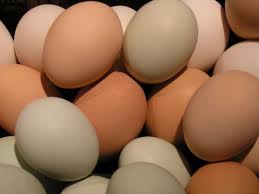
US – Evidence of Campylobacter has been found in all the seven-day-old chick embryos tested by researchers with the USDA Agricultural Research Service (ARS).

Campylobacter, a foodborne pathogen closely associated with poultry, is recognised as a leading bacterial aetiological agent of human gastroenteritis in the United States.

In a paper published in Poultry Science, Kelli Hiett and colleagues at USDA ARS Richard B. Russell Research Center in Athens, Georgia, report two trials in which tissues from seven-, 14/15- and 19-day-old commercial broiler chicken embryos were tested for the presence of Campylobacter using both culturing methodology and PCR.

Conventional culturing methods failed to detect Campylobacter from any samples tested during this investigation.

Research – Natural Gut Flora Protection Against E.coli O157

Science Daily

A cocktail of non-pathogenic bacteria naturally occurring in the digestive tract of healthy humans can protect against a potentially lethal E. coli infection in animal models according to research presented today at the 113th General Meeting of the American Society for Microbiology. The research, conducted by scientists at the University of Michigan Medical School in Ann Arbor, could have important implications for the prevention or even treatment of this disease.

USA Research – Food Testing Laboratory Accuracy?

Medical Express

Food microbiology laboratories continue to submit false negative results and false positive results on a routine basis. A retrospective study of nearly 40,000 proficiency test results over the past 14 years, presented today at the 113th General Meeting of the American Society for Microbiology, examined the ability of food laboratories to detect or rule out the presence of Escherichia coli O157:H7, Salmonella, Listeria monocytogenes, and Campylobacter.

The study found that, on average, food laboratories report false negatives of 9.1% for Campylobacter, a bacterial foodborne illness that may cause bloody diarrhea, cramping and fever, and 4.9% for Salmonella, a bacteria that may cause diarrhea, fever and abdominal cramps sometimes leading to hospitalization or death. The false positive rate, on average, is 3.9% for Salmonella, and 2.5% for both E. coli and L. monocytogenes.


Canada – Norovirus Top Food Poisoning Bug in Canada

Food Poisoning BulletinNorwalk_Caspid

Norovirus causes about one fourth of all food poisoning cases in Canada each year, according to a new study published in the May issue of the journal Foodborne Pathogens and Disease. About 4 million Canadians, one in every eight, are sickened  by food poisoning each year, according to the study. Norovirus is also the leading cause of food poisoning in the U.S. where one in six people, or about 48 million, are stricken by foodborne illness each year.

The Canadian study looked at illnesses reported from a variety of sources including: the Canadian Notifiable Disease Surveillance System, the National Enteric Surveillance Program, enhanced national listeriosis surveillance, the provincial reportable disease surveillance system, national studies on gastrointestinal illness and C-EnterNet surveillance. Most of the illnesses reported, about 60 percent of them, were from unspecified agents.