Category Archives: Research

USA – U.S. lacks sufficient aflatoxin checks on peanuts destined for Europe

Food Safety News

The United States has limited controls to manage aflatoxin contamination in peanuts for export to Europe, according to findings from an audit carried out because of regular detection of non-compliances.

Officials from DG Sante, the European Commission’s unit for food safety and health, said there was scope to develop and improve good practices across the industry to help reduce levels of aflatoxin in peanuts.

The audit assessed if the systems to control aflatoxin contamination in peanuts sent to the European Union comply with, or are equivalent to, EU laws to ensure limits for contaminants are respected. It found the legal framework primarily addresses peanuts for the domestic market and imports. There are no specific standards for peanuts intended for the EU.

It is possible for processors to export a lot to Europe which has, in the analysis of another sample from the same lot, had a result exceeding EU limits, according to DG Sante.
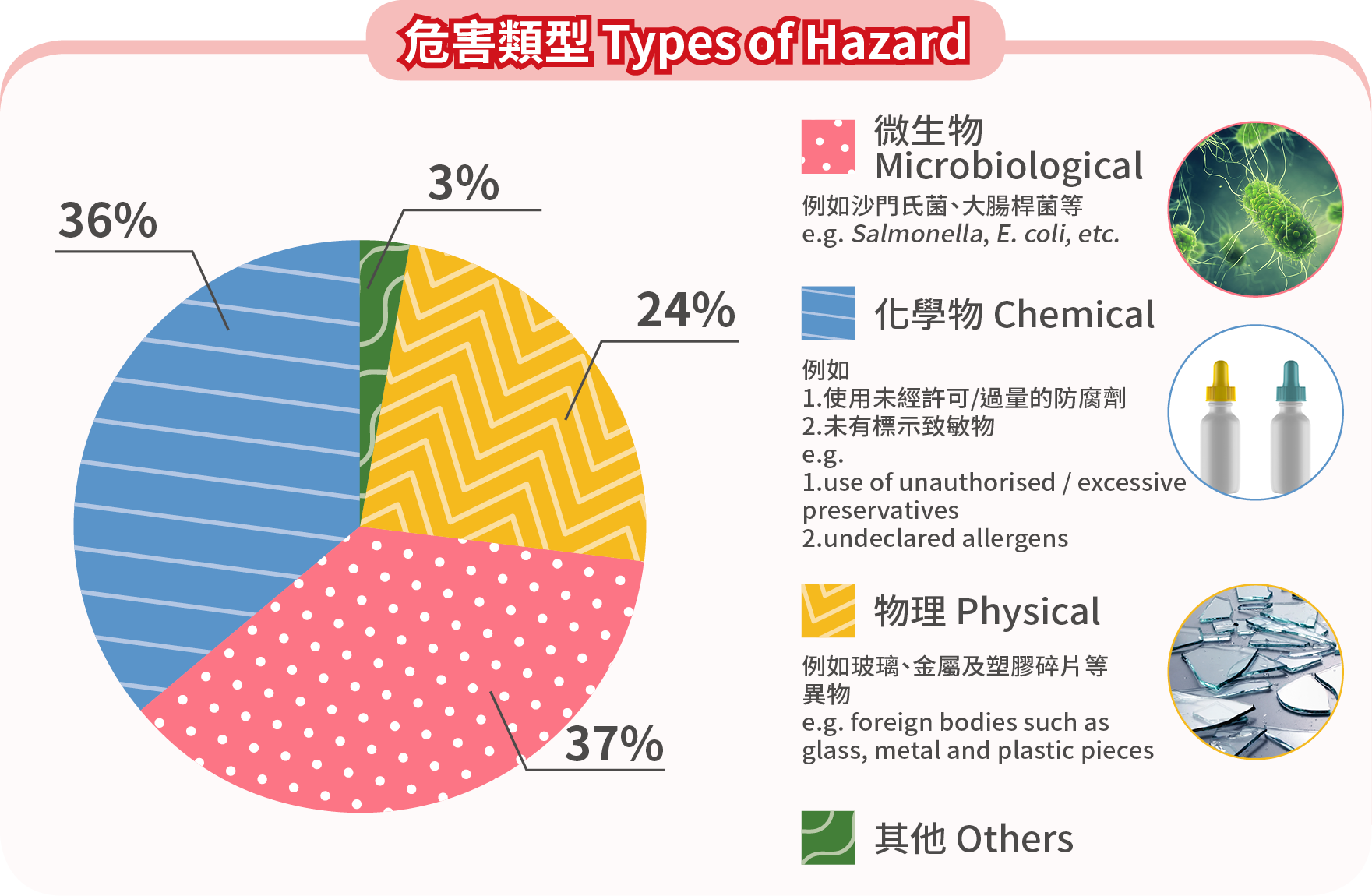
Hong Kong -Review of Food Incidents in 2019

Review of Food Incidents in 2019


CFS

Highlight of ways to prevent cross-contamination.

Hong Kong – Coronaviruses and Foodborne Zoonoses

CFS

The current outbreak of coronavirus disease (COVID-19) has been spreading rapidly around the world.  COVID-19 was believed to be caused by a novel coronavirus (SARS-CoV-2), originated in animals and plausibly jumping across the species barrier to infect humans, The virus has then sustained a human-to-human transmission.

Zoonoses are diseases or infections transmitted between some animals and humans.  There are various ways in which people can catch a zoonosis: through direct contact with animals or materials contaminated by these animals, being bitten by a germ-carrying vector such as a mosquito, as well as through drinking contaminated water or eating contaminated food (foodborne zoonoses).  While COVID-19 is likely a zoonosis, can we acquire the disease through eating?

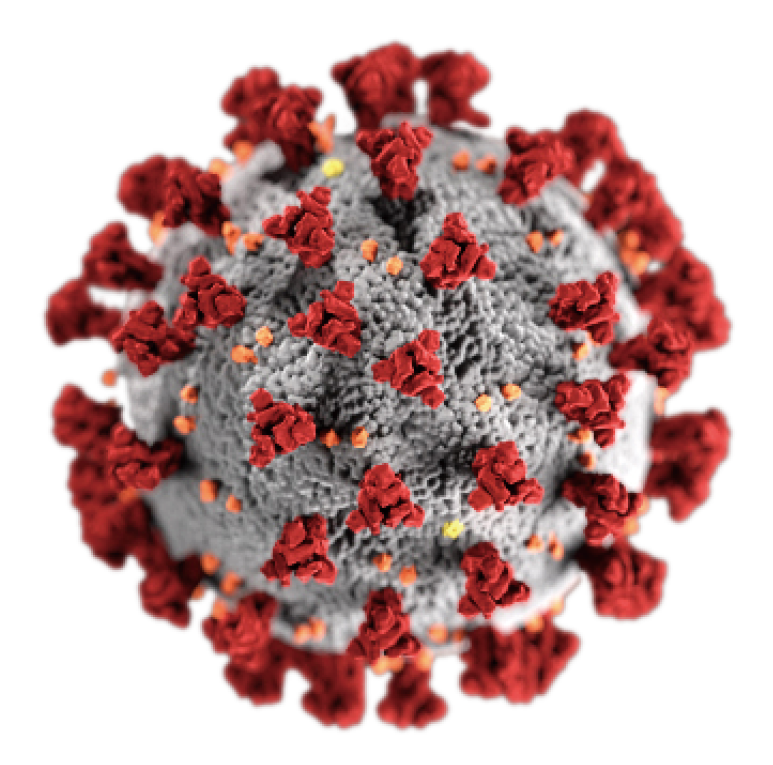
Illustration of a SARS-CoV-2 virion

Germany – Germans think risk of coronavirus transmission by food is low

Food Safety News

The probability of coronavirus being transmitted via food is perceived by the public as being low, according to a survey in Germany.

Two thirds said the probability of being infected with the novel coronavirus (COVID-19) via food was low. More than one in five rated the chance as medium and 12 percent said it was high.

There are no cases which have shown any evidence of humans being infected with the new type of coronavirus by consumption of contaminated food, according to the German Federal Institute for Risk Assessment (BfR). As the viruses are sensitive to heat, risk of infection can be further reduced by heating foods.

The European Food Safety Authority (EFSA) has also said there is no evidence that food is a likely source or route of transmission of the virus.

Sweden – First recorded EIEC outbreak in Sweden linked to leafy greens – E.coli

Food Safety News

Researchers have shed more light on the first recorded enteroinvasive E. coli (EIEC) outbreak in Sweden.

The outbreak in the county of Halland in 2017 had 83 self-reported infections and one secondary case attributed to household transmission, based on a study published in the journal Eurosurveillance.

Leafy greens were suspected to be behind the outbreak as this item was in a number of dishes associated with illnesses. There was no microbiological evidence to identify the source or vehicle of infection, but contaminated salad greens have been linked to previous EIEC outbreaks.

All five staff members at the conference and hotel venue that met the case definition had symptom onset at least one day after the first reported case among venue visitors.

Research – Study finds olive leaf extract can inhibit the growth of foodborne pathogens

New Food Magazine

The extract, from Euromed, was found to inhibit the growth of Listeria monocytogenes and could be a potential adjunct to help control foodborne pathogens.

A recently published study has found that olive leaf extract from Euromed, standardised herbal extract and active pharmaceutical ingredients producer, inhibits the growth of Listeria monocytogenes bacteria.

Research- Effect of cultivars and irrigation waters on persistence of indicator bacteria on lettuce grown in high tunnel

Wiley Online

Abstract

Effect of irrigation with groundwater (GW), primary‐treated wastewater (PTWW), secondary‐treated wastewater (STWW), and roof‐collected rainwater (RCR) on the microbial quality of lettuce cultivars “Annapolis,” “Celinet,” and “Coastline” grown in high tunnel was investigated. Lettuce plants were spray irrigated with irrigation waters once a week for 2 weeks and analyzed for indicator and pathogenic bacteria. PTWW irrigation resulted in the highest Escherichia coli recovery on the lettuce plants (4.7 log MPN/g) as compared to irrigation with other three waters on 0 day post irrigation (dpi). Lettuce cultivars affected the bacterial die‐off rate, where E. coli populations reduced the most by 1.5 log MPN/g on “Annapolis” lettuce on 2 dpi. The STWW and RCR irrigation did not significantly influence indicator bacterial populations on lettuce as compared to GW irrigation. The STWW and RCR containing low populations of indicator bacteria may be suitable for lettuce irrigation in Mid‐Atlantic area without affecting its microbial quality.

Research – Salmonella enterica Elicits and Is Restricted by Nitric Oxide and Reactive Oxygen Species on Tomato

Frontiers in Microbiology

The enteric pathogen Salmonella enterica can interact with parts of the plant immune system despite not being a phytopathogen. Previous transcriptomic profiling of S. enterica associating with tomato suggested that Salmonella was responding to oxidative and nitrosative stress in the plant niche. We aimed to investigate whether Salmonella was eliciting generation of reactive oxygen species (ROS) and nitric oxide (NO), two components of the microbe-associated molecular pattern (MAMP)-triggered immunity (MTI) of plants. We also sought to determine whether this interaction had any measurable effects on Salmonella colonization of plants. Biochemical, gene expression and on-plant challenge assays of tomato vegetative and fruit organs were conducted to assess the elicitation of ROS and NO in response to Salmonella Newport association. The counter bacterial response and the effect of NO and ROS on Salmonella colonization was also investigated. We detected H2O2 in leaves and fruit following challenge with live S. Newport (p < 0.05). Conversely, NO was detected on leaves but not on fruit in response to S. Newport (p < 0.05). We found no evidence of plant defense attenuation by live S. Newport. Bacterial gene expression of S. Newport associating with leaves and fruit were indicative of adaptation to biotic stress in the plant niche. The nitrosative stress response genes hmpA and yoaG were significantly up-regulated in S. Newport on leaves and fruit tissue compared to tissue scavenged of NO or ROS (p < 0.05). Chemical modulation of these molecules in the plant had a restrictive effect on bacterial populations. Significantly higher S. Newport titers were retrieved from H2O2 scavenged leaves and fruit surfaces compared to controls (p < 0.05). Similarly, S. Newport counts recovered from NO-scavenged leaves, but not fruit, were higher compared to control (p < 0.05), and significantly lower on leaves pre-elicited to produce endogenous NO. We present evidence of Salmonella elicitation of ROS and NO in tomato, which appear to have a restricting effect on the pathogen. Moreover, bacterial recognition of ROS and NO stress was detected. This work shows that tomato has mechanisms to restrict Salmonella populations and ROS and NO detoxification may play an important role in Salmonella adaptation to the plant niche.

Research – Eating too much salt seems to impair body’s ability to fight bacteria

New Scientist listeria

Eating too much salt may impair the body’s ability to fight bacterial infections, according to studies in mice and in 10 human volunteers.

Christian Kurts at the University Hospital of Bonn in Germany and his team first showed that mice given a high salt diet were less able to fight kidney infections caused by E. coli and body-wide infections caused by Listeria monocytogenes, a common cause of food poisoning.

“The bacteria caused more damage before the immune system got rid them,” says Kurts.

Next, the team gave 10 healthy women and men who were 20 to 50 years old an extra 6 grams of salt a day on top of their normal diet, in the form of three tablets a day. After a week, some of their immune cells, called neutrophils, had a greatly impaired ability to engulf and kill bacteria compared with the same tests done on each individual before they took extra salt.

Research – Burying or burning garbage boosts airborne bacteria, antibiotic resistance genes

Science Daily

Municipal solid waste is trash — such as plastic, food scraps and lawn clippings — that goes into garbage bins and doesn’t get recycled. Most of this waste is buried in landfills or is incinerated. Now, researchers reporting in ACS’ Environmental Science & Technology have shown that when disposed of in this way, municipal solid waste can be an important source of antibiotic-resistance genes in the air.

Residual antibiotics from discarded medications and other products can end up in municipal solid waste. Some microbes in the garbage are resistant to those antibiotics, and they can spread resistance genes to other bacteria, allowing them to survive in the presence of these drugs. But scientists hadn’t studied whether treating the garbage through incineration or landfilling releases these bacteria and genes into the air, where people or animals could breathe them in. So Yi Luo, Xiangdong Li and colleagues wanted to investigate the bacterial community and associated antibiotic-resistance genes in the municipal solid waste treatment system of Changzhou, a city in eastern China.