Category Archives: raw milk cheese

RASFF Alert – STEC E.coli – Raw Milk Goat Cheese

RASFF

Presence of E. coli VTEC in robiola goat cheese from raw milk from Italy in Switzerland

Research – Current Advances in Cheese Microbiology

MDPI

Cheese is a complex microbial ecosystem containing microorganisms that are either deliberately added or that enter milk, curd or cheese as contaminants. From a technological point of view, the microbiota of cheese could be classified according to the following scheme [1,2]: (i) (primary) starter cultures, composed of lactic acid bacteria (LAB) that “start” fermentation and, consequently, the acidification of milk and curd; (ii) (secondary) adjunct cultures, comprising different species of bacteria, yeasts and molds, which are intentionally added to the milk, the curd, the surface of the cheese or the interior of the previously punctured mass in the manufacture of blue cheeses, with the aim of participating in cheese ripening and the development of sensory characteristics; and (iii) (secondary) adventitious microbiota, made up of microorganisms that spontaneously contaminate milk or cheese at any of the production stages and that contribute, similarly to adjunct cultures, to the development of the characteristic appearance, texture and flavor of the different cheese varieties, yet which are occasionally responsible for defects and off-flavors.
Cheeses made from raw milk (especially from sheep or goats, or from cattle reared using extensive methods) are generally assumed to have a more intense and rich flavor than cheeses made from pasteurized or microfiltered milk. The native microbiota present in raw milk seems to be primarily responsible for the typical sensory properties and flavor development of these products. Nevertheless, it must be taken into account that the microbial diversity of raw milk (particularly raw cow’s milk) has been seriously threatened in industrialized countries as a consequence of the implementation of strict hygienic conditions on farms and during milking, as well as when stored at low temperatures. In certain current productions of traditional raw cow’s milk cheeses, the presence of adventitious bacteria such as enterococci has decreased dramatically compared to those analyzed several decades ago, and some flavor attributes are most likely being lost [3].
In order to control cheese ripening, the first and most focused approach would lie in the isolation and selection of autochthonous microbial cultures, returning them to cheesemakers for the production of the different cheese varieties. This choice would allow for the partial restoration of the flavor in productions where the use of raw milk is restricted, or where raw milk has undergone an improvement in its microbiological quality and a consequent modification of its “traditional” microbiota. The use of selected adjunct microbial cultures may enhance the typicality of the Protected Designation of Origin (PDO) cheeses, resulting in a closer sensory quality to that of traditional products [4].

Research – Modeling the survival of Campylobacter jejuni in raw milk considering the viable but non-culturable cells (VBNC)

Wiley Online

Abstract

Campylobacter spp. cannot grow in raw milk, but it is able to transform into a viable but non-culturable (VBNC) state enabling the survival in such harsh conditions. In this study, Campylobacter jejuni survival in raw milk was investigated taken into consideration colony-forming units (CFUs) and VBNC cells. CFU from two different strains of C. jejuni (DSM 4688 and BfR-CA-18043) were enumerated at three temperatures (5°C, 8°C, and 12°C). In parallel, a viability real-time PCR was conducted to quantify intact and putatively infectious units (IPIUs) (comprising CFU and VBNC bacteria). The data generated were used to model the viability of C. jejuni during raw milk storage. Here, a one-step fitting approach was performed using parameter estimates from an intermediate two-step fit as starting values to generate tertiary models. Different primary model equations (Trilinear and Weibull) were required to fit the CFU and the IPIU data. Strain-specific linear secondary models were generated to analyze the effect of storage temperature on the maximum specific inactivation rate of the CFU data. The time of the first decimal reduction parameter of the IPIU models could be modeled by a strain-independent linear secondary model. The developed tertiary models for CFU and IPIU differ significantly in their predictions, for example, for the time required for a one log10 reduction. Taken into consideration that VBNC could revert to a culturable state during the raw milk storage, our results underline the importance of considering IPIU and not only CFU to avoid underestimation of the survival of C. jejuni in raw milk.

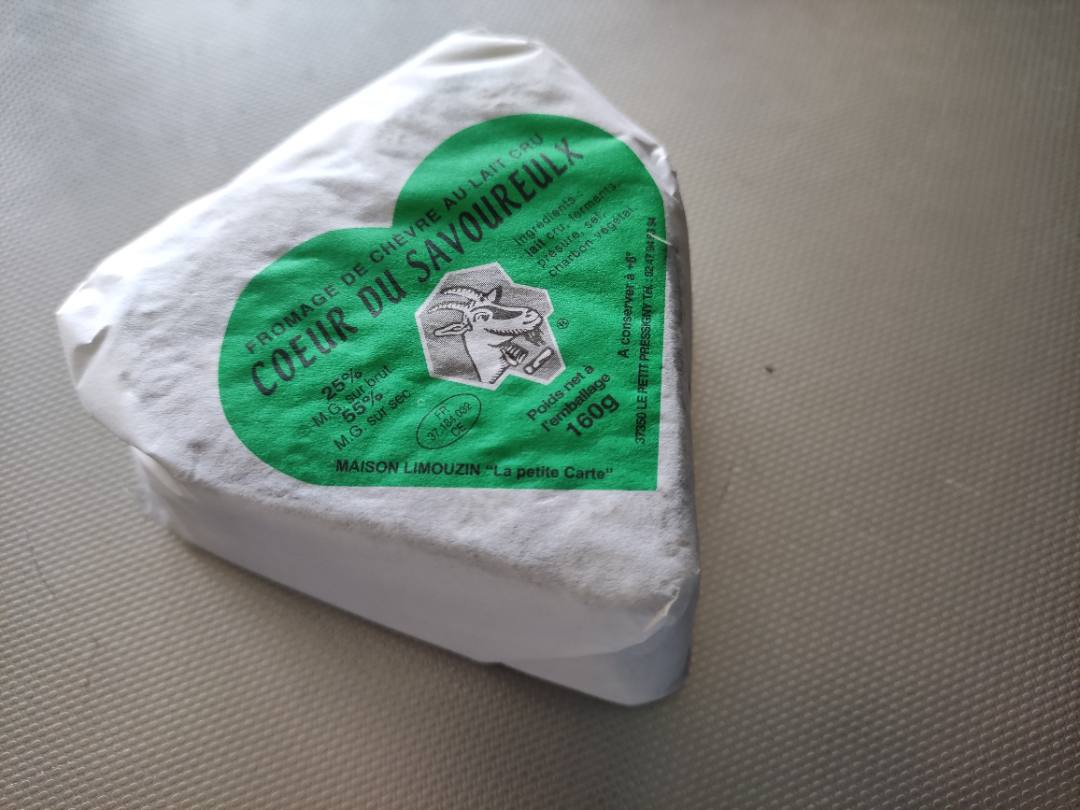
France – Raw Milk Cheese HEART OF SAVOURULX – STEC E.coli

Gov france

Identification information of the recalled product

  • Product category Feed
  • Product subcategory Milk and dairy products
  • Product brand name LIMOUZIN HOUSE
  • Model names or references RAW MILK GOAT CHEESE
  • Identification of products
    Batch Date
    FROM 4/06 TO 22/06 Date of minimum durability 08/21/2023
  • Packaging PACKAGED IN SELF-SERVICE
  • Marketing start/end date From 06/09/2023 to 06/23/2023
  • Storage temperature Product to be stored in the refrigerator
  • Health mark FR 37.184.032
  • Geographic area of ​​sale Whole France
  • Distributors THE MARKET HALL TOWERS

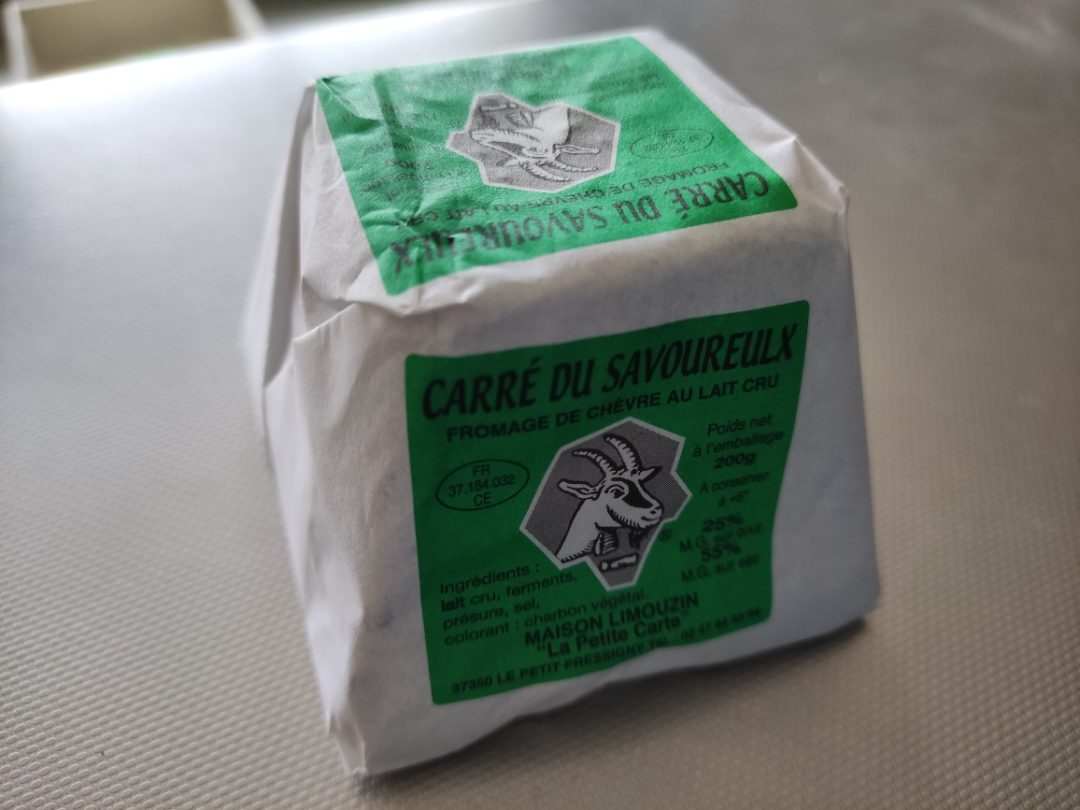
France – Raw Milk Cheese – SAVOURULX SQUARE – STEC E.coli

Gov france

Identification information of the recalled product

  • Product category Feed
  • Product subcategory Milk and dairy products
  • Product brand name LIMOUZIN HOUSE
  • Model names or references RAW MILK GOAT CHEESE
  • Identification of products
    Batch Date
    FROM 4/06 TO 22/06 Date of minimum durability 08/21/2023
  • Packaging PACKAGED IN SELF-SERVICE
  • Marketing start/end date From 06/09/2023 to 06/23/2023
  • Storage temperature Product to be stored in the refrigerator
  • Health mark FR 37.184.032
  • Geographic area of ​​sale Whole France
  • Distributors AUCHAN LOCHES INTERMARCHE BLERE LECLERC AMBOISE

RASFF Alerts – Listeria monocytogenes – Raw Milk Goat Cheese – Meatballs in Tomato Sauce – Dry Sausage – TORTA MONTEBIANCO

RASFF

Listeria monocytogenes in raw milk goat cheese from France in Germany

RASFF

Listeria monocytogenes in meatballs in tomato sauce from Belgium in France

RASFF

Listeria detected in dry sausage from France in  Denmark, Germany, Hong Kong, Netherlands and Singapore

RASFF

Suspicion of Listeria monocytogenes in TORTA MONTEBIANCO from Italy in France

Quebec – Absence of information necessary for the safe consumption of Appenzeller Classic Emmental cheese sold by Groupe Adonis inc. – Food Safety

Quebec

QUEBEC CITY , June 20, 2023 /CNW/ – The Ministère de l’Agriculture, des Pêcheries et de l’Alimentation (MAPAQ), in collaboration with Groupe Adonis Inc., is notifying people considered vulnerable (pregnant women, people whose immune system is weakened, children and the elderly) not to consume the product indicated in the table below, because it does not bear the mention “made of raw milk” which is required.

Product name

Format

Affected lot

“EMMI FROM.APPENZELLER CLAS”

VARIABLE

Units sold until June 20,
2023

The product that is the subject of this warning was offered for sale until June 20, 2023 inclusively, in all Adonis establishments in the province. It was wrapped in clear plastic wrap and sold chilled. The product label included, in addition to its name, the words “Groupe Adonis inc. “. A label on the back of the packaging also bore the words ‘Emmi Appenzeller SWITZERLAND ‘.

The retailer has agreed with MAPAQ to issue this warning as a precautionary measure. In addition, persons deemed vulnerable (designated above) who have this product in their possession are advised not to consume it. They should return it to the establishment where they bought it, use it in a cooked dish that will be cooked until it reaches a safe cooking temperature of 74°C or throw it away.

It should be noted that no case of illness associated with the consumption of this food has been reported to MAPAQ to date.

Additional information

The Ministry publishes various information documents concerning food safety. Those interested can consult the FoodThis link will open in a new window. section . They also have the possibility of registering online to receive, by e-mail, the food recallThis link will open in a new window. press releases  published by the Ministry. Finally, it is possible to follow “MAPAQfoods” on Twitter at the following address: www.twitter.com/MAPAQfoodsThis link will open in a new window. .

Hazard Classification: Class 1
Reference Number: 4754

Source:
Media relations
Direction des communications
Ministry of Agriculture, Fisheries
and Food
Tel. : 418 380-2100, extension 3512
www.mapaq.gouv.qc.caThis link will open in a new window.

Quebec – Absence of information necessary for the safe consumption of cheeses packaged and sold by Groupe Adonis inc. – Raw Milk

Quebec

QUEBEC CITY , May 24, 2023 /CNW/ –  The Ministère de l’Agriculture, des Pêcheries et de l’Alimentation (MAPAQ), in collaboration with Groupe Adonis Inc., is notifying people considered vulnerable (pregnant women, people with weakened immune systems, children and the elderly) not to consume the products indicated in the table below, because the mention “made of raw milk” which is required does not appear on the packaging.

Product name

Format

Affected lot

“FROM. SWISS GRUYERE »

Variable

Units sold until May 24,
2023

“EMMI FROM GRUYERE
KALTBACH”

The products that are the subject of this warning were offered for sale until May 24, 2023 inclusively, in all Adonis establishments in the province. The cheeses were wrapped in clear plastic wrap. The label of the products included, in addition to their name, the mention “Groupe Adonis inc . “.

The retailer has agreed with MAPAQ to issue this warning as a precautionary measure. In addition, people deemed vulnerable (designated above) who have one of these products in their possession are advised not to consume it. They should return it to the establishment where they bought it, use it in a cooked dish that will be cooked until it reaches a safe cooking temperature of 74°C, or throw it away.

It should be noted that no case of illness associated with the consumption of these foods has been reported to MAPAQ to date.

 Additional information

The Ministry publishes various information documents concerning food safety. Interested persons can consult the FoodThis link will open in a new window. section of the Government of Quebec website. They also have the option of registering online to receive, by e-mail, the food recallThis link will open in a new window. notices published by the Ministry Finally, it is possible to follow “MAPAQfoods” on Twitter at the following address: www.twitter.com/MAPAQfoodsThis link will open in a new window. .

Risk Classification: Class 1

Reference number: 4735

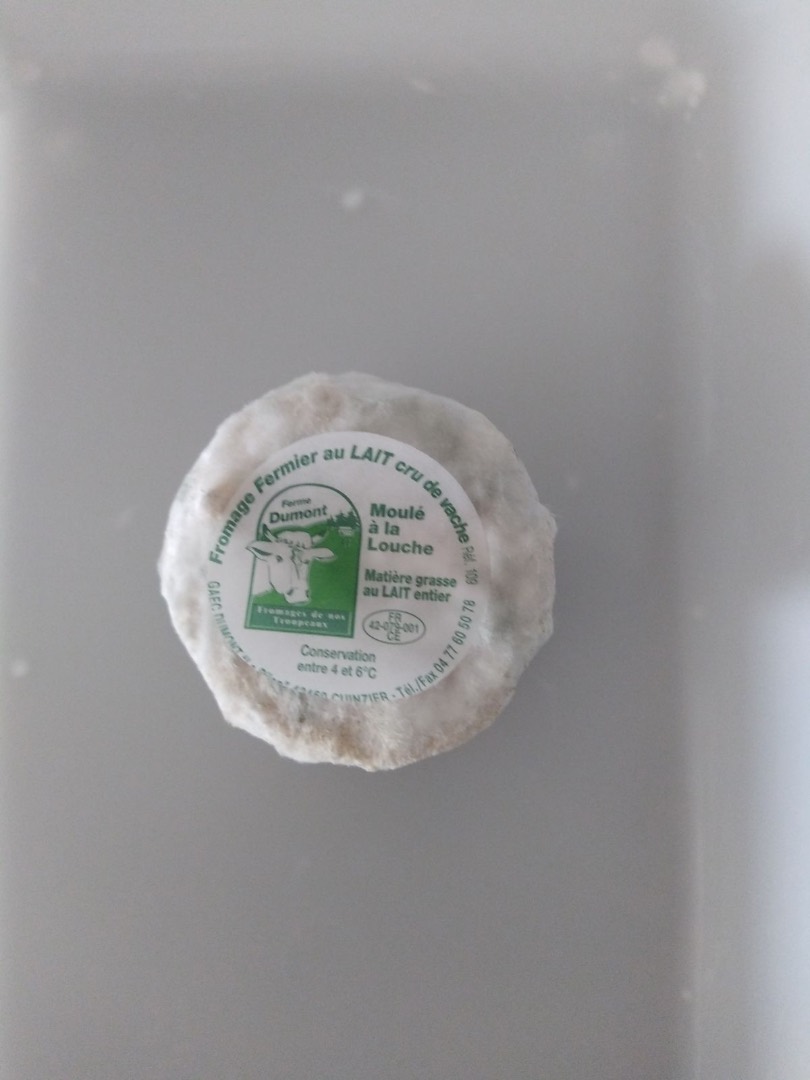
France – Raw milk cow cheese – Listeria monocytogenes

Gov france

Identification information of the recalled product

  • Product category Feed
  • Product subcategory Milk and dairy products
  • Product brand name dumont farm
  • Model names or references Refined raw milk cow cheese
  • Identification of products
    Batch Date
    69 Best before date 06/09/2023
    69 Best before date 04/28/2023
  • Packaging Packaging
  • Marketing start/end date From 04/25/2023 to 06/09/2023
  • Storage temperature Product to be stored in the refrigerator
  • Health marken 42-079-001 CE
  • Geographic area of ​​sale30km from Cuinzier
  • Distributors Proxi Cuinzier, Intermarché Varenne-sous-dun, super U Perreux

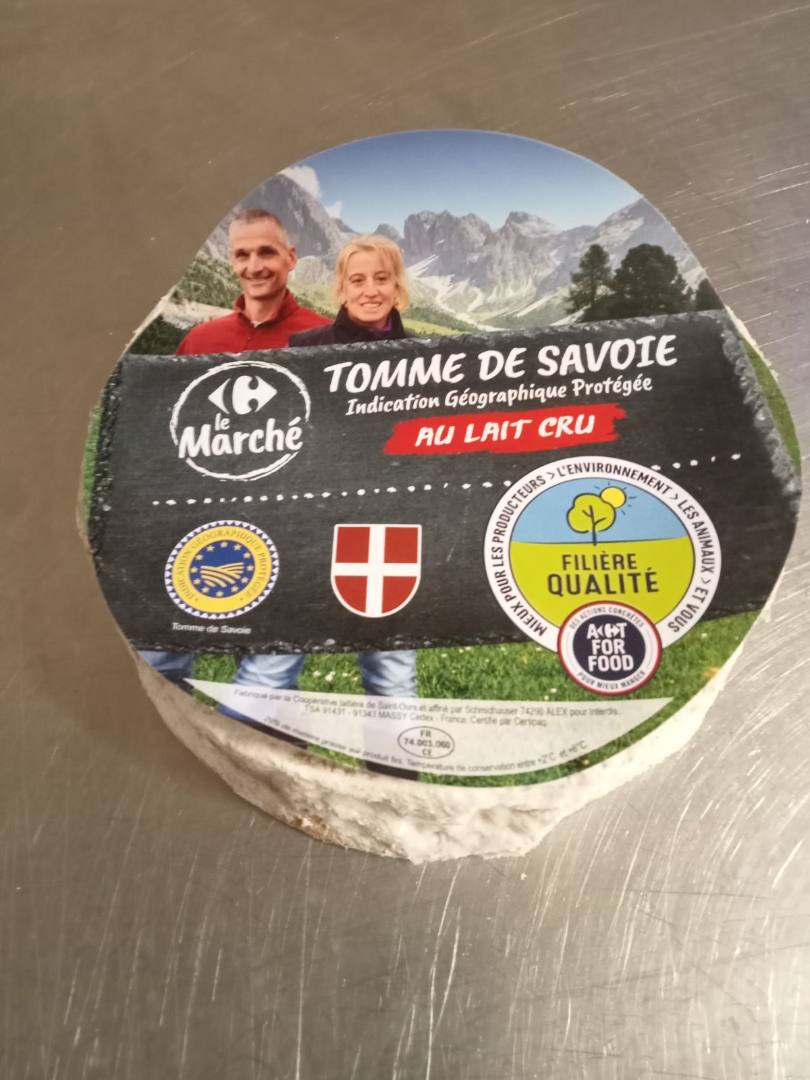
France – TOMME DE SAVOIE WITH RAW MILK – Salmonella

Gov france

Identification information of the recalled product

  • Product category Feed
  • Product subcategory Milk and dairy products
  • Product brand name Carrefour Le Marché Quality Line
  • Model names or references Tomme de Savoie made with raw milk sold in the cheese section
  • Identification of products
    GTIN Batch Date
    3365670124010 12002223082 Date of minimum durability 25/05/2023
    3365670124010 12002223082 Date of minimum durability 05/27/2023
    3365670124010 12002223082 Date of minimum durability 05/30/2023
    3365670124010 12002223082 Date of minimum durability 03/06/2023
    3365670124010 12002223082 Date of minimum durability 06/06/2023
    3365670124010 12002223082 Date of minimum durability 06/21/2023
  • Packaging Section of cheeses
  • Marketing start/end date From 04/12/2023 to 05/15/2023
  • Storage temperature Product to be stored in the refrigerator
  • Health mark FR 74 003 060 CE
  • Further information Cheese sold in the individual cheese department in Carrefour France hypermarkets and the Carrefour Market La Roche sur Foron store. Sold between April 12 and May 15, 2023.
  • Geographic area of ​​sale Whole France
  • Distributors Hyper Carrefour and Carrefour Market store La Roche sur Foron