Category Archives: paralytic shellfish poisoning

New Zealand – Shellfish biotoxin warning for part of Bay of Plenty

MPI

New Zealand Food Safety (NZFS) is advising the public not to collect or consume shellfish gathered from an area of the Bay of Plenty due to the presence of paralytic shellfish toxins.

“Routine tests on tuatua from Waihi Beach have shown levels of paralytic shellfish toxins more than double the safe limit,” says NZFS deputy director-general Vincent Arbuckle.

The warning extends from the southern end of Pauanui Beach down to the entrance of Tauranga Harbour, by Mount Maunganui. The warning also includes Tauranga Harbour.

“Please do not gather and eat shellfish from this area because anyone doing so could get sick.

“Affected shellfish include bivalve shellfish such as mussels, oysters, tuatua, pipi, toheroa, cockles and scallops, as well as pūpū (cat’s eyes) and Cook’s turban. Kina are still safe to eat.

“It’s also important to know that cooking the shellfish does not remove the toxin.”

Symptoms of paralytic shellfish poisoning usually appear within 10 minutes to 3 hours of eating and may include:

  • numbness and a tingling (prickly feeling) around the mouth, face, hands, and feet
  • difficulty swallowing or breathing
  • dizziness and headache
  • nausea and vomiting
  • diarrhoea
  • paralysis and respiratory failure and, in severe cases, death.

Pāua, crab and crayfish may still be eaten if the gut has been completely removed prior to cooking, as toxins accumulate in the gut. If the gut is not removed, its contents could contaminate the meat during the cooking process. Finfish are not affected by this public health warning, but we advise gutting the fish and discarding the liver before cooking.

NZFS has had no notifications of associated illness.

If anyone becomes ill after eating shellfish from an area where a public health warning has been issued, phone Healthline for advice on 0800 61 11 16, or seek medical attention immediately. You are also advised to contact your nearest public health unit and keep any leftover shellfish in case it can be tested.

“NZFS is monitoring shellfish in the region and will notify the public of any changes to the situation, says Mr Arbuckle.

Commercially harvested shellfish – sold in shops and supermarkets or exported – is subject to strict water and flesh monitoring programmes by NZFS to ensure they are safe to eat.

For further information and general enquiries, call MPI on 0800 00 83 33 or email info@mpi.govt.nz

For media enquiries, contact the media team on 029 894 0328.
New Zealand – Eight fast facts about toxic shellfish poisoning

MPI

With warmer weather on the way, Kiwis all over the motu will be heading to the beach to enjoy the sea’s bounty. But before you go gathering shellfish, New Zealand Food Safety deputy director-general Vincent Arbuckle has some fast facts to share about toxic shellfish poisoning and how to keep yourself, your whanau and friends safe.

1. New Zealand hasn’t had a toxic shellfish poisoning outbreak for a decade

Toxic shellfish poisoning can cause serious illness and can even be fatal. Fortunately, we haven’t had an outbreak of toxic shellfish poisoning since 2014, when 13 people fell ill.

New Zealand Food Safety works hard to keep it that way by monitoring key recreational shellfish harvesting areas around the country for biotoxins.

2. New Zealand Food Safety regularly tests water and shellfish for biotoxins to keep the public safe

New Zealand Food Safety has more than 40 monitoring sites, with water tested weekly for toxic algae and shellfish tested fortnightly for biotoxins. The commercial shellfish industry also provides their own biotoxin monitoring data from more than 30 sites, giving us even greater coverage.

If shellfish are found to contain biotoxins at unsafe levels, we issue public health warnings and post signs at affected beaches. In 2023 we issued 17 biotoxin alerts.

3. Cooking does not destroy biotoxins

It’s important to know that cooking will not make toxic shellfish safe to eat, because cooking doesn’t destroy biotoxins.

If anyone becomes ill after eating shellfish from an area where a public health warning has been issued, phone healthline for advice on 0800 61 11 16, or seek medical attention immediately. We advise that you also contact your nearest public health unit and keep any leftover shellfish for testing.

4. Shellfish become poisonous by feeding on toxic algae

Shellfish with 2 shells (bivalve shellfish) can each filter more than 200 litres of water a day. They do this to filter out microscopic algae (called phytoplankton) and other particles as a food source. If these algae are toxic, the biotoxins can build up in the shellfish, making them poisonous. Generally, the more toxic algae there are in the water, the more toxic the shellfish get.

5. Bivalve shellfish are the most affected by biotoxins

Shellfish affected by biotoxins usually include bivalves like mussels, oysters, tuatua, pipi, toheroa, cockles and scallops. But pūpū (cat’s eyes) and Cook’s turban and can also have elevated levels of some biotoxins.

Generally, you can still eat pāua, crab and crayfish, but only if you remove the gut before cooking, as biotoxins accumulate in the gut. Finfish are not affected by biotoxins from algal blooms, but we advise discarding the liver before cooking. 

6. Not all species of phytoplankton are toxic

Phytoplankton are photosynthetic microscopic algae, meaning that, just like plants, they use the sunshine to grow. And, like plants, they also need nutrients (which they get from the water) to grow.

If conditions are right, phytoplankton can multiply to high numbers and form algal blooms. Most species of phytoplankton are harmless, but some can naturally produce highly toxic chemicals we call marine biotoxins.

7. Algal blooms occur naturally under particular conditions

Algal blooms usually occur naturally when wind and water currents are favourable for their growth. Causes can include slow water circulation or unusually high water temperatures. Some blooms have happened after extreme weather events like cyclones, floods, or drought.

New Zealand Food Safety does extra monitoring during a toxic algal bloom to track its spread and see how it is affecting different kinds of shellfish.

8. There are 4 main types of toxic shellfish poisoning in New Zealand

Paralytic shellfish poisoning (PSP) is potentially the most serious of the 4 main types of toxic shellfish poisoning found in NZ.

PSP symptoms usually appear within 10 minutes to 3 hours of eating and may include:

  • numbness and tingling around the mouth, face, hands, and feet
  • difficulty swallowing or breathing
  • dizziness and headache
  • nausea and vomiting
  • diarrhoea
  • paralysis and respiratory failure
  • and, in severe cases, death.

If you suspect someone has PSP poisoning after eating shellfish from an area where we have issued a public health warning, seek medical attention immediately.

Canada – Timothy Oyster Fresh Pacific Oysters recalled due to a marine biotoxin which causes Paralytic Shellfish Poisoning (PSP)

Gov Canada

Summary

Product
Fresh Pacific Oysters
Issue
Food – Marine Biotoxin
What to do

Do not use, sell, serve or distribute the affected products.

Audience
Retail
Distribution
British Columbia

Timothy Oyster Fresh Pacific Oysters recalled due to a marine biotoxin which causes Paralytic Shellfish Poisoning (PSP).

USA – FDA Advises Restaurants and Retailers Not to Serve or Sell and Consumers Not to Eat Certain Oysters from British Columbia, Canada Potentially Contaminated with Paralytic Shellfish Toxins

FDA

Audience

  • Restaurants and food retailers in California (CA) that have recently purchased oysters from Dailyfresh Shellfish, Inc., with lot # 240531JM harvested from Subarea 23-10 in British Columbia (BC), Canada on 5/30/2024.
  • Consumers in CA that have recently purchased oysters from Dailyfresh Shellfish, Inc., with lot # 240531JM harvested from Subarea 23-10 in BC, Canada on 5/30/2024.

Product

Dailyfresh Shellfish, Inc., live Pacific oysters, with lot # 240531JM harvested from Subarea 23-10 in BC, Canada on 5/30/2024. The oysters were distributed to restaurants and retailers in CA and may have been distributed to other states as well.

Purpose

The FDA is advising restaurants and food retailers not to serve or sell and to dispose of, and consumers not to eat, oysters from Dailyfresh Shellfish, Inc., with lot # 240531JM harvested from Subarea 23-10 in British Columbia (BC), Canada on 5/30/2024 because they may be contaminated with the toxins that cause paralytic shellfish poisoning (PSP).

Molluscan shellfish contaminated with natural toxins from the water in which they lived can cause consumer illness. Most of these toxins are produced by naturally occurring marine algae (phytoplankton). Molluscan shellfish consume the algae which causes the toxins to accumulate in the shellfish’s flesh. Typically, contamination occurs following blooms of the toxic algal species; however, toxin contamination is possible even when algal concentrations are low in certain instances. One of the recognized natural toxin poisoning syndromes that can occur from consuming contaminated molluscan shellfish is paralytic shellfish poisoning (PSP).

PSP is caused by neurotoxins also referred to as saxitoxins or paralytic shellfish toxins (PSTs). Shellfish can retain the toxin for different lengths of time. Some species cleanse themselves of toxins rapidly, whereas others are much slower to remove the toxins. This lengthens the period of time they pose a human health risk from consumption.

Food containing PSTs may look, smell, and taste normal. These toxins cannot be removed by cooking or freezing. Consumers of these products who are experiencing symptoms of illness should contact their healthcare provider and report their symptoms to their local Health Department.

Symptoms of Paralytic Shellfish Poisoning

Most people with PSP will begin to develop symptoms within 30 minutes of consuming contaminated seafood. Effects of PSP intoxication can range from tingling of the lips, mouth, and tongue to respiratory paralysis and may include these other symptoms: numbness of arms and legs, “pins and needles” sensation, weakness, loss of muscle coordination, floating feeling, nausea, shortness of breath, dizziness, vomiting, and headache. Medical treatment consists of providing respiratory support and fluid therapy. For patients surviving 24 hours, with or without respiratory support, the prognosis is considered good, with no lasting side effects. In fatal cases, death is typically due to asphyxiation.

Due to the range in severity of illness, people should consult their healthcare provider if they suspect that they have developed symptoms that resemble paralytic shellfish poisoning.

Summary of Problem and Scope

On 6/10/2024 the Canadian Food Inspection Agency (CFIA) advised the FDA that recent monitoring detected elevated levels of paralytic shellfish toxins in shellfish harvested from Subarea 23-10 in British Columbia, Canada. CFIA advised the FDA that live oysters from Dailyfresh Shellfish, Inc., with Lot # 240531JM were harvested from Subarea 23-10 in BC, Canada on 05/30/2024 and had been shipped to distributors in California. The product may have been distributed to other states as well.

FDA Actions

The FDA is issuing this alert advising restaurants and food retailers not to serve or sell and advising consumers not to eat Dailyfresh Shellfish, Inc. oysters with Lot #240531JM harvested from Subarea 23-10 in BC, Canada on 5/30/2024 due to possible contamination with paralytic shellfish toxins.

The FDA is awaiting further information on distribution of the shellfish harvested and will continue to monitor the investigation and provide assistance to state authorities as needed. As new information becomes available, the FDA will update the safety alert.

Recommendations for Restaurants and Retailers

Restaurants and retailers should not serve or sell the potentially contaminated shellfish. Restaurants and retailers should dispose of any products by throwing them in the garbage or contacting their distributor for return and destruction.

Restaurants and retailers should also be aware that shellfish may be a source of pathogens and should control the potential for cross-contamination of food processing equipment and the food processing environment. They should follow the steps below:

  • Wash hands with warm water and soap following the cleaning and sanitation process.
  • Retailers, restaurants, and other food service operators who have processed and packaged any potentially contaminated products need to be concerned about cross-contamination of cutting surfaces and utensils through contact with the potentially contaminated products and should clean and sanitize food contact surfaces and utensils.
  • Retailers that have sold bulk product should clean and sanitize the containers used to hold the product.
  • Regular frequent cleaning and sanitizing of food contact surfaces and utensils used in food preparation may help to minimize the likelihood of cross-contamination.

Recommendations for consumers

Consumers should not eat the potentially contaminated shellfish. Consumers who have symptoms of paralytic shellfish poisoning should contact their health care provider to report their symptoms and receive care.

To report a complaint or adverse event (illness or serious allergic reaction), you can:

Visit www.fda.gov/fcic  for additional consumer and industry assistance.

Submit Questions/Get Assistance

Follow us on X

USA – 31 sick from Shellfish – recall is called – PSP Toxins

Food Poison Journal

  • Restaurants and food retailers in Arizona (AZ), California (CA), Colorado (CO), Hawaii (HI), Nevada (NV), New York (NY), Oregon (OR), and Washington (WA) that have recently purchased oysters and bay clams from growing areas in Netarts Bay and Tillamook Bay, OR harvested on or after 5/28/24, and all shellfish species from growing areas in Willapa Bay, WA: Stony Point, harvested between 5/26/24 and 5/30/24; Bay Center, harvested between 5/29/24 and 5/30/24; and Bruceport, harvested between 5/29/24 and 5/30/24.
  • Consumers in AZ, CA, CO, HI, NV, NY, OR, and WA who have recently purchased oysters and bay clams harvested from growing areas in Netarts Bay and Tillamook Bay, OR harvested on or after 5/28/24, and all shellfish species from growing areas in Willapa Bay, WA: Stony Point, harvested between 5/26/24 and 5/30/24; Bay Center, harvested between 5/29/24 and 5/30/24; and Bruceport, harvested between 5/29/24 and 5/30/24.

Product

Certain oysters and bay clams harvested from OR growing areas in Netarts Bay and Tillamook Bay, harvested on or after 5/28/24, and shellfish species from growing areas in Willapa Bay, WA: Stony Point, harvested between 5/26/24 and 5/30/24; Bay Center, harvested between 5/29/24 and 5/30/24; and Bruceport, harvested between 5/29/24 and 5/30/24. The shellfish were distributed to restaurants and retailers in AZ, CA, CO, HI, NV, NY, OR, and WA and may have been distributed to other states as well.

Purpose

The FDA is advising restaurants and food retailers not to serve or sell and to dispose of, and consumers not to eat, oysters and bay clams harvested from growing areas in Netarts Bay and Tillamook Bay, OR harvested on or after 5/28/24, and all shellfish species from growing areas in Willapa Bay, WA: Stony Point, harvested between 5/26/24 and 5/30/24; Bay Center, harvested between 5/29/24 and 5/30/24; and Bruceport, harvested between 5/29/24 and 5/30/24, and distributed to AZ, CA, CO, HI, NV, NY, OR, and WA because they may be contaminated with the toxins that cause paralytic shellfish poisoning (PSP).

USA – FDA Advises Restaurants and Retailers Not to Serve or Sell and Consumers Not to Eat Certain Shellfish from Oregon and Washington Potentially Contaminated with Paralytic Shellfish Toxins

FDA

June 5, 2024

Audience

  • Restaurants and food retailers in Arizona (AZ), California (CA), Colorado (CO), Hawaii (HI), Nevada (NV), New York (NY), Oregon (OR), and Washington (WA) that have recently purchased oysters and bay clams from growing areas in Netarts Bay and Tillamook Bay, OR harvested on or after 5/28/24, and all shellfish species from growing areas in Willapa Bay, WA: Stony Point, harvested between 5/26/24 and 5/30/24; Bay Center, harvested between 5/29/24 and 5/30/24; and Bruceport, harvested between 5/29/24 and 5/30/24.
  • Consumers in AZ, CA, CO, HI, NV, NY, OR, and WA who have recently purchased oysters and bay clams harvested from growing areas in Netarts Bay and Tillamook Bay, OR harvested on or after 5/28/24, and all shellfish species from growing areas in Willapa Bay, WA: Stony Point, harvested between 5/26/24 and 5/30/24; Bay Center, harvested between 5/29/24 and 5/30/24; and Bruceport, harvested between 5/29/24 and 5/30/24.

Product

Certain oysters and bay clams harvested from OR growing areas in Netarts Bay and Tillamook Bay, harvested on or after 5/28/24, and shellfish species from growing areas in Willapa Bay, WA: Stony Point, harvested between 5/26/24 and 5/30/24; Bay Center, harvested between 5/29/24 and 5/30/24; and Bruceport, harvested between 5/29/24 and 5/30/24. The shellfish were distributed to restaurants and retailers in AZ, CA, CO, HI, NV, NY, OR, and WA and may have been distributed to other states as well.

Purpose

The FDA is advising restaurants and food retailers not to serve or sell and to dispose of, and consumers not to eat, oysters and bay clams harvested from growing areas in Netarts Bay and Tillamook Bay, OR harvested on or after 5/28/24, and all shellfish species from growing areas in Willapa Bay, WA: Stony Point, harvested between 5/26/24 and 5/30/24; Bay Center, harvested between 5/29/24 and 5/30/24; and Bruceport, harvested between 5/29/24 and 5/30/24, and distributed to AZ, CA, CO, HI, NV, NY, OR, and WA because they may be contaminated with the toxins that cause paralytic shellfish poisoning (PSP).

Molluscan shellfish contaminated with natural toxins from the water in which they lived can cause consumer illness. Most of these toxins are produced by naturally occurring marine algae (phytoplankton). Molluscan shellfish consume the algae which causes the toxins to accumulate in the shellfish’s flesh. Typically, contamination occurs following blooms of the toxic algal species; however, toxin contamination is possible even when algal concentrations are low in certain instances. One of the recognized natural toxin poisoning syndromes that can occur from consuming contaminated molluscan shellfish is paralytic shellfish poisoning (PSP).

PSP is caused by neurotoxins also referred to as saxitoxins or paralytic shellfish toxins (PSTs). Shellfish can retain the toxin for different lengths of time. Some species cleanse themselves of toxins rapidly, whereas others are much slower to remove the toxins. This lengthens the period of time they pose a human health risk from consumption.

Food containing PSTs may look, smell, and taste normal. These toxins cannot be removed by cooking or freezing. Consumers of these products who are experiencing symptoms of illness should contact their healthcare provider and report their symptoms to their local Health Department.

USA – Outbreak of paralytic shellfish poisoning (PSP) reported in relation to Oregon mussels

Food Safety News

An outbreak of paralytic shellfish poisoning that has sickened at least 20 people has prompted health officials to urge those who harvested mussels from a stretch of Oregon’s coast since Saturday to discard the mollusks.

Officials at the Oregon Health Authority’s Public Health Division also recommend people who experience any symptoms of paralytic shellfish poisoning, such as numbness of the mouth and lips, nausea, vomiting, diarrhea, weakness, and in severe cases, shortness of breath or irregular heartbeat, to immediately contact a health care provider. Advice is also available by calling the Oregon Poison Center at 800-222-1222.

Hong Kong – Food Safety Focus (202nd Issue, May 2023)– Article 1 – Shellfish Poisoning

CFS

The Centre for Food Safety (CFS) received a referral from the Centre for Health Protection in April 2023 of a suspected case of diarrhoetic shellfish poisoning (DSP) presented with diarrhoea, nausea, vomiting and abdominal pain within an hour after consuming venus clams from a restaurant. This article will give a brief introduction on shellfish poisoning.

What is Shellfish Poisoning?

Shellfish poisoning is caused by a group of toxins, known as shellfish toxins, produced by certain species of algae. When shellfish eat toxins producing algae, the toxins can accumulate in their tissue. Consumption of shellfish with shellfish toxins by humans can cause a variety of gastrointestinal and neurological illnesses, known as shellfish poisoning. Examples of shellfish that have been involved in shellfish poisoning include mussels, clams, oysters, scallops and geoducks.

Many shellfish toxins have been described around the world; they could cause different types of shellfish poisoning

New Zealand – South Island shellfish biotoxin warnings – PSP

MPI

MARLBOROUGH

Toggle expandable

Reason for alert Paralytic Shellfish Poisoning (PSP)

Date warning issued Media release: 24 April 2024
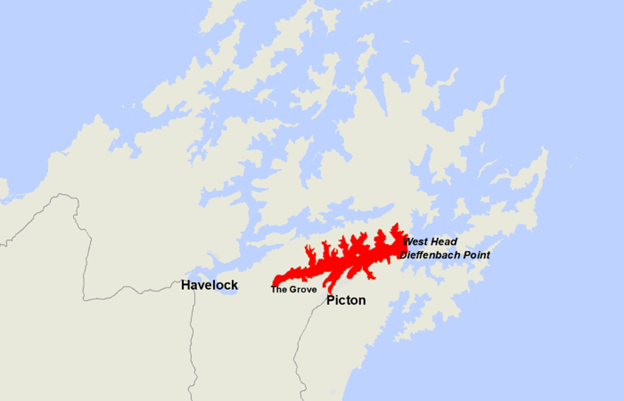
Affected area Inner Queen Charlotte Sound – Anakiwa to West Head and Dieffenbach Point.
Shellfish affected Affected shellfish include bivalve shellfish such as mussels, oysters, tuatua, pipi, toheroa, cockles and scallops, as well as pūpū (cat’s eyes), Cook’s turban, and kina (sea urchin).

Note, cooking shellfish does not remove the toxin.

Pāua, crab, and crayfish may still be eaten if the gut has been completely removed prior to cooking, as toxins accumulate in the gut. If the gut is not removed its contents could contaminate the meat during the cooking process. Finfish are not affected by this warning.

Symptoms Symptoms typically appear between 10 minutes and 3 hours after ingestion and may include:

  • numbness and a tingling (prickly feeling) around the mouth, face, and extremities (hands and feet)
  • difficulty swallowing or breathing
  • dizziness
  • headache
  • nausea
  • vomiting
  • diarrhoea
  • paralysis and respiratory failure and in severe cases, death.
Other information Paralytic shellfish toxins have been detected in shellfish at levels three times over the safe limit of 0.8mg/kg set by New Zealand Food Safety. Ongoing testing will continue and any changes will be communicated accordingly.

Map of affected area

Map showing the area covered by the lobster biotoxin alert, from the inner Queen Charlotte Sound, as well as near Collingwood in Golden Bay.

New Zealand- Shellfish Biotoxin Alert – PSP

MPI

EAST CAPE LOBSTER WARNING

Toggle expandable

Reason for alert Paralytic Shellfish Poisoning (PSP)

Check the symptoms of PSP

Date warning issued Media release: 26 January 2024

Update: The area affected by the warning was reduced on 15 February 2024.

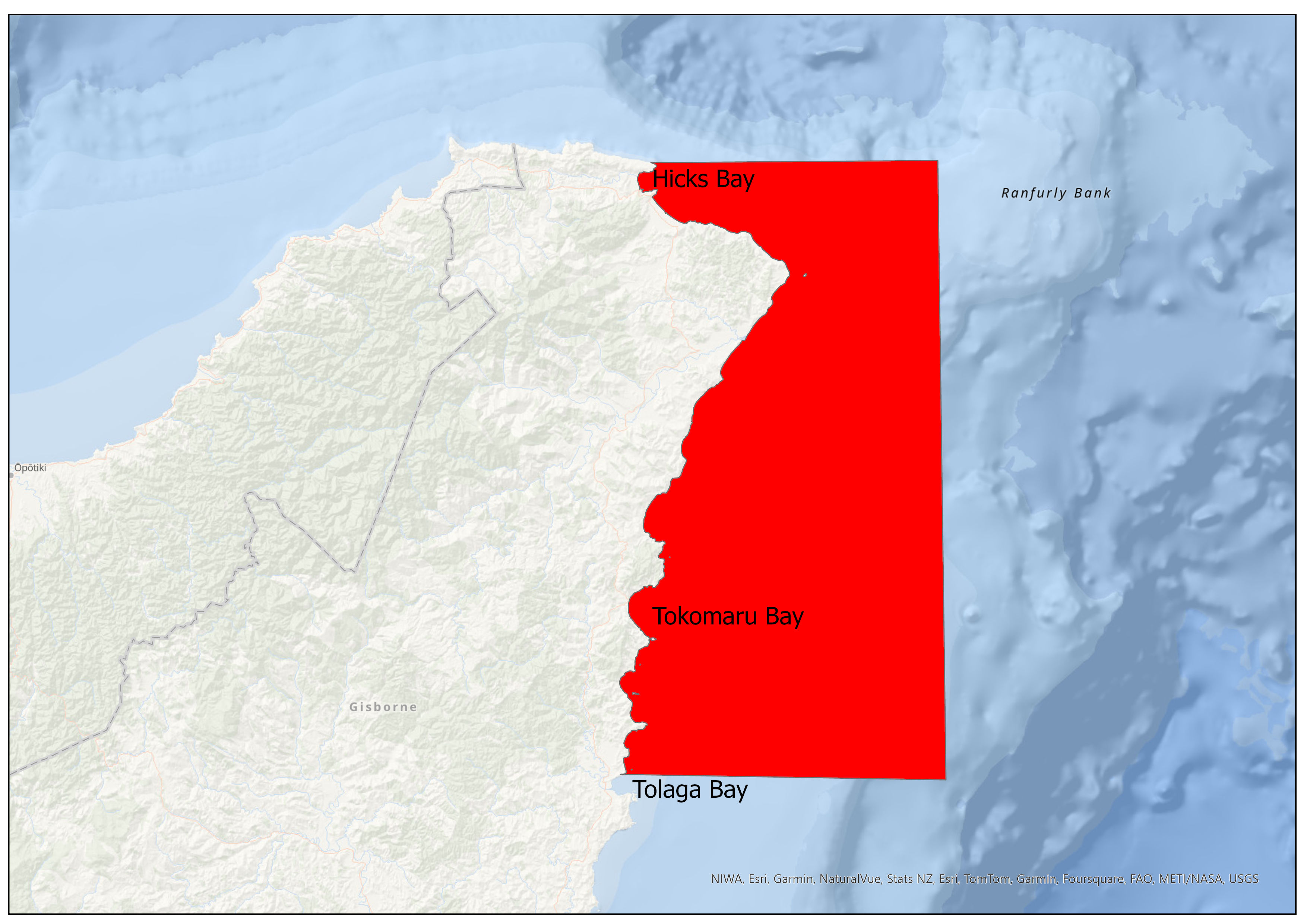
Affected area From 15 February 2024, the area extends from the north side of Tolaga Bay to Hicks Bay.
Shellfish affected Lobster are the only species affected. Shellfish and finfish are not affected by this warning.

Lobster (crayfish) may still be eaten if the gut has been completely removed prior to cooking, as toxins can accumulate in the gut. If the gut is not removed its contents could contaminate the meat during the cooking process.

Symptoms Symptoms typically appear between 10 minutes and 3 hours after ingestion and may include:

  • numbness and a tingling (prickly feeling) around the mouth, face, and extremities (hands and feet)
  • difficulty swallowing or breathing
  • dizziness
  • headache
  • nausea
  • vomiting
  • diarrhoea
  • paralysis and respiratory failure and, in severe cases, death.
Other information Elevated paralytic shellfish toxins are still being detected in lobster near Tokomaru Bay.

Map of the affected area

Map showing the area covered by the lobster biotoxin alert, extending from the north side of Tolaga Bay to Hicks Bay.