Category Archives: Norovirus

Research – Investigators Discover Antibody Capable of Inhibiting Multiple Strains of Norovirus

Contagion Live

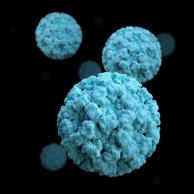
Food Borne Illness - Norovirus -CDC Photo

Image CDC

A team of investigators has made a key discovery that could make a vaccine for the norovirus a reality.

A study published in the journal Immunity describes how a research team discovered an antibody that is capable of broadly inhibiting several strains of pandemic norovirus.

“In order to design an effective vaccine for norovirus, scientists needed to identify a neutralizing antibody that could work against many strains of the virus, as well as strains that will circulate in the future,” Ralph Baric, PhD, an author on the study, said in a press release. “This information can now be used to build better human vaccines.”

Human noroviruses are the leading cause of acute gastroenteritis and account for nearly 1 in 5 cases of diarrhea and vomiting. Estimates from the US Centers for Disease Control and Prevention indicate that noroviruses cause approximately 200,000 deaths per year, which mostly occur in infants, children, and the elderly.

Although there are more than 30 genotypes of human norovirus, approximately 60% of outbreaks are caused by GII.4 genotype strains, which have caused periodic human pandemics.

The study team comprised investigators from the University of North Carolina at Chapel Hill Gillings School of Global Public Health, University of Texas at Austin, and the National Institutes of Health Vaccine Research Center. The team says that the most important discovery of their research is that a human antibody can bind to a conserved region of the virus that is common in the various strains, potentially neutralizing all GII.4 strains of norovirus that exist in nature.

RASFF Alerts – Norovirus – Live Venus Clams

RASFF-Logo

RASFF – norovirus (GI and GII /2g) in live venus clams (Chamelea gallina) from Italy in Spain

RASFF – norovirus (GI, GII /2g) in live venus clams (Chamelea gallina) from Italy in Spain

USA – Norovirus sickens dozens in outbreak linked to bar drinks

Outbreak News Today norovirus-1080x655

Officials with the Benton-Franklin Health District in Kennewick, WA reported on the investigation of a norovirus outbreak linked to a local restaurant.

According to the timeline, health officials received the first reports over President’s Day weekend and at the conclusion of the investigation, 26 patrons of 3 Eyed Fish, a wine bar and restaurant in Richland were reported as infected.

In addition, the investigation revealed that drink garnishes were sometimes handled with bare hands, after interviewing bartenders.The outbreak was linked to poor food handling practices by an infectious bartender. During the investigation, it was noted that the infectious employee who worked the night most ill patrons ate, returned to work less than 12 hours after they had an episode of diarrhea that same weekend.

USA – Multistate Outbreak of Gastrointestinal Illnesses Linked to Oysters Imported from Mexico is Over

CDC

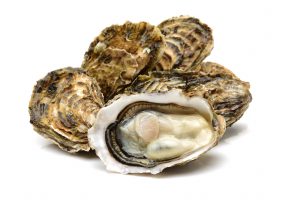
Photo of oysters.

Image CDC

This outbreak appears to be over. Consumers, restaurants, and retailers should always handle and cook oysters properly. Get CDC’s tips for preventing foodborne illness from oysters and other shellfish.

Final Outbreak Information
Illustration of a megaphone.
  • As of June 21, 2019, this outbreak appears to be over.
  • Sixteen ill people were reported from five states.
    • Illnesses started on dates ranging from December 16, 2018, through April 17, 2019.
    • Two people were hospitalized. No deaths were reported.
  • Laboratory testing on samples from patients identified multiple pathogens causing infections. Some people were infected with more than one pathogen.
  • Case counts by pathogen or illness:
    • Four cases of Shigella flexneri infection
    • Two cases of Vibrio parahaemolyticus infection
    • One case of Vibrio parahaemolyticus and Shiga toxin-producing Escherichia coli (STEC) non-O157 coinfection
    • One case of Vibrio parahaemolyticus and Shigella flexneri coinfection
    • One case of Shigella flexneri and Campylobacter lari coinfection
    • One case of Vibrio albensis infection
    • One case of norovirus genogroup 1 infection
    • One case of infection with Vibrio of unknown species
    • Four cases of illness without a pathogen identified
  • Epidemiologic and traceback evidence indicated that raw oysters harvested from Estero El Cardon in Baja California Sur, Mexico, were the likely source of this outbreak.
  • On May 6, 2019, one U.S. distributor of oysters harvested from Estero El Cardon issued a voluntary recallexternal icon.
  • At the request of Mexico’s public health authorities, all raw oysters distributed from Estero El Cardon from the last week of April 2019 through the first week of May 2019 were recalled pdf icon[PDF – 474 KB]external icon.


Information – Norovirus: UNC breakthrough brings us closer to a vaccine

Outbreak News Today 

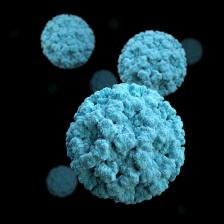
Food Borne Illness - Norovirus -CDC Photo

Image CDC

Researchers at the University of North Carolina at Chapel Hill Gillings School of Global Public Health and their colleagues at the University of Texas at Austin and the National Institutes of Health Vaccine Research Center have discovered an antibody that broadly inhibits multiple strains of pandemic norovirus, a major step forward in the development of an effective vaccine for the dreaded stomach virus.

Canada – Updated Food Recall Warning – France Délices brand Choco-Raspberry Crunchy recalled due to Norovirus

CFIA France Délices - Choco-Raspberry Crunchy - case

Recall details

Ottawa, June 21, 2019 – The food recall warning issued on June 4, 2019 has been updated to include additional product and distribution information. This additional information was identified during the Canadian Food Inspection Agency’s (CFIA) food safety investigation.

France Délices Inc. is recalling France Délices brand Choco-Raspberry Crunchy from the marketplace due to possible norovirus contamination of the raspberries used in this product. Consumers should not consume and retailers, should not sell, or serve the recalled product described below.

The following product has been sold in Alberta and Quebec from the following retailers:
Name Address
European Foods Inc. 8705 53 Avenue NW, Edmonton, AB
Fruit & Légumes Tardif Inc. 559, chemin St-Jean, Laprairie, QC
Hospitality Corner 1650, avenue Cedar, Montréal, QC
IGA Vanier 1035, boul. Wilfrid Hamel, Vanier, QC
IGA Boischatel 5114, avenue Royale, Boischatel, QC
IGA Alimentation Famille Gaouette Inc. 2020, route 112, St-Césair, QC
IGA 17010, boul. Henri-Bourassa, Québec, QC
IGA Baie-Comeau 1500, rue de Bretagne, Baie-Comeau, QC
IGA Crevier Terrebonne 1115, Montée des Pionniers, Terrebonne, QC
Métro Plus St-Zotique 350, rue Principale, St-Zotique , QC
Métro Plus Supermarché Boucher 341, chemin de Joliette, St-Félix de Valois, QC
Metro Gatineau 214, boul. de la Cité des Jeunes, Gatineau, QC
Métro Turgeon 1550, boul. Talbot, Chicoutimi, QC
Provigo Lorraine 95, boul. de Gaulle, Lorraine, QC
Trésors Sucrés 3640, Jean Talon Est, Montréal, QC

This product has been sold clerk-served from retail counters, with or without a label or coding, up to and including June 21, 2019. Consumers who are unsure if they have purchased the affected product are advised to contact their retailer.

Recalled products

Brand Name Common Name Size Code(s) on Product UPC
France Délices Choco-Raspberry Crunchy 95 g 08519 7 74461 16122 7

What you should do

If you think you became sick from consuming a recalled product, call your doctor.

Check to see if you have recalled products in your home. Recalled products should be thrown out or returned to the store where they were purchased.

People with norovirus illness usually develop symptoms of gastroenteritis within 24 to 48 hours, but symptoms can start as early as 12 hours after exposure. The illness often begins suddenly.

USA – Blackberries recalled over Norovirus

Food Poison Journal Norovirus Food Safety kswfoodworld

Alma Pak of Alma, Georgia is recalling specific lots of product containing frozen blackberries (noted below) due to the potential of being contaminated with Norovirus. FDA testing of frozen blackberries was reported to have tested positive for Norovirus.

Norovirus is a highly contagious virus. Consumption of product contaminated with Norovirus may cause acute onset of symptoms of gastroenteritis including severe nausea, vomiting and diarrhea. Less common symptoms are low-grade fever, chills, headache, muscle aches and fatigue. Although most symptoms end within 48 hours, the elderly, young children and immunocompromised persons may develop prolonged, or more severe symptoms.

RASFF Alert – Norovirus – Raspberries

RASFF-Logo

RASFF – norovirus (GII /25g) in raspberries from Morocco in Spain


USA – WinCo Frozen Red Raspberries Recalled For Norovirus

Food Poisoning Bulletin norovirus-1080x655

WinCo Foods of Boise, Idaho is recalling frozen red raspberries that were manufactured by Rader Farms of Bellingham, Washington, because the product may be contaminated with norovirus. Norovirus is highly contagious, and causes symptoms of vomiting, watery diarrhea, abdominal cramps, and nausea. No  illnesses have been reported to date in connection with this recall.

Research – Norovirus structures could help develop treatments for food poisoning

Science Direct

Noroviruses are a leading cause of food-borne illness outbreaks, accounting for 58% of all outbreaks and cause 685 million cases worldwide each year. There is no effective therapeutic against them. Having knowledge of the intricate structure of the outer layer of noroviruses, the capsid, which allows the virus to attach to its human host, could help in vaccine development.

In vaccines, specific antibodies recognize the capsids and bind to them so they can no longer interact with human cells. “We need to understand what the norovirus capsid shapes actually look like, and the shape differences between different strains,” said James Jung, a postdoctoral fellow in Dr. Leemor Joshua-Tor’s lab at Cold Spring Harbor Laboratory (CSHL).

Jung and Joshua-Tor led a team to solve the high-resolution structures of four different strains of noroviruses using a cryo-electron microscope. This allowed them to see the intricate architecture of virus shells in high-definition. Their findings are published in the journal PNAS.

Jung gleaned new insights that could help in guiding the development of therapeutics to fight norovirus infection. “Previously, it was thought that the norovirus shells exist in single-sized assemblies consisting of 180 building blocks and 90 surface spikes. What we found was an unexpected mixture of different shell sizes and shapes. We found a smaller form, which consists of just 60 building blocks with 30 surface spikes placed further apart. We also found larger shells made out of 240 building blocks with 120 surface spikes that are lifted significantly above the base of the shell and form a two-layered architecture that could interact differently with the human cells,” he said.

The spikes on the shell interact with the host. Jung found that the distance and orientation of the spikes varied across the different strains of noroviruses. “That means each strain will interact differently with human cells,” Jung explained. “The way the antibodies bind is also going to be different. Vaccines should be formulated to take into account the variations across strains and structural forms.”

Story Source: