Category Archives: MPI

New Zealand – Lindsay Farm brand Organic Raw Milk – Campylobacter

MPI

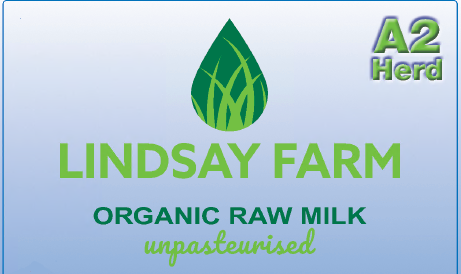
17 November 2023: Lindsay Farm HB Ltd is recalling specific batches of its Lindsay Farm brand Organic Raw Milk (unpasteurised) as the product may contain Campylobacter.
Product type Raw (unpasteurised) drinking milk
Name of product (size) Lindsay Farm brand Organic Raw Milk (unpasteurised) 2L
Batch marking Lot number: 2310, 2410, 2510, 2610, 2710, 2810, 2910, 3010, 3110, 0111, 0211
Date marking Use by dates: 27.10.23, 28.10.23, 29.10.23, 30.10.23, 31.10.23, 01.11.23, 02.11.23, 03.11.23, 04.11.23, 05.11.23
Package size and description The product is sold in a plastic 2L bottle.
Distribution The product is sold in the Hawke’s Bay region via home deliveries and the following registered depots:

  • Betta Electrical, 46 – 48 Ruatainwha Street, Waipukurau
  • Chantal Shop, 45 Hastings Street, Napier
  • Cornucopia – The Organic Shop, 221 Heretaunga Street East, Hastings
  • Planters Nursery, 418 St Georges Road, Havelock North
  • Healthnuts, 4 Barraud Street, Dannevirke
  • Waipawa Organic Grocer Limited, 100 High Street, Waipawa
  • Tangaroa Seafoods, 7 Tangaroa Street, Ahuriri, Napier
  • Unichem Taradale Pharmacy, 288 Gloucester Street, Taradale, Napier.

The product has not been exported.

Notes This recall does not affect any other batches of Lindsay Farm brand Organic raw milk (unpasteurised).

Point of sale notice for retailers

If you are a retailer of the products in this recall, download a copy of the point of sale notice. You need to display it in your store for one month.

Point of sale notice  [PDF, 95KB]

Consumer advice

Customers are asked to check the lot number and Use by date printed on the bottle.

If you have purchased any of the affected product listed on this notice, do not consume it. Customers should return the product to their retailer for a full refund. Alternatively, consume after heating to 70°C and holding at this temperature for one minute. If you don’t have a thermometer, heat the milk until it nearly reaches a boil (or scald the milk) before drinking it.

There have been three reported cases of associated illness. If you have consumed any of this product and have any concerns about your health, seek medical advice.

Customers should return the product to their retailer for a full refund.

How to reduce the risk of illness if you drink raw unpasteurised milk

Campylobacter infection: symptoms and advice

Who to contact

If you have questions, contact Lindsay Farms HB Ltd:

  • Phone: 06 858 5333
  • Address: Lindsay Road, Waipukurau, Central Hawke’s Bay.
New Zealand – Public health warning: shellfish biotoxin alert for Northland and East Cape

MPI

New Zealand Food Safety is advising the public not to collect or consume shellfish gathered from the Northland east coast because of paralytic shellfish toxins.

In addition, it has extended an existing shellfish biotoxin warning from Cape Kidnappers right up to East Cape.

“Routine tests on mussels from Houhora have shown levels of paralytic shellfish toxins over the safe limit,” says New Zealand Food Safety deputy director-general Vincent Arbuckle.

The warning extends from Cape Karikari north to Kokota (the Sandspit), just south of Parengarenga Harbour.

The current warning in Hawkes Bay has now been extended to extend from Cape Kidnappers right up to East Cape. Levels of paralytic shellfish toxins are increasing and the latest results from Tolaga Bay mussels have risen dramatically and are now 11 times over the safe limit.

As algal blooms increase in size, the levels of toxins in shellfish can reach higher levels.

“Please do not gather and eat shellfish from these affected areas because anyone doing so could get seriously sick.”

“Cooking the shellfish does not remove the toxin, so shellfish from these areas should not be eaten.”

Symptoms of paralytic shellfish poisoning usually appear within 10 minutes to 3 hours of eating and may include:

  • numbness and a tingling (prickly feeling) around the mouth, face, hands, and feet
  • difficulty swallowing or breathing
  • dizziness and headache
  • nausea and vomiting
  • diarrhoea
  • paralysis and respiratory failure and, in severe cases, death.

Pāua, crab and crayfish may still be eaten if the gut has been completely removed prior to cooking, as toxins accumulate in the gut. If the gut is not removed, its contents could contaminate the meat during the cooking process.

New Zealand Food Safety has had no notifications of associated illness.

If anyone becomes ill after eating shellfish from an area where a public health warning has been issued, phone Healthline for advice on 0800 61 11 16, or seek medical attention immediately. You are also advised to contact your nearest public health unit and keep any leftover shellfish in case it can be tested.

“New Zealand Food Safety is monitoring shellfish in the region and will notify the public of any changes to the situation,” says Mr Arbuckle.

Commercially harvested shellfish – sold in shops and supermarkets or exported – is subject to strict water and flesh monitoring programmes by New Zealand Food Safety to ensure they are safe to eat.

New Zealand – Do not collect or eat shellfish from areas where shellfish biotoxin warnings have been issued – Hawke Bay – PSP

MPI

Hawke Bay

Reason for alert Paralytic Shellfish Poisoning (PSP)

Date warning issued Media release: 1 November 2023
Affected area Hawke Bay: Cape Kidnappers to Mohaka River.
Shellfish affected Mussels, oysters, tuatua, pipi, toheroa, cockles, scallops, catseyes, kina (sea urchin) and all other bivalve shellfish.

Note, cooking shellfish does not remove the toxin.

Pāua, crab and crayfish may still be eaten if the gut has been completely removed prior to cooking, as toxins accumulate in the gut. If the gut is not removed its contents could contaminate the meat during the cooking process.

Symptoms Symptoms typically appear between 10 minutes and 3 hours after ingestion and may include:

  • numbness and a tingling (prickly feeling) around the mouth, face, and extremities (hands and feet)
  • difficulty swallowing or breathing
  • dizziness
  • headache
  • nausea
  • vomiting
  • diarrhoea
  • paralysis and respiratory failure and in severe cases, death.
Other information Paralytic shellfish toxins have been detected in shellfish at levels over the safe limit of 0.8mg/kg set by New Zealand Food Safety. Ongoing testing will continue and any changes will be communicated accordingly.

New Zealand – Public health warning: shellfish biotoxin alert for Marlborough Sounds

MPI

New Zealand Food Safety is advising the public not to collect or consume shellfish gathered from part of Queen Charlotte Sound due to the possible presence of toxins.

“Routine tests on mussel samples taken from Okiwa Bay (The Grove) have shown levels of diarrhetic shellfish toxins more than 3.5 times the safe limit,” says New Zealand Food Safety specialist adviser Piers Harrison.

“The warning extends from The Grove up to a line from Dieffenbach Point across to West Head in the Marlborough Sounds.

“Please do not gather and eat shellfish from this area because anyone doing so is potentially at risk of getting sick.

“Cooking the shellfish does not remove the toxin, so mussels, oysters, tuatua, pipi, toheroa, cockles, scallops, catseyes, kina (sea urchin) and all other bivalve shellfish from this area should not be eaten.”

New Zealand – Durra brand Tahina (400g and 800g) – Salmonella

MPI

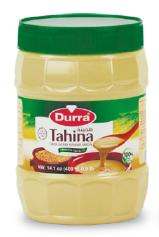
29 August 2023: Aldiery’s Mediterranean Market Ltd is recalling a specific batch of Durra brand Tahina due to the possible presence of Salmonella.

Product type Tahini
Name of product (size) Durra brand Tahina (400g and 800g)
Date marking EXP: 24/03/25
Package size and description The product is sold in a 400g and 800g plastic container.
Distribution The products are imported from Jordan.

The products are sold at retail outlets and ethnic grocery stores throughout New Zealand.

The products have not been re-exported.

Notes This recall does not affect any other Durra brand products.

Point of sale notice for retailers

If you are a retailer of the products in this recall, download a copy of the point of sale notice. You need to display it in your store for one month.

Point of sale notice – Durra brand Tahina (400g and 800g) [PDF, 40KB]

Consumer advice

Customers are asked to check the date mark on the product.

Affected products should not be consumed. There have been no reports of associated illness in New Zealand. If you have consumed any of these products and have any concerns about your health, seek medical advice.

Customers should return the products to their retailer for a full refund.

Who to contact

If you have questions, contact Aldiery’s Mediterranean Market Ltd:

  • Phone: 021 145 2970.

New Zealand – Dreamview Creamery brand Raw Milk (unpasteurised) – Listeria monocytogenes

MPI

8 July 2023: Dreamview Creamery is recalling specific batches of its Dreamview Creamery brand Raw Milk as the product may contain Listeria.

See-through jar with green lid.

Product identification
Product type Raw (unpasteurised) drinking milk
Name of product (size) Dreamview Creamery brand Raw Milk (unpasteurised) (1 Litre)
Batch marking 290623, 300623, 030723, 040723, and 050723
Date marking Use By 29/06/2023 up to and including 5/07/2023
Package size and description The product is sold in a 1 litre glass bottle
Distribution The product is distributed direct to customer by Dreamview Creamery.

The product has not been exported.

Notes This recall does not affect any other Dreamview Creamery brand products.

Consumer advice

Customers are asked to check the batch or date mark located on the lid of the milk bottle.

If you have purchased any of the affected product listed on this notice, do not consume it. Customers should return the product to their retailer for a full refund. Alternatively, consume after heating to 70°C and holding at this temperature for one minute. If you don’t have a thermometer, heat the milk until it nearly reaches a boil (or scald the milk) before drinking it.

There have been no reports of associated illness in New Zealand. If you have consumed any of this product and have any concerns about your health, seek medical advice.

Customers should return the product to their retailer for a full refund.

Who to contact

If you have questions, contact Dreamview Creamery:

  • Phone: 021 138 0360
  • Address: 430 Te Hutewai Road, Raglan

New Zealand – Durra brand Tahina and Halawa – Salmonella

MPI

30 June 2023: Multiple importers are recalling specific batches of Durra brand Tahina and Halawa products due to the possible presence of Salmonella.

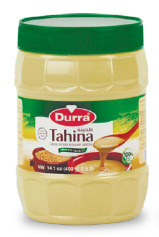
See-through jar with green lid.

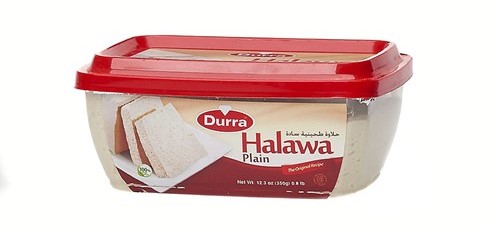
Rectangular container with red lid.

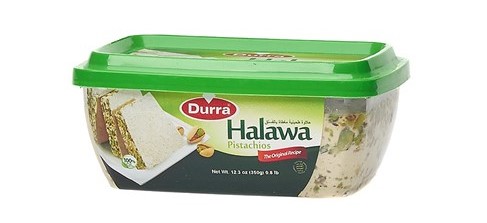
Rectangular container with green lid.

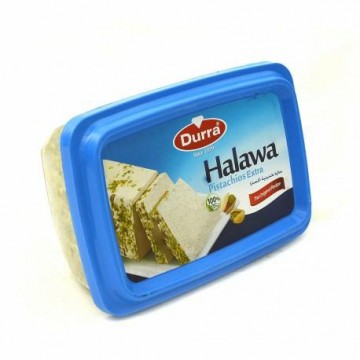
Rectangular container with blue lid.

Product identification
Product type Sesame based products
Name of product (size) Durra brand Tahina (400g, 800g, 18kg)

Durra brand Halawa Plain (350g, 700g)

Durra brand Halawa Pistachio (350g, 700g)

Durra brand Halawa Extra Pistachio (350g, 700g)

Date marking Products with a date mark between EXP: 18/12/2024 up to and including EXP: 12/02/2025
Package size and description The products are sold in various packaging size variations in a plastic container or bucket.
Distribution The products are imported from Jordan.

The products are sold at retail outlets and ethnic grocery stores throughout New Zealand.

The products have not been re-exported.

Notes This recall does not affect any other Durra brand products.

Point of sale notice for retailers

If you are a retailer of the products in this recall, download a copy of the point of sale notice. You need to display it in your store for one month.

Point of sale notice – Hatem Brothers Ltd [PDF, 59 KB]

Point of sale notice – Unibrand Ltd [PDF, 59 KB]

Consumer advice

Customers are asked to check the date mark on the product.

Affected products should not be consumed. There have been no reports of associated illness in New Zealand. If you have consumed any of these products and have any concerns about your health, seek medical advice.

Customers should return the products to their retailer for a full refund.

New Zealand – Lindsay Farm brand Organic Raw Milk (unpasteurised) – Campylobacter

MPI

28 June 2023: Lindsay Farm HB Ltd is recalling specific batches of its Lindsay Farm brand Organic Raw Milk (unpasteurised) as the product may contain Campylobacter.

Product identification
Product type Raw (unpasteurised) drinking milk
Name of product (size) Lindsay Farm brand Organic Raw Milk (unpasteurised) 2L
Batch marking Lot Numbers : 0806, 0906,1006, 1106,1206, 1306, 1406, 1506, 1606, 1906, 2006, 2106, 2206, 2306, 2406, 2506, 2606, 2706
Date marking Use by date between 12.06.2023 and up to and including 01.07.2023.
Package size and description The product is sold in a plastic 2L bottle.
Distribution The product is sold in the Hawke’s Bay region via home deliveries and the following registered depots:

  • Betta Electrical, 46 – 48 Ruatainwha Street, Waipukurau
  • Chantal Shop, 45 Hastings Street, Napier
  • Cornucopia – The Organic Shop, 221 Heretaunga Street East, Hastings
  • Dawnacres Florist, 208 Havelock Road, Akina, Hastings
  • Nature’s Nurture – The Organic Grocer, 100 High Street, Waipawa
  • Tangaroa Seafoods, 7 Tangaroa Street, Ahuriri, Napier
  • Unichem Taradale Pharmacy, 288 Gloucester Street, Taradale, Napier.

The product has not been exported.

Notes This recall does not affect any other batches of Lindsay Farm brand Organic Raw Milk (unpasteurised) or any batches of Lindsay Farm brand Organic Pasteurised Whole Milk.

Point of sale notice for retailers

If you are a retailer of the products in this recall, download a copy of the point of sale notice. You need to display it in your store for one month.

Point of sale notice [PDF, 68.4KB]

Consumer advice

Customers are asked to check the lot number and Use by date printed on the bottle.

If you have purchased any of the affected product listed on this notice, do not consume it. Customers should return the product to their retailer for a full refund. Alternatively, consume after heating to 70°C and holding at this temperature for one minute. If you don’t have a thermometer, heat the milk until it nearly reaches a boil (or scald the milk) before drinking it.

There have been no reports of associated illness in New Zealand. If you have consumed any of this product and have any concerns about your health, seek medical advice.

Customers should return the product to their retailer for a full refund.

How to reduce the risk of illness if you drink raw unpasteurised milk

Campylobacter infection: symptoms and advice

Who to contact

If you have questions, contact Lindsay Farms HB Ltd:

  • Phone: 06 858 5333
  • Address: Lindsay Road, Waipukurau, Central Hawke’s Bay.

New Zealand – Shellfish biotoxin alerts – PSP

MPI

South Island warning

Reason for alert Paralytic Shellfish Poisoning (PSP)

Date warning issued 31 May 2023
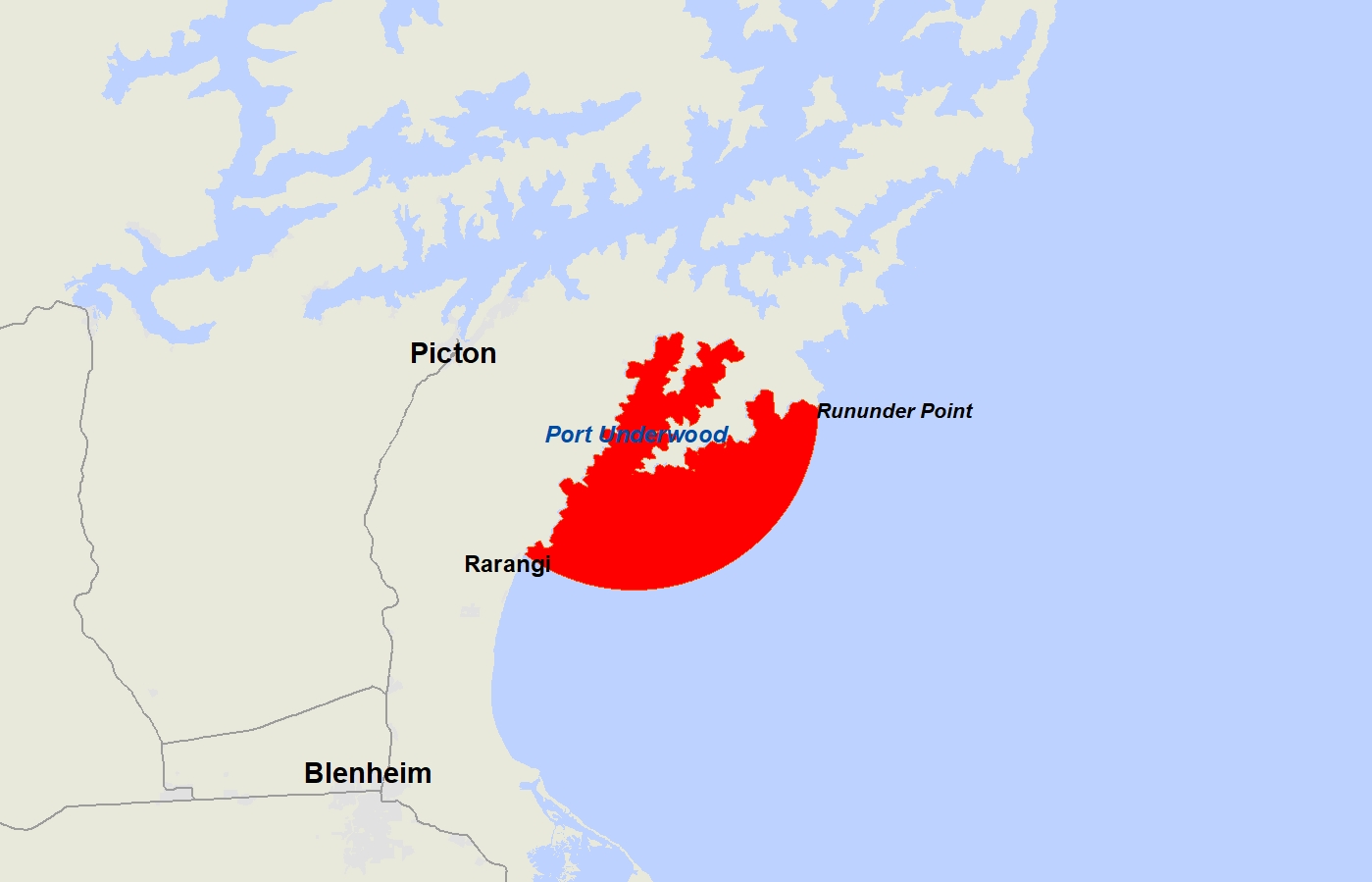
Affected area Port Underwood
Shellfish affected Mussels, oysters, tuatua, pipi, toheroa, cockles, scallops, catseyes, kina (sea urchin) and all other bivalve shellfish.

Note, cooking shellfish does not remove the toxin.

Pāua, crab and crayfish may still be eaten if the gut has been completely removed prior to cooking, as toxins accumulate in the gut. If the gut is not removed its contents could contaminate the meat during the cooking process.

Symptoms Symptoms typically appear between 10 minutes and 3 hours after ingestion and may include:

  • numbness and a tingling (prickly feeling) around the mouth, face, and extremities (hands and feet)
  • difficulty swallowing or breathing
  • dizziness
  • headache
  • nausea
  • vomiting
  • diarrhoea
  • paralysis and respiratory failure and in severe cases, death.
Other information Paralytic shellfish toxins have been detected in shellfish from the Kaipara Harbour at levels over the safe limit of 0.8mg/kg set by MPI. Ongoing testing will continue and any changes will be communicated accordingly.

Map of the affected area

Map of affected area from Rarangi to Rununder Point, Port Underwood area in Marlborough.

New Zealand – North Island warning Extended – PSP

MPI

North Island warning

Reason for alert Paralytic Shellfish Poisoning (PSP)

Date warning issued Extended 18 May 2023

10 May 2023

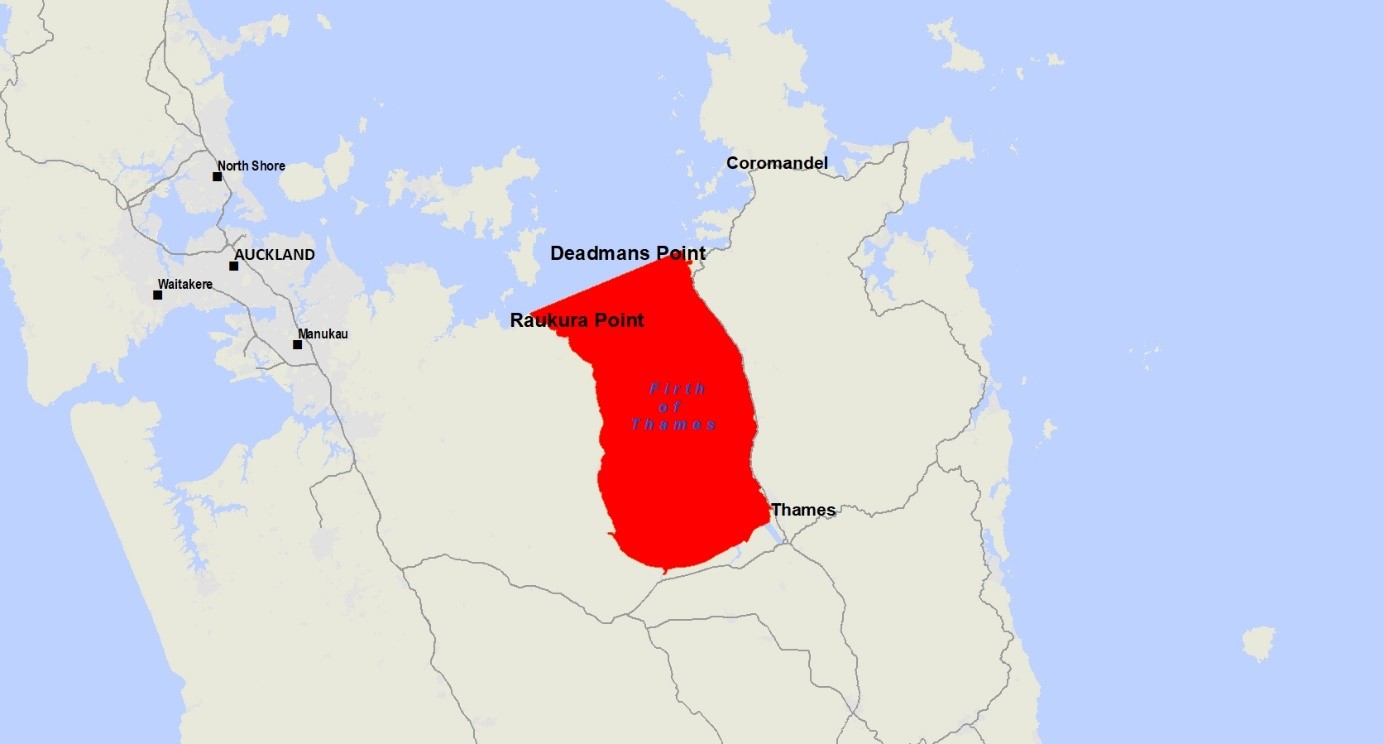
Affected area Firth of Thames.
Shellfish affected Mussels, oysters, tuatua, pipi, toheroa, cockles, scallops, catseyes, kina (sea urchin) and all other bivalve shellfish.

Note, cooking shellfish does not remove the toxin.

Pāua, crab and crayfish may still be eaten if the gut has been completely removed prior to cooking, as toxins accumulate in the gut. If the gut is not removed its contents could contaminate the meat during the cooking process.

Symptoms Symptoms typically appear between 10 minutes and 3 hours after ingestion and may include:

  • numbness and a tingling (prickly feeling) around the mouth, face, and extremities (hands and feet)
  • difficulty swallowing or breathing
  • dizziness
  • headache
  • nausea
  • vomiting
  • diarrhoea
  • paralysis and respiratory failure and in severe cases, death.
Other information Paralytic shellfish toxins have been detected in shellfish from the Kaipara Harbour at levels over the safe limit of 0.8mg/kg set by MPI. Ongoing testing will continue and any changes will be communicated accordingly.

Map of the affected area

Map of affected area from Raukura Point across to Deadmans Point.

Public warnings about toxic shellfish

We test shellfish and seawater for toxic algae every week from popular shellfish gathering areas around New Zealand. If the shellfish are not safe to eat, we issue public health warnings and put up signs at affected beaches.