
Category Archives: Microbiology

RASFF Alerts – Animal Feed – Salmonella – Organic Sunflower Press Cake – Rape Seed Meal -Dog Chews – Raw Petfood – Fish Meal – Sunflower Seed Flakes – Soya Cake

RASFF-Logo

RASFF – Salmonella (present /25g) in organic sunflower seed press cake for feed from Turkey, via the United Kingdom in Germany

RASFF – Salmonella enterica ser. Münster (presence /25g) in rape seed meal from Luxembourg in Sweden

RASFF – Salmonella (presence /25g) and too high count of Enterobacteriaceae (>300, 990, 2200 CFU/g) in dog chews from Turkey in Germany

RASFF – Salmonella (presence /25g) and too high count of Enterobacteriaceae (>49000 CFU/g) in raw petfood from the Netherlands in Belgium

RASFF – Salmonella (presence /25g) in fishmeal from Mauritania in Spain

RASFF – Salmonella enterica ser. Senftenberg (presence /25g) in sunflower seed flakes from the Netherlands in Belgium

RASFF – Salmonella enterica ser. Typhimurium (presence /25g) in organic soya cake from China, via the Netherlands in Sweden


USA – Norovirus: Suspect cases in Renton, WA; Confirmed cases at the University of Virginia

Outbreak News Today Norovirus Food Safety kswfoodworld

More than two dozen people have been sickened with symptoms of nausea, vomiting, and diarrhea linked to La Fuente in Renton, WA, according to King County health officials.

Officials are investigating an outbreak of 28 norovirus-like illnesses from one meal party who became ill after consuming food and beverage from La Fuente on January 25, 2019.

Environmental Health investigators visited the restaurant on January 29. Investigators learned of a possible ill customer at the restaurant on January 25. If this customer was infected with norovirus, this could have contaminated the bathroom area with norovirus. The investigators observed improper handwashing and inadequate handwashing facilities. No employees reported being ill.

RASFF Alerts – Animal Feed – Salmonella – Fish Meal – Rapeseed Cake

RASFF-Logo

RASFF – Salmonella (presence /25g) in fish meal from Morocco in Spain

RASFF – Salmonella (presence /25g) in rapeseed cake from Germany in Germany

Research – New bacteria strain isolated to reduce Zearalenone – Mycotoxin – Lysinibacillus sp

All About Feed

Several physical and chemical technologies are used for inactivation or elimination of the mycotoxin zearalenone. A new bacteria strain that can reduce this mycotoxin has now been added to the list.

Zearalenone (ZEA) is produced by various strains of the genus Fusarium, most notably Fusarium graminearum, Fusarium culmorum and Fusarium cerealis. The growth of Fusarium is affected by various factors (temperature, moisture content of grains, microbial interactions, etc.), and a large amount of ZEA can accumulate in mouldy crops and cereal-derived food products, which frequently leads to reproductive abnormalities of domestic animals and occasionally in hyperoestrogenism in humans.

Research – Short-term consumption of a high-fat diet increases host susceptibility to Listeria monocytogenes infection

Microbiome Journal

Background

A westernized diet comprising a high caloric intake from animal fats is known to influence the development of pathological inflammatory conditions. However, there has been relatively little focus upon the implications of such diets for the progression of infectious disease. Here, we investigated the influence of a high-fat (HF) diet upon parameters that influence Listeria monocytogenes infection in mice.

Results

We determined that short-term administration of a HF diet increases the number of goblet cells, a known binding site for the pathogen, in the gut and also induces profound changes to the microbiota and promotes a pro-inflammatory gene expression profile in the host. Host physiological changes were concordant with significantly increased susceptibility to oral L. monocytogenes infection in mice fed a HF diet relative to low fat (LF)- or chow-fed animals. Prior to Listeriainfection, short-term consumption of HF diet elevated levels of Firmicutesincluding Coprococcus, Butyricicoccus, Turicibacter and Clostridium XIVa species. During active infection with L. monocytogenes, microbiota changes were further exaggerated but host inflammatory responses were significantly downregulated relative to Listeria-infected LF- or chow-fed groups, suggestive of a profound tempering of the host response influenced by infection in the context of a HF diet. The effects of diet were seen beyond the gut, as a HF diet also increased the sensitivity of mice to systemic infection and altered gene expression profiles in the liver.

Conclusions

We adopted a systems approach to identify the effects of HF diet upon L. monocytogenes infection through analysis of host responses and microbiota changes (both pre- and post-infection). Overall, the results indicate that short-term consumption of a westernized diet has the capacity to significantly alter host susceptibility to L. monocytogenes infection concomitant with changes to the host physiological landscape. The findings suggest that diet should be a consideration when developing models that reflect human infectious disease.

RASFF Alert – Animal Feed – Enterobacteriaceae – Dog Chews

RASFF-Logo

RASFF – too high count of Enterobacteriaceae (160; 180; 180 CFU/g) in dog chews from China in Estonia

RASFF Alerts – Animal Feed – Salmonella – Rapeseed – Sesame Cake Expeller – Organic Soybean Cake

RASFF-Logo

RASFF – Salmonella (presence /25g) in rapeseed from Germany in Germany

RASFF – Salmonella enterica ser. Llandoff (presence /25g), Salmonella enterica ser. Meleagridis (presence /25g) and Salmonella enterica ser. Tennessee (presence /25g) in sesame cake expelled from the Netherlands in Austria

RASFF – Salmonella enterica ser. Tennessee (presence /250g) in organic soybean cake for feed from China in Germany

New Zealand – Shellfish biotoxin alert – Bay of Plenty and Waikato region

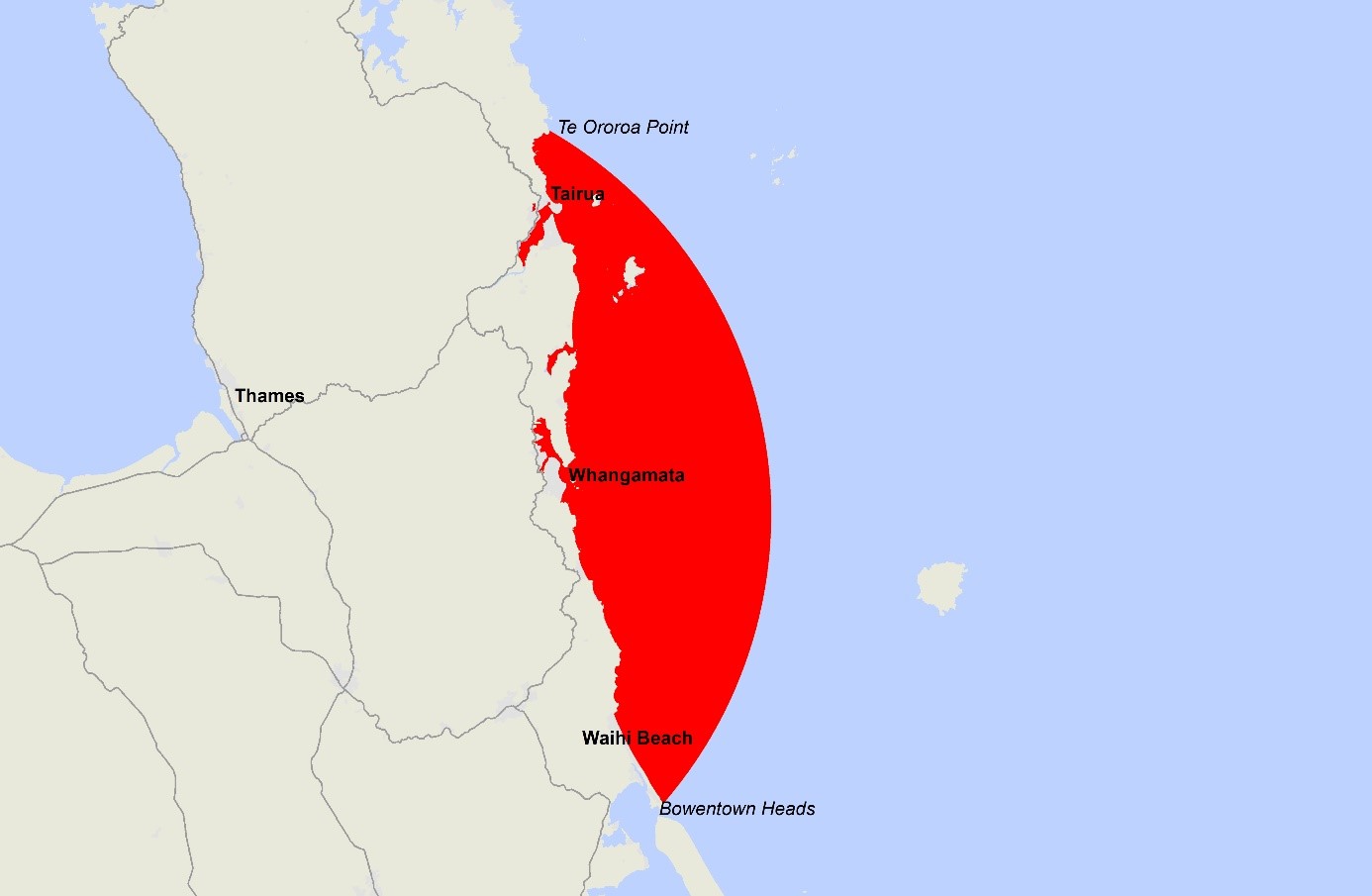
MPI Map highlighting in red the areas affected.

The Ministry for Primary Industries (MPI) today issued a public health warning advising the public not to collect or consume shellfish harvested from the Bay of Plenty/Waikato region from Te Ororoa Point, just north of Tairua, down to Bowentown Heads but not including Tauranga Harbour.

Routine tests on shellfish samples taken from this region have shown levels of Paralytic Shellfish Poisoning (PSP) toxins above the safe limit of 0.8 mg/kg set by MPI. Anyone eating shellfish from this area is potentially at risk of illness.

Mussels, oysters, tuatua, pipi, toheroa, cockles, scallops, catseyes, kina (sea urchin) and all other bivalve shellfish should not be eaten.

Note: Cooking shellfish does not remove the toxin.

Pāua, crab and crayfish may still be eaten if the gut has been completely removed prior to cooking, as toxins accumulate in the gut. If the gut is not removed its contents could contaminate the meat during the cooking process.

Symptoms typically appear between 10 minutes and 3 hours after ingestion and may include:

  • numbness and tingling (prickly feeling) around the mouth, face, and extremities (hands and feet)
  • difficulty swallowing or breathing
  • dizziness
  • a headache
  • nausea
  • vomiting
  • diarrhoea
  • paralysis and respiratory failure and in severe cases, death.

India -Govt. of Assam prohibits sale of Bailley brand packaged drinking water – Biological Parameter Issues

FNB News

The state of Assam has prohibited the manufacture, storage, distribution and sale of Bailley brand packaged drinking water effective from January 18 citing violation of  Food Safety and Standards Act, 2006.

It is learnt that some samples tested by Food and Drug Administration (FDA), Assam, were found violating biological parameters. Also there were issues with high fluoride content.

In this regard, a statement by the FDA says, “In the interest of public health, the packaged drinking water has been banned from production for a period of 30 days, effective today (January 18).”

The packaged drinking water in question is being manufactured by Udayak Agro Products Pvt. Ltd in Kahilakuchi, Satgaon in Guwahati, while the testing was done at various labs including reference lab in Kolkata.

Meanwhile, L R Nampui, designated officer, food safety, Kamrup (M), Guwahati, revealed that during a routine drive, it was found that the packaged water concerned was not complying with the norms.

He pointed out, “As a part of routine work, food safety officers set out on the duty with their team to M/s Udayak Agro Products Pvt. Ltd in Kahilakuchi, Satgaon in Guwahati and collected the samples of packaged drinking water in which fluoride and microbiological parameters were found in violation of the prescribed norms.”

He informed that the Assam government has given 30 days rectification time to the brand.

Bailley is a packaged drinking water brand of Parle Agro. When contacted, the company did not respond to queries.

RASFF Alerts – Animal Feed – Salmonella – Enterobacteriaceae – Dog Chews – Fish Meal

RASFF-Logo

RASFF – Salmonella enterica ser. Agona (in 1 out of 5 samples /25g) in dog chews from Germany in Austria

RASFF – too high count of Enterobacteriaceae (9000 CFU/g) in fish meal from Poland in Spain