Category Archives: Microbiology

USA – The Quest for Safer Chicken

Consumer Reports

Why are potentially deadly bacteria legally allowed in our poultry? And how can you and your family stay safe?

Amanda Craten used to love cooking, especially big Sicilian dinners prepared for her extended family, relishing the family bonding as much as the food. But that changed in 2013 after Craten’s son and mother-in-law became seriously ill with Salmonella Heidelberg, a virulent, antibiotic-resistant strain of bacteria that was traced to chicken from Foster Farms, a leading poultry processor.

That contaminated chicken was part of a salmonella outbreak that spanned 16 months and sickened 634 people across the country, more than a third of whom had to be hospitalized. And for Craten’s family, in Arizona, the consequences were devastating.

Hong Kong – CFS reminds public to pay more attention to food safety risks in summer

CFS

The Centre for Food Safety (CFS) of the Food and Environmental Hygiene Department (FEHD) today (July 20) released the findings of its Summer Food Surveillance Programme 2021. The results of over 2 000 food samples tested were satisfactory except for three samples that had been announced earlier. The overall satisfactory rate was 99.85 per cent. A CFS spokesman reminded members of the public to remain vigilant and pay more attention to food safety and environmental hygiene as the hot and humid climate of summer in Hong Kong facilitates the multiplication of bacteria.

The spokesman said, “The CFS collected 2,002 samples from market stalls, restaurants, food factories, fresh provision shops, online vendors, hawkers and premises in connection with intelligence, etc for tests.”

The samples comprised 180 samples of dairy products and frozen confections, 138 samples of cut fruit and salads, 97 samples of desserts and drinks, 54 samples of sandwiches, 251 samples of cooked meat products and 551 samples of other ready to eat foods. The CFS was notified of multiple food poisoning cases which involved consumption of raw oysters this summer and therefore enhanced the testing of aquatic products. A total of 731 samples of aquatic products such as sushi and sashimi, fish, crustaceans (such as shrimp and scampi), molluscs and other edible aquatic animals (such as oysters and venus clams) were collected for tests.

The spokesman said that 1,800 food samples were collected for microbiological tests, 132 samples for tests of metallic contaminants and 70 samples for tests of veterinary drug residues. Samples tested for microbiological tests and metallic contaminants were all satisfactory. As for the tests of veterinary drug residues, except for three samples (one for venus clam, one for clam and one for common oriental clam) in which chloramphenicol were found, the remaining samples were all satisfactory. The overall satisfactory rate was 99.85 per cent.

The CFS has announced the test results of the unsatisfactory samples and conducted follow-up actions, including instructing the concerned vendors to stop sales and remove the products from the shelves, tracing the source and informing the authority of the origin.

The spokesman pointed out that although unsatisfactory samples for microbiological tests were not found in the Summer Food Surveillance Programme 2021, bacteria grow faster in warmer environments in summer, and that the hot weather increases the risk of food poisoning caused by bacteria.

The spokesman reminded members of the public in particular that raw or undercooked foods are high-risk foods as there is not any, or inadequate, heat treatment to eliminate the microorganisms present that can pose risks to human health. Raw or undercooked foods are also associated with the risk of contracting antimicrobial resistance (AMR) microorganisms. Although these AMR microorganisms may not cause illnesses, they may transfer their antibiotic resistance genes to other bacteria inside the human body, therefore affecting the effectiveness of the future use of antibiotics when needed. Susceptible populations such as pregnant women, young children, the elderly and people with weakened immunity (i.e. people with chronic diseases or those on antibiotics treatment, antacid and long-term steroids or drugs given to prevent transplant rejection, etc) are of higher risk of being infected or having complications if they consume raw or undercooked foods due to their health status. They should therefore avoid eating raw and undercooked foods.

Members of the public should pay attention to food safety, especially in summer, and observe the following Five Keys to Food Safety in order to reduce the risk of foodborne diseases:

  • choose (choose safe raw materials);
  • clean (keep hands and utensils clean);
  • separate (separate raw and cooked food);
  • cook (cook thoroughly); and
  • safe temperature (keep food at a safe temperature).

Members of the public are also reminded to dine out in licensed and hygienic restaurants. Food premises selling sushi and sashimi or other high risk food require a special permit. The public should patronise only those with relevant licences or permits issued by the FEHD.

Ends/Tuesday, July 20, 2021

New Zealand – Koo, Hugo’s, Helderberg brand Canned Vegetables, Beans and Spaghetti products – Microbial Contamination

MPI

Several importers are recalling specific batches of Koo, Hugo’s and Helderberg brand canned vegetables, beans and spaghetti products due to a packaging fault, which may lead to a potential risk of microbial contamination in the products.

Product identification
Product type Canned goods
Name of product (size) Helderberg Fresh Garden Peas in Sweetened Brine (400g)

Hugo’s brand Baked Beans in Tomato Flavoured Sauce (410g)

Koo brand Baked Beans in Barbeque Flavoured Sauce (410g)

Koo brand Baked Beans in Chilli Sauce (420g)

Koo brand Baked Beans in Chilli Wors Flavoured Sauce (410g)

Koo brand Baked Beans in Hot Chakalaka Sauce (410g)

Koo brand Baked Beans in Hot Curry Sauce (420g)

Koo brand Baked Beans in Tomato and Herb Sauce (410g)

Koo brand Baked Beans in Tomato Sauce (410g)

Koo brand Baked Beans in Tomato Sauce Lite (410g)

Koo brand Butter Beans in Brine (410g)

Koo brand Butter Beans in Tangy Curry Sauce (410g)

Koo brand Butter Beans in Tomato Sauce (420g)

Koo brand Creamstyle Sweetcorn (415g)

Koo brand Fresh Garden Peas in Brine (410g)

Koo brand Garden Peas in Sweetened Brine (400g)

Koo brand Mixed Vegetables in Brine (410g)

Koo brand Mixed Vegetables in Cape Malay Curry Sauce (420g)

Koo brand Mixed Vegetables in Curry Sauce (420g)

Koo brand Mixed Vegetables in Durban Curry Sauce (420g)

Koo brand Mixed Vegetables in Hot Curry Sauce (420g)

Koo brand Mixed Vegetables in Sweet and Spicy Curry Sauce (420g)

Koo brand Short Spaghetti in Flavoured Tomato Sauce (410g)

Koo brand Whole Kernel Corn in Brine (410g)

Koo Surfmaid Petit Pois in Sweetened Brine (400g)

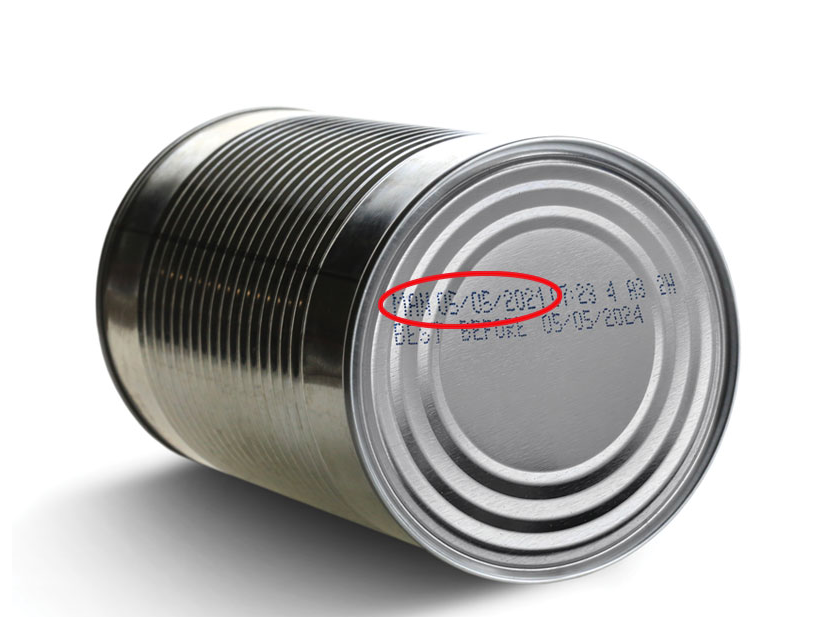
Date marking Produced from MAN 01/05/2019 up to and including MAN 05/05/2021
Package size and description The products are sold in various weights in tinned cans.
Distribution
Northland
Biltong + Ltd 273 Rodney Street, Wellsford
Bin Inn Whangarei 75 Walton Street, Whangarei
Auckland
FoodCulture 3/44 Fortunes Road,Halfmoon bay
Biltong Plus 273 Rodney Street, Wellsford
Freds Fine Foods 52 Oteha Valley Road, Northcross
OSSEWA Home baked Industries 573 Buckland Road, Buckland
Select Products Ltd (Howick) 170 Wellington Street, Howick
Tackle and Outdoor 12 Elizabeth Street, Wakword
Butcher Boy Shop 3 , 345 Chapel Road, Flat bush
The South African Shop Limited 1A Buscomb Ave Henderson
The South African Shop Limited 2B Arklow Lane Stanmore Bay
The South African Shop Limited 6 Rosedale Road, Windsor Park
Mama Africa Suite 8, 28 Subway Road, Pukekohe
SA Shop Whangaparoa 2B Arklow Lane, Stanmore Bay, Whangaparāoa
Inside Africa 2 Bishop Dunn Place, East Tamaki, Auckland
Inside Africa 24 Dunrobin Place, Half Moon Bay, Auckland
Inside Africa 7 Mercari Way, Albany
Waikato
Elite Meats Biltong and Dried Sausages 97 Fifth Avenue, Enderley, Hamilton
Little & Wild Café and SA Shjop 29 Totara Street, Tauppo
Meat ‘n Greet 718 Grey Street, Hamilton East
Rototuna FoodMart 412 Hukanui Road,Rototuna,Hamilton
The Lekker Shop 1 Grasslands Place, Frankton
Bay of Plenty
Big 5 Biltong & Braai Shop 5/38 Gravatt RoadPapamoa Beach
Boerewors NZ Unit 6, 70 Hotuhotu Street, Tauriko
Gateway to Africa 152 Eleventh Avenue,Tauranga
HawkesBay
The Saffa Shack 28 Havelock Road, Havelock North
 Gisborne
Yebo It’s Africa 79 Peel Street, Gisborne
Taranaki
Bok Shop Shop 10 ,The Richmond Centre, 4 Egmont Street, New Plymouth
Manawatu-Wanganui
eSANZ 73 Milson Line, Milson, Palmerston North
Mzansi South African Shop Palmerston North 11A Newhaven Place, Roslyn, Palmerston North
Greater Wellington
Biltong and Wors Shop 13 Collins Ave, Tawa, Wellington
Little Africa 70 Raglan Street, Landowne
Ontrays 38 Fitzherbert St, petone
South Island
Safari Meats and SA Shop 100 Carmen Road, Hornyby, Christchurch
South African Pantry 20 Main Road South, Coastlands Shopping Town
Taste of Africa Christchurch 189 Idris Road, Strowan, Christchurch
Afri-Kai 14 Clifton Terrace
Benhay Investments Ltd 7 Coronation Court, Milton, Otago
Blenheim Mart 31 Scott Street, Blenheim
Online:
Biltong + Ltd https://www.biltongplus.co.nz/
Gateway to Africa Limited https://gatewaytoafrica.co.nz/
Inside Africa https://insideafrica.nz/
The South African shop Ltd https://sashopnz.co.nz/
Notes The cans may have a defective side seam weld that could cause the can to leak or become swelled/bulged. The affected products should not be consumed regardless of the appearance. If a can is leaking or have become swelled/bulged, handle carefully as the can may explode.

This recall does not affect any other Koo, Hugo’s or Helderberg brand products.

Consumer advice

Customers are asked to check the date of manufacture on the bottom of the can.

Example of date of manufacture.

Affected products should not be consumed. There have been no reports of associated illness, however if you have consumed any of these products and have any concerns about your health, seek medical advice.

Customers should return the products to their retailer for a full refund.

Who to contact

If you have questions, contact the retailer you purchased the product from.

The products are imported by the following importers:

Gateway to Africa: 07 5710299

Inside Africa: 021 2735242

RWS – Export Ltd: 027 6196786

South African Bok Shop Ltd: 06 7572582

The South African Restaurant Group Ltd: 09 2139517

The South African Shop Ltd: 09 4788016

USA – Hawaii’s food safety agency uses embargo to drive raw milk sales off the islands

Food Safety News

State and local health departments went for months with no concerns other than the pandemic. But this summer, they are finding the time and personnel to work on other public health issues.

Hawaii, for example, has had an embargo underway for unpasteurized goat milk. The Hawaii Department of Health’s Food Safety Branch found numerous pet stores on O’ahu were selling raw goat milk.

Hawaii retailers and restaurants must purchase only pasteurized Grade A milk and milk products.

Raw milk is not safe for human consumption. As of July 1, the Food Safety Branch found about 20 O’ahu pet stores selling raw milk. Under the embargo, pet stores or any other retailer with raw milk in their possession were fined up to $10,000 a day unless they removed the raw goat milk from sale and destroyed the product.

UK project gets funding to monitor foodborne pathogens and AMR

Food Safety News

A project in the United Kingdom has received funding for the surveillance of foodborne pathogens and antimicrobial resistance.

Pathogen Surveillance in Agriculture, Food and the Environment (PATH-SAFE) involves the Food Standards Agency (FSA); Food Standards Scotland (FSS); Department of Environment, Food and Rural Affairs (Defra); Department of Health and Social Care (DHSC); Public Health England (PHE); and the Environment Agency.

The aim is to establish the infrastructure and sampling frameworks needed to monitor the source and spread of foodborne pathogens and antimicrobial resistance (AMR) genes between the environment, animals, food and people.

USA – Pacific Northwest heat wave causes vibrio bacteria outbreak in oysters

SeaFoodSource

Vibrio

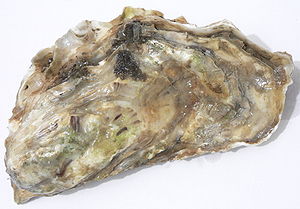
A heat wave that sent temperatures into the triple digits for three days in the U.S. Pacific Northwest in late June and early July drove up levels of the vibrio bacteria in area oysters, causing record numbers of illnesses from the bacteria and prompting oyster recalls.

The Washington State Department of Health (DOH) reported 75 lab-confirmed cases of vibriosis as of Wednesday, 29 July, and said there are likely many unreported cases. According to figures provided by DOH, the previous record number of vibriosos cases through 28 July was 48 in 2018.

The outbreak occurred over the holiday weekend of 4 July and coincided with the reopening of many of Washington’s businesses and restaurants. DOH said that several people visiting the area had fallen ill, including tourists from California, Canada, and Mexico. Officials had traced 48 of the cases back to commercial growers, while five of the cases were from recreational catch. The other cases with either unknown or still under investigation.

Vibriosis cases have been traced back to 24 different growing in areas in Washington state, including Samish Bay and Hood Canal, both of which have large tracts of oysters. A recall was issued for all oysters harvested in Samish Bay from 29 June onward, and the area was closed until at least 6 August, pending the results of ongoing tests. Officials were working to gather harvest from the area, while the Interstate Shellfish Sanitation Conference reported that some oysters from the affected spot had been exported to China, Cambodia, and the Philippines.

Canada – Notice not to consume various products packaged in glass jars prepared and sold by Les Jardins de Caroline – Food Safety

MAPAQ

WARNING TO THE POPULATION

QUEBEC, July 30. 2021 / CNW Telbec / – The Ministère de l’Agriculture, des Pêcheries et de l’Alimentation (MAPAQ), in collaboration with the company Les Jardins de Caroline, located at 605, chemin Cowan , in Havelock , is warning the population not to not consume the products indicated in the table below, because they have not been prepared and packaged in such a way as to ensure their safety.

Product name

Format

Targeted lot

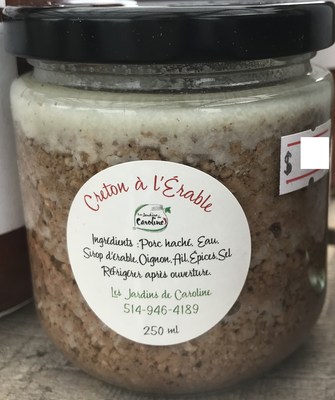
“MAPLE CRETON”

Unitary

Units sold until July 30, 2021

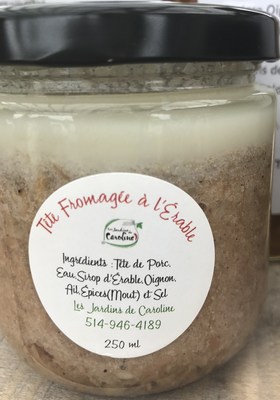
“CHEESE HEAD WITH MAPLE”

The products that are the subject of this warning were offered for sale until July 30, 2021, at the Valleyfield Public Market , located at 51, rue Hébert, in Salaberry-de-Valleyfield and at the County Farmer’s Market. de Huntingdon , located at 11, rue Dalhousie , in Huntingdon . They were packaged in glass jars and offered at room temperature. The product label includes, in addition to their name, the mention “Les Jardins de Caroline”.

The operator is voluntarily recalling the products in question. He agreed with MAPAQ to disseminate this warning as a precautionary measure. In addition, people who have these products in their possession are advised not to consume them. They must return them to the establishment where they bought them or throw them away. Although the affected products do not show any signs of spoilage or a suspicious odor, their consumption may represent a health risk. It should be noted that no case of illness associated with the consumption of these foods has been reported to MAPAQ so far.

Additional information

The Ministry publishes various information documents concerning food safety. Those interested can consult them in the “Food consumption” section of the MAPAQ website: www.mapaq.gouv.qc.ca/consommation . They can also register online, by visiting www.mapaq.gouv.qc.ca/rappelsaliments , to receive, by e-mail, the food recall releases published by the Department. Finally, it is possible to follow “MAPAQaliments” on Twitter at the following address: www.twitter.com/MAPAQaliments .

Maple creton (CNW Group / Ministry of Agriculture, Fisheries and Food) This link will open in a new window.

Maple Head Cheese (CNW Group / Ministry of Agriculture, Fisheries and Food) This link will open in a new window.

Source:
Media relations
Communications
Department Ministry of Agriculture, Fisheries
and Food
Tel. : 418 380-2100, extension 3512
www.mapaq.gouv.qc.ca

Risk classification:  Class 1
Reference number:  4381

Australia – Koo canned mixed vegetable varieties – Microbial Contamination

FSANZ

Product information

Sapro Australia is conducting a recall of a variety of Koo brand vegetable products:

Baked Beans in Tomato Sauce; Butter Beans in Flavoured Brine; Butter Beans in Tomato Sauce; Corn Creamstyle Sweetcorn; Whole Kernel Sweetcorn in Brine; Mixed Vegetables in Hot Curry Sauce; Mixed Vegetables in Curry Sauce; Mixed Vegetables in Brine; Baked Beans in Chilli Sauce.

The products have been available for sale at independent food retailers nationwide.

Date markings

Date of Manufacture from 1/5/2019 up to and including 5/5/2021.

Koo canned vegetables

Problem

The recall is due to potential microbial contamination as a result of a canning failure.

Food safety hazard

Food products with potential microbial contamination may cause illness if consumed.

Country of origin

South Africa

What to do​

Consumers should not eat this product and should return the products to the place of purchase for a full refund. Any consumers concerned about their health should seek medical advice.

For further information please contact:

Sapro Australia
0414070564
www.saproaustralia.com.au

Related links:

Research – Formation of multi-species biofilms and their resistance to disinfectants in food processing environments: A review

Journal of Food Protection

In food processing environments, various microorganisms can adhere and aggregate on the surface of equipment, resulting in the formation of multi-species biofilms. Complex interactions among microorganisms may affect the formation of multi-species biofilms and their resistance to disinfectants, which are food safety and quality concerns. This paper reviews the various interactions among microorganisms in multi-species biofilms, including competitive, cooperative and neutral interactions. Then, the preliminary mechanisms underlying the formation of multi-species biofilms are discussed in relation to factors, such as quorum sensing (QS) signal molecules, extracellular polymeric substances (EPS) and biofilm-regulated genes. Finally, the resistance mechanisms of common contaminating microorganisms to disinfectants in food processing environments are also summarized. This review is expected to facilitate a better understanding of inter-species interactions, and provide some implications for the control of multi-species biofilms in food processing.

Research – Characterisation of multidrug resistant Escherichia coli isolated from two commercial lettuce and spinach supply chains

Journal of Food Protection

ABSTRACT Leafy green vegetables have increasingly been reported as a reservoir of multidrug-resistant pathogenic Enterobacteriaceae; with Shiga toxin- producing Escherichia coli frequently implicated in disease outbreaks worldwide.  This study aimed to determine the presence and characteristics of antibiotic resistance, diarrheagenic virulence genes and phylogenetic groupings of E. coli isolates (n=51) from commercially produced lettuce and spinach from the farm, through processing and at the point of sale.  Multidrug resistance was observed in 33 of the 51 E. coli isolates (64.7%); with 35.7% (n=10/28) being generic and 100% (n=23/23) Extended Spectrum β-lactamase/AmpC- producing.  Resistance of E. coli isolates was observed against neomycin (100%; n=51/51), ampicillin (70.6%; n=36/51), amoxycilin (68.6%; n=35/51), tetracycline (45%; n=23/51), trimethoprim/ sulfamethoxazole (43%; n=22/51), chloramphenicol (25.5%; n=13/51), augmentin (11.8%; n=6/51) and gentamicin (7.8%; n=4/51); with 100% (n=51/51) susceptibility to imipenem. Virulence gene eae was detected in two E. coli isolates from irrigation water sources only, while none of the other virulence genes tested for were detected.   Most of the E. coli strains belonged to phylogenetic group B2 (25.5%; n=13), B1 (19.6%; n=10) and A (17.6%; n=9); with D (5.9%; n=3) less distributed. Although diarrheagenic E. coli were not detected, antibiotic resistance in E. coli prevalent in the supply chain was evident. Additionally, a clear link between E. coli isolates from irrigation water sources and leafy green vegetables through DNA fingerprinting was established which indicates the potential transfer of E. coli from irrigation water to minimally processed leafy green vegetables.