Category Archives: Microbiological Risk Assessment

Research – Solar water disinfection effective for E. coli at high, low altitudes

Waterworld

Solar water disinfection (SODIS) may be just as effective at decontamination E. coli-infected water at high altitudes as it is at low altitutdes, according to a press release by Elsevier.

The results of a new study appearing in the Wilderness Medical Society’s official journal Wilderness & Environmental Medicine, published by Elsevier, shows promise this method of disinfection..

Water can be successfully disinfected through several methods: heat, filtration, chemical treatment, and ultraviolet (UV) light. The use of natural sunlight for solar disinfection of contaminated water effectively inactivates many microorganisms, including bacteria, viruses, protozoa, and fungi.

A team of researchers at the University of Colorado Anschutz Medical Campus conducted an experimental study to determine the effect of SODIS on water purification at high altitude (above 2,500 meters) compared to low altitude (below 2,500 meters) among different types of water containers.

“No other published research examining the effectiveness of SODIS at high altitude is available to our knowledge,” said William Mundo, lead investigator of the study. “Adequate access to water, sanitation, and hygiene is a crucial component of human health during emergency situations such as natural disasters and extreme weather events, which are becoming prevalent with climate change.”

A study design previously described in the literature was modified, most notably to evaluate the concentration of E. coli colony-forming units (CFUs) at multiple time points throughout the required six hours of direct sunlight, as recommended by the World Health Organization.

Compared to control containers with no sunlight exposure, the researchers found that all bacteria were inactivated by six hours. At two hours, bacterial inactivation at high altitude was 1.7-fold greater than at lower altitude, however, at the end of six hours, there were no significant differences between high and low altitude samples.

Singapore – Spize’s outlets at Simpang Bedok get hygiene downgrade after food poisoning cases

Channel News Asia

SINGAPORE: Two food establishments owned by Spize have had their food hygiene grades downgraded from A to C, said the Singapore Food Agency (SFA) on Saturday (Mar 11).

Fifteen people reportedly developed gastroenteritis symptoms following the consumption of food prepared at Spize @ Simpang Bedok from Jul 5 to Jul 6, 2022.

Research – Human Pathogens in Primary Production Systems

MDPI

Human pathogenic micro-organisms can contaminate plants. Plants whose products can be consumed freshly or after minimal processing are of specific concern. It is under debate whether contaminations only occur at harvest or the after harvest processing of crops, or if they can already occur at the primary plant production stages.
Plants may be considered as secondary habitats for human pathogens [1], and, although they do not possess the full capacity to invade and colonize internal tissues of plants, like plant pathogens and endophytes do [2], they are still capable of maintaining themselves in the neighborhood of, and even inside, plants [3], and to proliferate in these ecosystems. Human pathogens can respond to chemical signals from plants [4] and, from that perspective, human pathogens may share properties with other micro-organisms commonly present in plant microbiomes. From an evolutionary perspective, it make sense that particular groups of zoonotic species are able to use plants as secondary habitats. These microbes can be transferred via feces among different flocks that graze on the same land [5]. Longer persistence on grazed plants may contribute to a wider distribution over different flocks. It is an important message for plant production that microbial interconnectivity will exist between ecosystems and that human pathogens can circulate between animals and plants when animal manure is applied to soil for fertilization [6]. Water used for irrigation is another human pathogen source in agricultural production systems, especially when derived from surface water bodies [7]. Human pathogens can contaminate surface water via drainage from arable fields recently fertilized with animal manure [8], but also from sewage overflow after severe precipitation [9] and wildlife [10].
The contamination of plant-derived products with human pathogens thus does not only result from harvest and post-harvest handlings, but can also occur at the primary production stage. The network activities of the EU COST Action on the control of human pathogens in plant production systems (HUPLANTcontrol) comprehended important aspects that were intended to gain a better understanding on the role of human pathogens in plant microbiomes in relation to ecology, taxonomical identity, and presumed virulence to humans. This information was relevant for the formulation of recommendations and guidelines to growers, but also to provide public information on the consequences of the presence of human pathogens in plant production systems. This Special Issue was dedicated to the main objectives of our network activities and resulted in seven manuscripts that are related to the topic of human pathogens in their relationship with plants.
It was shown that Escherichia coli, introduced via manure and seeds in production systems, had a higher preference for the root zone (roots and rhizosphere soil) than for the above-soil compartments [11,12]. Although different E. coli strains were incidentally found in stem parts shortly after their introduction, their abundance rapidly declined to levels below detection, whereas near, on, and inside roots, the introduced strains remained present up to plant senescence. As both experiments were performed under field-realistic circumstances, the key message derived from both manuscripts is critical for practice, because it would imply that plant roots are potential carriers of human pathogens once they are disseminated into production systems via external sources. The ability for microbial species to jump over from plant to animal kingdoms was indicated for two taxonomically distinct micro-organisms, Fusarium musae [13] and Bacillus cereus [14]. Namely, F. musae strains with the same genetic profile could infect both humans and plants (banana fruit), whereas B. cereus strains derived from 17 different agricultural soils sampled across Europe possessed genes that are potentially involved in human pathogenicity. Both studies made clear that human pathogens in plant production systems do not necessarily originate from external sources, but can be intrinsic members of soil and plant ecosystems. Soil treatment with composted sewage sludge resulted in a shift in the soil microbiome composition [15]. Salmonella enterica survived longer when simultaneously applied with composted sewage sludge to soil than when applied separately via irrigation. Changes in microbiomes as a result of soil amendments may thus influence the persistence of human pathogens in food production soils, and this information is relevant for understanding the mechanisms behind the soil persistence of human pathogens. Finally, it revealed that plants themselves can influence the behavior of human pathogens. Upon plant inoculation, flagellin expression was down-regulated in a vast majority of S. enterica cells, whereas high expression was found in a subfraction of the introduced population [16]. Heterogenous flagellin expression is an adaptational strategy of S. enterica inside plants. Plants defend themselves upon colonization by human pathogens via activating defensive networks [17]. Bioactive compounds produced by plants antagonize human pathogens in plants, offering new opportunities for the control of human pathogens in plant production systems.
The seven manuscripts in this Special Issue provide new and important information on the ecological behavior of human pathogens in the plant–soil environment and the roles that microbiomes play. They also demonstrated that plant microbiomes themselves harbor species that can potentially cross plant–animal frontiers and that the plant environment is a specific ecosystem where human pathogens are able to adapt to local prevailing circumstances. Valuable information was provided for further translation into practical recommendations, which is needed for the control of human pathogens in, or nearby, growing plants. Finally, the information provided is relevant for the transition towards extensive and circular agricultural production systems. The use of animal manure and other organic waste streams and reclaimed water as alternatives for fertilizers and irrigation water will become more opportune in this transition, affecting the introduction of human pathogens into plant production systems.


Research – Enhancement of the Antibiofilm Activity of Nisin against Listeria monocytogenes Using Food Plant Extracts

MDPI

Abstract

Listeria monocytogenes is a foodborne pathogen exhibiting a high mortality rate. In addition to the robust tolerance to environmental stress, the ability of L. monocytogenes to develop biofilms increases the risk of contaminating food processing facilities and ultimately foods. This study aims to develop a synergistic approach to better control Listeria biofilms using nisin, the only bacteriocin approved as a food preservative, in combination with gallic-acid-rich food plant extracts. Biofilm assays in the presence of nisin and gallic acid or its derivatives revealed that gallic acid significantly decreased the level of biofilm formation in L. monocytogenes, whereas ethyl gallate, propyl gallate, and lauryl gallate enhanced biofilm production. As gallic acid is widely distributed in plants, we examined whether extracts from gallic-acid-rich food plants, such as clove, chestnut, oregano, and sage, may generate similar antibiofilm effects. Remarkably, sage extracts enhanced the antibiofilm activity of nisin against L. monocytogenes; however, the other tested extracts increased biofilm formation, particularly at high concentrations. Moreover, sage extracts and nisin combinations significantly reduced the biofilm formation of L. monocytogenes on stainless steel. Sage is a common food spice and has various beneficial health effects, including antioxidation and anti-cancer properties. The findings in this study demonstrate that sage extracts can be potentially combined with nisin to prevent biofilm production in L. monocytogenes.

Sweden – No cases yet linked to most recent Salmonella finding in Sweden

Food Safety News

hazegg.jpg

A second alert for Salmonella at an egg producer in Sweden does not appear to have resulted in more people getting sick, according to health officials.

The Public Health Agency of Sweden (Folkhälsomyndigheten) said new findings of Salmonella at the site of the same company were made in mid-February. This prompted another wave of recalls in February and March.

In late December 2022, Salmonella Enteritidis was identified at CA Cedergren, a major producer, in one of the egg-laying stables during a routine environmental sampling check. Eggs were then recalled by Coop, Axfood, ICA, Lidl, and Kronägg. 

Investigations found Salmonella from the production environment in December was identical to isolates from sick people.

Research – Exploring the Link Between Legionnaires’ Disease and Pneumonia

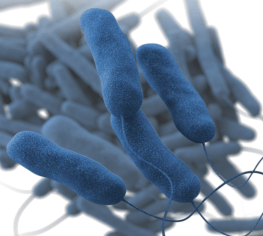
CDC legionella

Most of us have heard of Legionnaires’ disease and we are all likely to be aware of pneumonia too, but did you know there is a link between the two?

There are many illnesses and conditions that can affect the lungs. Legionnaires’ disease presents as a serious type of pneumonia. This is an inflammation of the lungs. Below, we’ll go into more detail about the link between Legionnaires’ disease and pneumonia. Both can be fatal, particularly among those who are more susceptible to this type of infection than others.

A version of this story exploring the link between Legionnaires’ disease and pneumonia appeared in Legionella Control International’s newsletter. To get it in your inbox, sign up for free at the link above

USA – FDA wants infant formula manufacturers to step up work to prevent contamination

Food Safety News

Top FDA officials are calling on manufacturers of infant formula to clean up their act.

In a letter this week Robert M. Califf, FDA Commissioner, and Susan T. Mayne, Director of the Center for Food Safety and Applied Nutrition, addressed concerns about infant formula along the food chain, speaking to manufacturers, packers, distributors, exporters, importers and retailers.

“FDA is sharing this information with you with the expectation that you will act to mitigate potential food safety risks in powdered infant formula in accordance with FDA regulations while further striving to improve operations, especially given the critical nature of these products,” a letter from the FDA leaders states.

“. . . The FDA has reviewed conditions during recent inspections of powdered infant formula manufacturers, including routine surveillance inspections, for-cause inspections to follow up on consumer complaints and other interactions with manufacturers.”

Research – Modeling the Growth of Six Listeria monocytogenes Strains in Smoked Salmon Pâté

MDPI

Abstract

In this study, the growth of six L. monocytogenes strains isolated from different fish products was quantified and modeled in smoked salmon pâté at a temperature ranging from 2 to 20 °C. The experimental data obtained for each strain was fitted to the primary growth model of Baranyi and Roberts to estimate the following kinetic parameters: lag phase (λ), maximum specific growth rate (μmax), and maximum cell density (Nmax). Then, the effect of storage temperature on the obtained μmax values was modeled by the Ratkowsky secondary model. In general, the six L. monocytogenes strains showed rapid growth in salmon pâté at all storage temperatures, with a relatively short lag phase λ, even at 2 °C. The growth behavior among the tested strains was similar at the same storage temperature, although significant differences were found for the parameters λ and μmax. Besides, the growth variations among the strains did not follow a regular pattern. The estimated secondary model parameter Tmin ranged from −4.25 to −3.19 °C. This study provides accurate predictive models for the growth of L. monocytogenes in fish pâtés that can be used in shelf life and microbial risk assessment studies. In addition, the models generated in this work can be implemented in predictive modeling tools and repositories that can be reliably and easily used by the fish industry and end-users to establish measures aimed at controlling the growth of L. monocytogenes in fish-based pâtés.

Research – In-Package Atmospheric Cold Plasma Treatment and Storage Effects on Membrane Integrity, Oxidative Stress, and Esterase Activity of Listeria monocytogenes

MDPI

kswfoodworld

Abstract

Atmospheric cold plasma (ACP) treatment can reduce bacterial pathogens in foods. Additional reduction in bacterial cells during storage after ACP treatment was previously reported. The underlying mechanisms of bacterial inactivation during ACP treatment and post-treatment storage need to be understood. This study investigated the changes in the morpho-physiological status of Listeria monocytogenes on ham surfaces after post-ACP-treatment storage of 1 h, 24 h, and 7 days at 4 °C. The membrane integrity, intracellular oxidative stress, and esterase activity of L. monocytogenes were evaluated by flow cytometry. L. monocytogenes cells were under high oxidative stress conditions with slightly permeabilized membranes after 1 h of post-ACP-treatment storage according to the flow cytometry data. During the extended storage of 24 h, the percentage of cells with a slightly permeabilized membrane increased; subsequently, the percentage of cells with intact membranes decreased. The percentage of L. monocytogenes cells with intact membranes decreased to <5% with a treatment time of 10 min and after 7 days of post-treatment storage. In addition, the percentage of L. monocytogenes cells under oxidation stress decreased to <1%, whereas the percentage of cells with completely permeabilized membranes increased to more than 90% for samples treated with ACP for 10 min and 7 days of post-treatment storage. With increased ACP treatment time, for 1 h stored samples, the percentage of cells with active esterase and slightly permeabilized membranes increased. However, during the extended post-treatment storage of 7 days, the percentage of cells with active esterase and slightly permeabilized membranes decreased to below 1%. At the same time, the percentage of cells with permeabilized membrane increased to more than 92% with an increase in ACP treatment time of 10 min. In conclusion, the higher inactivation after 24 h and 7 days post-ACP-treatment storage compared to 1 h stored samples correlated with the loss of esterase activity and membrane integrity of L. monocytogenes cells.

Research – Catalan Food Safety Agency – Quality criteria for drinking water used in the food industry

ACSA

On January 12, 2023 , Royal Decree 3/2023  came into force, establishing the technical-sanitary criteria for the quality of drinking water , its control and supply .

This new Royal Decree represents a new, broad and complex regulatory framework to protect human health from any contamination of drinking water. Establishes the technical-sanitary criteria and the quality control of drinking water throughout the supply chain, from catchment water bodies to the user’s tap, with the aim of guaranteeing that drinking water is healthy and clean.

It also specifically establishes the quality criteria for drinking water used in the food industry (CHAPTER VI Water quality in the food company) :

  • It establishes the quality criteria, as well as the parameters and parametric values ​​of the water used for the manufacture, preparation or treatment of food, as well as for washing materials intended for contact with food.
  • The food company will be responsible for the quality of the water from the point of delivery to the connection or in the case of supply in tanks or mobile tanks, of all the phases that it carries out and that, as such, are described in the self-control systems based on in the principles of Hazard Analysis and Critical Control Points (HACCP).
  • The operator of the food company must ensure the quality of the drinking water used, through a sampling plan, different types of analysis and controls, which will be included in their self-control systems based on the HACCP principles. 

This regulation partially transposes Directive (EU) 2020/2184 in Spain  ,  relating to the quality of water intended for human consumption  and repeals Royal Decree 140/2003,  which establishes the sanitary criteria for the quality of drinking water .