Category Archives: Microbiological Risk Assessment

Research – A Critical Review of Risk Assessment Models for Listeria monocytogenes in Dairy Products

MDPI

Abstract

A review of the published quantitative risk assessment (QRA) models of L. monocytogenes in dairy products was undertaken in order to identify and appraise the relative effectiveness of control measures and intervention strategies implemented at primary production, processing, retail, and consumer practices. A systematic literature search retrieved 18 QRA models, most of them (9) investigated raw and pasteurized milk cheeses, with the majority covering long supply chains (4 farm-to-table and 3 processing-to-table scopes). On-farm contamination sources, either from shedding animals or from the broad environment, have been demonstrated by different QRA models to impact the risk of listeriosis, in particular for raw milk cheeses. Through scenarios and sensitivity analysis, QRA models demonstrated the importance of the modeled growth rate and lag phase duration and showed that the risk contribution of consumers’ practices is greater than in retail conditions. Storage temperature was proven to be more determinant of the final risk than storage time. Despite the pathogen’s known ability to reside in damp spots or niches, re-contamination and/or cross-contamination were modeled in only two QRA studies. Future QRA models in dairy products should entail the full farm-to-table scope, should represent cross-contamination and the use of novel technologies, and should estimate L. monocytogenes growth more accurately by means of better-informed kinetic parameters and realistic time–temperature trajectories.
UP researchers caution against parasites in raw vegetables, seafood – Toxoplasma

UPD

Scientists from the University of the Philippines (UP) are gently reminding the public to thoroughly wash and cook their market-bought fresh produce and seafood as a precautionary measure against parasites.

The parasite that causes toxoplasmosis, called Toxoplasma gondii (T. gondii), is one of the most infectious parasites in the world: it affects almost a third of the world’s population, most especially vulnerable groups such as the pregnant and immunocompromised. While most people infected with the disease do not present any symptoms, some may suffer flu-like symptoms, such as fever, headache, and muscle aches. But in severe cases, toxoplasmosis can cause inflammation of the brain and blurry vision. Infected parents’ newborn infants may suffer from excessive fluid in the brain and developmental issues. Fortunately, treatments are available for toxoplasmosis, hence symptomatic individuals are advised to seek timely medical attention.

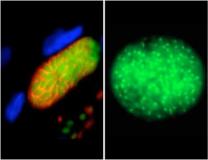
Cielo Emar M. Paraoan, Ren Mark D. Villanueva, and Marie Christine M. Obusan of the UP Diliman College of Science’s Institute of Biology (UPD-CS IB) found that T. gondii is fairly common in vegetables and oysters that they sampled from local markets in Central Luzon. Among the vegetables tested were lettuce, cabbage, carrots, cauliflower, and mung bean sprouts.

Research – New sanitiser kills Salmonella in seconds

Adelaide Edu

Food poisoning outbreaks caused by bacteria such as salmonella could be significantly reduced if a new sanitiser is proven to be successful in the next stage of trials.

University of Adelaide researchers are developing plasma-activated water as an environmentally friendly food sanitiser that can kill foodborne superbugs in seconds.

“The results of our prototype trials are really exciting and showed that our sanitiser destroyed salmonella on chicken meat and eggs in just five seconds,” said lead researcher Dr Katharina Richter, a Future Making Fellow from the University of Adelaide’s Institute for Photonics and Advanced Sensing and Adelaide Medical School.

“We envisage that this sanitiser could be used as a spray or dip for at-risk foods such as eggs, meats, poultry and plant-based products during the manufacturing process, potentially providing a chemical-free alternative to current sanitisers and preventing disease.”

More than four million cases of foodborne disease are estimated to occur in Australia each year. Symptoms can range from mild to severe and include diarrhoea, vomiting, fever, aches, and pains.

“Vulnerable people such as young children, the elderly, pregnant women and people with weakened immune systems are most at risk of severe consequences and could even die of foodborne illnesses,” said Dr Richter.

RASFF Alert- Bombage and microbiological deviations – canned peeled tomatoes

RASFF

Bombage and microbiological deviations in canned peeled tomatoes from Italy in Germany

Research -Improvement of Microbial Quality, Physicochemical Properties, Fatty Acids Profile, and Shelf Life of Basa (Pangasius bocourti) Fillets during Chilling Storage Using Pepsin, Rosemary Oil, and Citric Acid

MDPI

Abstract

Meat discoloration, lipid oxidation, and undesirable texture are inevitable phenomena in basa fish fillets during storage, which in turn limits their exportation as well as decreases consumer acceptability. In addition, increasing consumers’ requirements for high-quality, minimally processed, and ready-to-cook fish fillets with an extended shelf-life is a great challenge, particularly with lifestyle changes. Accordingly, this study aimed to improve the quality, lipid stability, fatty acid profile, and lipid nutritional quality indices (LNQI) of basa fish fillets during chilling storage at 4 °C for 15 days using pepsin enzyme (E, 0.1%), rosemary oil (R, 0.5%), citric acid (CA, 0.5%), and their combination (0.1% E + 0.5% R; 0.1% E + 0.5% CA; and 0.1% E + 0.5% R + 0.5% CA). Our results revealed that all treated samples exhibited a significant increase in protein content, a significant decrease in fat content, and a marked reduction in pH, total volatile base nitrogen (TVBN), thiobarbituric acid (TBA), free fatty acids, and shear force (SF) values in comparison to control ones. Moreover, significant improvements in sensory scores, color stability, fatty acid profile, LNQI, and microbial quality of all treated samples were observed. Such findings were more pronounced in samples treated with a mixture of pepsin, rosemary, and citric acid (TVBN: 2.04 vs. 6.52 mg%; TBA: 0.40 vs. 2.68 mg malonaldehyde/Kg; and SF: 8.58 vs. 19.51 Kgf). Based on the obtained results, there was an extension for the shelf life of all treated basa fish fillet samples, especially in samples treated with a mixture of pepsin, rosemary, and citric acids when compared with the control samples (˃15 days versus 10 days). Additionally, eucalyptol, camphor, isoborneol, and α-pinene are the main components of rosemary, with great antioxidant and antimicrobial activity. In conclusion, the mixture of pepsin, rosemary, and citric acid can be applied easily in the seafood industry and at the household level to provide ready-to-cook fish fillets of high quality with great health benefits.

Research – Sage Essential Oil as an Antimicrobial Agent against Salmonella enterica during Beef Sous Vide Storage

MDPI

Abstract

Sous-vide is a process comprising vacuum-sealing food, heating it to the desired temperature, and circulating it in a water bath in a sous vide machine. This cooking technique is increasingly common in homes and catering establishments due to its simplicity and affordability. However, manufacturers and chef’s recommendations for low-temperature and long-term sous-vide cooking in media raise food safety concerns, particularly when preparing beef tenderloin. In this study, Salmonella enterica was found to be inactivated by heat and sage essential oil (EO) in beef samples from musculus psoas major that had been sous vide processed. To determine whether heat treatment was likely to increase the sous vide efficiency, Senterica and sage EO were mixed. After being vacuum-packed and injected with S. enterica, the samples were cooked at 50–65 °C through the sous vide technique for the prescribed time. On days 1, 3, and 6, the amounts of S. enterica, total bacteria, and coliform bacteria were measured in the control and treated groups of beef processed sous vide. Mass spectrometry was used to identify bacterial isolates on different days. On each day that was measured, a higher number of all the microbiota was found in the samples exposed to 50 °C for 5 min. The most frequently isolated microorganisms from both groups of samples were Pseudomonas fragi (17%), Pseudomonas cedrina (8%), and Proteus vulgaris (8%); in the treated group, also S. enterica (21%), Pseudomonas fragi (13%), and Pseudomonas veronii (6%). After the heat treatment of samples at 65 °C for 20 min, the total count of bacteria and coliform bacteria was zero. It has been shown that adding sage essential oil (EO) in combination with sous vide processing technique leads to the stabilization and safety of beef tenderloin.

RASFF Alert- Microbiological risk about Cooked turkey fillet roast, cured product

RASFF

Microbiological risk about Cooked turkey fillet roast, cured product from France in Belgium and Morocco

USA – Norovirus outbreak linked to $1 burrito special for Northwestern University students

CBS News

The Evanston Health and Human Services Department warned Wednesday that it was tracking a norovirus outbreak linked to the burrito special.

The department is investigating the outbreak along with Northwestern University. Investigators have learned that people reported stomach cramps, vomiting, and diarrhea after eating at Big Wig Tacos & Burritos during an event on Saturday, Nov. 18, at which the restaurant offered $1 burritos to students from the university.

The event was held between 1 p.m. and 8 p.m. this past Saturday. Big Wig Tacos & Burritos has a location at 950 Church St. in downtown Evanston.

World – Nearly 150 sick in Salmonella outbreak affecting 11 countries

Food Safety News

Eleven countries, including the United States, have recorded almost 150 Salmonella infections that could be linked to tomatoes.

Since January 2023, 149 cases of Salmonella Strathcona have been reported. Germany has the most patients, with 47, while Italy has 34. Most people fell sick between August and October.

The U.S. has eight cases. Six interviewed sick people had been to Spain, Italy, Croatia, France, and Slovenia. Four patients reported travel to Italy.

Austria has 17 cases, the Czech Republic and the United Kingdom have 13, and France has nine. Other affected countries are Finland, Denmark, Luxembourg, and Norway.

Read more at the link above

Italy – Clams – VONGOLE VERACI – Microbiological Risk

Salute

Brand : CAM srl

Name : VONGOLE VERACI

Reason for reporting : Recall due to microbiological risk

Publication date : 20 November 2023

Documentation

Documentation