Category Archives: microbial contamination

UK – The FSA is reiterating its advice on cooking frozen raw breaded chicken products following link to rising cases of Salmonella

FSA

The Food Standards Agency (FSA) along with Food Standards Scotland (FSS) and Public Health England (PHE), Public Health Scotland and Public Health Wales are reminding people once again to take care when handling and cooking frozen raw breaded chicken products at home, such as nuggets, goujons, dippers, poppers and kievs

This comes as we issued two further product recalls of products linked to two ongoing outbreaks of Salmonella Enteritidis (a food poisoning bug).

An investigation is ongoing into two particular strains of Salmonella linked to frozen raw breaded chicken products. We saw an increase in salmonellosis cases caused by these strains of Salmonella throughout 2020. Control measures were put in place, businesses undertook product recalls and the FSA published alert notifications. We also issued precautionary advice to consumers in October 2020. Given the long shelf life of these products and the fact that we continue to receive reports of disease caused by these Salmonella strains, we are reminding the public again about the importance of cooking and handling frozen breaded chicken products.

Colin Sullivan, Chief Operating Officer, FSA said:

‘Our advice is to always take care when storing, handling and cooking these types of frozen breaded chicken products to help reduce the risk of food poisoning to you and your family.’

‘You should always check the cooking instructions on food packaging, as different brands of the same product might have different instructions. Cooking food at the right temperature and for the correct length of time will ensure that any harmful bacteria are killed.’

Saheer Gharbia, Head of the Gastrointestinal Pathogens Unit of PHE’s National Infection Service, said:

‘Cases continue to be reported, albeit at lower levels than last year, following the control measures taken to date.

‘Salmonella generally causes a mild illness, although vulnerable groups like children under five years, the elderly, and those with weakened immune systems may experience more severe illness and may require hospitalisation. Symptoms of a Salmonella infection include diarrhoea, stomach cramps and sometimes vomiting and fever. Anyone who is concerned about symptoms should contact their GP or out of hours service in the first instance.’

Further information on Salmonella and food poisoning can be found on the NHS Choices website (Opens in a new window).

Top food hygiene tips:

  • Always carefully check the advice on food packaging and follow the cooking instructions provided
  • If the packaging advises the product should be thawed/defrosted before cooking, follow the instructions
  • Consume or freeze food by its use-by date
  • Wash your hands with soap and water after touching raw chicken products and before you handle ready-to-eat food
  • Avoid cross-contamination by cleaning any surface, plate or utensil that has been in contact with raw meat

Salmonella is a common bacteria that can cause food poisoning. Salmonella can be found in raw meat (processed and unprocessed), undercooked poultry and unpasteurised milk. Inadequate cooking and cross-contamination in the kitchen during food preparation can lead to Salmonellosis.

The following recalls are linked to this Salmonella outbreak:

Find out more about salmonella and how to avoid salmonella infection

From January 2020 there have been 480 cases of Salmonellosis caused by two strains of Salmonella Enteritidis and linked to consumption of frozen, raw, breaded chicken products.

Research – Secret to how cholera adapts to temperature revealed

Science Daily

Food Illness

Scientists have discovered an essential protein in cholera-causing bacteria that allows them to adapt to changes in temperature, according to a study published today in eLife.

The protein, BipA, is conserved across bacterial species, which suggests it could hold the key to how other types of bacteria change their biology and growth to survive at suboptimal temperatures.

Vibrio cholerae (V. cholerae) is the bacteria responsible for the severe diarrheal disease cholera. As with other species, V. cholerae forms biofilms — communities of bacteria enclosed in a structure made up of sugars and proteins — to protect against predators and stress conditions. V. cholerae forms these biofilms both in their aquatic environment and in the human intestine. There is evidence to suggest that biofilm formation is crucial to V. cholerae’s ability to colonise in the intestine and might enhance its infectivity.

“V. cholerae experiences a wide range of temperatures, and adapting to them is not only important for survival in the environment but also for the infection process,” explains lead author Teresa del Peso Santos, a postdoctoral researcher at the Laboratory for Molecular Infection Medicine Sweden (MIMS), Umeå University, Sweden. “We know that at 37 degrees Celsius, V. cholerae grows as rough colonies that form a biofilm. However, at lower temperatures these colonies are completely smooth. We wanted to understand how it does this.”

The researchers screened the microbes for genes known to be linked with biofilm formation. They found a marked increase in the expression of biofilm-related genes in colonies grown at 37C compared with 22C.

To find out how these biofilm genes are controlled at lower temperatures, they generated random mutations in V. cholerae and then identified which mutants developed rough instead of smooth colonies at 22C. They then isolated the colonies to determine which genes are essential for switching off biofilm genes at low temperatures.

The most common gene they found is associated with a protein called BipA. As anticipated, when they intentionally deleted BipA from V. cholerae, the resulting microbes formed rough colonies typical of biofilms rather than smooth colonies. This confirmed BipA’s role in controlling biofilm formation at lower temperatures.

To explore how BipA achieves this, the researchers compared the proteins produced by normal V. cholerae with those produced by microbes lacking BipA, at 22 and 37 degrees Celsius. They found that BipA alters the levels of more than 300 proteins in V. cholerae grown at suboptimal temperatures, increasing the levels of 250 proteins including virtually all known biofilm-related proteins. They also showed that at 37 degrees Celsius, BipA adopts a conformation that may make it more likely to be degraded. In BipA’s absence, the production of key biofilm regulatory proteins increases, leading to the expression of genes responsible for biofilm formation.

These results provide new insights into how V. cholerae adapts to temperature and will help understand — and ideally prevent — its survival in different environments and transmission into humans.

“We have shown that BipA is critical for temperature-dependent changes in the production of biofilm components and alters colony shape in some V. cholerae strains,” concludes senior author Felipe Cava, Associate Professor at the Department of Molecular Biology, and MIMS Group Leader and Wallenberg Academy Fellow, Umeå University. “Future research will address the effect of temperature- and BipA-dependent regulation on V. cholerae during host infection and the consequences for cholera transmission and outbreaks.”

Research – Short Wave Ultraviolet Light (UV-C) Effectiveness in the Inactivation of Bacterial Spores Inoculated in Turbid Suspensions and in Cloudy Apple Juice

MDPI

Liquid foods might present interferences in their optical properties that can reduce the effectiveness of short-wave ultraviolet radiation (UV-C) treatments used for sterilization purposes. The effect of turbidity as UV-C interference factor against the inactivation of bacterial spores was analysed by using phosphate-buffered saline solutions (PBS) of different turbidity values (2000, 2500, and 3000 NTU) which were adjusted with the addition of apple fibre. These suspensions were inoculated with spores of Bacillus subtilis and Alicyclobacillus acidoterrestris. While higher UV-C doses increased the inactivation rates of spores, these were reduced when turbidity values increased; a dose of 28.7 J/mL allowed inactivation rates of B. subtilis spores of 3.96 Log in a 2000-NTU suspension compared with 2.81 Log achieved in the 3000-NTU one. Spores of B. subtilis were more UV-C-resistant than A. acidoterrestris. Cloudy apple juice inoculated with A. acidoterrestris spores was processed by UV-C at different doses in a single pass and with recirculation of the matrix through the reactor. Inactivation increased significantly with recirculation, surpassing 5 Log after 125 J/mL compared with 0.13 Log inactivation after a single-pass treatment at the same UV-C dose. UV-C treatments with recirculation affected the optical properties (absorption coefficient at 254 nm and turbidity) of juice and increased browning as UV-C doses became higher.

Research – Hypo- and Hyper-Virulent Listeria monocytogenes Clones Persisting in Two Different Food Processing Plants of Central Italy

MDPI

A total of 66 Listeria monocytogenes ( Lm ) isolated from 2013 to 2018 in a small-scale meat processing plant and a dairy facility of Central Italy were studied. Whole Genome Sequencing and bioinformatics analysis were used to assess the genetic relationships between the strains and investigate persistence and virulence abilities. The biofilm forming-ability was assessed in vitro. Cluster analysis grouped the Lm from the meat plant into three main clusters: two of them, both belonging to CC9, persisted for years in the plant and one (CC121) was isolated in the last year of sampling. In the dairy facility, all the strains grouped in a CC2 four-year persistent cluster. All the studied strains carried multidrug efflux-pumps genetic determinants ( sugEmdrl , lde , norM , mepA ). CC121 also harbored the Tn 6188 specific for tolerance to Benzalkonium Chloride. Only CC9 and CC121 carried a Stress Survival Islet and presented high-level cadmium resistance genes ( cadA1C1 ) carried by different plasmids. They showed a greater biofilm production when compared with CC2. All the CC2 carried a full-length inlAwhile CC9 and CC121 presented a Premature Stop Codon mutation correlated with less virulence. The hypo-virulent clones CC9 and CC121 appeared the most adapted to food-processing environments; however, even the hyper-virulent clone CC2 warningly persisted for a long time. The identification of the main mechanisms promoting Lm persistence in a specific food processing plant is important to provide recommendations to Food Business Operators (FBOs) in order to remove or reduce resident Lm .

Research – Garcinia mangostana extract inhibits the attachment of chicken isolates of Listeria monocytogenes to cultured colorectal cells potentially due to a high proanthocyanidin content

Wiley Online

Listeria monocytogenes are pathogenic microorganisms and of particular concern in the poultry industry. They are frequently isolated from raw chicken products due to their ability to attach to a wide variety of food and food‐contact surfaces. The application of synthetic antimicrobial agents is often limited by potential emergence of antimicrobial resistance and regulations associated to organic poultry products. Development of natural antimicrobial agents controlling Listeria monocytogenes contamination and pathogenesis represent an alternative approach. This study screened a range of plant extracts (including those from cranberry, mangosteen, persimmon, and roselle) for their ability to affect five Listeria monocytogenes strains with respect to their bacterial surface hydrophobicity, auto‐aggregation, and attachment to cultured human colorectal cells. Results show that mangosteen extracts showed significant inhibitory effects on the attachment of Listeria monocytogenes to the cell line, potentially due to a high level of proanthocyanidin content. In addition, the plant extracts influenced bacterial auto‐aggregation (increase in most of the cases) by increasing bacterial surface hydrophobicity. These results may support future development of alternative antimicrobial agents controlling the contamination and pathogenesis of Listeria monocytogenes.

USA – FDA – Enforcement Report – Week of February 17, 2021

FDA

Product Description:
“LAVVA Blueberry Dairy Free Pili Nut Yogurt. NO SUGAR ADDED. NET WT 5.3OZ (150g) ***KEEP REFRIGERATED***DISTRIBUTED BY EVR FOODS INC. NEW YORK, NY 10010″
Reason for Recall:
Product may contain mold.
Product Quantity:
” 806 cases (9,672 units)
Recall Number:
F-0287-2021
Code Information:
Unit UPC: 00860149001739 Case UPC: 10860149001736 Best By: 2/21/21
Classification:
Class II

Product Description:
Butternut Veggie Spirals Tray, Keep Refrigerated, NET WT 9.5oz (269g)
Reason for Recall:
Butternut Squash products potentially contaminated with Listeria monocytogenes.
Product Quantity:
3,570 cases
Recall Number:
F-0281-2021
Code Information:
Run No./Use by Date: 1222496F/ 1/13/2021, 1222747F/ 1/14/2021, 1222831F/ 1/15/2021, 1222851F/ 1/16/2021, 1222959F/ 1/17/2021, 1223108F/ 1/18/2021, 1223145F/ 1/19/2021, and 1223223F/ 1/20/2021.

Product Description:
Butternut Cubed Butternut Tray, Keep Refrigerated, NET WT 13oz (368g)
Reason for Recall:
Butternut Squash products potentially contaminated with Listeria monocytogenes.
Product Quantity:
7,111 cases
Recall Number:
F-0282-2021
Code Information:
Run No./Use by Date: 1222496F/ 1/13/2021, 1222747F/ 1/14/2021, 1222831F/ 1/15/2021, 1222851F/ 1/16/2021, 1222959F/ 1/17/2021, 1223108F/ 1/18/2021, 1223145F/ 1/19/2021, and 1223223F/ 1/20/2021.
Classification:
Class II

Product Description:
Butternut Squash Tray, Keep Refrigerated, NET WT 12oz (341g)
Reason for Recall:
Butternut Squash products potentially contaminated with Listeria monocytogenes.
Product Quantity:
359 cases
Recall Number:
F-0283-2021
Code Information:
Run No./Use by Date: 1222496F/ 1/15/2021, 1222747F/ 1/16/2021, 1222959F/ 1/19/2021, and 1223223F/ 1/22/2021.
Classification:
Class II

Product Description:
Reese Bearnaise Sauce packaged in glass jars 7.5 oz UPC: 7067060109
Reason for Recall:
Reports of compromised vacuum seal and product expansion which may lead to growth of microorganisms
Product Quantity:
653 cases (12 packages per case)
Recall Number:
F-0277-2021
Code Information:
Best by 11/13/2022
Classification:
Class II

Product Description:
Reese Hollandaise Sauce packaged in glass jars 7.5 oz UPC: 7067060108
Reason for Recall:
Reports of compromised vacuum seal and product expansion which may lead to growth of microorganisms
Product Quantity:
1600 cases (12 packages per case)
Recall Number:
F-0278-2021
Code Information:
Best by 11/16/2022
Classification:
Class II

Product Description:
Butternut Squash Bag, 5 lbs
Reason for Recall:
Butternut Squash products potentially contaminated with Listeria monocytogenes.
Product Quantity:
155 cases
Recall Number:
F-0285-2021
Code Information:
Run No./Use by Date: 1222496F/ 1/13/2021, 1222831F/ 1/15/2021, 1223108F/ 1/18/2021, and 1223198F/1/20/2021.
Classification:
Class II

Belgium – Ringworst & Droge worst (dry sausages) of Vleeswaren cd brand – Listeria monocytogenes

AFSCA

Finartes Recall nv
Products: Ringworst & Droge worst (dry sausages) of Vleeswaren cd brand.
Problem: Possible presence of Listeria monocytogenes.


In agreement with the AFSCA, Finartes is withdrawing the “Ringworst” and “Droge worst” dry sausages from sale and is recalling them to consumers because of the possible presence of Listeria monocytogenes.

Finartes asks its customers not to consume these products and to bring them back to the point of sale where they were purchased.

Product description
– Product name: Ringworst – droge worst
– Brand: Vleeswaren cd
– Use by date (DLC) (“To be consumed until”): 03/30/2021
– Lot number: 21041
– Sales period : from 3/02/2021 to 9/02/2021
– Type of packaging: plastic packaging in a protective atmosphere
– Weight: Ringworst 245 grams (1 piece) – worst droge 245 grams (5 pieces)

The product was sold via:
– DB-center nv – Sint-Andreaslaan 20, 8730 Beernem.
– Vandewoestyne bvba – Veldestraat 86, 9850 Merendree.

For any further information , contact:
Cederik Decorte
info@finartes.be

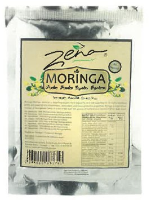
Belgium – Zena brand “Moringa powder” flavor enhancer (powder) -Salmonella

AFSCA

AFSCA recall
Product: Zena brand “Moringa powder” flavor enhancer (powder).
Problem: possible presence of Salmonella.


The AFSCA is today recalling consumers of the flavor enhancer (powder) “Moringa powder” of the Zena brand (100g).
The AFSCA asks not to consume this product and to contact the point of sale through which it was purchased.

Product Description

– Product: Moringa powder
– Brand: Zena
– Expiry date (DDM): 31-12-2023
– Bar code: 6044000063713
– Weight: 100g

This product was sold through various stores in Belgium:

SHABANI JUMA (LEOPOLDSTRAAT 25, 2850 BOOM)
X-SPEED SPRL (CH. PAUL HOUTART 281, 7110 HOUDENG-GOEGNIES)
ISS DELIVERY EXPRESS (CH. DE WAVRE 118, 1082 S. AGATHA BERCHEM)
SHOP 20 (RUE ROPSY CHAUDRON 20, 1070 ANDERLECHT)
OSS GROUP SRL (R. ROPSY CHAUDRON 21, 1070 ANDERLECHT)
KAALA (RUE DU BATEAU 40, 1080 S. JANS MOLENBEEK)
GANJESHA (JP MINCKELERSTRAAT 23, 3000 LEUVEN)
BVREE (SINT BERNARDSSTEENWEG 594, 2660 HOBOKEN)
UNIMAX SPRL (R. ROPSY CHAUDRON 37, 1070 ANDERLECHT)
SHOP 20 (RUE ROPSY CHAUDRON 20, 1070 ANDERLECHT)
ROMEO SUNUMARKET (DAMBRUGGESTRAAT 150, 2060 ANTWERPEN)
MASTER BUSINESS BV (RESEARCHDREEF 59, 10170 ANDERLECHT)
HANSKIN SPRL (BLD DU MIDI, 98, 1000 BRUSSELS)
JAMIL CHOUDRY (DAMBRUGGESTRAAT 240, 2060
ANTWERP ) JESTINA (BREDABAAN 427, 2170, MERKSEM)
RUSHA BVBALE 63 (PLANITIN EN MORETUSVERS 2018) )
SIMRAN ASIAN & AFRO FOODS (RUE DE PONT 39, 4000 LIEGE)
SPRL KHALSA SARWAN SINGH (CHAUSSEE DE NEERSTALLE 21, 1190 FOREST)
SUNSHINE AFRICAN FOODS (RUE DE L’ARGONNE 12, 1060 SAINT-GILLES)

It is possible that this product recall is still subject to updates. If you consume this type of product, check this page or our social networks regularly.

For any further information, you can contact the AFSCA contact point for consumers: 0800 / 13.550 or pointdecontact@afsca.be .

Germany – “Schildauer” brand pork cracker – Salmonella

LMW

Warning type:Food
Date of first publication:02/18/2021
Product name:

“Schildauer” brand pork cracker

Manufacturer (distributor):SFW Schildauer Fleisch- und Wurstwaren GmbH Sitzenrodaer Straße 5 04889 Belgern-Schildau
Reason for warning:

Detection of salmonella. It cannot be ruled out that Salmonella can be found in individual packs of the “pork cracker” item concerned.

Packaging Unit:7 x 100g
Durability:02/24/2021
Lot identification:210404
Further information:

Reference is made to the company’s press release attached.

Contact to the responsible authorities:
Brandenburg:Konsumenterschutz@Msgiv.Brandenburg.de
Hesse:Schnellwarnung@rpda.hessen.de
Mecklenburg-Western Pomerania:poststelle@lm.mv-regierung.de
Lower Saxony:poststelle@ml.niedersachsen.de
Saxony:poststelle@sms.sachsen.de
Saxony-Anhalt:poststelle@ms.sachsen-anhalt.de
Thuringia:LM-Ueberendung@tlv.thueringen.de
Press releases and information
title Attachment or web link
Press release_Schildauer

Germany – Zena Moringa Powder – Salmonella

LMW

2021_02_18SmaakversterkerMoringapowderFAVV_foto.jpg

Warning type:Food
Date of first publication:02/18/2021
Product name:

Zena Moringa Powder

Manufacturer (distributor):Unidex BV
Reason for warning:

Salmonella

Packaging Unit:100 g
Durability:December 31, 2023
Further information:

Salmonella
A salmonella disease manifests itself within a few days after infection with diarrhea, abdominal pain and occasionally vomiting and a slight fever. The symptoms usually subside on their own after several days. Infants, young children, the elderly and people with a weakened immune system in particular can develop more severe disease courses. People who have eaten this food and develop severe or persistent symptoms should seek medical attention and advise them of a possible salmonella infection.
Seeking preventive medical treatment without symptoms does not make sense.

Contact to the responsible authorities:
Baden-Württemberg:poststelle@mlr.bwl.de
Bavaria:poststelle@lgl.bayern.de
North Rhine-Westphalia:poststelle@mulnv.nrw.de
Saxony-Anhalt:poststelle@ms.sachsen-anhalt.de