Category Archives: Illness

USA – Salmonella outbreak linked to Chili’s South Indian Cuisine in Seattle

Food Poison Journal

Food Poisoning Salmonella

Summary

Public Health is investigating an outbreak of salmonellosis (caused by Salmonella bacteria) associated with Chili’s South Indian Cuisine in Seattle. The investigation is ongoing. At this time, we have not identified how Salmonella was spread within the restaurant. This is not uncommon because Salmonella can spread through contaminated food items, environmental surfaces, and from person to person.

Illnesses

Since October 6, 2022, three people from two separate meal parties reported becoming ill after consuming food from Chili’s South Indian Cuisine in Seattle on September 17, 2022 and September 23, 2022. All the people developed one or more symptoms consistent with salmonellosis, including diarrhea, abdominal cramping, nausea, and vomiting. We have not identified any ill employees.

Public Health actions

Public Health conducted interviews with the people ill with salmonellosis to identify potential common exposures and found that they all became ill after eating food from Chili’s South Indian Cuisine.

Environmental Health Investigators visited the restaurant on October 19, 2022. Investigators identified sanitizing issues, potential cross contamination, inadequate hand washing, and lack of proper access to handwashing stations. Corrective actions were taken during the inspection. Environmental Health Investigators will revisit the facility within 2 weeks to ensure proper compliance with food handling practices.

No ill employees were identified at the time of inspection. Investigators reviewed with restaurant management the requirement that ill staff are not allowed to work until they are symptom-free. Investigators provided education about preventing the spread of Salmonella – including preventing cross contamination, proper cooling methods, sanitizing procedures and handwashing.

Laboratory testing

Two of the cases have confirmatory testing indicating infections with Salmonella via culture. Both cases have the same strain of Salmonella, based on genetic fingerprinting (whole genome sequencing or WGS) at the Washington State Public Health Laboratory. The third case did not have confirmatory testing but had symptoms consistent with Salmonellosis and is epidemiologically linked.

Research – Salmonella Typhimurium outbreak associated with frozen tomato cubes at a restaurant in western Finland, January to February 2021

Eurosurveillance

On 2 February 2021, a local environmental health authority in western Finland notified the National Registry for Food and Waterborne Outbreaks about six cases of  infection suspected to be related to a local lunch restaurant in a region where there had been between one and three salmonellosis cases per month. More cases were soon discovered that were linked to food eaten at the same restaurant on the days 27–29 January 2021, and the Finnish Institute for Health and Welfare (THL) was informed of 44 outbreak-related cases. The estimated number of potentially exposed persons was 400. THL and the Finnish Food Authority joined the local outbreak investigation team to support and coordinate the epidemiological and microbiological investigations.

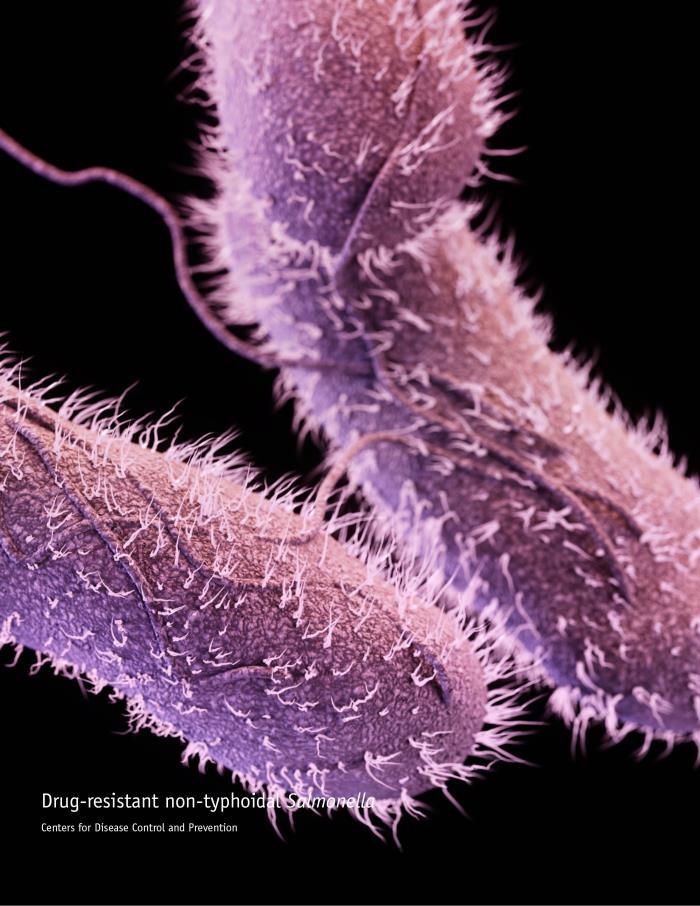
We report here a food-borne outbreak caused by a non-monophasic multidrug-resistant  Typhimurium strain that was not detected in Finland before.

Canada – Shigella outbreak in Edmonton Zone

Alberta Health Services

Shigella - kswfoodworld

Image CDC

EDMONTON – Alberta Health Services (AHS) is notifying the public about an ongoing investigation into a Shigella outbreak in the Edmonton Zone.

In August of this year, AHS identified a cluster of Shigella cases among the inner city population of Edmonton.

To date, we have identified 87 people with Shigella, 64 of those people required hospitalizations. The first person became ill on August 17, 2022. No deaths have been reported connected to this outbreak.

Shigella is a disease that’s commonly associated with diarrhea, as well as fever, nausea and stomach cramps. It can cause severe illness, resulting in hospitalization and it spreads when someone comes into contact with fecal matter from an infected person and also by eating food contaminated with the bacteria.

AHS has reached out to physicians and inner city shelters and partners to advise them of the situation and has provided advice for helping reduce the spread of illness while also ensuring that anyone who requires medical attention receives the care they need.

A task force led by AHS with representation from the City of Edmonton, Alberta Health, Alberta Community and Social Services, Edmonton area shelters and other partner organizations has been created with the goal of sharing resources and support to help stop the spread of this bacteria.

The majority of the cases to date are within the city’s inner city population, so the risk to the general public remains low. However, we would like to remind people that proper hand hygiene helps to prevent the spread of many illnesses, including Shigella.

Anyone experiencing symptoms that might be related to Shigella or anyone with questions or concerns about their health is encouraged to speak with their healthcare provider or call Health Link at 811.

Alberta Health Services is the provincial health authority responsible for planning and delivering health supports and services for more than four million adults and children living in Alberta. Its mission is to provide a patient-focused, quality health system that is accessible and sustainable for all Albertans.

USA – Outbreak Investigation of Salmonella: Seafood (October 2022)

FDA

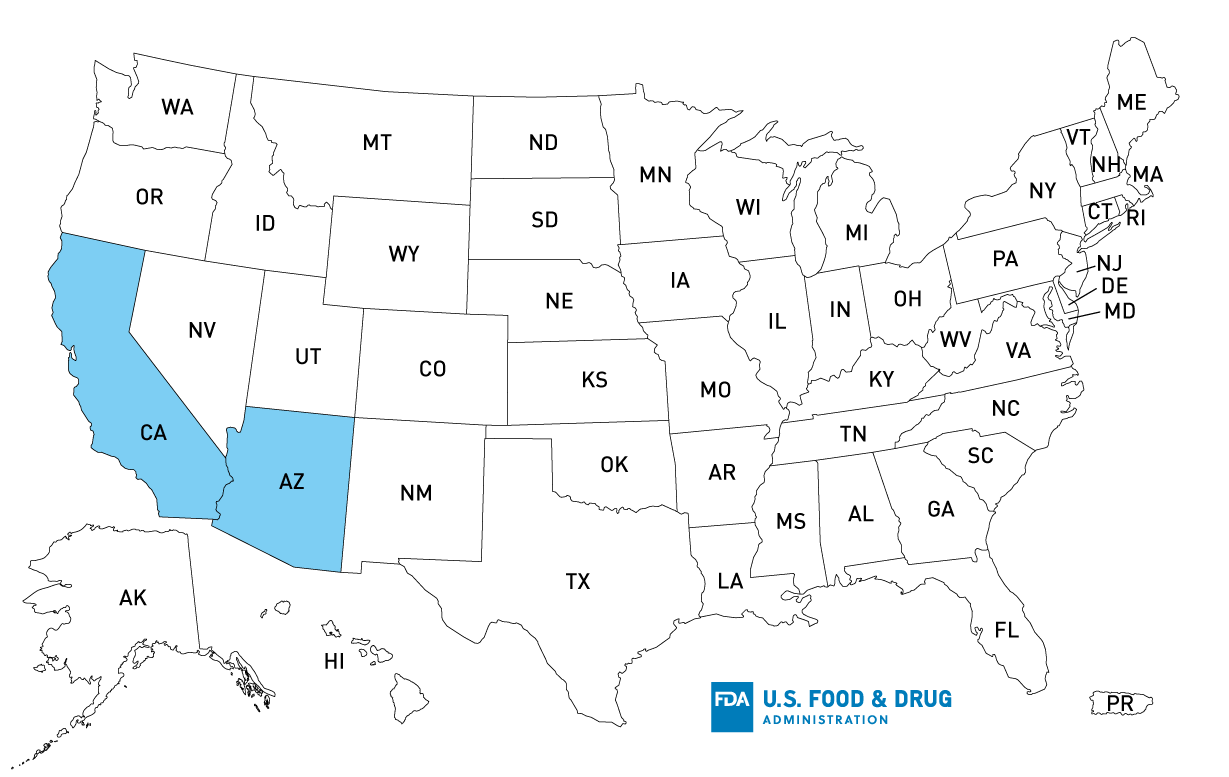
The FDA, along with CDC and state and local partners, is investigating a multistate outbreak of Salmonella Litchfield infections linked to fresh, raw salmon supplied to restaurants in California and Arizona by Mariscos Bahia, Inc.

Based on epidemiologic information provided by CDC and interviews conducted by state and local public health officials, of 16 people interviewed, 12 reported eating sushi, sashimi, or poke. Of those interviewed, 11 people remembered details about the type of fish consumed and 9 report eating raw salmon before getting sick. The FDA’s investigation traced the distribution of fresh, raw salmon back to Mariscos Bahia, Inc.

In addition, the FDA collected an environmental sample that included multiple swabs at Mariscos Bahia, Inc. (Pico Rivera, CA). Multiple environmental swabs collected at the facility are positive for Salmonella and subsequent  Whole Genome Sequencing (WGS) analysis is ongoing. The WGS completed to date indicates the Salmonella detected in at least one of the swabs from the facility matches the outbreak strain. While epidemiological evidence indicates that ill people consumed fresh, raw salmon processed at this firm, the presence of Salmonella in the processing environment indicates that additional types of fish processed in the same area of the facility could also be contaminated which includes fresh, raw halibut, Chilean seabass, tuna, and swordfish. Salmon, halibut, Chilean seabass, tuna, and swordfish processed in Marisco Bahia Inc.’s Pico Rivera, CA, facility could have also been sent to the Mariscos Bahia, Inc. facilities in Phoenix, AZ and then sent to restaurants.

The firm is cooperating with the FDA investigation and has agreed to initiate a voluntary recall. As a part of the firm’s voluntary recall, the firm will contact its direct customers who received recalled product.

The FDA’s investigation is ongoing. Updates to this advisory will be provided as they become available.

Recommendation

According to Mariscos Bahia, Inc., seafood was only sold directly to restaurants in California and Arizona and would not be available for purchase by consumers in stores.

Restaurants should check with their suppliers and not sell or serve salmon, halibut, Chilean seabass, tuna, and swordfish received fresh, not frozen from Mariscos Bahia, Inc. (Pico Rivera, CA and Phoenix, AZ) on or after June 14, 2022. If restaurants received these fish and then froze it, they should not sell or serve it. Restaurants should also be sure to wash and sanitize locations where these fish from Mariscos Bahia, Inc. were stored or prepared.

Consumers eating salmon, halibut, Chilean seabass, tuna, and swordfish at a restaurant in California or Arizona should ask whether the fish is from Mariscos Bahia, Inc and was received fresh, not frozen.


Map of U.S. Distribution

Map of U.S. Distribution

Case Count Map Provided by CDC

Salmon Outbreak of Salmonella - CDC Case Count Map as of October 19, 2022

Case Counts

Total Illnesses: 33
Hospitalizations: 13
Deaths: 0
Last illness onset: September 18, 2022
States with Cases: AZ (11), CA (21), IL (1)
Product Distribution*:  AZ, CA
*Distribution has been confirmed for states listed, but product could have been distributed further, reaching additional states

Norway – Smoked salmon suspected as source of Listeriosis outbreak

Matportalen

The patient samples were taken between February and August this year (2022). The four people are aged 50 – 90, two women and two men, and they live in Nordland, Trøndelag, Oslo and Viken.

Bacteria with the same genetic profile have been detected in samples from all four patients. In addition, there is one suspected case where we are awaiting final clarification of the test result. 

The Norwegian Food Safety Authority has collaborated with the Institute of Public Health, the municipal chief veterinarians and the Veterinary Institute, in order to map whether the patients may have a common source of infection.

Three of the four patients have been interviewed by the Norwegian Food Safety Authority. All state having eaten smoked salmon or smoked trout in the time before they became ill, and two of them state smoked salmon from the same producer. During the outbreak investigation, the outbreak bacteria was found in a product from this manufacturer that had been analyzed earlier this year. The sample was a routine sample, taken in connection with the Norwegian Food Safety Authority’s monitoring program for ready-to-eat products in 2022. The amount of listeria in the routine sample was so low that it posed no health risk.

The Norwegian Food Safety Authority has followed up the manufacturer through an inspection of the premises and several environmental samples have been obtained which were analyzed at the Veterinary Institute. The bacterium Listeria monocytogene was found in some of the samples. Although that listeria bacterium was not genetically similar to the outbreak strain, a discrepancy has been found. The Norwegian Food Safety Authority therefore decided based on a precautionary principle that the company had to withdraw products from the market.

The company has initiated thorough internal work to find the source of the outbreak strain. Extra cleaning of premises and equipment has also been carried out, to ensure that their products are safe.

USA – Old Europe Cheese Listeria Outbreak holds at six sick in six States

Food Poison Journal

Epidemiologic and Traceback Data

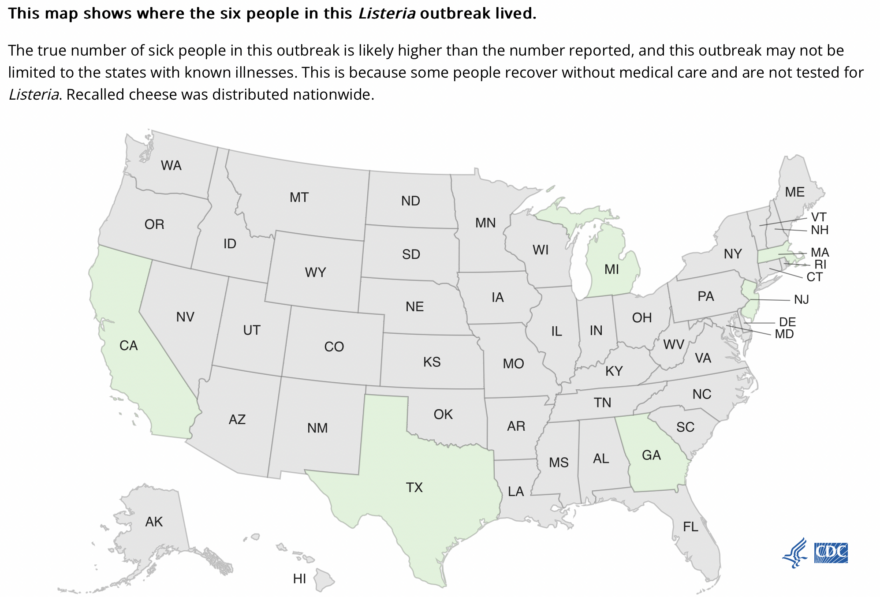
As of September 28, 2022, six people infected with the outbreak strain of Listeria have been reported from six states (see map). Sick people’s samples were collected from August 6, 2017, to August 5, 2022 (see timeline).

Sick people range in age from 56 to 83 years, with a median age of 78, and 67% are female. Five people have been hospitalized, and no deaths have been reported.

The true number of sick people in this outbreak is likely higher than the number reported, and the outbreak may not be limited to the states with known illnesses. This is because some people recover without medical care and are not tested for Listeria. In addition, recent illnesses may not yet be reported as it usually takes 3 to 4 weeks to determine if a sick person is part of an outbreak.

USA – Big Olaf’s Ice Cream Listeria Outbreaks stands at 25 sick with 24 hospitalized with 1 death

Food Poison Journal

Epidemiologic Data

Since the last update on July 13, 2022, two more illnesses have been reported. As of August 2, 2022, a total of 25 people infected with the outbreak strain of Listeria monocytogenes have been reported from 11 states (see map). Thirteen sick people are residents of Florida and ten reported traveling to Florida before getting sick. Illnesses started on dates ranging from January 24, 2021, to June 24, 2022 (see timeline).

Sick people range in age from less than one to 92 years, with a median age of 72, and 56% are male. Of 25 people with information available, 24 have been hospitalized. One death in a person who was not pregnant has been reported from Illinois. Five people got sick during their pregnancy, and one person’s illness resulted in a fetal loss.

The true number of sick people in an outbreak is likely higher than the number reported, and the outbreak may not be limited to the states with known illnesses. This is because some people recover without medical care and are not tested for Listeria. In addition, recent illnesses may not yet be reported as it usually takes 3 to 4 weeks to determine if a sick person is part of an outbreak.

USA – Michigan hit hardest in Falafel E. coli Outbreak

Food Poison Journal

As of October 7 2022, 20 people infected with the outbreak strain of E. coli O121 have been reported from 6 states (see map). Illnesses started on dates ranging from July 13, 2022, to September 13, 2022 (see timeline).


Sick people range in age from less than 1 to 71 years, with a median age of 31, and 79% are female. Of 14 people with information available, 5 have been hospitalized, including 1 who developed hemolytic uremic syndrome, a serious condition that can cause kidney failure. No deaths have been reported.

The true number of sick people in this outbreak is likely higher than the number reported, and the outbreak may not be limited to the states with known illnesses. This is because some people recover without medical care and are not tested for E. coli. In addition, recent illnesses may not yet be reported as it usually takes 3 to 4 weeks to determine if a sick person is part of an outbreak.

State and local public health officials are interviewing people about the foods they ate in the week before they got sick. Among 18 people interviewed, 15 reported shopping at ALDI stores. Among these 15 ALDI shoppers, 6 reported eating Earth Grown brand frozen falafel purchased from ALDI in the week before getting sick.

Denmark searches for source of Salmonella outbreak with 14 sick

Food Safety News

Danish officials are trying to find the source of a Salmonella outbreak that has sickened 14 people in a month.

Between Aug. 15 and Sept. 16, more than a dozen cases with the same type of Salmonella Typhimurium have been registered at the Statens Serum Institut.

Patients are seven men and seven women aged between 4 and 84 years old, with a median age of 61. Ten cases were reported in one week. Six sick people live in Midtjylland, five in Hovedstaden and three in Syddanmark.

The Statens Serum Institut (SSI), Danish Veterinary and Food Administration (Fødevarestyrelsen) and DTU Food Institute are investigating the outbreak.

Research – Netherlands records more than 800 outbreaks in 2021

Food Safety News

The number of foodborne outbreaks in the Netherlands passed 800 in 2021, according to the National Institute for Public Health and the Environment (RIVM).

A total of 838 outbreaks, affecting 3,517 people, were reported in 2021. This is an increase compared with 559 outbreaks in 2020 affecting 1,907 people and is also up from 735 outbreaks in 2018 and 756 in 2019.

Salmonella and Campylobacter were still responsible for most outbreaks and illnesses this past year. Norovirus was reported far less than in previous years for the second year in a row.

Figures come from the Netherlands Food and Consumer Product Safety Authority (NVWA) and Municipal Health Service (GGD).

Pathogen unknown for most outbreaks
Based on NVWA statistics, most outbreaks involved two to four and five to nine patients. Twenty or more sick people were registered in 13 outbreaks, with 71 and 79 patients in two norovirus incidents. More than 400 people were affected in one outbreak caused by an unknown pathogen. From GGD figures, in 28 outbreaks, four people died from listeriosis.

A pathogen was found in patients, food or environmental samples for only 28 of the 838 outbreaks. Experts said the percentage of outbreaks where a pathogen was identified continues to decrease but the reason for this is uncertain.